
Have you ever stopped to wonder if taking a quiet moment for yourself might be more than just a break? It’s easy to mix up mindfulness and meditation, even though they help you in different ways.
Meditation is like setting aside a bit of quiet time to clear out extra thoughts and sharpen your focus. On the other hand, mindfulness asks you to tune into every sound, scent, or sensation in your daily routine.
Both practices boost your mental balance and emotional strength, but they do it using unique methods. Let’s take a closer look at what makes each one special.
Key Differences Between Mindfulness and Meditation
Both mindfulness and meditation clear your mind, but they work in different ways. Meditation is about sharpening your focus by gently pulling in stray thoughts. It helps you calm down and understand your emotions better. Usually, you set aside a quiet time, often 10 to 30 minutes, and use a mantra or a single point of focus to keep your thoughts on track. For instance, think of a renowned author who used short meditation sessions to steady her thoughts before she became famous.
Mindfulness takes a different approach. It’s all about noticing your senses and being fully present in the moment. You simply observe your thoughts, feelings, and surroundings without passing judgment. This active awareness seamlessly fits into your daily life, it might be during a meal, a walk, or while chatting with a friend.
Key differences include:
- Mindfulness flows naturally into your everyday activities.
- Meditation is a formal practice that you set aside quiet time for.
- Meditation steadies your focus by gathering distracting thoughts.
- Mindfulness keeps you connected to your senses throughout the day.
Meditation quiets a busy mind, while mindfulness turns everyday moments into chances to be truly present. Understanding these differences can help you decide which practice best suits your routine. In truth, both methods can boost your mental balance and build emotional strength, opening the door to a calmer, more centered life.
Meditation Definition and Historical Origins

Meditation is a helpful method to train your mind to stay focused and awake to the present moment. It usually means sitting quietly and using a simple technique, like repeating a comforting phrase or paying attention to your breath, to gently guide your thoughts back whenever they wander. Many people try something like a mantra meditation, softly chanting "Calm mind, steady heart" to keep their thoughts from drifting away. This simple practice can bring a refreshing sense of calm after a busy day.
Meditation has been around for more than 2,500 years, with its roots deep in ancient Indian traditions found in Buddhism and Hinduism. Back then, people used meditation to explore their inner world and find some peace amid the busy pace of daily life. They believed that by focusing steadily, they could uncover meaningful insights about who they are. Over time, different styles of meditation emerged. Transcendental Meditation uses a mantra as a tool to calm the mind and feel quietly alert. Concentration meditation focuses on a single point, like a flickering candle or counting each breath, to simplify our thoughts. Zen meditation, often called zazen, places importance on proper posture and steady breathing to help you tap into a state of gentle awareness. And in loving-kindness meditation, you warm your heart by silently repeating phrases that invite caring and positive feelings. Most sessions last anywhere from 10 to 30 minutes, giving you a neat window of time to clear your mind and refresh your spirit.
Understanding Mindfulness Definition and Practice Methods
According to Jon Kabat-Zinn, mindfulness means paying attention on purpose, without judging, to what’s happening right now. In other words, it’s about noticing the little details of your thoughts, feelings, and surroundings. This idea dates back over 2,600 years to ancient Buddhist practices that used breath and body awareness to build clarity and calm.
Mindfulness isn’t confined to a quiet room or a set schedule. You can sit quietly and focus on your breathing during a formal meditation, letting thoughts drift by like passing clouds. Or you can bring that same gentle focus into everyday activities, whether you’re eating, walking, or chatting with a friend. Try this: before taking a bite of your favorite snack, really notice its taste, texture, and aroma. You might find a whole new level of enjoyment in the simple act of eating!
A few basic techniques can help you get started. Focusing on your breath, tuning into bodily sensations, or even paying attention to the sounds around you all work as little anchors that keep you grounded in the moment. This hands-on approach builds a kind of non-judgmental awareness that boosts both your emotional and mental balance.
Shared Benefits and Commonalities of Mindfulness and Meditation
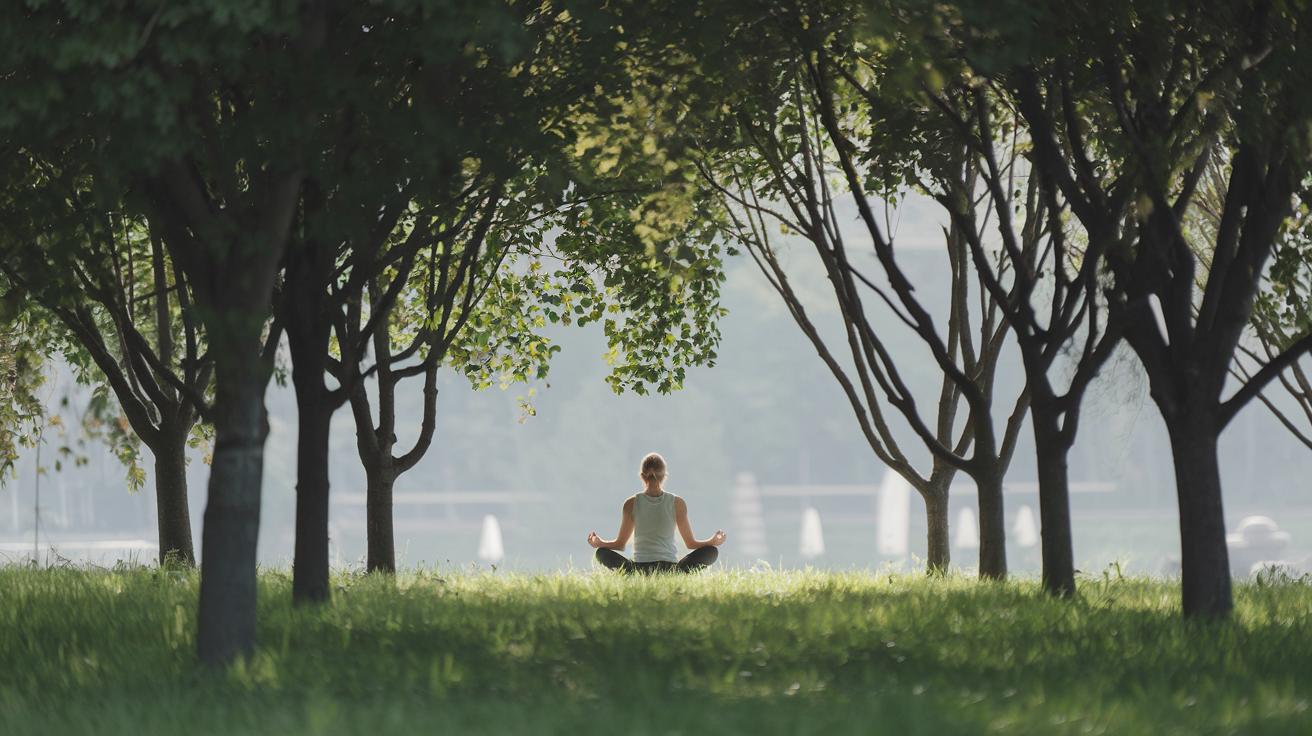
When you choose to practice mindfulness or meditation, you invite a calm, focused state into your life. Research tells us that these practices, mindfulness meaning paying close attention to the present moment (like noticing your thoughts and feelings as they come), and meditation meaning setting aside time to quiet your mind, bring benefits for both your body and your feelings. You might notice that your mind becomes a little quieter and your outlook more steady when you work with these techniques, which can help ease anxiety and calm stormy emotions.
Many people share that adding mindfulness or meditation to their daily routine leads to better sleep, as a peaceful mind creates the perfect setting for refreshing rest. And when you’re regularly grounding yourself with these practices, you build handy skills to manage stress, helping you respond to tough situations with a sense of calm. Over time, this can sharpen your focus, clearing away distractions and boosting your mental clarity, so you’re more ready to handle life’s ups and downs.
Key overlapping benefits include:
- Reduced anxiety
- Improved sleep quality
- Better stress management
- Enhanced focus
- Greater emotional resilience
By making these practices a regular part of your life, you’re equipping yourself with powerful tools to handle daily stress and maintain a balanced, healthy outlook.
Comparing Meditation Techniques and Mindfulness Practices
We already talked about how mindfulness and meditation differ. Mindfulness is something you can do as part of your everyday routine, like focusing on your breath or noticing each step when you walk. Meditation, however, is a set practice that lasts anywhere from 10 to 30 minutes, giving you dedicated time to clear your mind. Both methods work together to keep your mental balance, so there's no need to repeat the details we've already covered.
Comparing Health Benefits of Mindfulness and Meditation
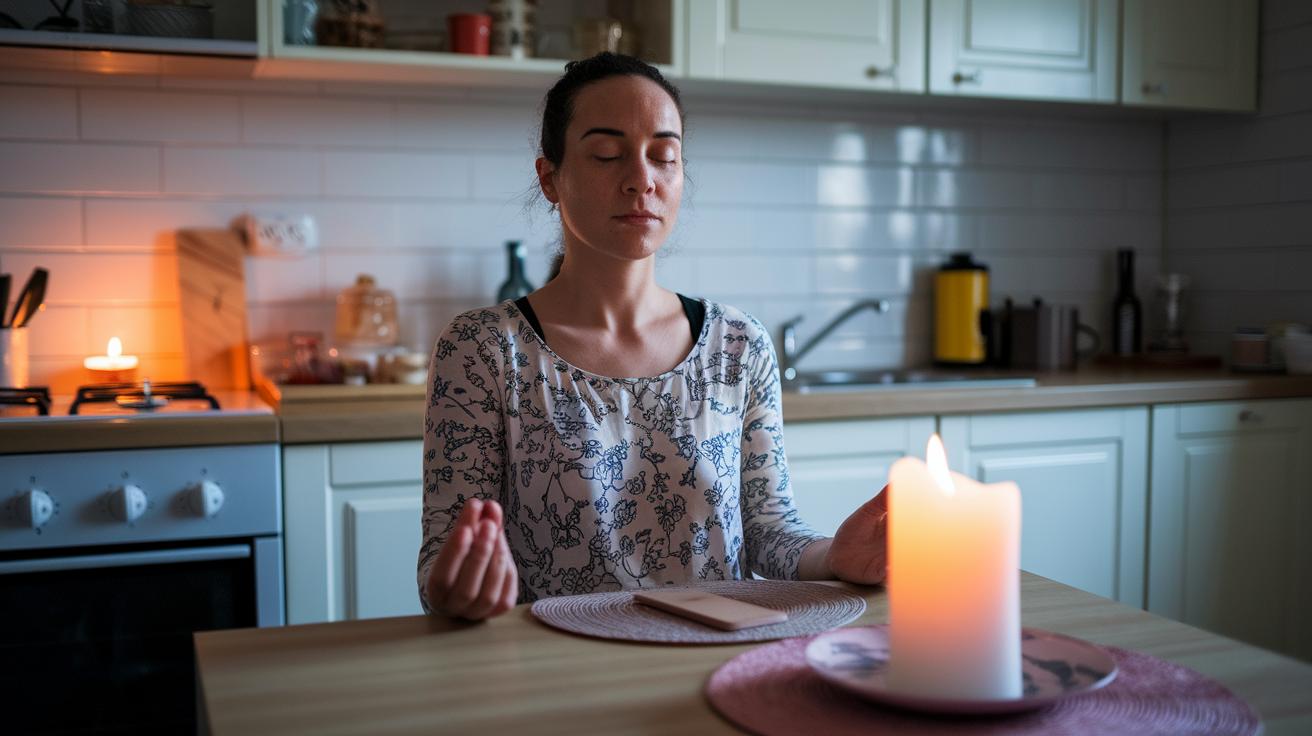
We decided not to repeat what we already covered in the Shared Benefits and Commonalities of Mindfulness and Meditation section. Some unique points, like the study showing a 38% drop in anxiety, have been brought into that discussion to keep everything clear and easy to follow.
How to Integrate Mindfulness and Meditation Practices
Adding mindfulness and meditation to your day can be really simple. Even taking one or two minutes to focus on your breathing can help set the stage for a calmer mindset. Try to notice the simple details during your daily routines, like the cool water running over your hands or the rich scent of your morning coffee, to bring a sense of calm and clarity. And it's totally normal for your thoughts to drift; just gently nudge them back to the here and now.
- Begin with a short daily pause. Just one or two minutes where you focus on your breath, perhaps before you eat breakfast, can make a big difference.
- Connect mindfulness to everyday actions. When you brush your teeth, pay attention to the feeling of the brush and the taste of the toothpaste.
- Set a reminder on your phone to help you capture a mindful moment during a busy day.
- Mix it up with different practices. You might enjoy a quiet walk in the park where you really notice each step, or try a quick body scan while sitting comfortably.
- Enhance your space with gentle touches like soft music or the warm glow of a candle, creating an inviting atmosphere for your practice.
Remember, it’s perfectly fine if your mind wanders; the trick is to guide it back slowly and kindly. This approach can help you feel more grounded and present throughout your day.
Final Words
In the action of exploring the difference between mindfulness and meditation, you learned how each practice brings its own benefits. You saw how meditation offers structured sessions while mindfulness weaves awareness into everyday tasks. The post broke down techniques, benefits, and simple steps to add these methods into daily routines. Enjoy the process of taking small but meaningful steps towards boosting your wellness and feel good knowing these practices can brighten your days.
FAQ
Buddhist meditation vs mindfulness
The Buddhist meditation versus mindfulness discussion shows that Buddhist meditation uses traditional, structured techniques, while mindfulness is about staying present and aware during everyday activities.
Similarities between mindfulness and meditation
The similarities between mindfulness and meditation lie in their shared focus on easing stress and sharpening focus, both fostering a sense of calm, though they differ in structure and application.
What is meditation
The meditation explanation defines it as a practice where you focus your thoughts to calm the mind, a technique rooted in ancient traditions to improve mental balance and awareness.
Difference between meditation and sleep
The difference between meditation and sleep shows that meditation actively engages the mind in a relaxed focus, while sleep provides a natural period of rest essential for physical recovery.
Difference between meditation and yoga
The difference between meditation and yoga is that meditation emphasizes mental focus and calm, whereas yoga combines physical postures with breathing techniques to boost both physical and mental health.
Transcendental meditation vs mindfulness Reddit
The Transcendental Meditation versus mindfulness debate on Reddit illustrates that Transcendental Meditation uses a mantra to quiet the mind, while mindfulness focuses on present-moment sensory experiences.
Benefits of mindfulness
The benefits of mindfulness include lower stress levels, improved sleep quality, enhanced focus, and stronger emotional resilience, making it a practical tool to strengthen overall well-being.
How to do mindfulness meditation
The approach to mindfulness meditation involves focusing on your breath and bodily sensations, noticing any thoughts without judgment, whether through formal sessions or integrated into daily routines.
Is there a difference between meditation and mindfulness, and is mediation the same as mindfulness?
The difference between meditation and mindfulness lies in structure; meditation is a formal practice for mental calmness, while mindfulness is an active state of awareness that can be embedded in routine activities.
Can I practice mindfulness without meditating?
The idea of practicing mindfulness without meditating is clear since you can stay aware during simple tasks like eating, walking, or conversing, encouraging a consistent sense of presence throughout your day.
What are the 3 C’s of mindfulness?
The 3 C’s of mindfulness typically refer to Calm, Clarity, and Curiosity—qualities that help you stay present, think clearly, and remain open to each moment without judgment.