
Have you ever noticed that behind a seemingly perfect smile, there might be a swirling storm of emotions? Many of us tend to keep our true feelings under wraps to keep things calm, even when our minds and bodies pay the price. Sometimes, acting like everything is alright can seem like a quick fix, but deep down, it only sets the stage for stress later on.
When you take a moment to recognize that you're holding back, you open the door to healing and balance. Imagine it like letting a breath of fresh air into a stifling room, suddenly, your genuine self can shine through, making everyday challenges feel a bit more manageable.
Foundations of Emotional Suppression
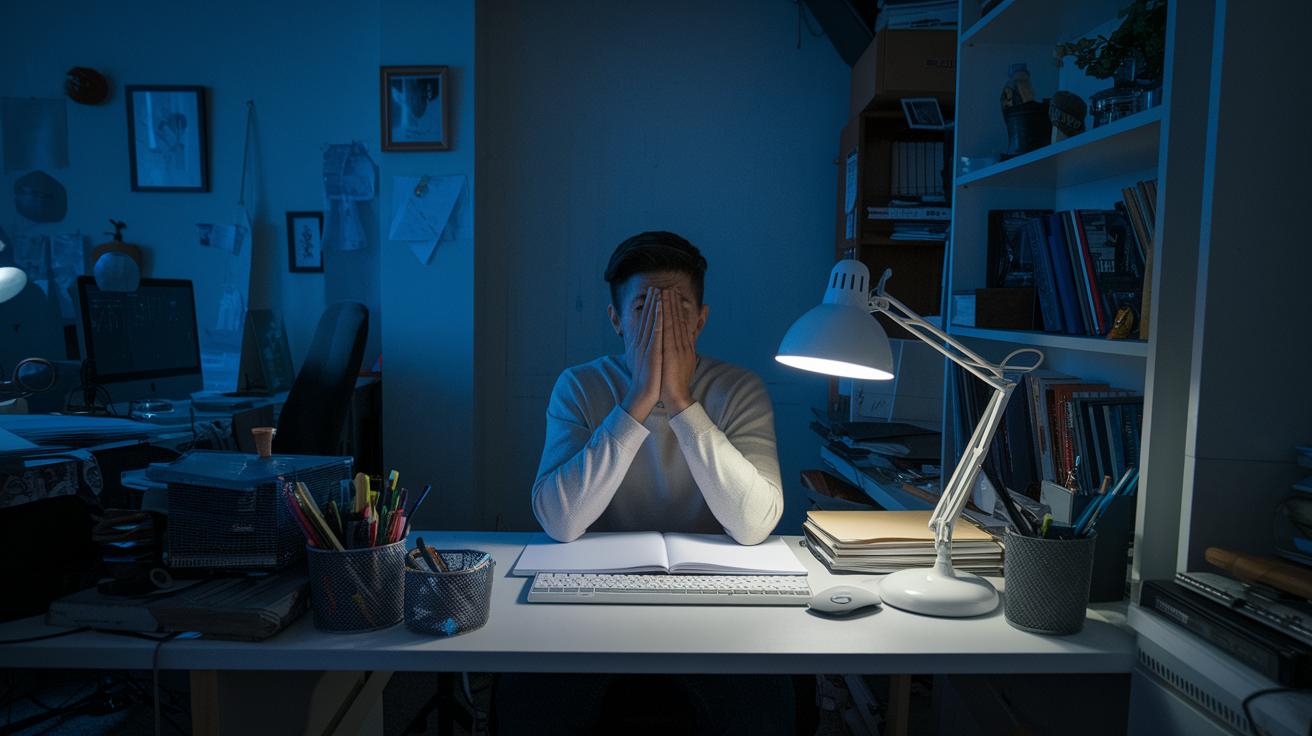
Emotional suppression is when you deliberately ignore your feelings instead of letting them flow. It means you push aside emotions like happiness, sadness, anger, fear, and even disgust on purpose. Sometimes it feels easier to avoid those tough feelings rather than face them head-on, but doing so over time can upset your mental balance. For instance, you might keep a calm look at work while hiding the storm of frustration inside.
On the other hand, repression is different. It happens without you even realizing it, the mind automatically boxes away feelings. Healthy regulation means taking the time to really work through your emotions using thoughtful methods like mindful reflection or acceptance. The big difference here is that suppression is a conscious choice to set feelings aside, whereas real regulation invites you to understand and process what you feel.
Keeping your emotions bottled up can sometimes lead you to blame yourself or even others. Over time, these unaddressed feelings can sneak into your behavior, showing up as perfectionism, overworking, or even relying on substances just to cope. Recognizing whether you're consciously choosing to manage your feelings or unknowingly burying them is a key step in building healthier habits and better overall well-being.
Suppression vs. Repression
Suppression is a clear, conscious decision to avoid certain emotions, while repression happens without your knowledge.
Grasping the difference between these two is an important step toward creating a more balanced and genuine emotional life.
Psychological and Physical Consequences of Emotional Suppression

When you keep your feelings bottled up, both your body and mind pay the price. Over time, stress hormones like cortisol (the hormone our body releases when we're under pressure) stick around and can weaken your immune system while causing aches and pains. Legends like Aristotle and Hippocrates noticed long ago that our emotions affect our health, and modern studies back this up. Those unexpressed feelings can show up as headaches, tight muscles, or even tummy troubles.
The mental toll is just as real. When you don't give your emotions a chance to be heard, it can lead to anxiety, depression, or burnout. Without a pathway to let your feelings out, you might find yourself dealing with flashbacks or unexpected changes in weight. This built-up stress can even push you toward harmful habits like overworking or using substances, creating a cycle where physical pain and emotional strain keep feeding off one another.
- Anxiety
- Depression
- Burnout
- Addictions
- Sleep disturbances
- Gastrointestinal issues
Root Causes of Emotional Suppression

Often, we push our feelings aside to avoid pain, shame, or the worry of being rejected. For example, someone might choose to hide their sadness to escape reminders of a tough loss.
Sometimes, difficult experiences like childhood abuse, major loss, or a painful separation make us think that the best way to stay safe is by locking our emotions away. Imagine a kid who is constantly criticized; as they grow up, they might believe that hiding any sign of vulnerability is the only way to protect themselves from more hurt.
Our family background plays a big role too. If we grow up in a home where sharing feelings wasn't really encouraged, we might learn to keep our thoughts and feelings in check. Picture a child whose emotions were always brushed aside – that child might grow into an adult who chooses silence over sharing, thinking it's safer that way.
Cultural beliefs also add to the puzzle. Many of us are taught from a young age that showing deep emotions is a sign of weakness. This idea can make us bottle things up. For example, someone with constant bouts of anxiety might keep it hidden, fearing that any outward sign will invite judgment, which only deepens the habit of suppressing emotions.
Identifying Hidden Emotions: Signs and Self-Assessment

Sometimes we don’t even notice that we’re keeping our true feelings locked away. Everyday actions and small physical hints can show us that we’re holding back our emotional reactions. You might catch yourself feeling a bit numb or finding that your response to a situation seems stronger than expected. Recognizing these signals can help you become aware of the hidden reserve that might be weighing on your overall well-being.
- Trouble labeling feelings: It can be hard to tell if you’re feeling sad, angry, or anxious.
- Persistent irritability: Even small issues might trigger a strong sense of frustration.
- Social withdrawal: You might start avoiding gatherings or skip out on meaningful connections.
- Overzealous perfectionism: Setting sky-high standards that end up making you overly self-critical.
- Reliance on substances: Relying on alcohol or other habits as a way to cover up uneasy feelings.
- Physical tension: You may notice frequent muscle tightness or unexplained aches.
- Recurring somatic symptoms: Regular headaches, stomachaches, or other vague pains might occur.
A simple 10-question self-assessment can help you see how often you hold back your emotions. This quick questionnaire encourages you to think about your daily patterns and may reveal if you tend to avoid conflict or pull away from your feelings. In truth, understanding these habits can guide you toward a more mindful and healthier way of dealing with your emotions.
Therapeutic Approaches to Alleviate Emotional Suppression

Sometimes our feelings get trapped inside and weigh us down. When emotions are held back, research-backed therapy techniques can help bring them to the surface in a healthy way. These methods use everyday practices like emotional validation exercises (simple ways to confirm that your feelings matter) and progressive muscle relaxation (gradually easing tension in your body) to help your mind process feelings more smoothly.
Many of these approaches come in short sessions or structured online programs that offer quick relief and lasting support. They address not only mood concerns but can also be effective when our struggles with emotions connect to other issues like substance use, creating a well-rounded route to emotional healing.
Here are some trusted methods:
- Cognitive-behavioral therapy: This method encourages you to challenge negative thoughts and nurture a balance of feelings.
- Narrative therapy: This technique helps you reframe your personal story so that you feel more understood.
- Acceptance and commitment therapy: This approach supports you in accepting difficult emotions while also making positive changes.
- Mindfulness-based stress reduction: These practices use simple meditation techniques to calm your mind, imagine easing off the pressures of daily stress with a clear, peaceful focus.
- Dual-diagnosis programs: These integrated treatment plans address both mood issues and substance use to support your overall well-being.
Choosing the right method often comes down to what suits you best. A conversation with a trusted professional can help steer you toward a plan that not only unlocks your emotional expression but also supports your journey towards complete mental wellness. Each step you take is a step toward a more balanced, healthier life.
Have you ever noticed how much better you feel when you finally allow your emotions to be heard?
Self-Help Practices for Releasing Bottled Emotions

When emotions build up inside, it can feel like you’re carrying extra weight. The good news is that there are simple, wallet-friendly ways to let go of stress and tap into a calmer, happier version of yourself. These practices help boost self-awareness, soothe your body, and lift your mood, making it easier to reconnect with who you truly are. Have you ever tried one of these methods and felt a real shift in your day?
- Journaling and expressive writing – Grab a notebook and jot down what you’re thinking and feeling. It’s a great way to clear your head and keep track of the progress you make on your journey to a more balanced mindset.
- Loving-kindness meditation – Try a guided session to nurture compassion for yourself and those around you. This practice gently reminds you to treat yourself as kindly as you treat a good friend.
- Guided imagery – Close your eyes and picture a peaceful scene or relive a happy memory. This mental escape can ease anxiety and bring a sense of relaxation.
- Breathwork exercises – A few rounds of focused breathing can do wonders. Simple techniques help lower stress and create a balanced state of mind.
- Art and music therapy – Let your creativity flow, whether by drawing, painting, or playing music. Expressing yourself artistically is a powerful way to release emotions.
- Peer support – Sometimes talking with a friend, joining a group, or connecting online can bring meaningful support. Sharing your experiences and cheering each other on can make all the difference.
Cultural Influences on Emotional Suppression

In many parts of Asia, community harmony is a top priority, so people often keep their feelings under wraps. The idea of "saving face", or protecting one’s good name, means that showing anger or sadness might upset the balance. Folks usually choose to hide what they truly feel to steer clear of conflict and to preserve the reputation of their family or community. This approach helps everyone get along, even if it means personal emotions sometimes remain unspoken.
On the other hand, many Western societies value speaking openly about emotions. Yet even here, there are unspoken rules. While people are encouraged to share what’s on their mind, traditional ideas about how men and women should behave still linger. For example, men might feel pressured to seem unflappable, while women can be labeled as too emotional. This creates its own set of challenges when it comes to expressing how one really feels.
Long-Term Outlook: Health Implications and Recovery Pathways

When you keep emotions bottled up, it can quietly disrupt your body’s natural healing. Research now shows that holding in your feelings might slowly change the way your body handles stress, blood pressure, and metabolism (how your body turns food into energy). These shifts aren’t as dramatic as a sudden bout of stress, but over time they can really add up.
- Heart strain
- Digestive ups and downs
- Metabolic hiccups
- Emotional burnout
Simple habits like keeping a journal, trying art therapy, or moving your body mindfully can help restore balance. For example, spending 10 minutes each night writing about your day, and even the tiniest emotions, can gradually ease built-up tension and support smoother recovery. Have you ever noticed how a small change makes a big difference?
Final Words
In the action, this article broke down emotional suppression, defining how it differs from repression and healthy regulation. It explored the physical and mental impacts, dug into root causes like past trauma, and offered clear signs to spot when emotions are bottled up. It also presented a variety of therapy techniques and self-help methods, while touching on cultural influences. Embracing these insights can make a real difference in reducing emotional suppression and supporting everyday well-being.
FAQ
What does emotional suppression mean?
Emotional suppression means deliberately putting aside your feelings instead of processing them, which can prevent you from fully experiencing or understanding your true emotions.
How does emotional suppression differ from repression?
Emotional suppression involves a conscious decision to hide feelings, while repression occurs automatically without your awareness, storing emotions out of reach.
What causes emotional suppression and what are its consequences?
Causes include fear of rejection, trauma, and societal pressure, leading to stress, anxiety, and physical issues like headaches, all of which can undermine overall wellness.
Can you provide examples of suppression behavior?
Examples of suppression behavior are avoiding conversations about your feelings or hiding sadness instead of seeking support when you feel overwhelmed.
What happens when you suppress your emotions for too long?
Long-term suppression can increase stress, lead to mental health challenges like anxiety and depression, and even trigger physical symptoms, making emotional processing harder over time.
What are common symptoms of emotional suppression?
Common signs include feeling emotionally numb, irritability, social withdrawal, and sometimes experiencing memory issues or difficulty identifying your true emotions.
How do I suppress my emotions?
While some use distraction or distancing to lessen immediate emotional pain, purposely suppressing feelings over time can be harmful, so consider healthier methods to safely process emotions.
What is a synonym for emotional suppression?
A common synonym for emotional suppression is “emotional inhibition,” which also refers to keeping your feelings under tight control.
Is emotional suppression linked to memory loss?
Yes, emotional suppression can sometimes affect how well you remember emotional events, as the act of blocking emotions may also reduce the clarity of those memories.