
Have you ever wondered if a routine check-up might completely change how you feel about your health? It may sound bold, but catching problems early is like having a secret weapon against serious illness. New approaches such as virtual doctor visits and home health monitoring are making it easier and cheaper to keep an eye on your well-being. They spot issues before they become big problems and simplify the treatment process. This new direction in preventive care fills us with hope for a healthier, more promising future.
Key Developvelopments in Emerging Trends in Preventive Care
When it comes to staying healthy, catching problems early is key. Preventive care is all about keeping an eye on potential issues before they become serious. With regular check-ups, screenings, and vaccinations, we can spot early signs of conditions like diabetes, heart disease, and obesity. For instance, a quick blood pressure check can reveal early hints of heart troubles, giving you the chance to step in and manage the problem before it escalates.
It’s also important to know that chronic conditions can be some of the most expensive health issues out there. Many experts and government programs now see that investing a bit in early detection can save a lot more money in the long run than treating advanced diseases. In simple terms, spending on preventive measures usually costs a lot less than dealing with full-blown illnesses down the line.
Canada’s aging population is another big reason for this shift. With nearly one in four Canadians expected to be seniors by 2030, regular monitoring becomes even more essential. Modern tools like telemedicine, which now handle over 30% of doctor consultations, have made it easier for everyone, especially those in remote areas, to get the care they need. In fact, remote monitoring has led to an impressive 76% drop in hospital readmissions and a 41% decrease in emergency room visits.
| Service | Outcome |
|---|---|
| Remote Monitoring | 76% reduction in readmissions; 41% fewer emergency visits |
All in all, these trends show that smart, early intervention is changing healthcare as we know it. By focusing on early detection and cost-effective strategies, we're paving the way for a healthier future for everyone.
Telemedicine Expansion and Remote Diagnosis in Preventive Care

The COVID-19 crisis pushed virtual visits into the spotlight, making tools like smartphone ECG apps and at-home lab kits essential for keeping an eye on your health. Nowadays, many people can check their vital signs right from home, just tap an app and get an instant read, almost like having a mini check-up in your own living room.
Real-time monitoring devices have proven their worth all over the world, allowing folks to catch health changes early and respond quickly. But there are still some bumps in the road. Some areas struggle with spotty internet, and older adults may need a bit more time to get comfortable with these new tools. Picture using a simple at-home lab kit and feeling a wave of relief when you catch an early health issue before it grows.
Looking ahead, experts see even smarter platforms that tie in remote tracking with artificial intelligence (tech that helps process information faster). These next-generation systems are not only reshaping preventive care but also sparking important discussions on how to best support both patients and healthcare providers as digital health becomes part of everyday life.
Artificial Intelligence and Predictive Analytics within Preventive Care
Artificial intelligence and machine learning are changing how we look after our health. These smart tools work by sorting through large amounts of information like medical histories, genetic profiles, and everyday habits. Imagine them as a detective, piecing together clues from a huge data puzzle so doctors can spot potential issues early on.
At the heart of this system are predictive algorithms. They scan through the data to flag patients who might be at higher risk, giving a heads-up when early care is needed. For example, some machine learning tools look at brain scans, genetic tests, and specific health markers (biomarkers are natural signs that show how your body is doing) to catch early signs of dementia before obvious symptoms appear. This kind of early detection not only improves how accurately the condition is diagnosed, but it also takes some load off busy healthcare teams. Check out Machine Learning Applications in Medical Informatics for a closer look at these innovative risk models.
By turning complex data into clear clinical insights, these smart algorithms make it easier to act fast and keep patients well. Spotting potential health issues early means doctors can step in before problems get serious, bridging the gap between raw data and truly proactive, caring treatment.
Personalized Genomic Strategies Shaping Preventive Care

Genomic breakthroughs and smart data tools are now paving the way for treatment plans built just for you, based on your unique genes and lifestyle. With improved genetic profiling, your doctor can spot health risks early and suggest steps to help you before any real problems start. For example, pharmacogenomic testing (a way to see how your genes handle different medications) can fine-tune your medication dose to cut down on side effects. Take Lisa’s story: after her test, she learned exactly which dose worked best, leaving her with far fewer unwanted reactions.
New biomarker discoveries, like early signs of dementia, are also letting doctors jump in sooner to keep health issues at bay. These tiny signals work like early alarms that help prevent diseases from worsening. At the same time, whole-genome sequencing has taken off, letting experts check hundreds of genes linked to different conditions. This complete picture not only makes diagnoses more accurate but also leads to personalized prevention plans designed just for you.
By mixing gene data with everyday lifestyle factors, health experts now craft precision prevention plans that aim to lower your long-term health risks. Imagine finding out through your genetic report that your heart might need extra care, insteading of waiting for problems to crop up, you can start a special diet and exercise routine right away. This smart blend of genomic insights with everyday care is changing the face of medicine, making healthier choices feel personal and proactive.
Wearable Sensor Innovations Driving Preventive Care Monitoring
Wearable sensors are changing the way we monitor our health every day. Today’s smartwatches and fitness bands can track your heart rate, sleep patterns, activity levels, blood oxygen, ECG readings, and even continuous glucose levels (blood sugar levels measured throughout the day). This real-time information shows you quickly how your daily habits affect your well-being. For example, if you notice a drop in your heart rate variability on stressful days, you might decide to enjoy a relaxing walk outside.
These devices do more than just help you keep track of your personal health. Many companies are now including them in their wellness programs, which has led to a 30% decrease in absences and a 25% reduction in healthcare costs over two years. It’s amazing to see such clear benefits from small tech changes that improve everyday life.
Real-time feedback from these smart gadgets gives you practical tips for better living. They encourage you to make small adjustments daily that can lead to big improvements over time. It’s a blend of technology and wellness that offers hope and a clearer path to a healthier future.
Lifestyle Modification Plans for Enhanced Preventive Care
Lifestyle modification plans now form a key piece of preventive care. They mix simple nutritional tips with evolving exercise routines to help lower the risk of long-term health problems. Many wellness programs now bring together easy-to-follow dietary advice, tailored workout plans, help for quitting smoking, and methods for managing stress. For example, try swapping your usual snack for a handful of almonds to steadily boost your energy; it’s a small change that makes mindful eating easier.
These plans also cover mental health, offering screening and counseling because many people face stress or anxiety at some point. Using stress relief methods like cognitive behavioral techniques (simple practices to change unhelpful thoughts) shows that taking care of your feelings matters. Imagine pausing during a busy day to take five deep breaths, it can clear your mind and help you regain focus.
A steady sleep routine plays a big role too. Good sleep supports your immune system and helps your body refresh naturally. Keeping a regular bedtime and cutting down on screen time before bed are simple habits that can boost your overall well-being.
Lately, more wellness plans are adding regular mindfulness exercises along with physical activity to offer a well-rounded approach. This balanced method supports both the body and the mind, proving to be a smart way to reduce long-term health risks while enhancing everyday life.
Policy and Community Outreach Elevating Preventive Care
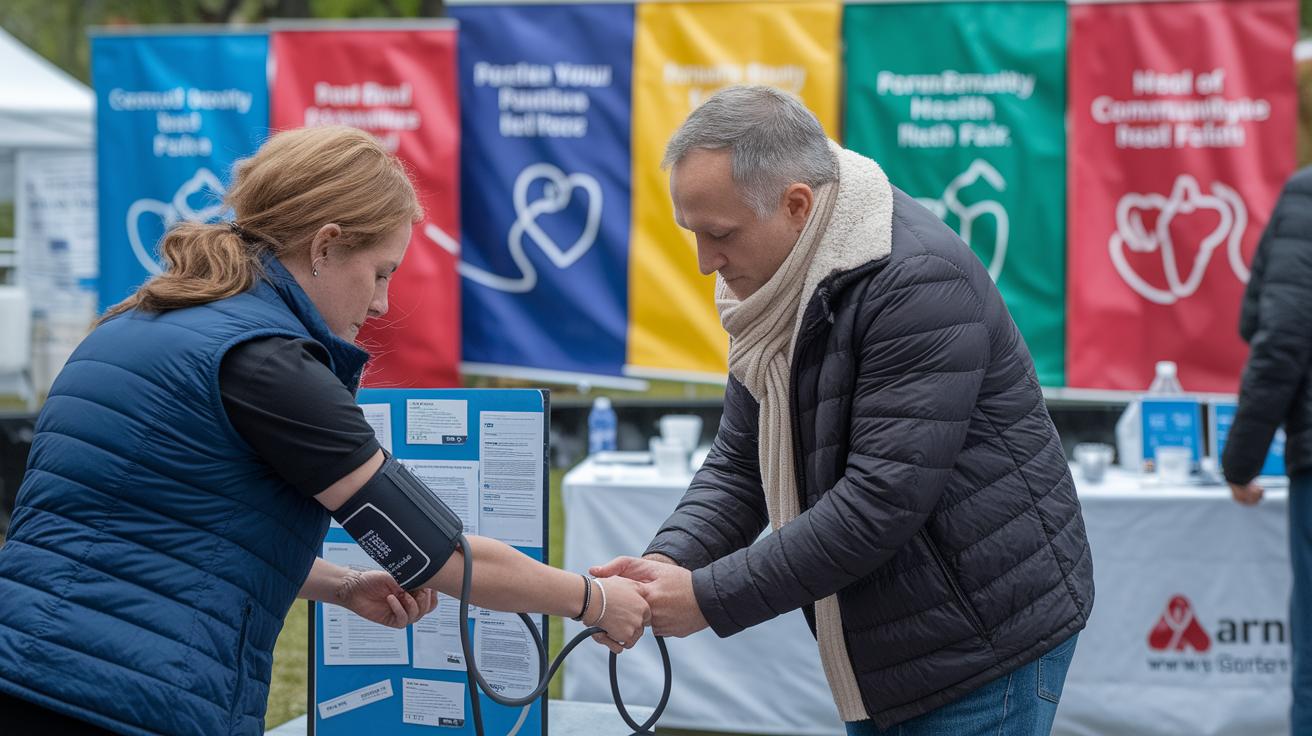
Local policy changes and community projects have made it easier for everyone to get preventive care. Public education efforts and neighborhood screening events help people spot health issues early on. Imagine hosting a neighborhood health fair where residents can get a free blood pressure check and pick up some handy wellness tips.
Small businesses are helping out too by offering Health Spending Accounts (HSAs), which give employees tax-free money to cover preventive services. In fact, HSA use has jumped by 40% over the last five years, supporting a more proactive approach to health at work. Many companies have also rolled out wellness programs with regular health screenings and fitness activities, cutting missed work days by 30% and reducing healthcare costs by 25% in just two years.
Local governments join the effort through immunization drives and sanitation campaigns that boost community health. Picture a vaccination day turned into an interactive session where you can "get your shots and receive a wellness starter kit." All of these initiatives show just how much policy improvements and community outreach can do to spread preventive care at every level.
Future Directions in Preventive Care Innovations
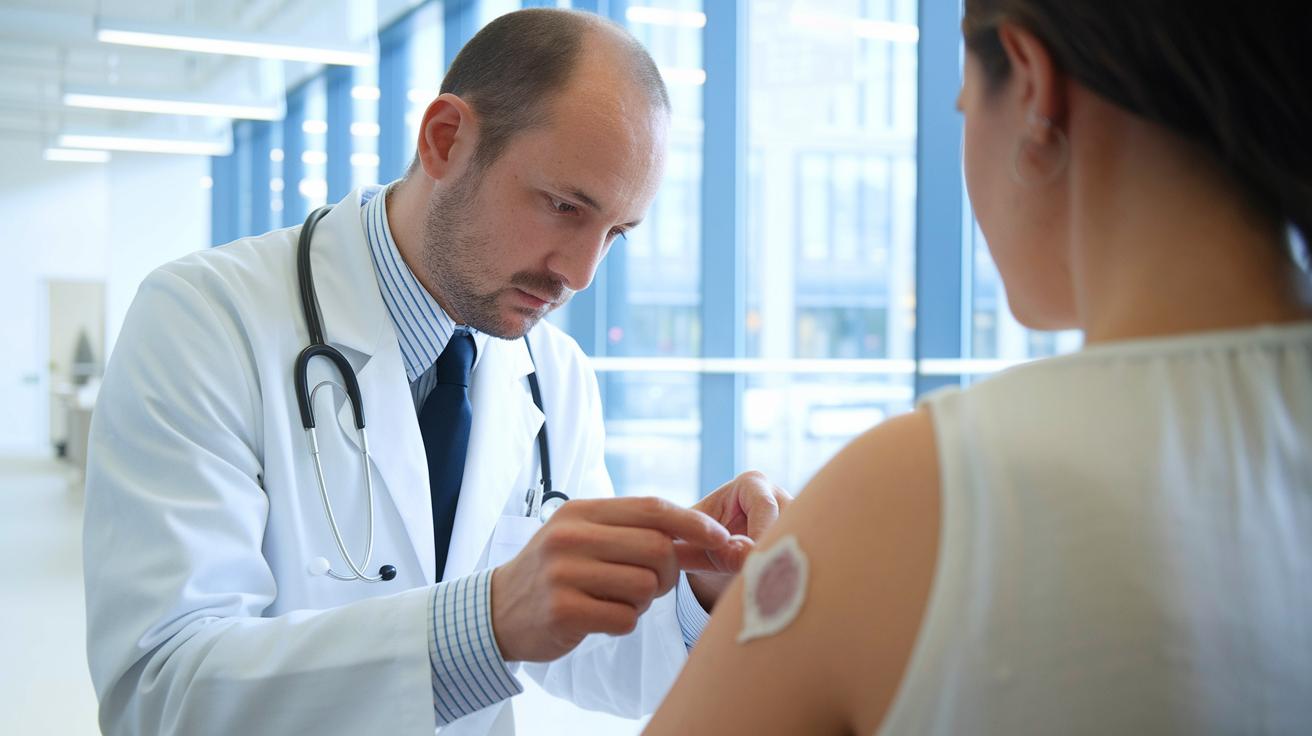
Modern breakthroughs like regenerative medicine and cellular therapies, think stem cells (special cells that can become many cell types) and tissue engineering (growing tissues in a lab), are being explored to prevent chronic conditions before they even start. Imagine your doctor using a tiny patch grown from your own cells to stop a problem early on. It’s like science and nature working together for your benefit.
Integrative healing is also making its mark. This approach blends time-tested treatments with complementary therapies to tackle health issues at their roots. Picture a wellness plan that mixes acupuncture with practical nutritional advice for a balanced boost to your health. If you're curious to learn more, check out Benefits of Holistic Medicine.
Another exciting development is the rise of unified cloud-based health platforms. These systems let doctors, patients, and insurers share health data instantly. Think about your doctor getting real-time updates from your wearable tracker so they can fine-tune treatments on the fly. This seamless flow of information creates richer, more proactive care.
At the same time, emerging digital wellness practices are teaching us to strike a balance between high-tech health monitoring and taking mindful breaks. Imagine taking a daily tech pause to clear your mind and reset. These innovative strategies are reshaping healthcare, making it both connected and wonderfully human.
Final Words
In the action, this article shed light on how early screenings, telemedicine, and smart wearable devices are reshaping preventive care. It touched on AI-driven risk modeling, genetic strategies, lifestyle modifications, and community efforts to make early intervention both effective and affordable. All these insights harmonize to show emerging trends in preventive care that can lead to healthier lives. The whole discussion paints a clear picture of practical steps and innovative tools that can truly make a difference, leaving you feeling inspired and ready to embrace change.
FAQ
Preventive care examples
Preventive care examples include routine check-ups, screenings, immunizations, and wellness visits that help detect conditions early, manage risks like high blood pressure and diabetes, and maintain overall health.
Importance of preventive health care
The importance of preventive health care lies in early detection and prompt action, which helps you avoid advanced diseases, reduce expensive treatments, and support long-term personal wellness.
Preventive care Statistics
Preventive care statistics indicate that early screenings and immunizations lower chronic disease rates, cut emergency visits, and lead to reduced healthcare costs, benefiting both individuals and communities.
Preventive care Guidelines for adults
Preventive care guidelines for adults suggest regular physical exams, recommended screenings, immunizations, and lifestyle assessments that can catch potential health issues before they become serious.
How does preventive care reduce healthcare costs
Preventive care reduces healthcare costs by catching diseases in their early stages, which lessens the need for expensive treatments and hospital stays, ultimately saving money and boosting overall community health.
What is covered under preventive care
What is covered under preventive care typically encompasses routine exams, immunizations, screenings for chronic conditions, and counseling on healthy living to help you stop problems before they start.
Preventive or preventative care
Preventive or preventative care both refer to measures that focus on early detection and avoidance of illnesses through regular check-ups, screenings, and advice to support a healthier lifestyle.
Lack of preventive care in the United States
A lack of preventive care in the United States can lead to higher rates of advanced diseases, increased emergency visits, and rising overall healthcare expenses, all of which strain individual lives and the system.
What are the trends in preventive care?
The trends in preventive care feature a wider use of telemedicine, smarter use of artificial intelligence for early risk detection, personalized genomic approaches, and growing adoption of wearable sensor monitoring.
What are the three emerging trends in healthcare?
The three emerging trends in healthcare involve telehealth with remote patient monitoring, artificial intelligence for predictive risk assessments, and personalized genomic methods that tailor prevention to your unique needs.
Which of the following is a future trend in preventive health?
A future trend in preventive health is the move toward integrating regenerative medicine, personalized genomic profiling, and cloud-based platforms that collectively improve early disease detection and treatment efficiency.
What is the future of preventive medicine?
The future of preventive medicine involves the expanded use of telemedicine, artificial intelligence, and personalized genomic strategies to predict health issues early, lower treatment costs, and transform overall care delivery.