
Have you ever noticed how just a few simple moves can unlock hidden strength? In our 21-day calisthenics program, you only need a basic stopwatch and your body to jumpstart a daily workout routine. We start with easy, foundational exercises that gently guide you into more challenging moves, making it perfect for beginners or even those who already have a workout routine.
Each exercise comes with clear video instructions, so you always know what to do next. Slowly, you'll begin to notice a refreshing burst of energy as you grow fitter and stronger every day. Give it a try and experience firsthand how a simple bodyweight routine can boost your fitness and help you build real strength.
Complete 21-Day Calisthenics Program Overview

This 21-day calisthenics journey is all about building a daily workout habit using just a simple stopwatch. It focuses on using your own body weight to develop strength while boosting both heart-healthy aerobic and quick-burst anaerobic fitness. Whether you’re just starting out or already have a workout routine, you’ll find routines that fit your level. Plus, instructional videos show you exactly how to perform the moves safely and correctly.
| Week | Focus | Key Days (Workout/Recovery) |
|---|---|---|
| Week 1 | Foundation | Days 1–5 workouts; Day 6 active recovery; Day 7 rest |
| Week 2 | Skill Building | Days 8–12 workouts; Day 13 active recovery; Day 14 rest |
| Week 3 | Challenge | Days 15–19 workouts; Day 20 active recovery; Day 21 rest |
Each week of this plan ramps up your training gradually. In Week 1, you’ll focus on setting a stable workout routine and mastering the basics. Then in Week 2, you dive into skill-building exercises that sharpen your form and coordination. Finally, Week 3 takes things up a notch with tougher moves that push your limits, helping you work towards goals like muscle-ups and handstands while keeping a balanced routine for long-term fitness. Enjoy the process and celebrate every small victory along the way!
Calisthenics Program Basics: Warm-up to Cool-down Protocols

Warming up and cooling down are essential parts of any calisthenics workout. A good warm-up gets your muscles and joints ready by boosting blood flow and loosening up any stiffness. Then, cooling down helps your body slowly return to its resting state while easing any tightness in your muscles.
Start your session with dynamic stretches. Picture doing arm circles and leg swings that guide your limbs through full motions and get the main muscle groups active. Adding in some jumping jacks or calf stretches not only raises your heart rate but also readies you for tougher moves ahead. After your workout, switch to static stretches. Hold stretches for your quads, hamstrings, and shoulders for about 5–10 seconds to let your muscles relax and lengthen, easing off any build-up of tension.
By mixing in these lively warm-up moves and calm cool-down stretches, you help lower the chance of injury while boosting your flexibility. This approach keeps your workouts safe and effective while making every session feel balanced and refreshing.
Progressive Calisthenics Movements in Your Program

Beginner Progressions
If you're just starting out, focus on perfecting the basics. Work on push-ups, pull-ups, dips, and chin-ups with clear, correct form. Make sure your hips stay tight in push-ups and avoid letting your body swing in pull-ups. Take it slow and keep every rep clean and controlled. Remember, practicing with proper breathing and alignment builds strong muscle memory and helps stop injuries before they start. For a friendly, step-by-step guide on getting started, check out this resource on strength training for beginners.
Intermediate Progressions
When you feel comfortable with the basics, it's time to mix things up. Add moves like plank shoulder taps, Russian twists, and jumping lunges to boost not only your strength but also your balance and coordination. These exercises bring a fresh challenge that helps improve your overall stamina and stability. Picture it like layering a strong foundation before building something great, each new move strengthens your body for the next step.
Advanced Progressions
Ready for a real challenge? Try more advanced moves like pike push-ups and body-ups. These exercises set the stage for even tougher moves such as muscle-ups and the human flag. At this level, break down each advanced move into smaller, manageable parts, and focus on the details of your form. Embrace the process by setting small goals and celebrating each bit of progress. With a steady pace and attention to every detail, you'll push your limits safely while building strength, balance, and technique.
Strength and Skill Challenges in the Calisthenics Program

Pushing your limits with cool skill moves not only boosts your strength but also sharpens your body control. Exercises like muscle-ups, handstands, and even the human flag get several muscles working together. This mix of moves boosts your core stability and helps sculpt your upper body, turning plain strength into everyday functional power.
When you’re working on a muscle-up or nailing a handstand, break the moves into simple steps that build your confidence bit by bit. Start by practicing a pull up to chest height or doing wall drill holds that mimic a muscle-up. Then, work on your balance with small changes in your routine and slow, controlled movements. Every repetition feels like a step forward in mastering these tougher moves.
For exercises like the human flag, L-sit, and pistol squat, keep your core engaged and your balance firm. Try drills like 40 jumping jacks, 15 burpees, 40 Russian twists (a twist that targets your stomach muscles), 30 plank shoulder taps, and 15 supermans to sharpen your skills. Each drill not only builds lower body endurance but also ramps up upper body power, making every workout feel more dynamic and fun.
Integrating Cardio and Mobility in the Calisthenics Program

Before you jump into your calisthenics routine, warm up with a quick burst of cardio. Simple exercises like jumping jacks or burpees get your heart pumping and oxygen flowing. A short 10 to 15-minute warm-up, as many find effective (check out examples at https://healthlystats.com?p=1770), helps your muscles and joints prepare, making your strength moves smoother and more effective.
On active recovery days, focus on keeping your body flexible and easing any tension. Try mobility routines like dynamic hip openers and shoulder dislocates to gently move your joints through their full range of motion. These exercises boost your flexibility and help reduce soreness, leaving you feeling balanced and refreshed.
Nutrition and Recovery Strategies for Calisthenics Programs

Eating a balanced diet paired with enough rest can transform your calisthenics routine. Think of it like this: when you fuel your body with whole foods that offer the right mix of proteins, carbohydrates, and fats, you set the stage for a powerful workout and speedy muscle repair. It’s like giving your body the building blocks it needs to not only perform but also recover well after exercising.
A refreshing meal filled with natural nutrients keeps your energy steady throughout your training. And when you stick to a regular schedule for hydration and sleep, you allow your muscles time to heal and grow stronger. Trust me, treating every meal and rest day as an important part of your routine can spark growth and even help with sustainable fat loss.
Here are some key pointers to keep in mind:
- Post-workout protein and carb timing – Enjoy a mix of protein and carbs right after your workout to help your muscles bounce back.
- Daily hydration targets – Drinking enough water is essential for keeping your cells happy and active.
- Sleep scheduling – A consistent sleep routine gives your body the downtime it needs to repair itself.
- Active rest strategies – Incorporate light stretches or gentle movements on your rest days to keep your body limber.
- Balanced macro distribution – A well-rounded diet that covers all your nutritional bases helps maintain your strength.
- Supplement basics – Sometimes a little extra boost can make a big difference in your recovery.
Each piece of this plan works together to create a cycle of improvement. You refuel your muscles, keep your body hydrated, and ensure you’re getting the rest needed for muscle recovery. Every meal and every rest day is a step toward building lasting strength and endurance, making every rep a meaningful move towards long-term fitness gains.
Tracking Progress in Your Calisthenics Program
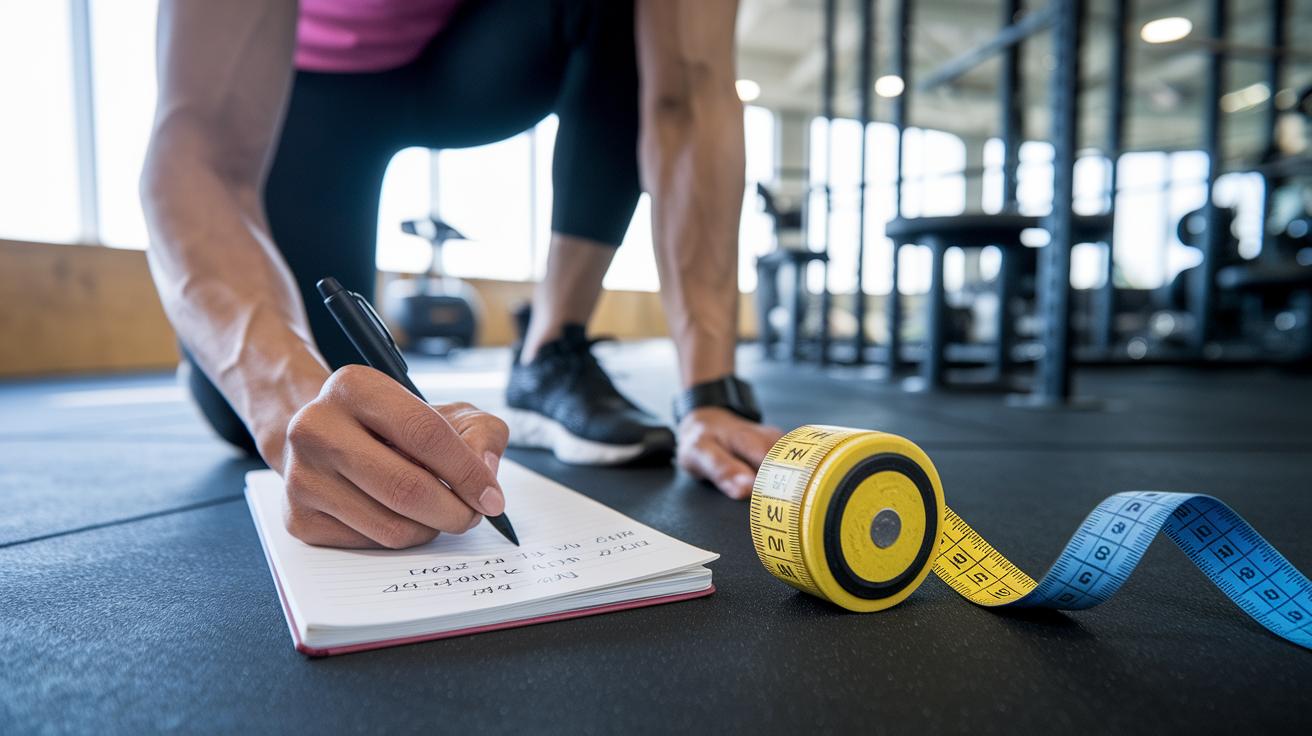
Keeping track of your progress is one of the best ways to see how far you've come and spot exactly where you might need a bit more focus. When you write down your reps, sets, and body measurements, you create a clear picture of your improvements. This simple habit makes every workout feel intentional and keeps you motivated for the long haul. Imagine noticing that your pull-ups are steadily increasing, from just a few at the start to double what you could do before, and feeling that rush of excitement with each session. It’s like you’re running your own little experiment, where every rep tells a story.
| Tool/Method | Feature |
|---|---|
| Rep Log Sheets | track daily sets and reps |
| Body Metrics Journal | record weight and measurements |
| Video Review App | compare form over time |
| Feedback Feature | in-app shake-to-submit form checks |
By using the details from these tools, you can fine-tune your workouts to fit your current needs. Keep an eye on your progress and tweak the intensity or frequency of your sessions based on what you learn. This regular adjustment ensures your training stays both challenging and achievable, helping you steadily climb to better performance and more confidence in every move you make.
Adapting and Scaling Your Calisthenics Program

Your workout routine should evolve just like you do. As you get stronger and master more skills, it makes sense to change up your exercises. By switching things up, you keep your training fun and in tune with your growing abilities.
When you want to push yourself harder, try changing your body position during moves. You might even want to play with the speed of your exercises, for instance, go slow when lowering yourself and speed up on the push. You could also add a quick pause at the bottom of a push-up. These small tweaks not only ramp up the challenge but also give your muscles a fresh way to work.
It also helps to plan how you move from one phase of your training to the next. Think of your program like a six-month journey that starts easy and slowly gets more challenging. Adjust your rest times, rep counts, and exercise speeds as you go. This steady, thoughtful approach turns tiny changes into lasting improvements in your fitness and strength.
Common Form Mistakes and Correction Tips for Calisthenics Programs

When you’re doing calisthenics, little mistakes can hold you back and even lead to injuries. One common error is letting your elbows stick out during push-ups. Instead, tuck them in to bring your core into the exercise.
Another frequent issue happens with pull-ups: swinging too much. This not only makes your workout less effective, but it also means you aren’t building as much strength as you could by using controlled, deliberate movements. And if you find your hips dipping during planks, you might be missing out on activating the right muscles for strong core support.
Wrist pain can also pop up when your wrists are bent or strained during exercises. This can limit your range of motion and cause discomfort. To help fix these problems, focus on maintaining a straight line by keeping your elbows tucked, moving slowly and controlledly during pull-ups, and practicing drills that keep your core engaged during planks.
I also recommend adding wrist mobilization exercises both before and after your workouts. These simple steps help make your wrists stronger and more flexible.
By paying attention to these details, you set yourself up for more effective workouts and reduce the risk of injury. Have you ever noticed how a small tweak in form can make a big difference? Give these tips a try and enjoy the confident feeling of getting each rep right!
Final Words
In the action, this article laid out a clear 21-day calisthenics program that builds daily habits with minimal equipment. The plan covers everything from no-equipment workouts to proper warm-up and cool-down routines and guides you through beginner to advanced moves. You got insights on nutrition, recovery, and tracking your gains while learning to perfect your form. Each segment boosts your strength and endurance. Embrace the challenge and enjoy the benefits of your calisthenics program with a smile!
FAQ
Q: Where can I find a free calisthenics program in PDF format?
A: The free calisthenics program search means accessing no-cost, downloadable workout plans. Many online fitness communities offer PDF versions that guide you through structured, equipment-free routines.
Q: What should a beginner calisthenics program include?
A: The beginner calisthenics program and the 30-day workout plan for beginners focus on mastering basic movements and building daily workout habits. These routines help you progress at a steady pace while improving strength.
Q: What does a 7-day calisthenics program look like?
A: The 7-day calisthenics program offers a short-term schedule that mixes intensive workout days with active recovery. It’s ideal for jumpstarting your routine and gauging your fitness level early on.
Q: What insights does Reddit offer about calisthenics programs?
A: The calisthenics program discussion on Reddit reflects community experiences and tips. Users share firsthand advice on reliable routines, making it easier to choose a program that fits your needs.
Q: How do I identify the best calisthenics program?
A: The best calisthenics program is one that matches your fitness level, offers progressive moves, and covers strength and endurance. Reviews and expert-backed advice guide you toward a plan that works best for you.
Q: What is the 80/20 rule in calisthenics?
A: The 80/20 rule in calisthenics means dedicating roughly 80% of your workout time to basic, foundational moves and 20% to skill-based or challenging exercises, ensuring balanced training.
Q: Can I build muscle using only calisthenics?
A: The possibility to build muscle with only calisthenics lies in consistently challenging your muscles with bodyweight exercises. Progressive overload and varied routines help increase muscle tone over time.
Q: Is 20 minutes of calisthenics each day sufficient?
A: Twenty minutes of daily calisthenics can build a solid fitness habit and improve general strength, though more time or intensity may be required for significant muscle growth or endurance gains.
Q: Can I really get ripped with just calisthenics?
A: The idea of getting ripped with just calisthenics is realistic if your workouts include high-intensity exercises and progressive challenges, paired with a balanced diet that supports muscle definition.