
Have you ever noticed that a tiny shift in your thinking can change everything? Positive psychology, the study of what makes life fulfilling, shows that celebrating small wins every day can really boost your mood and pave the way to lasting happiness.
Imagine the refreshing feeling you get from a brisk walk on a sunny morning. This article will show you how paying attention to these everyday victories can empower your mind and help create a more balanced, satisfying life.
Defining Positive Psychology and Well-Being Science

Positive psychology is all about exploring what makes life feel truly rewarding. Instead of simply fixing problems, it focuses on boosting our strengths, growing personally, and setting meaningful goals. It’s like choosing small, uplifting habits every day that brighten your mood and support your overall health.
Well-being science builds on that idea by guiding us toward a balanced, flourishing life. It shows how everyday routines, like a brisk walk that leaves you feeling refreshed, can be tweaked to bring more joy and fulfillment into our days. Researchers use simple, practical methods that anyone can try, making positive living feel both easy and achievable.
At its core, this approach is about noticing what you do well, celebrating little wins, and feeling more positive every day. For instance, taking a moment each morning to recognize one personal success can boost your confidence and remind you of your inner strength. In this way, regularly choosing positivity can help create a healthier and more satisfying life.
Theoretical Foundations of Positive Psychology
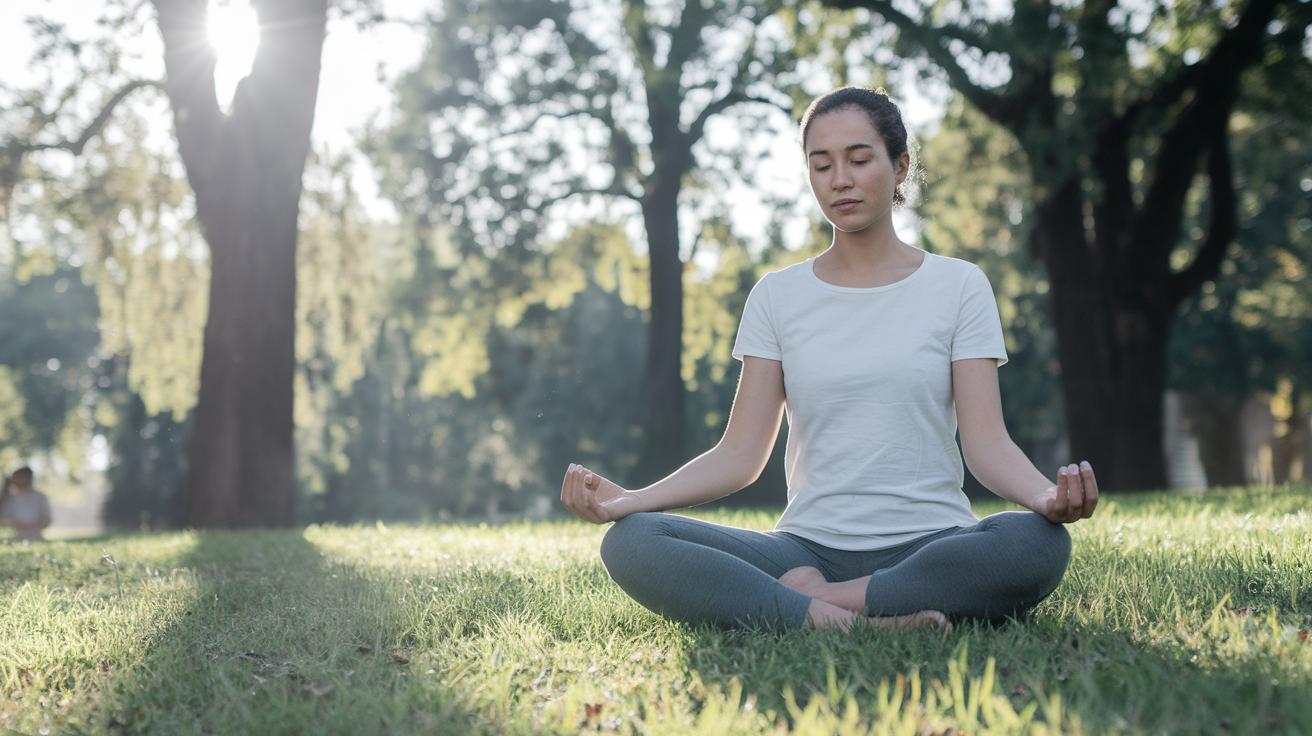
Martin Seligman introduced his Authentic Happiness Model in 1998. He showed us that positive emotion, engagement, and meaning are the building blocks of a joyful life. Instead of only fixing problems, he encouraged us to find and nurture the moments that make us truly happy every day. It reminds me a bit of Aristotle’s idea of eudaimonia, a way of living that centers on virtue and purpose. Think about the glow you feel when you master a new skill or achieve a personal goal. That inner light comes from using our strengths and living with intention.
Mihaly Csikszentmihalyi brought another cool idea to the mix with his Flow Theory. Flow happens when you’re so into what you’re doing that time seems to pause and everything just clicks. Picture an athlete in the zone, fully absorbed in their performance with clear goals, deep focus, and immediate feedback guiding every step. This state of flow not only ramps up performance but also fills you with profound satisfaction and a sense of self-discovery. Have you ever experienced that perfect moment where you’re completely present? It’s proof that being fully engaged can bring some of life’s best rewards.
| Theory | Founder | Key Concepts |
|---|---|---|
| Authentic Happiness | Martin Seligman | Positive emotion, engagement, meaning |
| Flow Theory | Mihaly Csikszentmihalyi | Clear goals, concentration, feedback |
| Eudaimonia | Aristotle | Virtue, purpose, flourishing |
Research Methods and Assessment in Positive Psychology

In positive psychology, researchers often use simple rating scales like the Subjective Happiness Scale (SHS) and the Satisfaction With Life Scale (SWLS) to understand how happy someone feels. These tools ask clear questions about your overall mood and satisfaction, making it easy to see how emotions shape daily life. Experts trust these measures because they've been thoroughly tested and proven to reflect real feelings.
Scientists also conduct experiments, such as randomized controlled trials, a method where participants are randomly assigned to different groups, to test ideas about boosting well-being. They also speak with people directly through interviews to gather personal stories and everyday experiences. This blend of methods gives a richer picture of how various strategies can lift mood and improve life satisfaction in different settings.
Many online self-tests let you explore traits like being introverted or extroverted, perfectionism, ADHD, or depression. These easy-to-use tests provide personalized feedback on your emotional health and personality. By checking in regularly, you can spot meaningful changes, noticing how small adjustments in your daily habits lead to a brighter, more fulfilling mood.
positive psychology: Empowering Mind and Life

Positive psychology shows us simple, everyday exercises that can boost our mental strength and happiness. Instead of just trying to survive stress, these techniques help you actively feel better. Research backs them up, for example, writing down what you're thankful for a few times a week can lift your mood, and a short mindfulness program might even ease stress noticeably.
Think of these exercises as little moments of care. Imagine taking a quick break to jot down something that made you smile or spending a minute to see a challenge in a brighter way. Whether you're noting your gratitude, reframing a negative thought, or simply pausing for mindfulness, each practice helps you recognize the good around you.
It’s all about weaving these habits into your life in a way that feels natural. A fresh start might be a few peaceful minutes in the morning or a short mindfulness break during a hectic day. And if you're curious, you could even try blending these with techniques like self-compassion meditation to nurture both your mind and heart.
Every small step counts. With a few minutes a day, you can build lasting habits that reduce stress and brighten your outlook, truly empowering both your mind and your life.
Applications of Positive Psychology Across Contexts

Workplace well-being programs are really making a difference. Some companies have seen a 20% jump in how engaged their employees feel. They now take short mindfulness breaks and give feedback based on each person's strengths. Just think about getting a quick high-five for a small win in the morning or feeling truly inspired while working with your team. These simple changes help people feel important, energized, and ready to tackle whatever comes their way during the day.
Schools are joining in too. Many have added resilience programs that teach kids how to handle stress and work together better. Research shows these efforts can boost students’ coping skills by 18%. In classrooms, teachers use fun, interactive lessons to spotlight personal strengths and celebrate little victories. This makes learning feel more enjoyable and builds confidence in young minds.
Life coaching and leadership training also show amazing results. When people focus on their best traits, life satisfaction can increase by 25%. Leaders who give regular, uplifting feedback have even seen team spirit rise by 15%. Whether it’s a one-on-one session or a group workshop, these techniques fit nicely into daily routines. If you’re curious to learn more about boosting your well-being, check out some friendly tips at https://nobrainertrends.com?p=151.
Final Words
In the action of examining positive psychology, this piece outlined key ideas and research that support our well-being. The post defined positive psychology, compared its modern strengths to older methods, and broke down essential theories like flow and eudaimonia. It also highlighted smart ways to measure happiness and shared practical exercises you can try at home or work.
Every insight brings us closer to a balanced life. Embrace these steps with a smile, knowing that positive psychology opens up everyday paths to feel better and live well.
FAQ
What is the concept of positive psychology?
The concept of positive psychology studies what makes life most worth living by focusing on strengths, personal growth, and goal setting rather than solely treating illness.
Who is the founder of positive psychology and how did he define it?
The positive psychology founder, Martin Seligman, defined it as the scientific study of positive emotions, engagement, and meaning, shifting focus from just problems to building strengths for a fulfilling life.
What positive psychology resources are available, like books, PDFs, courses, and degrees?
Positive psychology resources include books and PDFs that explain its key ideas, as well as courses and degree programs that offer structured learning on well-being science and strength-based practices.
What are the key principles and the 3 P’s of positive psychology?
The key principles include building strengths, nurturing growth, fostering positive emotions, setting goals, and boosting confidence. The 3 P’s of positive psychology often refer to positive emotions, personal growth, and purposeful living.
What criticisms have been raised about positive psychology?
Criticisms of positive psychology suggest it may overlook deeper emotional challenges and social factors by focusing mainly on positive experiences, prompting ongoing discussion about its comprehensive role in mental health.