
Have you ever wondered if your everyday routine is missing a little trick to keep your teeth strong? A preventive care dentist does more than just clean your teeth. They spot early signs of trouble and help you avoid big, costly fixes later on.
By offering quick exams and treatments like professional cleanings and dental sealants (protective coatings that keep your teeth safe), your smile can stay bright and healthy.
In this post, we’ll explore these easy, science-backed steps so you can enjoy a healthier smile today.
Understanding Preventive Care Dentist Services
If you want to keep your smile bright for life, a preventive care dentist offers a range of services to help you do just that. Even if you brush and floss regularly, tartar can still build up. A professional cleaning every six months not only gives your teeth a polish but also stops more serious issues from developing.
During your visit, your dentist will check your mouth through a combination of a visual exam, gentle probing, and sometimes X-rays. These routine checks help them see how healthy your jawbone is and catch any hidden issues before they get worse. For example, a bitewing X-ray might uncover a tiny cavity that isn’t visible during a regular check, so you can fix it early.
Another helpful service is the use of dental sealants. These nearly invisible coatings are carefully applied to the biting surfaces of your molars. They act as a barrier against bacteria that cause cavities, making them a smart extra defense for both kids and adults, especially in those hard-to-reach spots.
Oral cancer screenings are a vital part of keeping your mouth healthy, too. During these exams, your dentist takes a close look at your lips, tongue, and throat to spot any unusual changes. Catching these signs early can make a big difference if treatment becomes necessary.
And if you’re active in high-impact sports, a custom sports mouthguard is a smart addition. It’s made to fit your mouth perfectly and guard your teeth during football, boxing, or any other contact sport.
Role of Diagnostic Exams in Preventive Care Dentistry
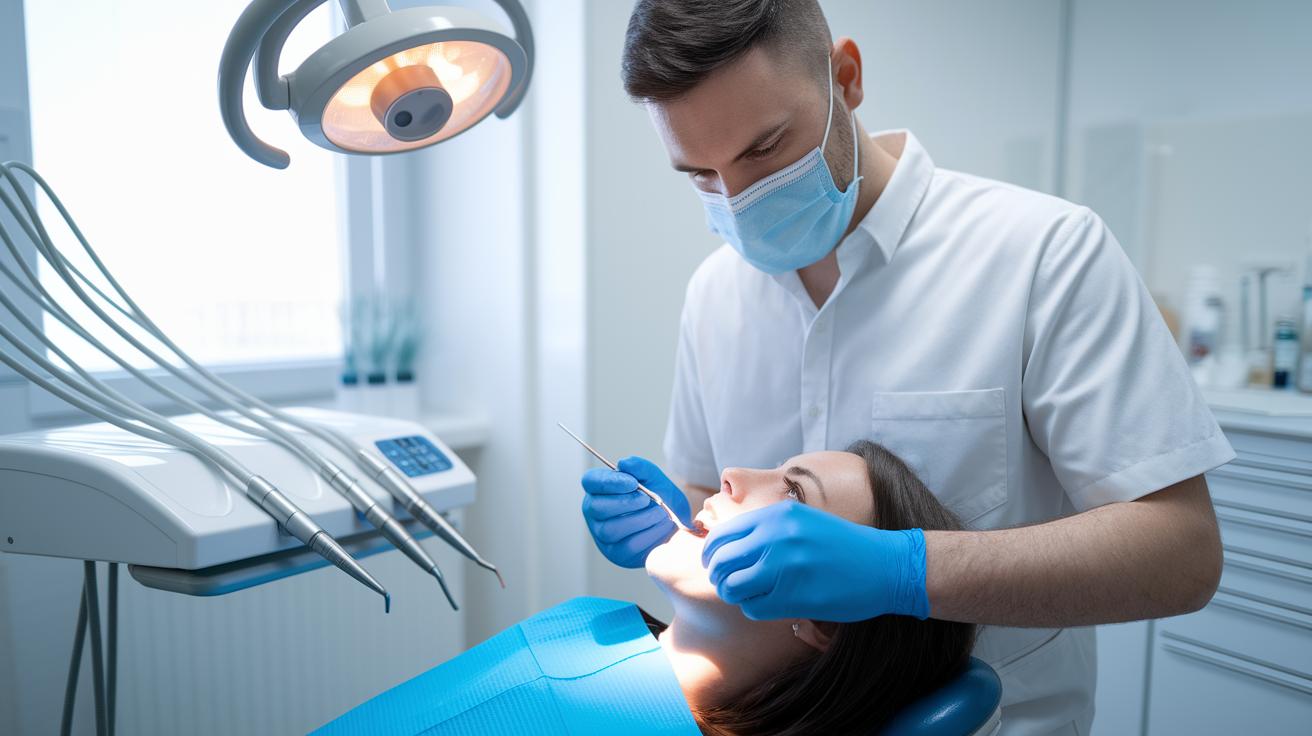
A diagnostic tooth exam looks at your mouth in a thoughtful way. It uses simple visual checks, examines your gums, and gently feels the tissues to spot even small differences in firmness. For example, a dentist might mention, "I felt a slight firmness difference that could signal early gum inflammation."
Bitewing and panoramic X-rays add a deeper layer to this process. They help uncover issues like hidden cavities, bone loss, or root problems that a basic visual check might miss. Imagine an X-ray capturing a tiny cavity between teeth that went unnoticed during the initial exam.
An oral cancer screening completes the evaluation by carefully inspecting your lips, tongue, and throat. Including these tests in your routine checkup means small changes can be caught early, which often helps you avoid more invasive treatments later.
Professional Teeth Cleaning and Cost Insights from a Preventive Care Dentist
Getting your teeth professionally cleaned does more than just boost your smile. Dentists work carefully by scaling both above and below your gumline, polishing your teeth, and flossing between each one to get rid of stubborn tartar. This complete cleaning helps stop cavities and gum disease before they start. A dentist might explain, "After cleaning your teeth, I polish them so they stay smooth and less welcoming to plaque."
For most adults, a cleaning session usually costs between $75 and $200. Kids’ cleanings tend to be about 20% less expensive, making it a great way to set up healthy oral habits from the start. And if your dentist offers a fluoride treatment (a special gel that strengthens your tooth enamel), it might add another $15 to $50 per visit. This extra step can really help protect your teeth from decay.
Most people get their teeth cleaned twice a year, and many insurance plans even cover 80–100% of these preventive visits. This makes it easier to budget while keeping your smile bright and healthy.
| Service | Typical Cost Range | Recommended Frequency |
|---|---|---|
| Professional Cleaning | $75–$200 | Twice a year |
| Children’s Cleaning | $60–$160 | Twice a year |
| Fluoride Treatment | $15–$50 | With each cleaning |
Dental Sealants and Fluoride Treatments by a Preventive Care Dentist
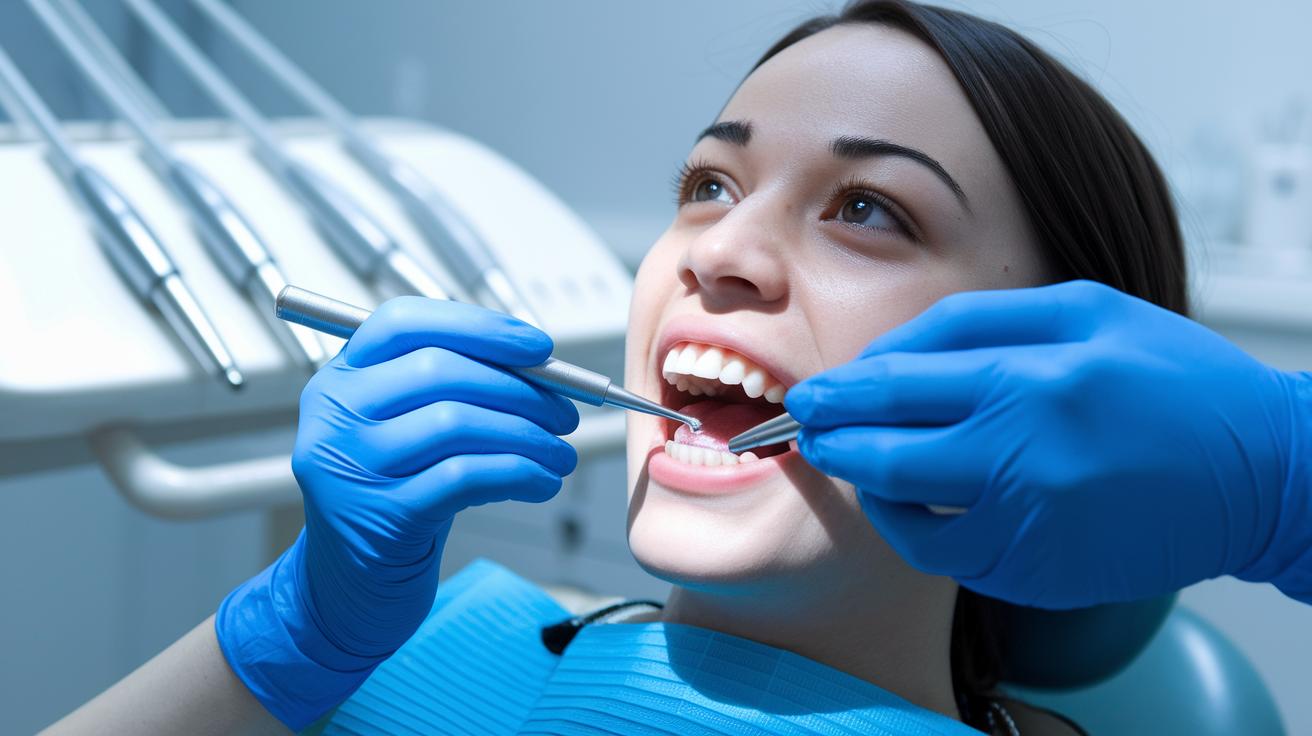
Have you ever wondered how your dentist helps guard your teeth against pesky cavities? Dental sealants work like a snug, clear coat that fits right into the grooves of your molars, protecting them from bacteria that cause decay. First, your dentist cleans your tooth carefully. Then a special resin is applied that hardens quickly under a light, forming a shield that keeps food and plaque away. Studies show sealants can reduce cavities by up to 80% in the first two years. They’re a smart choice for both kids and adults since they cover those tricky spots that brushing and flossing might miss. Many dentists love seeing fewer cavities after using sealants!
Dental Sealants
This simple, painless process is all about creating a durable barrier on your teeth. The liquid resin flows into the tiniest crevices of your molars, blocking out harmful particles. Even though sealants are often linked to children’s dental care, adults with deep grooves in their teeth can benefit a lot too. It’s like giving your teeth an extra layer of defense that works silently every day.
Fluoride Treatments
Fluoride treatments are another powerful tool for a healthy smile. Here, your dentist applies fluoride, usually as a varnish or gel, that helps strengthen your enamel (the hard, outer layer that safeguards your teeth). When fluoride bonds with your enamel, it makes it tougher against acids produced by bacteria. This treatment is especially useful for those at higher risk of cavities and is typically done every six months. With this care, you can enjoy a brighter, healthier smile that feels as strong as it looks.
Home Oral Hygiene Recommendations from Your Preventive Care Dentist
If you want to keep your smile shining, start with a few simple steps at home. A solid oral care routine helps protect your teeth and supports your overall well-being. Here are some easy, science-backed tips you can use every day:
- Brush your teeth twice a day with fluoride toothpaste for at least two minutes. Picture starting your morning with a fresh, minty burst that not only cleans away plaque but also strengthens your enamel.
- Floss every day to sweep away plaque and bits of food stuck between your teeth.
- Rinse with an antimicrobial mouthwash after you brush and floss to help keep harmful bacteria in check.
- Keep your diet low in sugar and acidic foods to protect your enamel and lower the chance of cavities.
- Replace your toothbrush or brush head every three months or after you’ve been sick so you’re always using a clean, effective tool.
Give these friendly tips a try, and enjoy a healthier mouth and a brighter smile every day!
Scheduling and Insurance Guidance for Preventive Care Dentist Visits
Getting your twice-yearly dental checkup is a simple step that helps keep your smile bright. Many offices let you book online or give a quick call, so you can easily fit it into your busy schedule. Checking your insurance beforehand is smart, too, most preventive services are covered almost entirely. Just be sure your dentist is in your network and review any annual limits.
Try to plan your appointment around the time your insurance benefits renew. This little trick often helps maximize your coverage and keeps your out-of-pocket costs lower.
If you don’t have insurance, there are still plenty of budget-friendly ways to get care. Community health centers and local clinics often offer exams at a reduced cost or on a sliding scale. Membership plans for regular cleanings and checkups can also be a great option to keep your dental care affordable.
Setting a reminder for your checkups is a small step that ensures you never miss a visit. A bit of planning now can catch issues early and help your smile stay as healthy as ever.
Advantages of Regular Visits to a Preventive Care Dentist
Regular dental check-ups do more than keep your smile bright, they help catch early signs of cavities and gum issues before they turn into big, expensive problems. These visits include gentle exams and professional cleanings that can even lower inflammation (swelling that may affect your overall health) and build a closer trust between you and your dentist.
Think of it like a car tune-up: a routine cleaning spots small issues early, saving you from the headache and cost of future repairs.
Final Words
In the action of taking charge of your smile, you’ve seen how routine exams, cleanings, sealants, and home care all work together to support a healthy mouth. Each step, from a comprehensive diagnostic exam to tips for proper brushing and flossing, builds on the benefits a preventive care dentist offers. These practical tips can help you avoid bigger dental issues and keep your oral health on track. Embrace these habits and enjoy the benefits of a brighter, healthier smile every day.
FAQ
What is included in the list of preventive dental services?
The list includes cleanings, exams, X-rays, dental sealants, fluoride treatments, and oral cancer screenings designed to detect and protect your smile early.
What does preventive dental care coverage mean?
Preventive dental care coverage means your insurance often pays for cleanings, exams, X-rays, sealants, and fluoride treatments, which help catch issues early and save on future costs.
How much does preventive dental care cost?
Preventive dental care cost usually covers cleanings priced between $75–$200, with additional fees for fluoride treatments; many plans cover 80–100% of these costs.
What type of dentist offers preventive dental care?
A preventive care dentist specializes in routine checkups, cleanings, sealants, and early screenings, ensuring that you maintain a healthy smile through regular visits.
What preventive services does Aetna dental provide?
Aetna dental often covers preventive services such as cleanings, X-rays, sealants, and fluoride treatments, easing your worry about out-of-pocket expenses while keeping your smile healthy.
Are fillings considered preventive care?
Fillings are considered restorative, not preventive, because they repair decay rather than stopping it from occurring in the first place.
Is deep cleaning considered preventive care?
Deep cleaning is not typical preventive care; instead, it treats early signs of gum disease by cleaning below the gumline.
What is meant by a preventive dentistry PDF?
A preventive dentistry PDF is a document that outlines various services like cleanings, exams, and sealants, providing an overview of early dental care strategies.
What is a preventive care dental program?
A preventive care dental program is a structured plan that schedules regular checkups, cleanings, and exams to catch potential dental issues before they escalate.
What is preventive care in dentistry?
Preventive care in dentistry includes routine cleanings, exams, X-rays, and treatments like sealants and fluoride to help keep your mouth healthy and avoid major dental problems.
Is a dentist appointment considered preventive care?
A dentist appointment is considered preventive care when it focuses on routine cleanings and exams aimed at spotting issues early.
What exactly is covered in preventive care?
Preventive care covers professional cleanings, thorough examinations, X-rays, sealants, fluoride treatments, and advice on keeping your oral habits strong.