
Have you ever thought that a few simple changes could boost your everyday energy? Strong glutes do more than just shape your backside, they power everyday moves like walking, squatting, and running. Think of them as the engine that keeps your hips steady and your body in line. Today, we’re sharing easy strength training tips that target these muscles while also improving balance and cutting down your risk of injury. Ready to try a workout that leaves you feeling both powerful and fit?
Strength Training for Glutes: Feel Strong & Fit

Your glutes, made up of the gluteus maximus, medius, and minimus (the main muscles in your backside), do more than just shape your rear view. They help power everyday moves like walking, running, and squatting by keeping your hips steady and your body properly aligned. When these muscles are strong, everyday activities feel easier and more controlled. If you're just getting started, you might want to check out a beginner’s guide for strength training.
A good workout plan suggests doing 3 sets of about 8 to 12 repetitions using roughly 60 to 80 percent of the maximum weight you can lift once. This range helps grow your muscles without overloading your body. And don’t forget, gradually increasing the weight or resistance keeps your muscles challenged so you continue to get stronger.
Here are some great benefits you can expect:
| Benefit | Description |
|---|---|
| Hip Stability | Makes your movements smoother and well-controlled. |
| Functional Movement | Helps you move more naturally in daily life. |
| Injury Prevention | Reduces your risk of injury during activities. |
| Lower-Body Power | Boosts strength for actions like lifting and sprinting. |
| Better Posture | Supports a naturally upright and balanced stance. |
Isn’t it amazing how a focused routine can make you feel so much stronger and more energized? Give it a try and feel the difference for yourself!
Understanding Glute Anatomy and Function
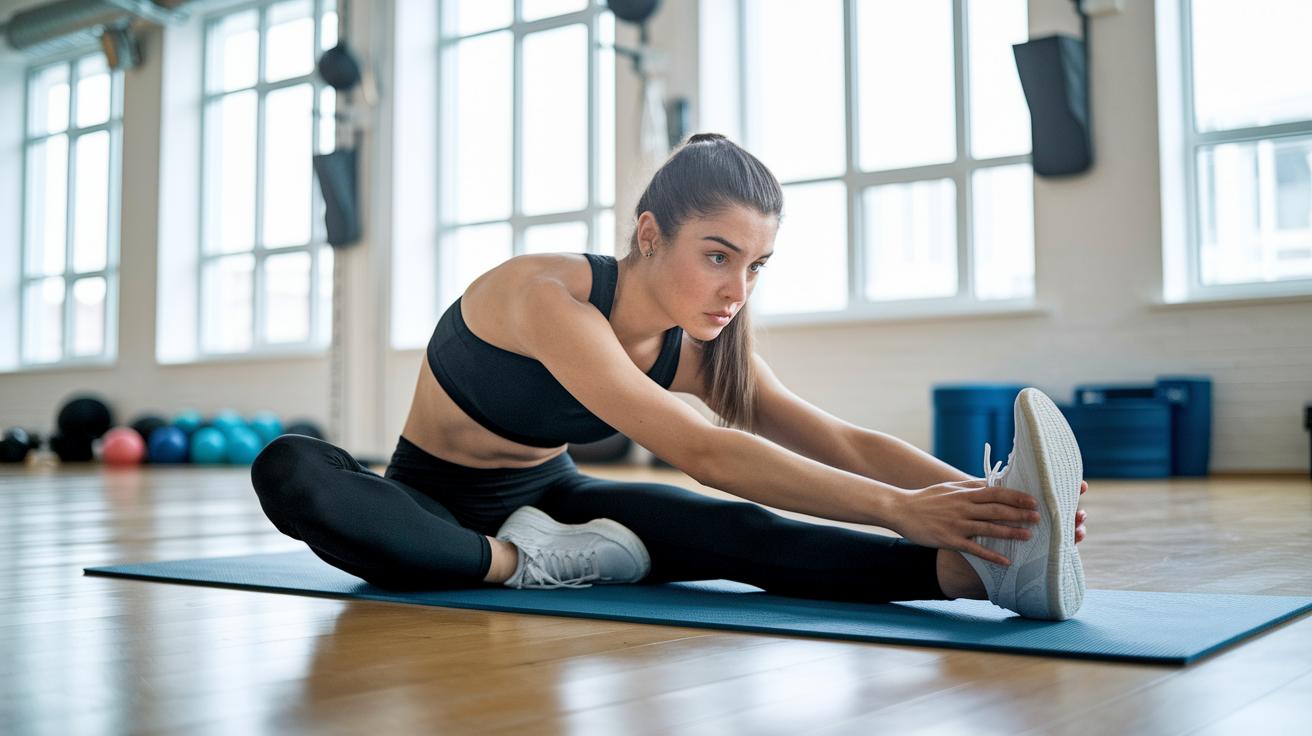
The gluteus maximus is one of your body's powerhouses. It helps you extend your hips and rotate them outward when you stand up or climb stairs. In simple terms, think of it as the engine behind those quick, strong moves that keep you steady when lifting heavy things.
Your gluteus medius and minimus act like natural stabilizers. They work by moving your leg away from the center line, which keeps your pelvis even when you walk or step to the side. This steadying role is key for smooth one-legged actions. When these muscles work well, they spread out the force evenly, easing the pressure on your lower back and helping you maintain good posture. Simple tests can spot differences between your sides, hinting that it might be time to focus on exercises that fine-tune each muscle.
If these muscles are weak, you might start to feel lower back pain, suffer from tight hamstrings, or run into issues with your hips. By working on each glute muscle with targeted moves, you can reduce these risks and enjoy a more stable, pain-free movement every day.
Activation Drills and Warm-Up for Glute Engagement

Start by waking up your glutes with these three simple activation drills. They help get your muscles ready before you dive into your main workout.
First, try clamshells. Lie on your side with your legs stacked and knees bent at about 45 degrees. Keep your feet together and slowly lift your top knee. This movement wakes up your gluteus medius (a key hip stabilizer). Do 2 sets of 15 reps on each side. Imagine opening a book slowly, feeling the gentle resistance in your hip with every movement.
Next up, lateral band walks. Loop a resistance band around your ankles. With a slight bend in your knees and your hips kept steady, step sideways. Take 10 steps in one direction, then turn around and take 10 steps back. Complete 2 sets. Visualize how your pelvic muscles work steadily to keep you balanced and supported with each step.
Then, do single-leg deadlifts. Stand on one leg with a small bend in your knee. You can use a light kettlebell or just your body weight. Hinge forward at your hip, keeping your back straight, until you feel a mild stretch along your back muscles and glutes. Try 2 sets of 12 reps per leg. Focus on your balance and imagine engaging every muscle along your lower back and glute area.
This targeted warm-up primes your muscles, helps reduce the risk of injury, and makes sure your glutes are all set to work hard during your workout.
Top Strength Exercises and Routines for Glute Development

Working on your glutes can be both fun and super rewarding. Mixing up your routine with the right moves helps build muscle, boosts stability, and gives you that extra power. Here are six effective exercises to help you strengthen your glute area:
• Barbell Hip Thrusts: Do 3 sets of 8–12 reps with a moderate weight to work your gluteus maximus (the biggest muscle in your butt). Sit with your upper back on a bench, keep your feet flat, and push your hips up. If you’re just starting out, try using only your body weight before adding dumbbells or a barbell for extra resistance. For extra tips on load adjustments, you might want to explore some resistance training ideas.
• Back Squats: Use about 65–75% of your one-rep max (that’s the most weight you can lift one time) and focus on a deep, steady descent. This helps engage both your glutes and your quads (the muscles on the front of your thighs). Keep your core tight and your back straight. Beginning with lighter weights or even bodyweight squats is a great way to build strength safely.
• Romanian Deadlifts: This exercise is all about a slow, controlled lowering movement that hits your hamstrings (the muscles at the back of your legs) and glutes. Aim for 3 sets of 8–12 reps using dumbbells or a barbell. Keep a slight bend in your knees and a flat back throughout the lift to maintain good form.
• Bulgarian Split Squats: Try 3 sets of 8 reps per side. With one foot resting on a bench behind you, lower yourself by bending your front knee while keeping your upper body upright. Beginners often start using just their body weight, and then add weights once they feel more secure.
• Glute Bridge: Lie on your back and place a dumbbell or resistance band around your hips. Perform 3 sets of 15 reps by lifting your hips until your body forms a straight line, and really squeeze your glutes at the top. It’s a simple move that gives you a powerful burn.
• Front Squat: Although the front squat mainly works your quads, it also recruits your glutes thanks to the upright posture it demands. Start with lighter weights to nail your form before increasing the load and challenge yourself further.
Designing Your Glute Training Program: Sets, Reps, and Progression

It’s time to set up a glute workout that feels both challenging and rewarding. Aim to have two sessions each week that really target your glutes, or simply include a few focused exercises within your overall routine. When you find yourself easily completing 12 reps with your current weight, try bumping it up by 5 to 10 percent. This gradual increase keeps your muscles guessing and growing while helping you avoid feeling stuck. A simple training log can be a great buddy here, it lets you track your weights and reps so you can see real progress.
- Frequency: Try to carve out at least two sessions a week just for your glutes. On days you’re already working out, you might squeeze in a few glute activation moves for an extra lift.
- Load Selection: Pick weights that let you do 8 to 12 reps with clean form. If you find 12 reps too easy, that’s your hint to increase the weight by 5 to 10 percent.
- Volume Targets: Think about doing around 3 sets for each exercise. This rep range is just right to encourage muscle growth and strength without overdoing it.
- Progression Checkpoints: Keep an eye on how you’re doing. When you hit that 12-rep mark consistently, it’s a clear sign that you’re ready for a bit more challenge.
- Logging: Jot down the details of your workouts, the weights, sets, and reps. This little diary not only shows you how far you’ve come but helps you figure out when it’s time to step it up.
Sometimes, switching up your routine keeps things exciting. For example, you could alternate between a heavy block with 4 to 6 reps one week and a hypertrophy block featuring 8 to 12 reps the next. This mix helps boost both power and muscle size while keeping your workout program flexible and fun.
Recovery Strategies and Nutrition for Glute Growth

After a heavy glute workout, giving your body some love is key. Start with foam rolling to gently ease any tight spots in your glutes and ease into static stretches that help the muscles relax and extend. Try doing PNF contract-relax stretches, firmly contract your glute muscles and then let go for about 30 seconds on each side. This simple technique boosts blood flow, reduces soreness, and gets your muscles ready for the next session.
- Protein: Aim for 0.8 to 1 gram per pound of body weight to help rebuild muscle fibers.
- Carbohydrate Timing: Enjoy quality carbs right after your workout to quickly refill your energy stores.
- Hydration: Keep yourself well-hydrated all day long to speed up recovery.
- Micronutrients: A balanced mix of vitamins and minerals supports cell repair and overall muscle health.
Make sure you get plenty of rest, aiming for 7 to 9 hours of sleep each night, and carve out moments of downtime during busy days. This steady approach to recovery not only helps you build strength but also maximizes the benefits of your glute workouts. Rest well and feel the difference in your strength and energy!
Final Words
In the action, the post shows how targeting glute strength builds better balance and power. We broke down glute anatomy, activation drills, and exercise routines to boost overall strength. You saw clear steps for planning workouts and recovery, with tips on form, rep ranges, and load progression. This guide makes strength training for glutes accessible and practical. Keep it up and enjoy feeling stronger every day, small changes can make a big difference!
FAQ
Q: What do effective at-home glute exercises for females look like?
A: Effective at-home glute exercises include squats, lunges, bridges, clamshells, and lateral band walks that activate and build strength in your glute muscles, improving stability and mobility.
Q: What are the best gym-based glute exercises and machines?
A: Gym-based glute exercises involve moves such as barbell hip thrusts, back squats, and using cable machines or leg press systems to target and strengthen your glutes effectively.
Q: How can females grow their glutes with exercise and food?
A: Growing glutes combines targeted strength exercises like hip thrusts with a nutrition plan that emphasizes protein-rich foods to support muscle repair and build, leading to noticeable improvements.
Q: Where can I get a glute building workout plan PDF?
A: A glute building workout plan PDF provides a detailed routine with clear instructions on sets, reps, and progression, designed to help you steadily develop stronger, more powerful glutes.
Q: What is the best glute strengthening exercise?
A: Many experts consider barbell hip thrusts the best glute strengthening exercise because they directly target the gluteus maximus while engaging surrounding muscles for balanced development.
Q: How does strength training help glutes grow?
A: Strength training causes micro-tears in the muscle fibers, and with proper recovery, these fibers repair and grow stronger, resulting in increased glute size, power, and improved overall stability.
Q: What does the 8 8 8 rule for glutes mean?
A: The 8 8 8 rule suggests performing three sets of eight repetitions, which serves as a simple structure for glute workouts that focus on consistent resistance and muscle building.
Q: What are common symptoms of weak glutes?
A: Weak glutes can lead to lower back pain, knee discomfort, poor posture, reduced hip stability, and challenges during movements like running or squatting, signaling the need for targeted training.