
Have you ever thought that feeling good might start with caring for your body, emotions, and relationships all at once? Recent studies reveal that nurturing these three areas can lower stress and boost your energy levels.
In this post, you'll find real-life examples of mixing simple everyday practices like meditation (a calming technique that helps clear your mind) and nutritious eating tips (healthy foods that fuel your body) to improve your overall well-being.
If you’ve seen how little changes add up to big benefits, then you'll enjoy discovering how a balanced approach can truly uplift every part of you.
Real-World Holistic Health Examples That Integrate Body, Mind, and Spirit
Holistic health is all about caring for your entire self, body, mind, emotions, social connections, and spirit. Instead of just treating symptoms, this approach digs deeper to find the root causes of imbalances. It blends common medical practices with alternative therapies to build a care plan that fits you perfectly. By looking at wellness from every angle, experts help you find lasting balance. If you're curious, check out What is Holistic Medicine to see how this thoughtful method makes a real difference.
Imagine booking a functional medicine appointment that also offers mindfulness coaching. In one story, a patient gets detailed lab tests that reveal subtle imbalances and then learns easy meditation techniques to calm the mind. This simple combination helps soothe both the body and the spirit. In another case, a person visits an integrative pain clinic where acupuncture and nutrition advice work side by side to ease chronic pain. Picture leaving an acupuncture session feeling physically relaxed and emotionally lifted after receiving personalized tips for a balanced diet.
Whole-person care brings many wonderful benefits. People often share that they feel less stressed, more energetic, and more balanced overall. By addressing both the surface symptoms and the deeper issues, this approach sees you as a whole person rather than just a set of problems. Personalized care plans might include emotional support, practical nutrition advice, and physical therapies that all work together to boost your health. In doing so, you not only find relief but also create healthy routines that build resilience, improve mental clarity, and bring lasting, positive changes to everyday life.
Nutritional Holistic Health Examples for Balanced Living

Mindful nutrition means caring for your whole self, body, mind, and spirit, through the foods you eat. Every meal is a chance to boost your physical energy and lift your mood. By blending traditional eating tips with ideas like the ayurvedic diet (an approach that matches food choices to your unique body type), you can craft meals that feel just right for you.
Here are a few simple tips:
- Choose seasonal whole foods that mirror nature’s rhythms.
- Add spices and herbs known to balance your dosha (elements that influence your body's energy).
- Include fermented foods like yogurt or sauerkraut to support a healthy gut.
- Opt for natural sweeteners and whole grains that offer lasting energy.
- Build meals around vibrant vegetables and lean proteins for steady nutrient release.
Take a moment to notice how different foods make you feel. Whether you jot down your observations or chat with a health expert, you'll learn which combinations leave you feeling refreshed and balanced. Over time, these mindful choices can turn meal planning into a soothing practice that nourishes every part of you.
Holistic Fitness Regimens: Physical Activities as Health Examples
Movement is like a natural medicine. When you add a bit of mindful exercise into your day, you boost your body's strength and give your mind and emotions a well-needed lift. Mixing activities like yoga, strength training, and light cardio creates a routine that feels both refreshing and effective.
• Sunrise yoga for stress relief: Start your morning with gentle stretches and deep, calm breathing. This simple practice helps melt away tension and sets a peaceful tone for your day.
• HIIT with breath-focus intervals: Try short, energetic bursts of exercise paired with mindful breathing. This combo sparks a burst of energy while keeping your mind clear and centered.
• Forest bathing walks: Take a slow, thoughtful walk outdoors, enjoying the fresh air and natural beauty around you. This mindful stroll helps you unwind and find balance.
Remember, your fitness routine should feel personal. Tailor your exercises to match your energy and interests, making sure every workout fits your unique health journey.
Mind–Body Practices and Stress Management Holistic Health Examples
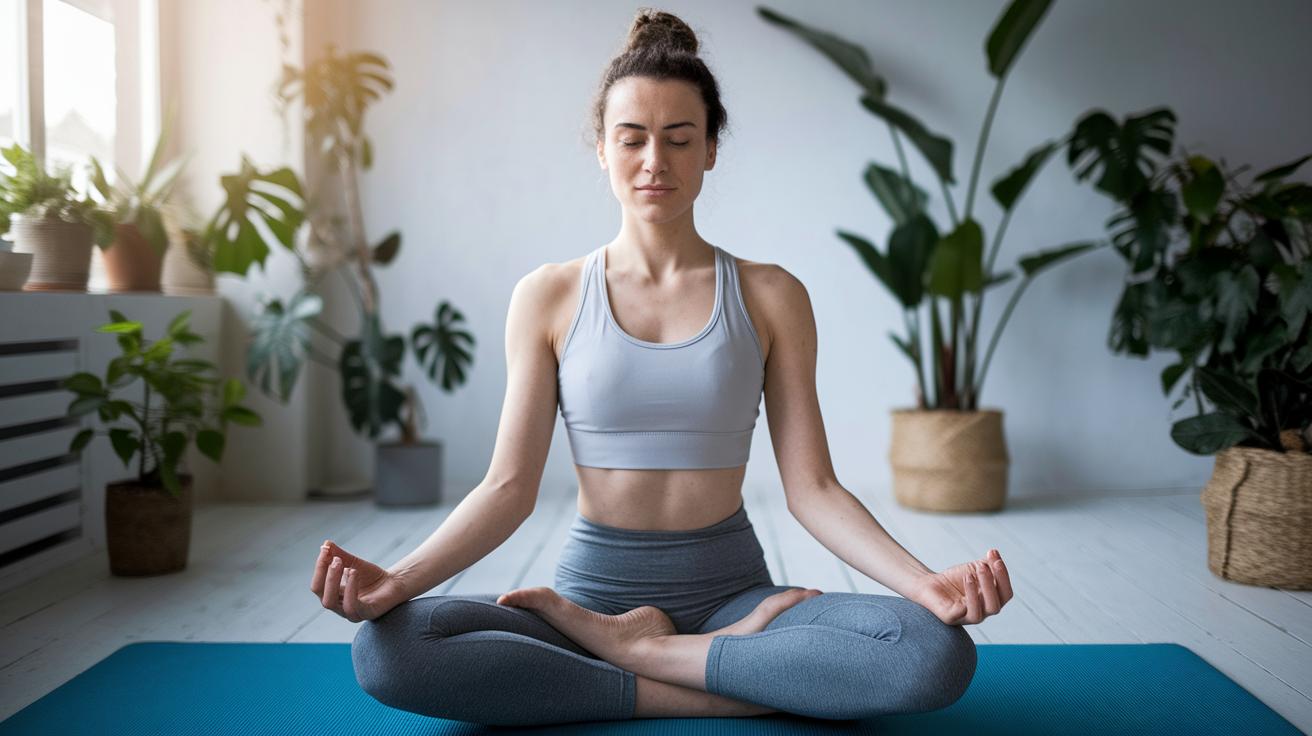
Keeping your emotions balanced is super important for enjoying each day. Blending mindful practices with light movement builds a gentle, steady foundation for feeling good overall. Insights on how your mind and body connect can clear away those nagging anxious thoughts, while small mindful breaks give your mood a refreshing boost. Even a few minutes of these practices can bring more peace and focus to your life.
- Box breathing: Inhale slowly for four seconds, hold that breath for four seconds, then exhale for four seconds. Repeat this several times to feel more relaxed.
- Progressive muscle relaxation: Starting at your head and moving down, tense each muscle group for a few seconds, then let it relax deeply. This simple trick helps release built-up tension.
- Guided visualization: Close your eyes and picture a serene, peaceful scene. Let the details of the landscape wrap around you, easing your busy thoughts.
- Journaling prompts: Write down your feelings and thoughts. This process can help you make sense of your emotions and start the day on a positive note.
Adding these techniques to your daily routine can create real moments of calm. Even a brief, focused session works wonders for lifting your spirits and helping you tackle everyday challenges with a clearer, stronger mindset.
Alternative Therapies and Holistic Health Examples for Complementary Care
Alternative therapies can really boost the way we care for our whole selves. They mix everyday medical treatments with practices that treat your body, feelings, and mind all at once. For example, acupuncture, herbal tincture consults, massage therapy, and aromatherapy do more than ease physical pain, they can help lift your mood too. These methods work by tackling the root of your discomfort rather than just covering up the symptoms, which means your healing can feel more complete and natural.
| Therapy Type | Benefit | Typical Session Length |
|---|---|---|
| Acupuncture | Pain relief and energy balance | 30-60 minutes |
| Herbal Tincture Consult | Customized herbal support | 45 minutes |
| Therapeutic Massage | Muscle relaxation and stress reduction | 60 minutes |
| Aromatherapy | Mood enhancement and relaxation | 30 minutes |
When choosing a practitioner, it’s a good idea to find someone with solid certifications or a degree in alternative therapies. A skilled therapist will blend trusted scientific insights with a personal touch to ensure you’re treated safely and kindly. Whether it’s a focused massage or a natural topical treatment like holistic skincare, these experts tailor their care to what you really need. In short, leaning on qualified professionals means you’re embracing a way of healing that looks after every part of you.
Crafting a Comprehensive Holistic Health Plan with Example Templates

Imagine having a clear, visual blueprint of your overall wellness, from building physical strength to nurturing inner peace. By blending both Western insights and Eastern practices, you can easily develop a balanced plan that fits right in with both outpatient and residential care programs while weaving in different therapies. With this simple structure, you can adjust your plan to meet every part of your health in a way that's both practical and approachable.
- Start by taking note of your daily habits. Write down your routines, stress triggers, and what you eat to get a clear picture of where you stand.
- Next, choose SMART goals for key areas like physical health, mental clarity, emotional balance, social connections, and spiritual well-being.
- Set aside time each week to plan meals that include plenty of whole, natural foods.
- Add in daily mindfulness moments, whether it's a short meditation or a calm walk, to help keep stress at bay.
- Finally, arrange monthly check-ins with a trusted health professional who can help review your progress and suggest tweaks when needed.
Keeping track of your progress not only highlights your improvements but also shows you where small changes can make a big difference, keeping you on track toward a well-rounded, vibrant life.
Final Words
In the action, we saw how a mix of nutrition tips, mindful fitness, stress management techniques, and alternative therapies create a full picture of whole-person care. We highlighted practical methods like seasonal whole foods, sunrise yoga, and guided breathwork, all blended to boost well-being. These holistic health examples help bring all aspects of life into balance and inspire everyday wellness practices. Enjoy putting these ideas into play for a brighter, healthier tomorrow.
FAQ
Q: What is holistic health?
A: The definition of holistic health refers to addressing your whole self—physical, mental, emotional, social, and spiritual aspects—to support overall well-being, rather than treating symptoms in isolation.
Q: What are the components and examples of holistic healthcare?
A: The components of holistic healthcare include physical, mental, emotional, social, and spiritual well-being. Examples include acupuncture, nutritional counseling, mindfulness coaching, and therapeutic massage that treat the root causes, not just the symptoms.
Q: What is holistic therapy and what does it include?
A: The meaning of holistic therapy covers practices that blend both traditional and alternative approaches, such as herbal remedies, guided meditation, and acupuncture, all designed to support you from body to mind and spirit.
Q: How do you practice holistic health?
A: The practice of holistic health involves integrating balanced nutrition, regular exercise, stress-reduction techniques, and mindful spiritual or emotional care into your daily routine to cultivate overall wellness.
Q: What is considered the most popular holistic therapy?
A: The idea behind popular holistic therapy often points to massage and acupuncture, as many people choose these methods to relieve stress and improve overall balance in a natural, integrative way.
Q: Where can I find resources like holistic health presentations and articles?
A: The availability of holistic health presentations and articles means you can often find well-structured PowerPoints and expert-backed articles online that explain holistic approaches and provide practical tips for whole-person care.