
Have you ever felt like your body could use a natural lift? Holistic herbal protocols might be just what you need to feel more vibrant and energetic. These approaches mix carefully chosen herbal remedies with nutritional boosters and gentle care to keep your wellness balanced.
Every plan works a little differently – it’s tailored to match your body’s unique needs. This fresh, natural approach to health care might even help ease everyday discomforts like minor aches or digestion issues.
Imagine enjoying a refreshing burst of energy after a simple change in your routine. Let’s dive into how these natural solutions can brighten your daily health.
Understanding Holistic Herbal Protocols: A Comprehensive Overview

Holistic herbal protocols are all about using natural remedies that match each person’s unique health journey. They’re created to help with issues like autoimmune troubles, tummy troubles, hormonal ups and downs, chronic aches, and even emotional bumps. This approach mixes time-honored herbal treatments, organic nutritional boosts, and gentle bodywork focused on your muscles and connective tissues to promote overall well-being.
These protocols are not one-size-fits-all. What might work wonderfully for one person might not be the best choice for another. For instance, someone with digestive issues might find relief in a specially blended herbal tea, while another person might see better results with carefully chosen nutritional supplements. It’s worth remembering that these natural approaches are meant to enhance your daily well-being, they are not meant to replace advice from your healthcare provider.
This method builds a balanced care plan using a few key elements that work together naturally. Here’s a quick look at the five main components:
| Component | Description |
|---|---|
| Herbal Therapy | Tinctures, teas, and capsules made from natural plant extracts |
| Nutritional Supplementation | Organic vitamins and minerals to support your body |
| Gentle Fascia Techniques | Soft bodywork aimed at enhancing mobility and easing tension |
| Personalized Consultations | Tailored advice that takes your unique needs into account |
| Safety and Follow-Up | Guidelines to ensure your care plan stays safe and effective |
When these elements work together, they create a supportive routine that can address your specific symptoms naturally, much like how an Ayurvedic diet uses plant-based methods to promote balance. Have you ever found that a small change in your routine makes a big difference? That’s the power of these personalized, natural strategies.
By understanding how holistic herbal protocols work and tailoring them to your own needs, you can move towards a more vibrant, healthful future. Not only do they blend trusted natural remedies into your everyday life, but they also empower you to take charge of your overall well-being.
Core Components of Holistic Herbal Protocols: Integrative Plant Remedies Explained
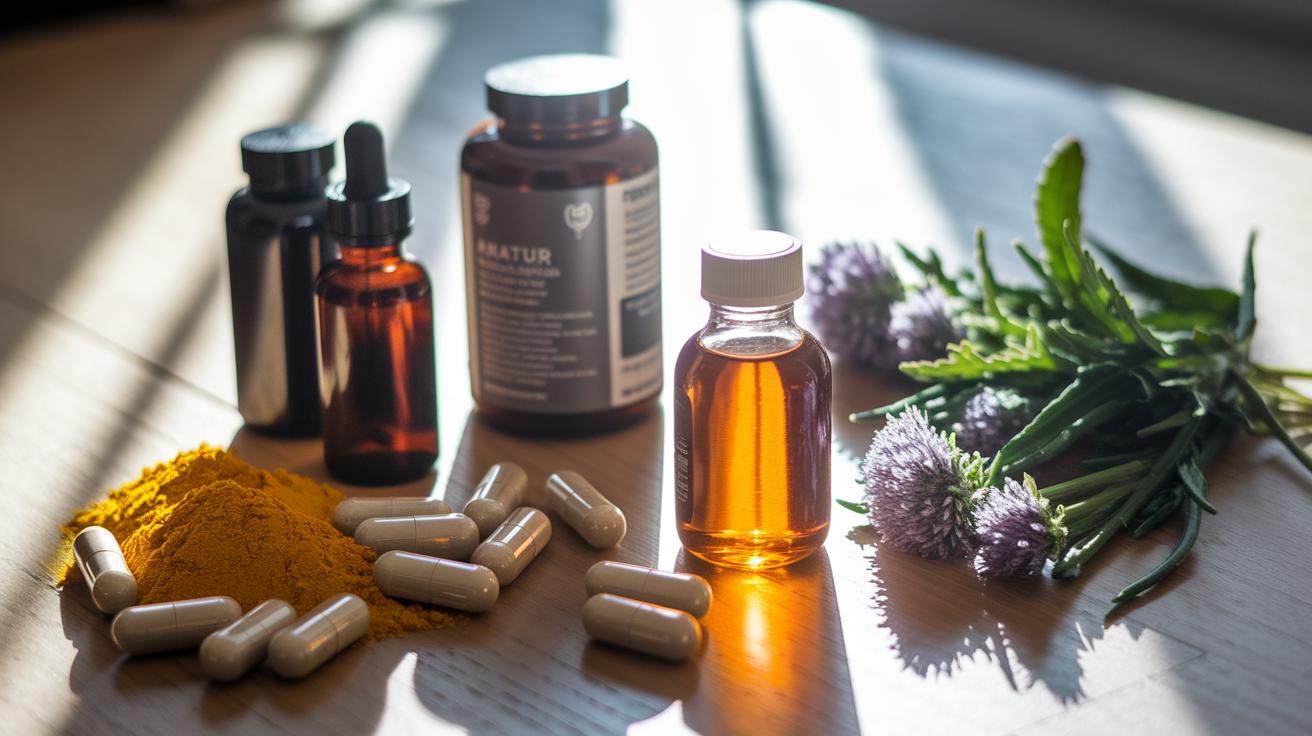
Holistic herbal protocols blend age-old herbal wisdom with pure nutritional supplements and light fascia bodywork. These approaches not only offer quick relief but also promote lasting wellness. You often find tinctures, teas, and capsules combined with natural nutrient boosters to support your body’s many systems. Herbs like turmeric, milk thistle, and ashwagandha make the cut because their honest benefits are backed by both traditional use and modern research.
| Herb | Traditional Use | Suggested Dose (mg or g per day) | Potential Side Effects |
|---|---|---|---|
| Turmeric | Inflammation reduction | 500 mg – 1 g | Mild stomach upset |
| Milk Thistle | Liver support | 300 mg | Gastrointestinal discomfort |
| Ashwagandha | Stress resilience | 600 mg | Drowsiness at higher doses |
Mixing these elements means you need a careful balance to keep everything both safe and effective. When you blend herbal therapies, nutritional supplements, and fascia work, you're creating a system where everything supports your body’s natural healing. For example, a turmeric tincture might work hand in hand with a nutritional supplement that lifts your immune system, while gentle fascia work eases away tight muscles. It’s all about creating a natural synergy that leaves you feeling a refreshing burst of energy after a soothing self-care session. By paying attention to the right doses and being mindful of any reactions, you can confidently follow a holistic plan that cares for your health in the long run.
holistic herbal protocols Spark Radiant Wellness

When you create a herbal plan just for you, you're taking charge of your unique health needs. By studying your daily habits and symptoms, experts can blend herbs like adaptogens (helpful plants that ease stress), bitters (natural aids for digestion), and nervines (calming herbs for a restful sleep) in a way that feels just right. Trained professionals with advanced degrees guide this process, ensuring your safety and rejuvenated wellness.
Assess Individual Health Profiles: Intake Forms, Symptom Tracking
Learning about your routine and any subtle signals your body sends is the first step. Filling out intake forms and tracking your symptoms makes it easier to spot what your health really needs. This simple approach helps match every herb with your personal goals.
Select Herbs by Systemic Needs: Digestive, Immune, Nervous Systems
Choosing the right herb is all about matching them to your body’s core systems. Bitters can spark better digestion, adaptogens lighten your stress, and nervines open the door to peaceful sleep. This careful selection is shaped by your own health story, making every herb a building block on your wellness journey.
Adjust Dosage Over Time: Monitoring Response and Tapering
Keeping track of how your body responds is key. Gradually adjusting the dose helps nail down the perfect amount for relief while steering clear of discomfort. It’s a process of gentle tweaks and close observation, ensuring your body gets what it needs at its own pace.
Review Outcomes and Refine: Follow-Up Consultations and Feedback Loops
Regular check-ins let you share how you feel and give experts a chance to fine-tune your plan. These follow-up consultations keep your protocol fresh and effective, evolving with your progress and ensuring you feel better each step of the way.
Safety Measures in Holistic Herbal Protocols: Dosage and Contraindications

When it comes to herbal treatments, safety always comes first. It’s best to chat with your doctor before you start any herbal routine so you can get advice that fits your unique health story. Herbs should add to your overall care, not take the place of professional medical guidance. Sometimes, herbal remedies can mix with other treatments, especially if you’re pregnant, nursing, or on medications for conditions like autoimmune issues or blood thinning. So, being cautious really matters. Here are six simple tips to help you use herbs safely:
- Watch for any side effects.
- Make sure the product has been checked for purity.
- Adjust the amount based on your age and health.
- Check for any possible interactions between herbs and your other medications.
- Get a complete allergy test if needed.
- Keep a record of your herbal use and any effects you notice.
Usually, experts suggest using about 1 to 3 grams of each herb per day. That amount might change depending on your body’s reaction or if you have any underlying health conditions. Regular check-ins with your healthcare provider can help you fine-tune your dose. Plus, keeping a little diary of how you feel and any changes you notice can really support a safer, more personalized herbal plan that fits well with your overall wellness journey.
Evidence-Based Holistic Herbal Protocols: Research and Case Studies

Research shows that natural remedies can really boost our wellness. Scientists have spent many years testing herbal treatments, and the results are promising. With over 20 years of experience and a collection of more than 450 tutorial videos supporting these findings, it’s clear that plant-based treatments can work with your body’s own healing powers when used right.
One study looked at inflammation using turmeric. Participants who took 500 mg twice a day saw a noticeable drop in markers that indicate inflammation. Turmeric is a spice known for its anti-inflammatory benefits (it helps reduce swelling and pain).
Another study focused on digestive comfort with peppermint tea. People with irritable bowel syndrome, or IBS (a condition that makes your stomach upset and unpredictable), found that a regular cup of peppermint tea eased their symptoms and made digestion smoother.
A report on anxiety management used chamomile infusion. Research shows that sipping on chamomile can naturally lower anxiety levels, giving you a calming way to quiet a busy mind.
These studies are more than just numbers, they show us how each herbal remedy meets different needs. Turmeric helps soothe irritated tissues, peppermint tea settles an unsettled stomach, and chamomile can help create a calmer mood. When you mix these approaches with careful herbal use, organic supplements, and supportive practices, you’re blending science and tradition in a smart, safe way. Follow proven dosage guidelines and keep an eye on how you feel to enjoy lasting benefits.
Integrating Holistic Herbal Protocols into Daily Wellness Practices

Imagine infusing a bit of nature into your everyday routine. Using natural herbal methods can bring a refreshing burst of balance to your day. When you mix these herbal tips into your schedule, even a small moment becomes a chance to care for yourself.
Try starting your morning with a dandelion infusion. It gently awakens your senses and sets a bright tone for the day ahead. Later on, a midday tincture can give you a steady boost, especially when you notice how your body feels as the day unfolds. Then, in the evening, a soothing herbal tea can help your body wind down and prepare for a peaceful sleep.
Switching up your herbs with the seasons and adding a few light fascia exercises can help keep your routine feeling fresh and perfectly tailored to your needs. And sometimes, checking out an online video library for new recipes and techniques can spark fresh ideas. With membership perks like early access to routines, your wellness plan stays fun, engaging, and innovative.
- Start your day with a herbal infusion
- Notice your mood and any changes in how you feel
- Use a midday tincture for a consistent boost
- Do some gentle fascia self-care exercises
- Jot down any reactions or shifts in your energy
- Rotate your herbs according to the season
- Explore digital resources for new recipes and tips
Final Words
In the action of exploring natural ways to boost wellness, this article broke down holistic herbal protocols into clear steps. It explained how personalized plans can include herbal therapy, nutritional support, and gentle fascia techniques, all to guide everyday health. We covered practical safety measures and shared research-backed insights so you can feel empowered in your daily routines. Embracing holistic herbal protocols means nurturing your body with care and confidence. Enjoy the vibrant benefits of these practical tips and keep moving toward a healthier life!
FAQ
Where can I download The Holistic Guide to Wellness PDF?
The Holistic Guide to Wellness PDF is available through official websites and select community channels like Reddit discussions. Always verify the source for current, trustworthy, free downloads.
What do reviews say about The Holistic Guide to Wellness?
The reviews of The Holistic Guide to Wellness highlight its clear, science-backed herbal protocols and user-friendly approach, with many noting improved well-being and practical, step-by-step instructions.
How does The Holistic Guide to Wellness compare with The Lost Book of Herbal Remedies?
The comparison shows that The Holistic Guide to Wellness offers personalized, integrative plant remedies and detailed protocols, while The Lost Book of Herbal Remedies focuses on traditional plant remedies without the same customization.
What does a holistic herbalist do?
A holistic herbalist designs personalized plant-based treatments by blending herbal therapy, nutritional support, and gentle bodywork, all tailored to address specific health concerns through comprehensive wellness evaluations.
What is the difference between holistic and herbal?
The distinction is that holistic care involves overall lifestyle adjustments and multiple natural therapies, while herbal care specifically uses plant-based remedies as a component of broader wellness strategies.
What are holistic herbs?
Holistic herbs are natural plants used to support comprehensive wellness plans. They are prepared as tinctures, teas, or capsules and chosen for their unique properties to promote balanced health.
Do holistic doctors use herbs?
The use of herbs by holistic doctors is common, as they integrate plant remedies with other therapies to create customized, lifestyle-oriented treatment plans that support overall health.