
Have you ever felt that keeping up with your health seems to fade into the background when illness is everywhere? Lots of people skip their regular check-ups, which could lead to more serious issues in the future. Quick screenings and regular visits can catch problems early, often saving you from big trouble down the line.
Imagine a clinic that cares about your safety, or even better, a chance to speak with your doctor from your own home. In this post, we share three simple tips to help you stay healthy even when times are tough. Have you ever noticed how a few small tweaks in your routine can bring about a huge boost in your overall well-being?
Essential Strategies for Preventive Care During Pandemics
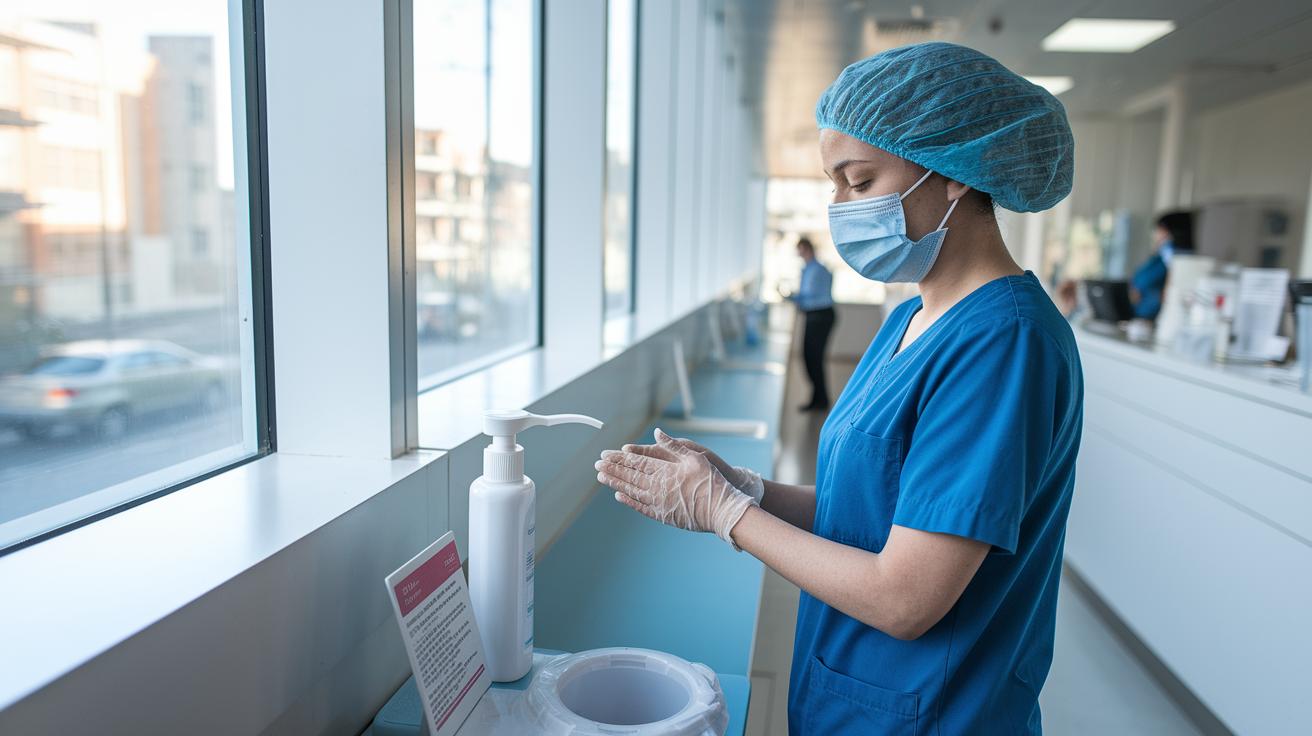
Sticking with your regular check-ups is more important than ever during widespread illness. Many have delayed essential visits out of safety concerns, which could lead to problems later on if immunizations or screenings are missed. A quick tip to remember: scheduling that routine check-up might be the key to catching issues early before they become serious.
Let's break it down into three easy steps. First, put safety first. Hospitals and clinics are ramping up cleaning routines and recommending masks to create safer spaces for everyone. Imagine entering a facility with extra handwashing stations and a mask policy for all visitors, those small adjustments really add up.
Next, change how services are offered to meet today’s challenges. Many providers are redesigning waiting areas for social distancing and adjusting appointment systems to reduce crowding. Some now even offer drive-through testing or the option for virtual visits, making it simpler to continue your care without compromising safety.
Finally, keep the lines of communication open. When providers share clear updates about quarantine guidelines and community safety, it builds trust. Knowing exactly when and how it’s safe to visit helps everyone stay on track with preventive care, keeping you and your community healthier in the long run.
Leveraging Telemedicine Consultations for Continuous Preventive Care

Telemedicine visits offer a safe and easy way to keep up with your health. You can join video calls, manage long-term conditions from home, and even get e-prescriptions without dealing with crowded waiting rooms. This means you still get expert advice while avoiding hectic in-person visits. New policy updates have boosted support for virtual care, making these services even more accessible.
Doctors and clinics are smoothly adding telehealth into their regular routines. With trusted virtual care platforms, patients can quickly book appointments, use integrated digital health tools, and enjoy remote diagnostic innovations. For example, remote patient monitoring lets wearables or smartphone apps track your vital signs, so your doctor can review them during your visit.
Here are some friendly tips to help you get the most out of telemedicine services:
- Make sure your provider offers secure video calls.
- Check if the platform supports e-prescriptions and remote monitoring.
- Look into the eligibility rules for consultations.
- Book appointments during quieter times to cut down on waiting.
- Verify that the system meets privacy standards to keep your info safe.
Telemedicine visits let you continue with regular preventive care without sacrificing safety or quality. By choosing virtual healthcare, you get easy access to routine check-ups, personalized guidance, and a whole new level of convenience in managing your health. Isn’t it refreshing to know that a simple virtual visit might just be the boost your wellness routine needs?
Adapting Vaccination Campaign Strategies and Immunization Scheduling

Keeping vaccination rates up during outbreaks is essential for protecting our communities. Childhood vaccines and seasonal flu shots remain vital in reducing complications during pandemics. Health care providers are now using smart scheduling methods that help avoid crowded spaces while ensuring everyone stays safe. For instance, staggered appointments and drive-through clinics let you get vaccinated without the hassle of busy waiting rooms. Imagine cruising up to a drive-through clinic and quickly getting your shot without ever leaving your car, it’s efficient and secure.
Emergency vaccine planning has also gotten a fresh update. Clinics are now fine-tuning their cold storage systems to keep vaccines at the right temperature all the time. This careful handling minimizes risks and reassures patients of their safety, even amid an outbreak. Planning for booster shots is equally important, with clear advice on when to get them to keep immunity strong. By following these practical steps, health care professionals are working hard to maintain high immunization rates while reducing exposure risks during pandemic times.
Ensuring Chronic Disease Oversight through Remote Monitoring

Keeping an eye on conditions like diabetes and high blood pressure is more important than ever, especially when it’s hard to visit your doctor in person. Today’s remote monitoring tools, like smartwatches and smartphone apps, let you track things such as blood sugar, blood pressure, and heart rate in real time. Picture a smartwatch that gives you a gentle alert if your blood pressure suddenly climbs on a rough day.
These devices let you share your health data with your doctor securely and seamlessly. Think of it like having a caring friend check in on you, only this friend happens to be your healthcare provider. With clear guidelines in place, your private health information is kept safe, and your doctor can quickly tweak your treatment plan if needed.
Mental wellness also plays a key role here. Simple tools that check for signs of stress or depression can catch problems early on, making it easier to balance both your physical and mental health. Many people even find that practices like yoga or mindful stretching add an unexpected layer of support to their overall care.
Key protocols include:
| Step | Description |
|---|---|
| Regular Data Uploads | Your wearable continuously sends updated health info |
| Secure Data Transmission | Your information is safely sent to your healthcare provider |
| Consistent Provider Review | Your doctor regularly checks your data to adjust treatments |
| Digital Mental Health Checks | Special assessments help spot early signs of stress or depression |
preventive care during pandemics: Bright Health Routines

When it comes to staying safe during a pandemic, our approach is all about making your health journey smoother and less crowded. We’re introducing fresh, human solutions that keep you protected while ensuring your visit is quick and hassle-free.
- Digital check-in systems: You can now check in on a tablet that automatically logs your appointment. This means you avoid crowded waiting rooms and feel secure from the moment you walk in.
- Smart appointment scheduling: Imagine booking your visit so perfectly timed that there’s hardly any waiting around. It’s a neat trick to help everyone avoid unnecessary delays.
- Touchless registration processes: Picture a setup where you take care of everything, registration, payment, and check-out, without ever needing to touch physical forms. It’s all about keeping things clean and easy.
- Advanced air quality monitoring: Think of real-time air sensors that continuously check for fresh air. They send alerts to the staff when extra ventilation is needed, so you always breathe easy.
- UV disinfection technology: Visualize a UV light system that automatically sanitizes surfaces after each use. It’s a reassuring way to keep high-touch areas hygienic.
- Electrostatic sprayer applications: Imagine a sprayer that swiftly covers large spaces with disinfectant. This rapid deep-cleaning method cuts down the risk of germs lingering around.
- Smart flow-control measures: Envision digital signs guiding you to less crowded areas in real time. This smart tracking helps everyone stay safe by reducing unnecessary bunching up.
- Contactless thermometers and screening stations: Consider checking your temperature automatically, with alerts ready to notify staff if something seems off. It’s a simple, effective measure to keep everyone secure.
Community Education and Mental Health Support Networks

Community education and mental health support networks are vital for keeping us safe during tough times with widespread illness. Clear messages about how to safely meet friends, run errands, or catch up with neighbors make it easier for everyone to know what to do. When local groups join forces, health tips become part of everyday life. Imagine a friendly neighborhood meeting where you learn simple ways to manage stress and notice the first signs of fatigue. It really shows that staying informed can make a big difference.
Online support groups and tele-counseling services offer a cozy space to share worries and get advice. Even small actions like regular check-ins or joining a group chat about stress can ease anxiety and help boost your well-being.
Key elements of these community initiatives include:
- Clear signs and helpful health tips at community centers.
- Online sessions that teach simple relaxation techniques.
- Local events led by community leaders who share updates on neighborhood health issues.
By combining easy-to-follow education with accessible mental health resources, communities empower everyone to keep up with preventive care and manage stress when times get tough.
Final Words
in the action, we explored clear strategies for maintaining health routines, from strengthening safety measures at clinics to embracing remote care options. We looked at practical steps like telemedicine, vaccination scheduling, and remote monitoring that help manage chronic conditions. The focus was on adapting everyday habits, keeping up with hygiene protocols, and supporting mental well-being. Applying these guidelines supports effective preventive care during pandemics and lights the way to better health every day.
FAQ
Q: What are the CDC COVID guidelines regarding quarantine, isolation, and exposure in 2025?
A: The CDC COVID guidelines in 2025 detail quarantine durations, isolation protocols, and steps to take after exposure. They stress routine sanitizing, mask wear, and minimizing close contacts to lower transmission risk.
Q: How should employees prepare for returning to work per CDC COVID guidelines in 2025?
A: The CDC guidelines for returning to work focus on symptom screening, regular testing, and safe workplace practices. They recommend flexible adjustments to work settings to protect both individual and community health.
Q: What precautions should you take during a pandemic?
A: Precaution measures during a pandemic include frequent hand washing, proper mask use, maintaining physical distance, and staying current on vaccinations, all of which help reduce infection spread.
Q: How can we prevent or control pandemics more effectively in the future?
A: Advancing pandemic control involves rigorous hygiene, timely vaccinations, consistent preventive care, and using telemedicine for quicker response. Clear communication and education help keep communities safer.
Q: What are some examples of preventative health care during pandemics?
A: Preventative healthcare examples during a pandemic include routine immunizations, remote consultations for chronic condition management, and proactive health screenings—all aimed at maintaining overall health and reducing risks.