
Have you ever noticed how some memories hit you with a burst of feeling? Our emotions guide our memories in ways that go beyond simple facts. Think about the rush you get at a lively concert or the comfort of a loving hug. Each moment gets tagged with its own special feeling that makes it unforgettable.
Today, let’s dive into how these emotional memories not only color our past but also help guide us toward a happier life. It's like your brain lights up each memory with a unique spark, giving you clues on how to live more fully.
Fundamentals of Emotional Memory: Definition and Scope

Emotional memory is all about how our feelings shape the way we recall events. Instead of simply storing facts, our emotions add extra layers of meaning to our memories, making them more vivid and easier to remember later on.
Think about the thrill you feel at a concert or the warmth of a hug. Your brain links these strong emotions to the moment, turning ordinary events into unforgettable experiences. For instance, the excitement of opening a long-awaited gift can transform into a memory that brings back the same joy even years later. Scientists have found that specific parts of the brain, like the limbic system and the hippocampus (areas that help process feelings and store memories), work together to create and retrieve these special recollections.
The emotional atmosphere during an event also plays a big role in how we remember it. A fun, cheerful day might leave behind a trail of happy, bright memories, while a tough time could be remembered with a lingering sadness. In short, emotional memory not only records what happened but also captures how we felt, offering deeper insights into our behavior and decisions as we move forward.
Mapping Brain Circuits of Emotional Memory
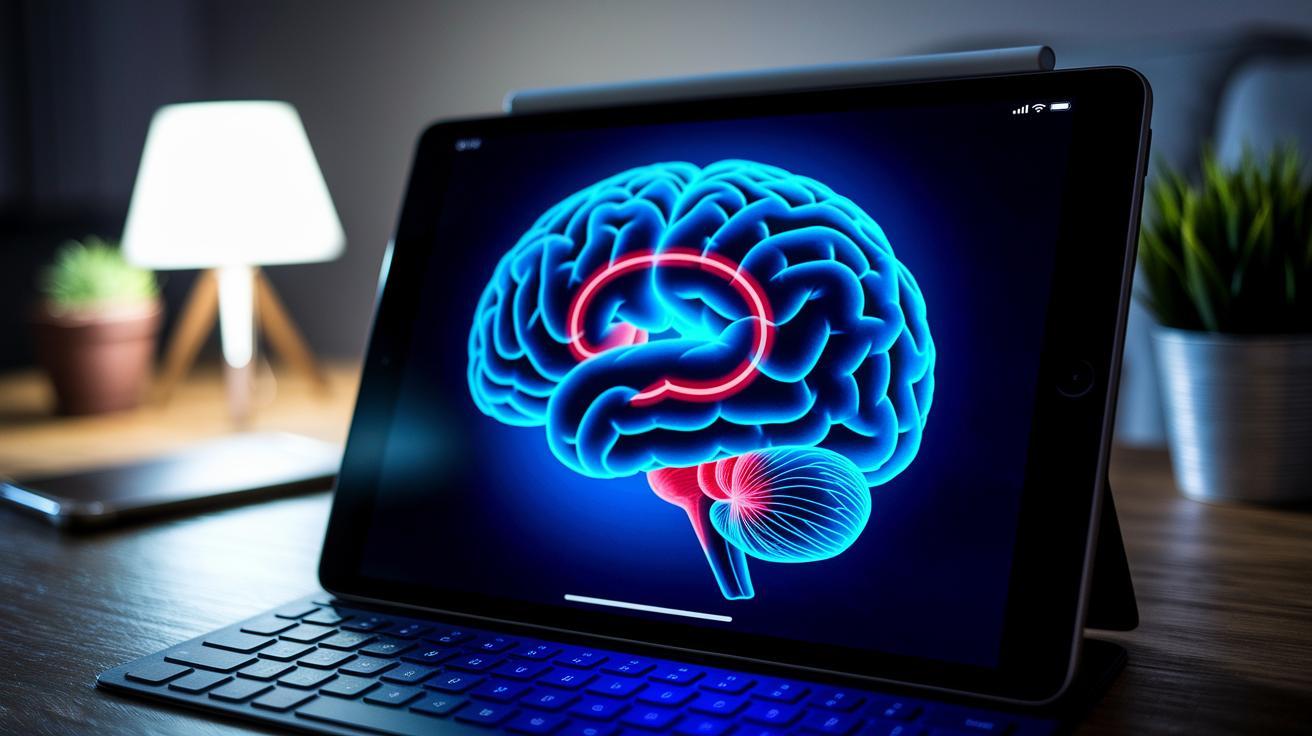
Recent research with mice reminds us that memories aren’t just frozen snapshots. Instead, they form dynamic networks of brain cells called engrams (tiny groups that store memories). In a study released on October 3, 2022, scientists found these engrams in the hippocampus, a part of the brain that lights up in color. Blue signals appeared for positive experiences like tasting a favorite treat or a friendly encounter, while red signals were seen when the mouse felt discomfort, such as a mild shock. It’s much like looking at a vibrant map where every color tells a story of emotion.
To catch these emotional signals, researchers matched different experiences with either pleasant or unpleasant outcomes. For instance, when a mouse savored a tasty treat, specific blue engrams lit up, much like a string of twinkling lights celebrating a joyful moment. On the other hand, a slight shock triggered red engrams. This smart mapping of the brain’s affective circuits gives us a fresh look at how our feelings get stored physically, offering a window into understanding and regulating our emotional memories.
These insights are exciting because they show us how emotions shape our recollections. As scientists continue to study these brain circuits, they’re discovering more about the ways these networks drive behavior and influence decisions. Looking ahead, this work could pave the way for new mental health therapies, perhaps using gentle, non-invasive brain stimulation, to help manage conditions linked to negative memories. Isn’t it fascinating how understanding these tiny circuits might one day help us take better care of our emotional well-being?
Mechanisms of Emotion-Driven Memory Encoding and Recall

Our emotions mix with our memories, shaping how we store and recall events. In this section, we explore how our mood creates a background that influences what we remember. Picture a favorite song, a hint of a familiar scent, or the soft warmth of sunlight suddenly bringing a past moment into view. Even small sensory cues can spark vivid recollections, proving that our sense of smell, for example, is a powerful trigger.
Recent studies, including work with mice, show that turning on brain circuits linked to happy memories while recalling a difficult event can reduce fear. In simple terms, lighting up the part of the brain that holds joyful memories can soften the impact of negative ones. It appears that a well-timed burst of positive sensation can rebalance our stored experiences, lessening the grip of stressful memories. Although events born in stress tend to stay sharp, using uplifting cues can gently ease their hold.
Sensory experiences and our emotional state often act like a reset button for our recollections. When pleasant sensations join in, even stressful reminders become easier to manage, letting us revisit cherished memories with clarity. This means that adding calming sensory moments during challenging times might slowly change the way our memories form and fade, leaving us with a more even outlook.
Recent insights suggest that even small, positive sensory moments can adjust memory formation, promoting a healthier balance that drowns out lingering negative reactions. This approach holds promising benefits for overall wellness.
How Emotional Memory Shapes Behavior and Decision-Making

Emotional memories shape our daily choices in ways that might surprise you. Recent studies reveal that our past feelings aren’t only behind our quick, automatic reactions, they also help us make bigger, well-thought-out decisions. Picture this: when you’re thinking about switching careers, your gut might nudge you toward staying in a comfy, known routine. Yet, when you pause to remember those moments of success and growth, you might feel encouraged to take that leap. In fact, one study found that while the first instinct leaned towards safety, a careful evaluation led people to choose riskier options that brought greater satisfaction later on.
Our brain handles emotional memories along two distinct paths. One route fires up fast, giving us immediate responses based on recurring experiences. The other is slower, letting us revisit past moments and weigh the potential pros and cons. This means that while our initial feelings provide a quick snapshot, our reflective side offers a deeper look at what might work best in the long run.
Key takeaways:
- Quick responses can guide your first impressions.
- Thoughtful decision-making uses past experiences to balance risks and rewards.
- By taking a moment to reflect, you can blend the comfort of the familiar with exciting new opportunities.
Next time you’re facing a big decision, whether it’s a career change, a new relationship, or an exciting investment, remember that your emotional memories are powerful allies. They help you trust your gut while also encouraging a thoughtful look back at what has worked for you in the past.
Clinical Strategies Targeting Emotional Memory in Trauma and Therapy

Recent clinical work is exploring new ways to ease the burden of painful memories. One promising method is transcranial magnetic stimulation, a non-invasive technique where a magnetic field is applied from outside the head to gently adjust brain activity (in simple terms, it helps shift how memories are stored). Picture a soft magnetic pulse giving your brain a refreshing reset. In one study, patients showed a milder emotional reaction when their negative memory circuits were gently influenced.
Another approach draws attention by using deep brain stimulation on the hippocampus. This method involves tiny implanted electrodes that send controlled electrical signals to the brain. Think of it like tuning an old instrument, small tweaks can lead to a smoother performance when it comes to recalling feelings. Researchers are now testing if repositioning these neural circuits might lower the emotional intensity behind traumatic memories.
A breakthrough study in 2021 looked at MDMA-assisted therapy for severe PTSD symptoms. In this treatment, patients received carefully measured doses of MDMA along with supportive therapy to help them reframe their traumatic experiences. Imagine reading about a patient who, while revisiting a particularly painful event, felt as if a thick fog was lifting from their mind to reveal clearer and less distressing memories.
| Intervention Method | Description |
|---|---|
| Transcranial Magnetic Stimulation | Non-invasive, uses magnetic fields to adjust brain activity |
| Deep Brain Stimulation | Invasive, uses implanted electrodes to send electrical signals |
| MDMA-Assisted Therapy | Carefully measured MDMA combined with psychotherapy to ease PTSD symptoms |
Researchers are finding that these brain stimulation techniques show real promise for reprocessing adversity. Ongoing studies suggest that carefully tuning our brain signals can help reshape how we experience and recall traumatic events.
Looking ahead, these strategies may soon offer powerful therapy options. They give hope that by customizing brain-based treatments, people can gain fresh relief from trauma and find a renewed sense of well-being.
Final Words
In the action, we explored the fundamentals of emotional memory and its deep ties to our feelings. We uncovered how brain circuits and engram patterns shape the way we store and recall experiences. We also discussed how mood-driven cues can tilt our everyday behaviors and decision-making. Lastly, recent clinical strategies show promise in addressing the twists of traumatic memories. Each step highlights that a better understanding of emotional memory paves the way for brighter, healthier days ahead!
FAQ
What is emotional memory in psychology?
The emotional memory in psychology refers to how feelings become part of our recall process. It shows how our brain links emotions with our experiences, influencing how we remember events.
What are examples of emotional memory in acting and Stanislavski’s approach?
The emotional memory used in acting includes drawing on personal feelings to create realistic characters. Stanislavski’s technique encourages actors to tap into their own past experiences to evoke genuine emotion.
What do emotional memory quotes highlight?
The emotional memory quotes stress that our past feelings shape current experiences and personal growth. They remind us of the profound role emotions play in the way we perceive and store memories.
What is the difference between emotional memory and affective memory?
The emotional memory difference from affective memory is that emotional memory focuses on recalling specific feelings from past events, while affective memory sometimes covers general mood states linked to our experiences.
Where is emotional memory stored in the brain?
The emotional memory in the brain is stored mainly in the hippocampus and limbic system. These regions work together to process and retain emotionally charged experiences.
How can one fix or adjust emotional memory?
The emotional memory can be modified with therapeutic approaches such as brain stimulation techniques or targeted treatments. These methods help recalibrate negative or distressing recollections for improved well-being.
What is an emotionally charged memory called?
The emotional memory that is deeply intense is often called a flashbulb memory. This type of memory is marked by vivid details and strong feelings from the moment of recall.
What does an emotional memory Quizlet typically include?
The emotional memory Quizlet offers key terms, definitions, and examples that clarify how emotions interact with memory formation. It provides a quick review of important concepts in a study-friendly format.