
Have you ever thought about how a simple tool might brighten up your workout? Calisthenics parallettes are compact bars that help smooth your motions and ease any strain on your wrists. Think of them as a reliable buddy that boosts your balance and strength with every push-up or handstand. When you add these bars to your routine, you'll notice better control and stability, making each move both safe and satisfying. Let's dive into how these nifty bars can bring a fresh burst of energy to your fitness routine.
Getting Started with Calisthenics Parallettes: Definition, Benefits & Key Types
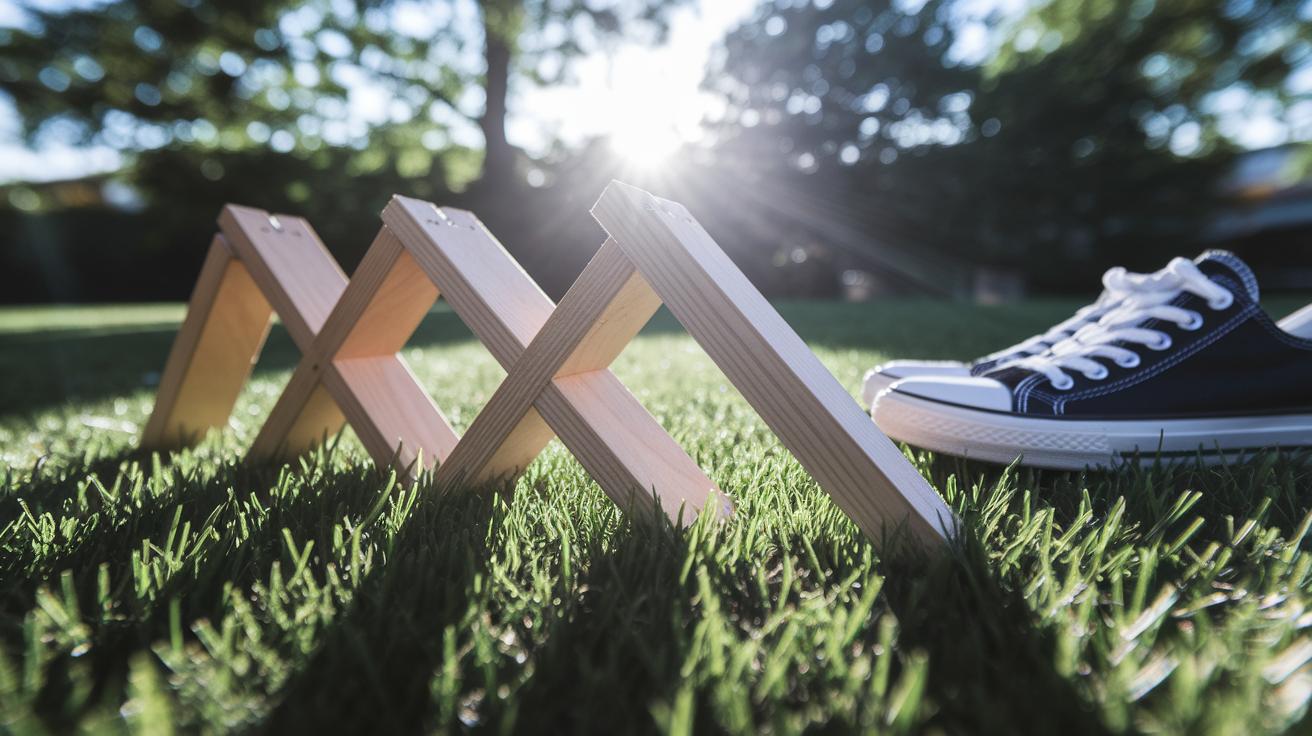
Calisthenics parallettes are handy little bars you can take anywhere. They boost your bodyweight exercises by making them smoother and easier to control. Whether you’re doing push-ups, L-sits, handstands, or working up to a planche, these tools let you work out while keeping your wrists comfortable and safe. Think of them as compact workout buddies that fit right in your home gym or even outdoors when you need an energizing burst.
Using parallettes does more than just improve your grip and balance. When you work out on these bars, you also engage stabilizer muscles that help you perform with better control. Have you ever noticed how small changes can really level up your workout? Here’s a neat fact: training on bars like these can ease wrist discomfort while boosting stability during tougher moves. You can choose from several options:
- Low parallettes that offer steady, floor-level support.
- High parallettes designed for deeper dips and push-ups.
- Wooden parallettes that provide a naturally grippy and comfy feel.
- Metal parallettes built tough for outdoor sessions.
Mixing these various types into your routine will make your calisthenics workout more balanced and fun. They adapt well to different exercise levels, letting you gradually push your limits. As you build more strength and master your movements, these versatile bars become an essential part of achieving smooth, effective bodyweight exercises.
Selecting the Right Parallettes: Materials, Dimensions & Stability
When it comes to picking parallettes for your home gym, start by thinking about the material. Wooden parallettes give you a natural, comfy grip that feels great when you work on balance or hold static positions. Metal ones, meanwhile, are built tough for outdoor workouts, offering reliable stability even when you're really pushing yourself.
Next, check the size. Parallettes usually come in heights ranging from 4 to 8 inches. If you’re doing push-ups or other exercises close to the floor, lower options work best. But if you're planning dips or L-sits, a taller design will suit you. A handle diameter of about 1.25 inches is ideal because it helps you keep a firm grip, and the width should match your shoulder span for the best control.
Finally, look for features that boost stability. Choose models with certified hardwood or powder-coated steel structures along with non-slip foot caps to keep them steady during your workouts. Paying attention to these details means you’ll have a safe and sturdy setup that boosts your confidence and performance every time you exercise.
DIY Wooden Calisthenics Parallettes Build Guide
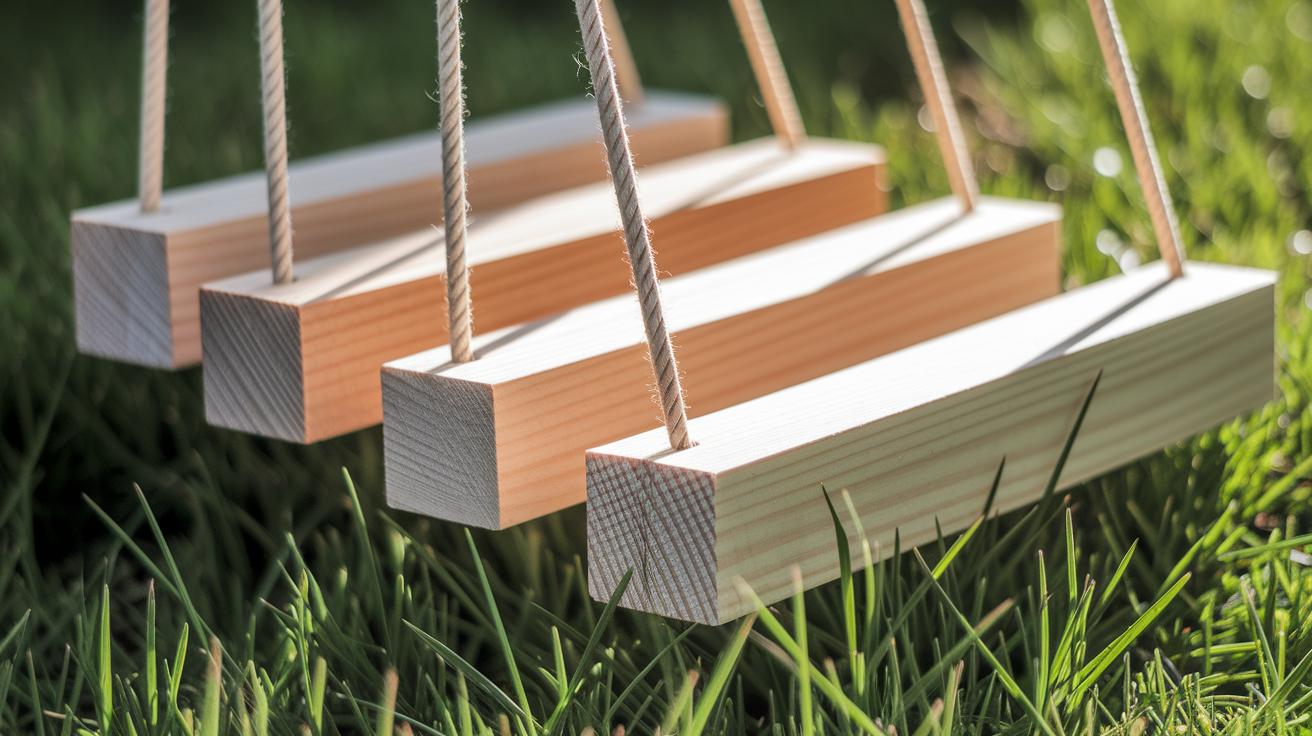
Have you ever wanted to make your own wooden parallettes for a fun workout? This guide shows you three ways to build them, from basic metal/PVC pipes to crafting elegant hardwood bars. You’ll need a few supplies like metal pipes or hardwood dowels, 2×4 lumber, wood screws, end caps, sandpaper, and sealant.
Method 1: Metal/PVC Pipe Parallettes
If you're just starting out, try joining metal or PVC pipes with end caps. It’s a simple trick where you connect the pieces securely using fittings, giving you a dependable base. This method is quick, making it a great way to build your first set of bars that feel solid for a basic workout.
Method 2: Stacked 2×4 Lumber Bars
Ready for a little more challenge? Use 2×4 boards and screw them together at your preferred width. This option lets you control both the bar’s size and shape, so you can adjust the spacing and grip for your workout. It’s moderately challenging and perfect if you’re looking to put your own spin on the design.
Method 3: Custom Hardwood Parallettes
For those of you who love a hands-on project, craft each bar from hardwood. Start by cutting the wood to your size, then smooth the edges with sandpaper, and finish with a sealant to protect it from moisture. This method needs a bit more skill and time, but the result is a beautifully finished, sturdy bar that’ll elevate your calisthenics routine.
Parallette Workouts: Beginner to Advanced Routines
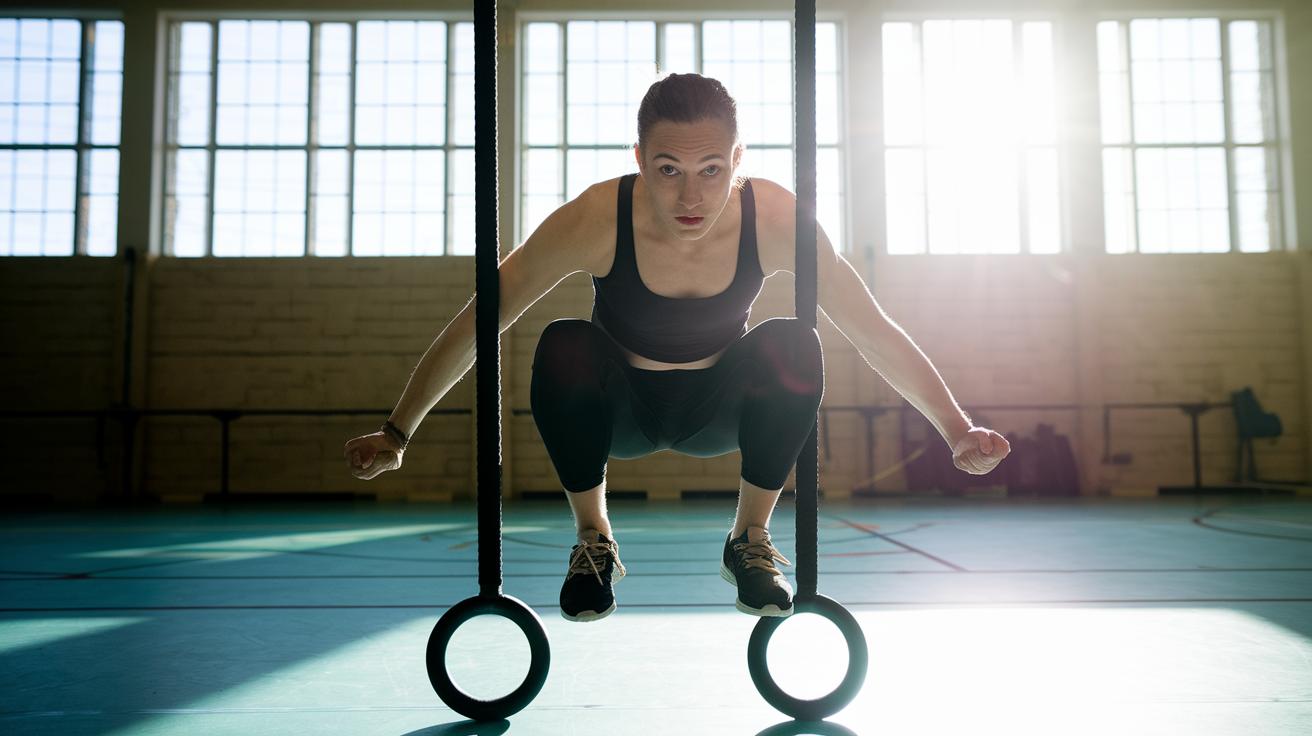
Begin your workout with simple exercises that boost your strength and body control. Parallettes are great for honing your stability and smoothing out your range of motion. Take a break for 60 to 90 seconds between sets so your muscles get a chance to recover. This program eases you in from basic movements to more challenging routines that test your balance and power.
If you're just starting out, try this beginner routine to gently step into calisthenics. Do three sets of eight push-ups, three sets of an L-sit held for 10 seconds, and three sets of five dips. These moves work like little stepping stones, helping you build solid control and resilience. They set up a strong foundation for more advanced exercises ahead. And if you need extra guidance, check out our strength training tips for beginners.
Once you feel confident with the basics, move on to the intermediate routine for extra muscle endurance and balance. Aim for four sets of ten push-ups, four sets of an L-sit held for 15 seconds, and four sets of eight dips. Cap off the routine with three sets of five negative handstands (slowly lowering into a handstand). This plan pushes your limits a bit more and enhances your ability to control your body. Keeping a steady pace and focusing on your form can make a big difference in your progress.
For those who are up for a real challenge, the advanced routine will push you to new heights. Try five sets of five pseudo-planche push-ups, five sets of L-sit to V-sit transitions held for 20 seconds, five sets of eight weighted dips, and finally, three sets of three handstand push-ups. This demanding set mixes endurance and resistance training to build muscle and strength. Adjust your weights as needed and always watch your form to keep your muscles engaged and safe.
Maintenance, Safety & Best Practices for Calisthenics Parallettes
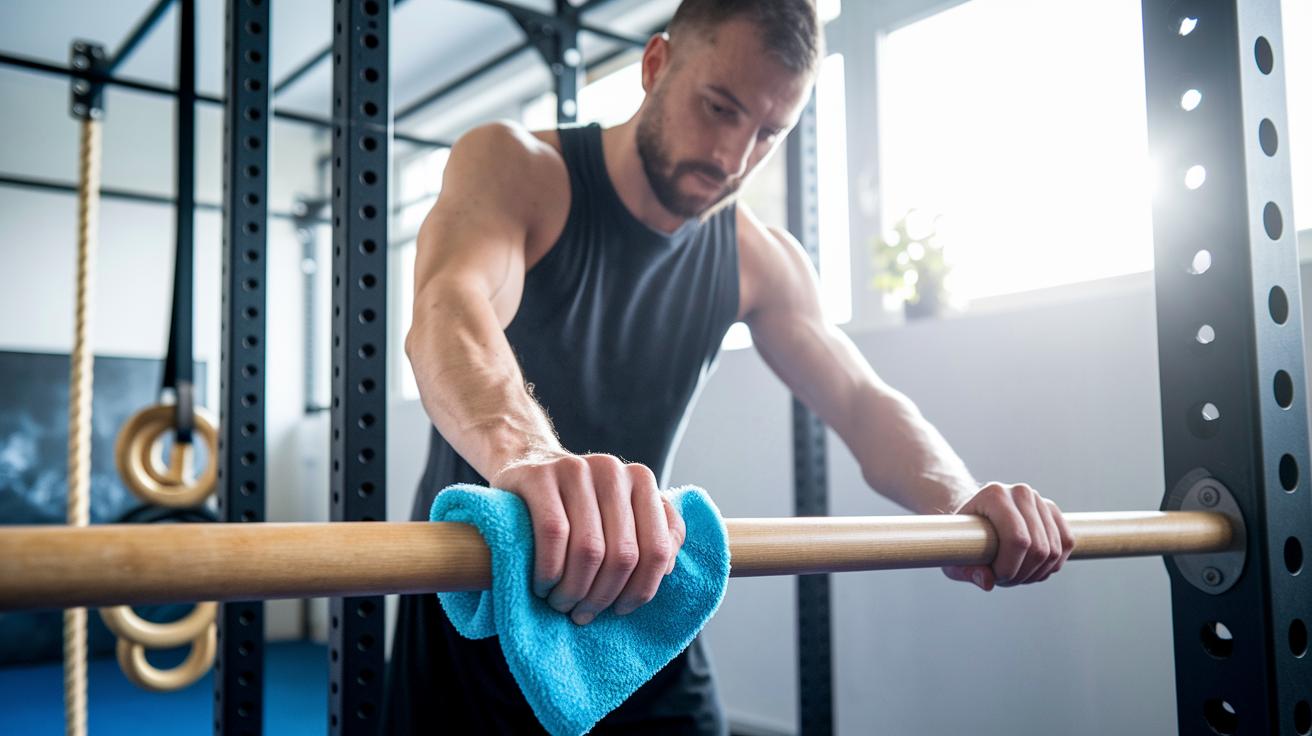
Keeping your parallettes in tip-top shape starts with simple daily care. After every use, give your bars a quick wipe-down and make sure any wooden parts stay dry to keep mold and warping at bay. Every month, take a moment to check that screws, connectors, and foot caps are tight and secure. These small steps not only help your equipment last longer but also provide you with a stable base for your workouts.
Before you jump into your routine, spend a few minutes warming up your wrists with easy mobility drills and some forearm stretches. This brief warm-up gets your joints and muscles ready for action and lowers the risk of strain. Safe practices like these go a long way in preventing injuries and making sure your workout is as effective as it can be.
For extra peace of mind, consider using non-slip caps on hard floors. Also, set a yearly reminder to sand and reseal any wooden surfaces to prevent splinters. Keeping your tools well-maintained boosts your confidence, ensuring that each workout remains both energized and injury-free.
Final Words
In the action, we explored calisthenics parallettes by defining these portable workout bars and breaking down their benefits. We looked at material choices, dimensions, and even DIY tips to craft your own wooden workout bars. A range of routines, from beginner to advanced, and essential safety practices were discussed to boost your training. Each section aimed to help you make smart decisions for a safer, more effective workout experience with calisthenics parallettes. Keep moving forward with a positive outlook, and enjoy your progress!
FAQ
What do reviews and Reddit discussions reveal about calisthenics parallettes?
Reviews and Reddit discussions highlight that calisthenics parallettes offer excellent wrist support and versatility for various exercises, making them a favored tool for enhancing bodyweight training.
Which calisthenics parallettes options are popular among users?
Many users praise brands like GORNATION, Decathlon, and offerings on Amazon for their build quality and ergonomics, making these popular choices for reliable calisthenics equipment.
What makes wooden parallettes appealing for calisthenics?
Wooden parallettes are valued for their natural grip and comfortable feel, providing a stable base for exercises while reducing wrist strain during training sessions.
Are parallettes worth using for calisthenics?
Parallettes are worth using because they improve range of motion, promote proper form, and add variety to workouts, helping you get more out of your calisthenics training.
What does the 80/20 rule in calisthenics mean?
The 80/20 rule in calisthenics means focusing most of your workout on key movements that yield significant benefits while spending less time on supporting exercises.
Is calisthenics safe for someone who is 30 years old?
Calisthenics is safe for a 30-year-old as it builds strength and mobility; progressing gradually and listening to your body ensures proper form and reduces injury risks.
Can 20 minutes of daily calisthenics offer benefits?
Twenty minutes of daily calisthenics can build strength and boost endurance while fitting easily into your schedule, making it a practical choice for maintaining consistent physical activity.