
Ever thought you could build real strength without hitting the gym? High intensity bodyweight training shows you can. Instead of bulky machines, you use your own energy with moves like push-ups, squats, and lunges. These exercises boost your muscle tone and burn calories in a refreshing way.
Imagine wrapping up a half-hour workout at home that leaves you feeling energized and ready for the day. It’s amazing how simple, natural moves can lead to big changes. Ready to give it a try?
Efficient Equipment-Free High-Intensity Bodyweight Training at Home
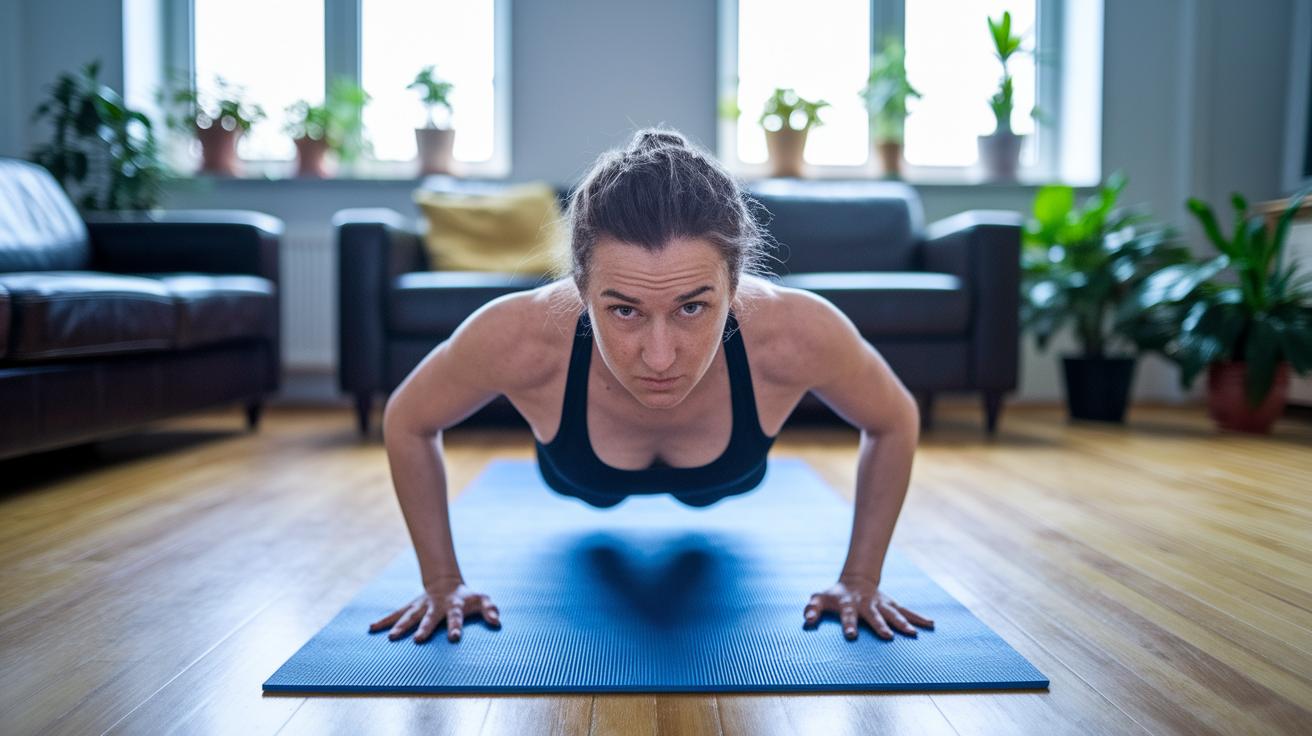
High intensity bodyweight training uses your own body to give you an amazing workout at home. It mixes short bursts of fast, energetic movements with strength exercises that work your muscles all over, everything from your legs and glutes to your chest and core. Picture doing 10 push-ups followed immediately by 15 squats to spark your energy and get your blood pumping.
Before you dive in, start with a quick 5-minute warm-up. Think jumping jacks, lunges, and a bit of skipping to get your body ready for some serious action. Then you jump into a 30-minute circuit featuring 12 different moves. Each exercise is done with all-out effort for about 40 seconds and then followed by a 20-second break, keeping your heart rate high and your energy flowing throughout the session.
In just half an hour, you could burn anywhere from 200 to 500 calories, depending on your pace and the moves you choose. Doing these workouts 3–5 times a week not only boosts fat loss and endurance but also builds strength all over your body. After a session, you might feel surprisingly energetic and strong, perfectly prepped to tackle the rest of your day.
Structured Metabolic Burst Circuit Routines
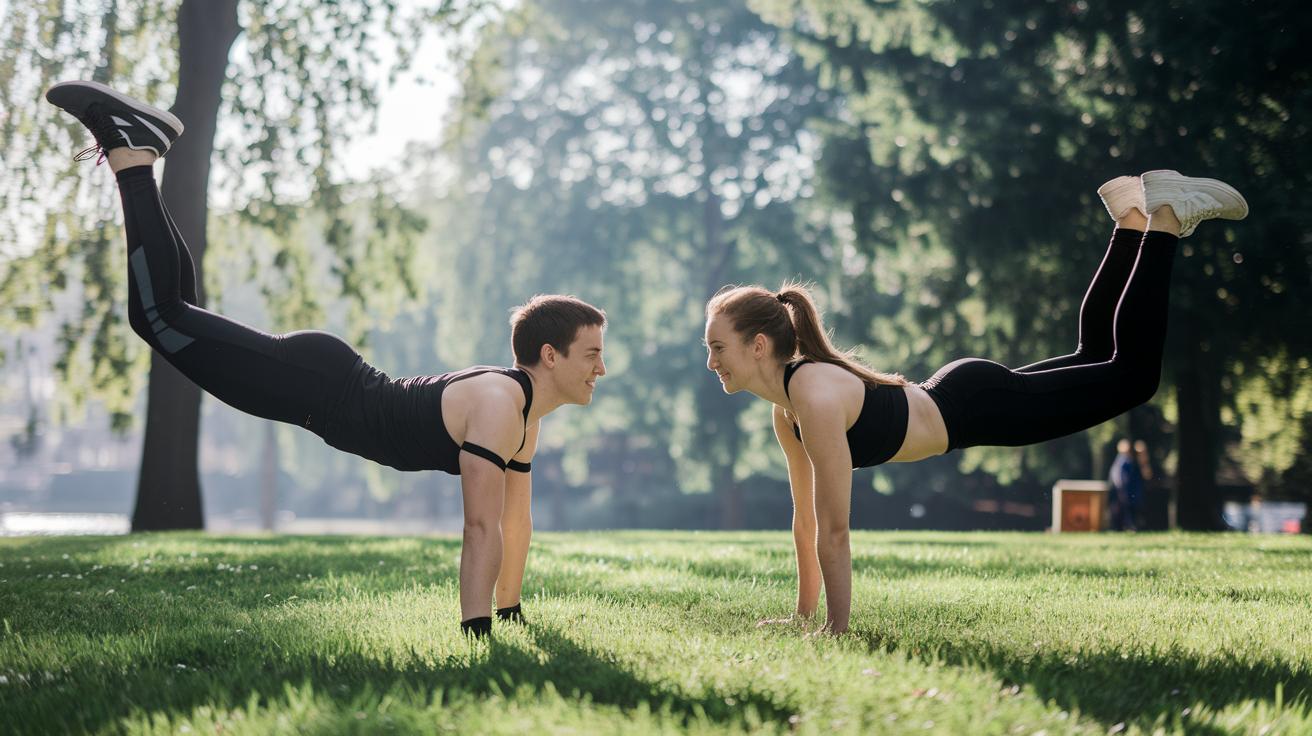
This workout plan is all about sparking your metabolism and giving every part of your body a chance to shine, all while using just your body weight. The Zero30 regime features 12 lively exercises that blend strength moves with cardio bursts. You’ll work each exercise for 40 seconds, then take a 20-second breather before jumping into the next one.
Begin your session with a 5-minute warm-up that might include jumping jacks, lunges, and other dynamic moves to get your muscles ready. Once you complete 3 to 4 rounds of these exercises, wrap things up with a cool-down using gentle, static stretches. On average, this routine can help you burn between 200 and 500 calories each session and targets muscles in your legs, glutes, quads, hamstrings, chest, shoulders, back, core, and hip flexors.
| Exercise | Duration | Target Muscles |
|---|---|---|
| Two-Pulse Squats | 40 sec | Legs, Glutes, Quads, Hamstrings, Hip Flexors, Core |
| Alternating Toe-Touch Squat Jumps | 40 sec | Lower Body, Core |
| Reverse Lunges with Kicks | 40 sec | Glutes, Quads, Hamstrings, Core |
| Push-Up to Alternating Arm Punch | 40 sec | Chest, Shoulders, Triceps, Core |
| Mountain Climbers | 40 sec | Cardio, Core, Legs |
| High Plank Rotations | 40 sec | Core, Shoulders, Back |
| Burpees | 40 sec | Full Body, Cardio, Core |
| Lateral Lunges | 40 sec | Legs, Glutes, Hip Flexors |
| Plank Jacks | 40 sec | Core, Cardio, Shoulders |
| Jumping Jacks | 40 sec | Full Body, Cardiovascular |
| Skater Hops | 40 sec | Legs, Glutes, Core |
| Roller Boats | 40 sec | Abs, Core |
If you’re just starting out, feel free to reduce the number of rounds or stretch out your 20-second rest periods until you get comfortable with the moves. On the flip side, if you’re more experienced, try shortening your breaks and adding an extra round or two. This adaptability means the routine works as a quick and effective interval training session for everyone, no matter your fitness level.
Technical Form Instruction for Explosive Calisthenics

Getting your form right is super important to keep your workouts safe and effective. When you move the proper way, you help protect your joints while giving your muscles a real boost. The Zero30 video demos break down each move step by step so you can feel confident every time you practice.
Think of every drill as a clear step in a controlled burst of energy. Staying focused and moving with care not only cuts down on injury risks but also makes each muscle work harder. Little adjustments can make a huge difference in how comfortable and effective your workout feels.
Push-Up Form
Start with your hands at shoulder width and really tighten your core. Keep your body straight like a plank and let your elbows bend naturally at roughly a 45-degree angle. This setup makes sure your chest and triceps get a great workout while keeping your shoulders safe.
Squat Jump Technique
Begin by sinking into a squat until your thighs are parallel to the ground. Then, explode upward with a powerful push from your legs. Make sure you land softly, aligning your feet well to protect your knees. Feel that light, energetic rush with every jump!
Burpee Mechanics
Kick off in a high plank while keeping your core really tight. Jump your feet forward so they line up under your hips, then rise up and finish with a strong jump. Keeping each move smooth and controlled helps make the whole sequence feel natural and energizing.
Progression Tips and Advanced Explosive Challenges
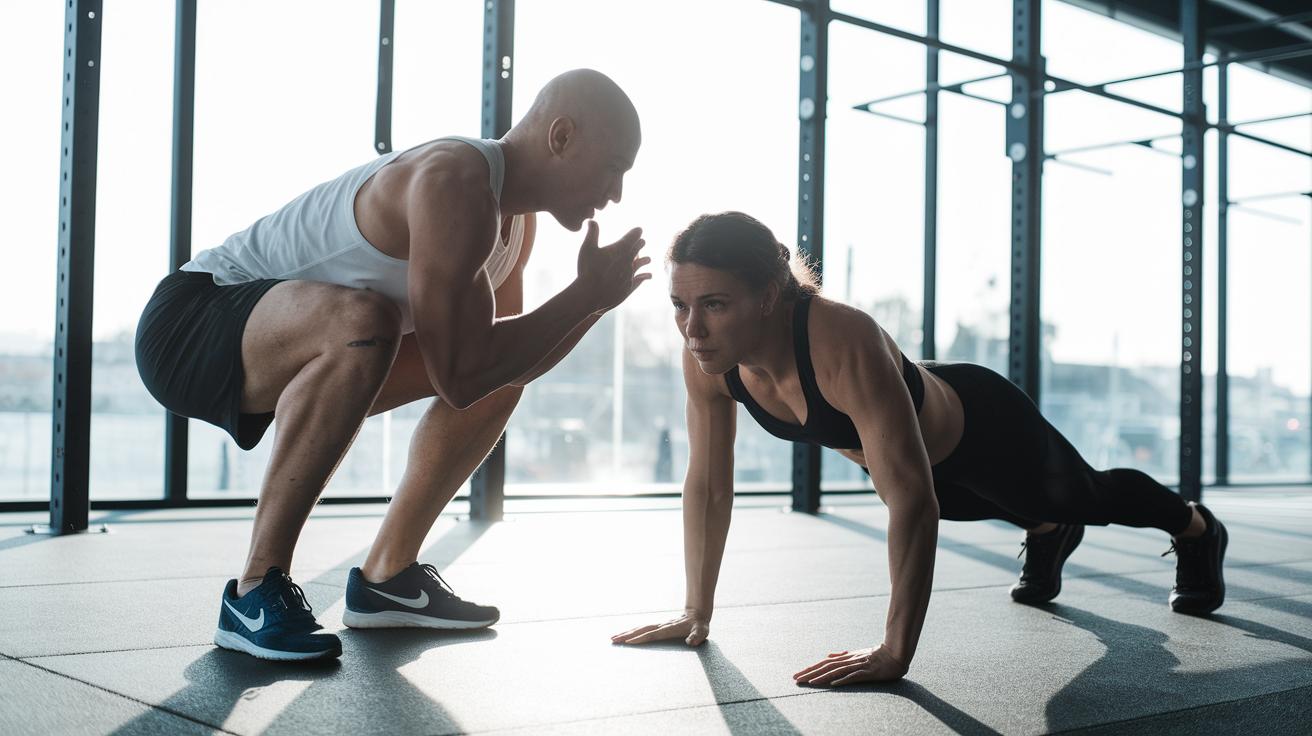
When your basic workouts start feeling easy and your body adapts to those quick bursts of energy, it's the perfect moment to push yourself a bit more. If you find that your usual exercises are becoming a breeze, that's a gentle hint to try sessions with increased intensity. Start by adjusting your timing, maybe add an extra 5 seconds to your active intervals every couple of weeks or trim your rest periods by the same amount. This slow, steady ramp-up helps your body get used to a bit more strain without overdoing it.
Ready for a new level? Dive into advanced explosive challenges that keep each workout engaging and really test your strength. One great trick is to mix in power moves that require both precision and muscle control. For example, try pistol squats with a little support, one-arm push-ups where you shift your weight carefully, or muscle-up transitions using a resistance band. You can also throw in planche leans held briefly or partner resistance drills to add some variety. This dynamic mix not only tones your midline and upper body but also makes every small change lead to noticeable gains in your performance.
Safety Guidelines and Recovery Strategies for Rigorous Interval Regimens

High-intensity workouts can really put a strain on your joints, hormones, and nervous system. Before you jump into your routine, take a quick five-minute warm-up to get your muscles and joints moving. When you're done, cool down for five minutes to help bring your heart rate down and relax your body. This simple habit eases built-up tension and lowers your risk of injury.
Try to set aside at least two rest days each week. On these days, consider gentle activities like yoga or a brisk walk. You might also try active recovery moves such as light cycling or foam rolling (a simple way to massage out tight muscles). These practices help clear away built-up byproducts and keep your muscles feeling loose and ready for your next workout.
Aim for 7 to 9 hours of sleep each night to support muscle repair and overall recovery. If you notice a spot, like your outer thigh bands, feeling unusually tight, a bit of foam rolling might help. And remember, if you experience sharp pain instead of typical workout soreness, it's a good idea to rest until you feel better.
Nutritional Advice for Supporting High-Intensity Bodyweight Training

Before you jump into your high-energy workouts, make sure you're giving your body the fuel it needs. Start by aiming for about 1.6 grams of protein for every kilogram you weigh each day. This protein helps fix and build your muscles after those tough, high-intensity moves.
A quick bite of carbs, like a warm bowl of oatmeal topped with fruit, can jumpstart your energy before exercising. Then, after your workout, enjoy a protein treat such as Greek yogurt or chicken breast to help your muscles recover and grow stronger. Also, adjust your overall calorie intake to match your goals: if you're trying to slim down, a 5–10% calorie cut might work best; if you're looking to pack on muscle, consider a 5% increase instead.
Staying hydrated is just as important. Try to sip on about 0.5 liters of water for every hour you're training, and keep a base of around 2 liters throughout your day. Eating every 3–4 hours can also keep your blood sugar steady and your energy levels balanced.
| Meal Option | Example Pairing |
|---|---|
| Protein & Grain | Chicken + Quinoa |
| Dairy & Fruit | Greek Yogurt + Berries |
| Seafood & Healthy Fat | Tuna + Avocado |
| Legumes & Greens | Lentil Soup + Salad |
| Eggs & Carb | Eggs + Sweet Potato |
| Quick Protein | Protein Shake + Banana |
Keep your meal times on track, grab a light snack about an hour before you start and aim to have a balanced meal within an hour after finishing your workout. Adding a few supplements, like a multivitamin or omega-3 fatty acids (nutrients that support heart and brain health), can be a nice bonus to boost your overall wellness during training.
Final Words
In the action of embracing an equipment-free routine, the article broke down high intensity bodyweight training into clear steps, from a dynamic warm-up and mixed strength/cardio circuits to precise form instructions and progression tips.
It also shared recovery methods and nutritional advice to help you get the most out of every workout.
Keep these practical tips close, and enjoy each session as you build strength, boost endurance, and enhance overall wellness with every effort you make!
FAQ
What does high intensity bodyweight training on Reddit discuss?
The question about high intensity bodyweight training on Reddit highlights community discussions sharing tips, success stories, and creative routines that combine strength and cardio without equipment to boost home fitness.
What does high intensity bodyweight training with no equipment at home entail?
The question on training with no equipment at home explains how you rely solely on body movements, merging strength and cardio work for a complete workout that can be done anywhere without gear.
How can I access a HIIT bodyweight workout plan PDF and exercise list?
The question on a HIIT bodyweight workout plan PDF reveals the availability of downloadable guides that outline detailed exercise lists and structured routines, combining strength and cardio for effective at-home sessions.
How do high intensity bodyweight training and HIIT workouts benefit beginners?
The question for beginners shows that these programs use clear instructions and gradual progressions, making them accessible and effective for building strength, endurance, and fat-burning capacity safely.
What can I expect from a 30-minute bodyweight HIIT workout?
The question about a 30-minute HIIT workout suggests you’ll perform fast-paced circuits with bodyweight moves designed to burn calories, improve endurance, and engage multiple muscle groups in a compact session.
Are bodyweight HIIT workouts effective for building muscle and burning fat?
The question on workout effectiveness indicates that bodyweight HIIT routines raise your heart rate while engaging multiple muscles, which efficiently burns calories and creates the stimulus needed to build lean muscle.
Is a 20-minute HIIT workout a day enough for fitness?
The question about a 20-minute HIIT workout shows that even brief, intense sessions can improve cardiovascular health, boost energy, and tone muscles when performed consistently as part of an overall fitness plan.
Can weight training also be high-intensity?
The question on high-intensity weight training suggests that incorporating rapid movements and shorter rest periods into weight lifting can elevate your heart rate while effectively building strength and endurance.
What is high-intensity interval training?
The question defining HIIT explains that it features short bursts of vigorous exercise followed by brief rest periods, a method that rapidly boosts heart rate, burns calories, and increases endurance.
What is circuit training in the context of HIIT?
The question about circuit training describes a workout format where you perform a series of exercises back-to-back with minimal rest, ensuring comprehensive full-body engagement and metabolic boost.
What role does Pilates play in workout routines?
The question on Pilates clarifies that it focuses on controlled movements, core strength, and stability, serving as a complementary practice to intense workouts by enhancing flexibility and posture.