
Have you ever thought about whether kids should share their feelings right from the start? When children learn to name and express their emotions, they begin to build connections that make life feel warmer and more meaningful. It’s a bit like piecing together a puzzle where every tiny part plays an important role.
These early conversations help them handle tough moments, create caring friendships, and make smart choices. Plus, it’s amazing how a little talk about feelings can transform a challenging day into one filled with understanding and comfort.
In this chat, we’ll dive into how these early experiences foster social growth, helping shape a kinder and more confident tomorrow.
Foundations of Social-Emotional Growth
Social-emotional growth is all about getting to know your feelings and learning how they work. It helps you understand both your own emotions and those of the people around you. In simple terms, social-emotional learning (SEL) is about building five key skills: knowing yourself, managing your feelings, noticing others' emotions, forming strong relationships, and making thoughtful choices. Imagine a little one proudly saying, "I feel happy today," because they’ve learned how to recognize and share what they’re feeling.
By growing these skills, we learn how to handle tough situations and build positive bonds. When a child figures out how to name their emotions and calm down, they're often better at sorting out conflicts and making friends. Picture a classroom where a student, feeling frustrated with a tricky problem, takes a deep breath and then asks a friend for help, showing both control and care.
Caring for our emotional side is key to forming good relationships and making decisions that feel right. This journey starts early in life and sets us up for success in school, work, and everyday moments. Even simple acts, like pausing to breathe during stress, remind us that managing our feelings can create a kinder and safer community. Ultimately, building a solid foundation in SEL helps us live with confidence and make a positive impact on the world around us.
Age-Specific Social-Emotional Development Milestones

Understanding your child's social and emotional growth from infancy through preschool gives us precious insights into how little ones learn to feel, talk, and connect. Every stage brings special moments on their path toward balanced feelings and healthy friendships. Picture a tiny baby, just a couple of months old, lighting up with a joyful smile, a simple sign of a growing emotional world. Watching these changes helps caregivers shift their support as the child’s emotional skills expand.
| Age Range | Typical Social-Emotional Milestones |
|---|---|
| 1–3 months | Social smiling |
| 4–6 months | Responds to name |
| 7–12 months | Displays separation anxiety |
| 1–2 years | Uses words to express feelings |
| 2–3 years | Engages in parallel play |
| 3–5 years | Shows cooperative play and emerging empathy |
Kids naturally move through these important steps as they discover the world. Think of a toddler at a playgroup, maybe a bit shy, but also brave enough to share feelings of joy or frustration. Every single interaction builds their understanding of who they are and how they fit in with others. As they step into more cooperative play, that early spark of empathy helps them forge real connections with friends and grown-ups alike, setting them up for confident and rewarding social experiences later on.
Evidence-Based Strategies to Foster Social Emotional Development
Research shows that when teachers weave social emotional lessons into daily activities, students often see better grades, improved attendance, and an enhanced ability to handle stress. It turns everyday classroom moments into opportunities for boosting problem-solving skills and reducing the pressure of peer influence. It’s like adding a touch of care that makes the learning environment more supportive and friendly.
Teachers have noticed that a simple routine, like checking in with students each day, can really help kids feel heard. And when teachers demonstrate how to work through a problem step by step, it gives children a clear path to build their own resilience. These small, practical techniques nurture emotional skills and help children learn empathy and self-control naturally. For example, when a student pauses for a deep breath during a challenging group activity, it’s a mini exercise in self-management that they can use every day.
Here are some research-backed ways to help kids thrive emotionally and socially:
- Regular student check-ins to encourage sharing feelings
- Demonstrating problem-solving methods during group tasks
- Using role-playing to mirror common classroom challenges
- Setting up calm spaces for mindful breathing and reflection
- Leading group discussions on managing everyday emotions
- Incorporating simple self-regulation techniques like guided breathing exercises
Such strategies create an inviting and inclusive atmosphere while also building a solid base for resilience. When these practices become part of the daily routine, kids learn to identify and manage their emotions even in dynamic situations. It’s like planting seeds of confidence that eventually bloom into lifelong skills. Each small step, from expressing how they feel to practicing mindful breathing, helps children prepare for challenges both in school and beyond, paving the way for a more caring and connected community.
Supportive Roles in Social Emotional Development: Educators and Parents
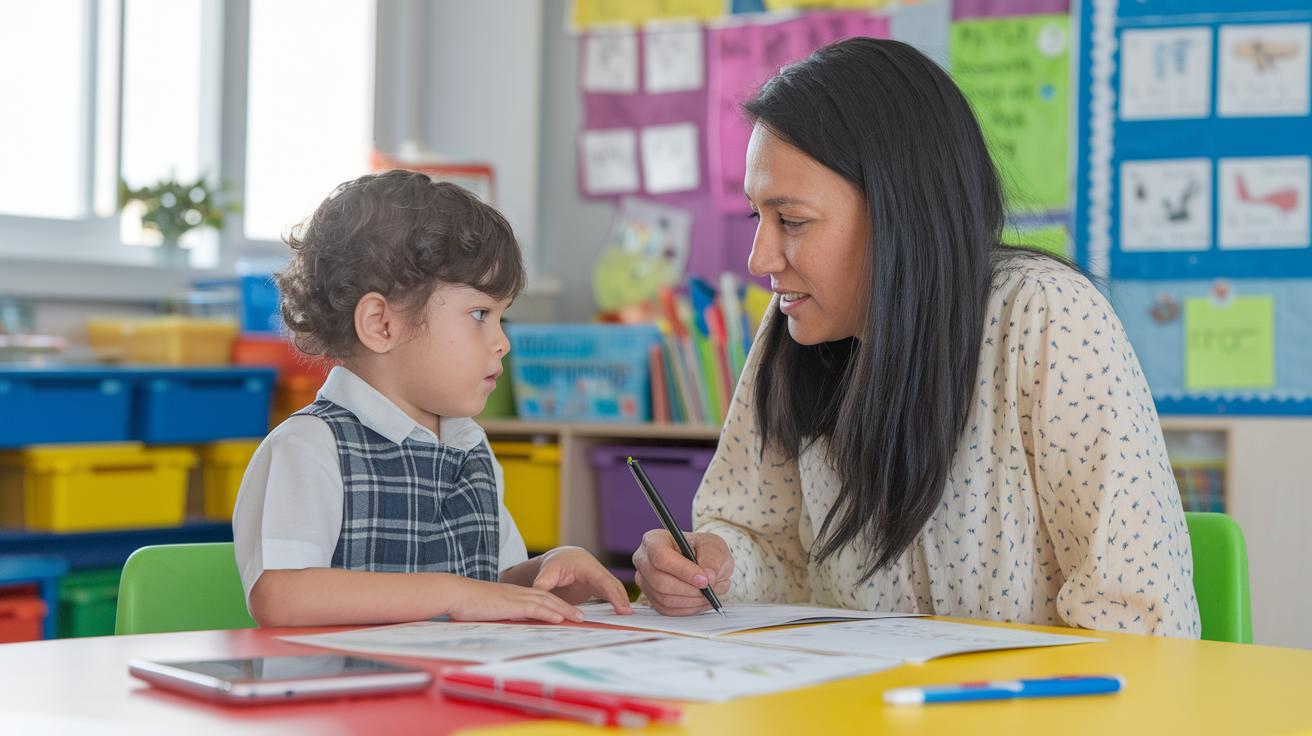
Educators and parents work together to help kids learn about and manage their feelings. In classrooms everywhere, teachers bring social emotional learning (SEL) into daily activities. They set a good example by showing positive behavior and encouraging kind, respectful talk. At home, parents create a sense of security through everyday routines and open chats about feelings, helping children build empathy and resilience.
Educator Strategies
Teachers use everyday classroom moments to show kids how to handle emotions well. For example, when a teacher discusses a conflict calmly or celebrates small successes, children see clear, relatable examples of managing feelings. This helps them understand that dealing with emotions is part of every day at school.
Creating a welcoming classroom environment is key too. Educators set up group activities and simple conflict-resolution exercises where students practice kindness and work through disagreements together. This approach not only builds empathy but also makes every child feel safe and valued.
Parenting Techniques
Parents also play a big role by using responsive care to help children explore their emotions. By listening closely and gently guiding their kids through ups and downs, parents create a space where little ones feel safe to share their feelings. A simple, comforting bedtime chat can turn into a moment for reflection and learning about emotions.
Additionally, play-based interactions at home work wonders. Whether through imaginative play or fun, interactive games, parents show children how to express and manage feelings, reinforcing necessary social skills from an early age. These daily moments lay a strong foundation for handling more complex emotions as they grow.
Assessing Social Emotional Development Progress
Measuring social emotional growth gives us a friendly snapshot into how kids connect with others, handle their feelings, and form relationships. Even though only three states have complete SEL guidelines for every grade, teachers and psychologists use steady methods to keep an eye on a child’s early social skills. These techniques track gradual changes and reveal how children tackle everyday challenges. For example, structured tools used during daily activities can uncover small shifts in behavior and emotions that might otherwise go unnoticed.
- Observational checklists
- Teacher rating scales
- Student self-report questionnaires
- Structured activities that measure empathy, self-awareness, and relationship skills
Mixing these tools together creates a well-rounded view of a child’s progress. By carefully recording observations and ratings, professionals can spot areas where a child might need a little extra support. This approach not only shows off a child's strengths but also helps pinpoint challenges right when they come up. It’s a practical system that lets educators and caregivers celebrate every win while quickly addressing any bumps along the way.
Final Words
In the action, we explored the core of social emotional development and its role in boosting well-being. Topics ranged from basic growth milestones and science-backed strategies to how educators and parents support emotional skills. We also looked at ways to observe progress with simple tools that reveal each child's unique path. This dynamic conversation reminds us that every step toward understanding feelings and building social skills is rewarding. Keep embracing these insights, they truly make a positive difference every day.