
Have you ever wondered if tiny tweaks in your day could lower your risk for long-term illnesses? For example, about six in ten Americans deal with issues like heart problems or diabetes. But a few small lifestyle changes can make a big difference in how you feel.
Imagine starting your morning with a nourishing meal or a quick, energizing walk. Taking small steps, like adding balanced meals, regular movement, and moments of calm, can transform your overall health over time.
Let’s explore some friendly, science-backed ideas you can easily include in your daily routine to help build a healthier, happier you.
Implementing Healthy Lifestyle Habits: Your Action Plan

Six out of every ten Americans face chronic diseases like heart trouble, cancer, stroke, or diabetes, but many of these issues can be prevented with a few simple changes. Creating a clear and easy-to-follow plan not only helps you work toward better health but also weaves holistic wellness into your daily life. With practical steps that are super simple to adopt, you can reduce your risks by blending active living with smart lifestyle tweaks tailored just for you.
Breaking your health challenge into bite-sized steps makes it easier to see progress. Even little changes, like doing a few pushups during your favorite TV show or replacing a processed snack with fresh fruit, add up over time. When you check in on your progress and set realistic goals, you build a strong foundation for lasting improvement.
- Balanced eating – Fill your plate with colorful fruits, crisp vegetables, lean proteins, and whole grains for steady energy and overall health.
- Daily movement – Enjoy a brisk walk, a few pushups, or jumping jacks when you get a chance, all these help boost your heart health.
- Quality sleep – Stick to a regular sleep routine by turning off screens and unwinding before bed for a refreshing night’s rest.
- Stress reduction – Take a moment to breathe deeply or enjoy a short mindfulness break during busy times.
- Hydration – Keep up with 8 to 10 cups of water each day to help your body work its best.
- Self-care – Set aside time for activities that recharge you, whether it’s a peaceful stroll outside or a few quiet moments for reflection.
Feel free to adjust these habits to match your unique schedule and preferences, and watch as these small changes make a big difference in your overall well-being.
Balanced Nutrition, Meal Planning, and Hydration for Healthy Lifestyle Habits

When you combine portion-controlled produce with healthy fats, you set the stage for better fiber intake, portion control, and steady blood sugar levels. Filling your plate with fruits and vegetables not only gives you a natural burst of energy but can also help lower your blood sugar over time. For instance, avocados pack in the good fats your body craves, while a handful of berries can add a refreshing hit of antioxidants (natural substances that help protect your cells). If you’ve looked into balanced meal ideas in What Does a Healthy Balanced Diet Look Like, you know that even small changes can transform your dining experience.
Here are some friendly tips to guide you:
- Fill your cart with a colorful mix of fruits and veggies.
- Plan ahead by drafting a weekly menu that includes protein, whole grains, and plenty of produce.
- Consider batch cooking to save time and keep your meals balanced all week.
- Keep healthy snacks like veggie sticks or fruit cups on hand to hit the spot between meals.
- Add nutrient-dense foods such as leafy greens, nuts, and seeds for an extra crunch.
- Stick to a grocery list and focus on shopping the store’s perimeter where fresh items are found.
- Remember to sip on water throughout the day, try infused water or even water-rich foods like cucumbers.
Drinking 8–10 cups of water daily is a simple win for improving digestion and maintaining steady energy. You might find it helpful to use a water-tracking app or a marked water bottle to keep an eye on your intake.
Daily Fitness Routines for Healthy Lifestyle Habits

Sticking to a daily workout routine builds solid habits that boost your overall well-being. A regular schedule can help keep your energy steady, lift your mood, balance your blood sugar, and even improve your mobility while lowering your chance of injury. Even quick sets of exercises during a TV break, like a few pushups or jumping jacks, can add up to more than 150 minutes of moderate exercise each week. That’s a simple way to keep your body moving and resilient.
Here’s a straightforward 20-minute circuit plan you can try today:
- 3 minutes of pushups to strengthen your upper body.
- 3 minutes of planks to secure your core.
- 3 minutes of jumping jacks to get your heart rate up.
- 2 minutes of bodyweight squats for powerful legs.
- 2 minutes of alternating lunges to improve your coordination.
- 3 minutes of mountain climbers for a full-body workout.
- 4 minutes of active stretching to cool down and boost your flexibility.
Cardio Options
For extra heart-healthy benefits, why not add in brisk walking, riding a stationary bike, or even climbing stairs? These activities are easy to work into your day, whether you're at home or taking a walk outside. They offer a refreshing lift to your cardiovascular health.
Strength and Functional Training
Mix in some dynamic moves with your body weight and light dumbbell exercises to enhance muscle tone and balance. Even a simple routine with basic equipment can build the strength you need while lowering the risk of injuries. For more beginner ideas, check out Strength Training for Beginners (https://nobrainertrends.com?p=178).
Setting weekly goals and keeping a log of your workouts can make all the difference. Small changes over time lead to big improvements, making an active lifestyle both fun and rewarding.
Restful Sleep Schedules for Healthy Lifestyle Habits

Getting a good night's sleep is the cornerstone of a healthy lifestyle. When you choose an early, steady bedtime and set aside 30 minutes without screens to wind down, your body enjoys balanced hormones that help control your hunger, mood, and energy. This regular sleep routine clears your mind and gives you the calm you need to face the day.
- Waking up at the same time every day keeps your body clock on track.
- A dark, quiet room helps cut down on light that might disturb your sleep.
- Cutting off caffeine in the afternoon means you'll feel less wired at bedtime.
- Doing relaxing activities like light stretching or reading can help ease you into sleep.
- Turning off screens at least 30 minutes before bed creates a peaceful sleep atmosphere.
Reviewing your sleep habits with a helpful tool, like the Best Sleep Tracker App (https://medsfax.com?p=915), can shine a light on what might be interrupting your rest. Once you start spotting patterns, you can fine-tune your routine for refreshed energy every day.
Effective Stress Management Methods for Healthy Lifestyle Habits
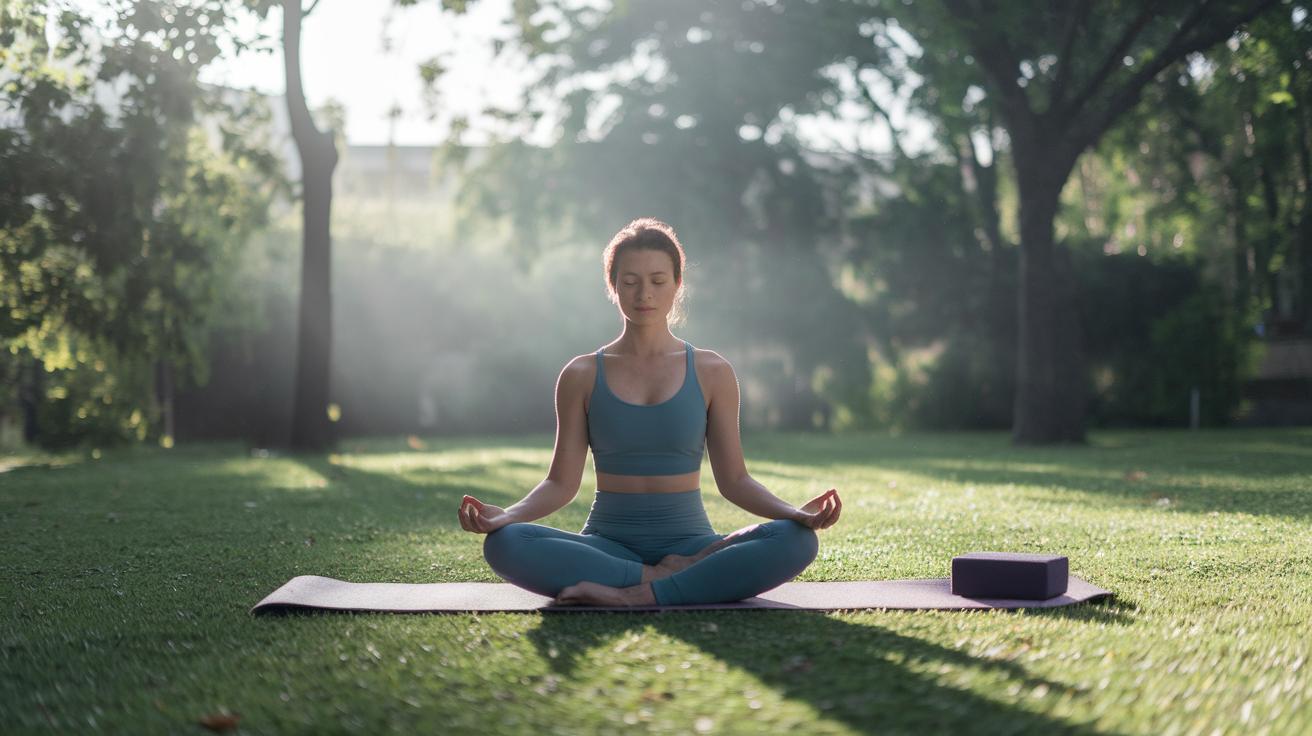
Feeling stressed can really take a toll on your body, sometimes even affecting your heart and blood pressure. The good news is that simple daily habits can help lower stress hormones and bring a calm, clear mind to everyday challenges.
Yoga and Stretching
Imagine starting your day with a gentle 10-minute routine. You could begin with soft neck rolls, move on to some shoulder shrugs, and finish with standing forward bends. This easy flow can melt away tension in your upper back and shoulders, leaving you feeling relaxed and ready for whatever comes next.
Breathwork Techniques
Ever tried the 4-7-8 breathing method? Breathe in slowly for a count of four, hold that breath for seven counts, and then let it out smoothly for eight counts. This simple method helps slow your heart rhythm and eases anxiety, providing a quick reset during a busy day.
Gratitude and Forgiveness Practices
Consider keeping a gratitude jar. Every day, write down one thing you’re thankful for, no matter how small. Pair this with a small forgiveness ritual where you admit mistakes and let go of grudges. These practices not only boost emotional strength but also help you focus on the bright spots in life. You might even track your stress levels before and after using these methods to see what works best for you.
Each of these steps invites you to take a moment for yourself, embrace simple changes, and enjoy a healthier, more balanced life.
Mindful Eating Techniques for Healthy Lifestyle Habits

When you sit down to eat, try to be fully present. Take your time and savor every bite, chewing around 20 times helps you appreciate the flavors and makes digestion easier. This mindful approach lets you listen to your body, so you know when you’re satisfied. Adding foods like berries, which are gentle on your blood sugar, or avocado rich in healthy fats, can help keep you full and support smooth digestion.
Focus on the taste and smell of your food to truly enjoy your meal. Keep an eye on how hungry or full you feel as you eat, and try turning off screens to avoid distractions. Breathe deeply between bites to keep your eating pace relaxed. And, halfway through your plate, pause for a moment to check in and see if you're still hungry.
A simple tip is to do a one-minute breathing exercise right before you eat. This little break helps clear your mind so you can enjoy a balanced, satisfying meal.
Natural Self-Care Rituals to Complement Healthy Lifestyle Habits

Self-care is a vital way to help you feel better every day. It eases tension in your body and brightens your mood. By adding natural practices into your routine, you support both physical and mental balance, giving you a moment to reset and boost your clarity.
- Using tea tree oil for your skin can help clear mild acne and leave you with a fresh, healthy glow.
- A gentle at-home lymphatic massage improves circulation and eases muscle tension, like giving your body a mini recharge.
- Spending a few minutes on guided journaling offers a calm spot to jot down your thoughts and get clear about your day.
- Enjoying yoga on your own or with family can increase flexibility, reduce stress, and bring a welcoming sense of calm.
- Taking time once a week for a gratitude practice, whether alone or with loved ones, builds emotional strength and a positive outlook.
Try marking these activities on your calendar. Even a few short minutes each day can turn these moments of care into a nurturing part of your daily life.
Preventive Care, Regular Check-Ins, and Progress Tracking for Healthy Lifestyle Habits

Regular check-ups like your yearly exam and basic screenings such as HbA1c (which measures your blood sugar) and blood pressure are a simple yet powerful way to catch potential issues early on. They give you a heads-up about what might be happening in your body so you can adjust your habits before a small concern turns into something bigger.
Checking in with yourself regularly, whether it’s through a quick chat with your doctor or a mindful sit-down with your health tracker, lets you see how well your body is reacting to the changes you’re making. It’s a bit like checking your car’s gauges during a long drive. When you notice something off, you can fine-tune your habits, keeping things running smoothly.
Having a way to track your daily routines can really boost your sense of accountability. Here’s a simple plan to get started:
- Pick a tool that works for you, an app or a good old journal.
- Note down what you eat and your exercise habits every day to capture the full picture.
- Once a month, set aside time to look over your progress and see how your numbers change.
- Adjust your goals based on what you see. Sometimes a small tweak can make a big difference.
- And don’t forget to celebrate those little wins, they keep you motivated and feeling good!
By paying attention to these details, you create a cycle of continuous improvement that helps you stay on top of your health. It’s all about making informed choices and feeling confident knowing you’re actively looking after your well-being.
Final Words
In the action, you explored simple shifts in fueling your body, staying active, getting quality sleep, reducing stress, and embracing mindful eating and self-care. Each step backed by science shows how small changes can boost your overall wellness. The guide also encourages tracking progress and preventive check-ins to keep you motivated and on track. Embrace these healthy lifestyle habits to enjoy a brighter, more energetic future, each day offers a new chance to feel your best.
FAQ
What are 10 healthy habits to follow everyday?
The ten healthy habits include balanced nutrition, regular exercise, quality sleep, mindful stress relief, proper hydration, portion control, preventive check-ups, self-care, mindful eating, and staying active daily.
How do I change my lifestyle to be healthy?
The process to change your lifestyle begins by adding small changes like preparing balanced meals, incorporating daily movement, and setting regular sleep schedules, which gradually lead to lasting improvements.
What are healthy habits for kids?
The healthy habits for kids include eating balanced meals, engaging in active play, maintaining a consistent sleep routine, and drinking plenty of water to support growth and long-term well-being.
What are healthy habits for students?
The healthy habits for students involve consuming nutritious meals, taking regular breaks for physical activity, getting adequate sleep, and managing stress to enhance focus and overall mood.
What is the importance of healthy habits?
The importance of healthy habits lies in lowering the risk of chronic conditions and improving energy, mood, and overall quality of life, ultimately leading to a more balanced and fulfilling daily routine.
What are the 7 components of a healthy lifestyle?
The seven components comprise balanced nutrition, consistent exercise, quality sleep, effective stress management, proper hydration, regular self-care, and routine preventive health check-ups for complete well-being.