
Have you ever noticed how just a few minutes of calm can change your day? Imagine quieting your busy thoughts like tuning down a bright light. Concentration meditation means focusing on one thing, your breath (the air moving in and out) or a simple phrase, to clear your mind and help you feel more alert. Research shows that even a short practice can boost your memory and ease stress. Over time, it helps turn scattered thoughts into a steady flow that carries you through your daily tasks with newfound clarity. Sometimes it’s really the little things that make all the difference.
Achieving Sharpened Focus with Concentration Meditation
Concentration meditation is all about zeroing in on one simple thing, whether that's counting your breaths, repeating a mantra, or focusing on a visual cue, to help shut out other distractions. There’s a neat story about a student who, right before a big exam, spent just a few minutes counting her breaths. That quick switch from a jumble of thoughts to a calm mindset shows how powerful a little focus can be.
Starting with short sessions of about five to ten minutes can really build up your concentration stamina. Over time, you might find yourself naturally moving into longer sessions of twenty minutes or more. This everyday practice not only hones your mental sharpness but also nurtures a steady, calming core that benefits everything you do.
Regular practice can clear your mind, sharpen your focus, and even ease feelings of stress and anxiety. Research tells us that consistent concentration meditation activates parts of the brain that handle attention and memory. As weeks pass, you might notice your ability to stay focused strengthening, along with a boost in emotional balance and even better sleep.
This method is wonderfully adaptable to different learning styles, whether you’re more visual, auditory, or hands-on. Imagine being able to switch off the noisy clutter in your head just like dimming bright lights to see more clearly. Even a brief meditation session can set the stage for a day filled with energy and clear focus.
Step‐by‐Step Guide to Practicing Concentration Meditation

-
Find a quiet space. Look for a place where you feel at ease and won’t be interrupted, maybe a cozy corner of your room or a peaceful spot outdoors under a gentle tree. Imagine settling in a calm nook where soft sounds and gentle breezes bring you peace.
-
Begin with a short session of 5 to 10 minutes. Think of it as a warm-up for your mind, much like a quick stretch before a workout. This short practice helps you ease into meditation without feeling overwhelmed.
-
Get comfy in a seated position. Sit on a chair or cushion where you feel relaxed, with your back upright but not stiff. Aim for a posture that’s as comfortable as settling into your favorite seat, letting your body relax while staying alert.
-
Pick something to focus on. You might count your breaths, repeat a calming phrase, or watch the flicker of a candle. If you decide to count your breaths, notice each gentle inhalation and exhalation. For a bit more guidance, you could explore mindful breathing techniques. This focus acts like a friendly reminder, guiding you back when your mind starts to wander.
-
Gently bring your focus back whenever distractions arise. When you notice thoughts about your daily life popping up, simply acknowledge them and return to your chosen point of focus. It’s much like guiding a wandering friend back to a familiar conversation.
-
Make it a daily habit. Try to meditate at the same time every day, whether it’s early in the morning or during a quiet afternoon break. Establishing a routine can turn these few minutes into a cherished habit that nurtures your mind each day.
-
Be patient and kind to yourself. Meditation is a practice that grows over time, and every moment you spend meditating counts. Remind yourself that even a short session is progress, leading to a clearer and more focused mind as you continue your journey.
Overcoming Common Obstacles in Concentration Meditation
Starting concentration meditation can sometimes feel trickier than expected because distracting obstacles tend to pop up uninvited. Recognizing these challenges early can really help you address them with practical, everyday tweaks.
- Wandering thoughts: When your mind drifts off, gently note that you're “thinking” or “planning.” For example, if you catch yourself daydreaming, simply say to yourself, “thinking,” and slowly guide your focus back to your breath.
- Physical discomfort: If your body starts to feel tense or uneasy, adjust your seating or try using a cushion. A small change here can help you stay both relaxed and alert.
- Impatience: It’s perfectly normal to feel a bit antsy when distractions occur. Remind yourself that every interruption is just part of the learning curve. Give yourself the grace to get better over time.
- Environmental noise or interruptions: If your surroundings become too loud or unpredictable, try finding a quieter spot or set a timer for your session. This little boundary can really make a difference.
- Fatigue or drowsiness: When you meditate, pick a time when you feel most awake. This helps keep your mind engaged and makes the practice more enjoyable.
- Irregular session timing: Keeping a simple log of your sessions can build a steady routine. Even a small note can encourage you to stick with a daily habit.
Remember, every step is a part of your meditation journey. Have you ever noticed how each small adjustment can gradually unlock more focus? Enjoy the process and know that each mindful moment adds up to lasting benefits.
Concentration Meditation vs Other Mindfulness Practices
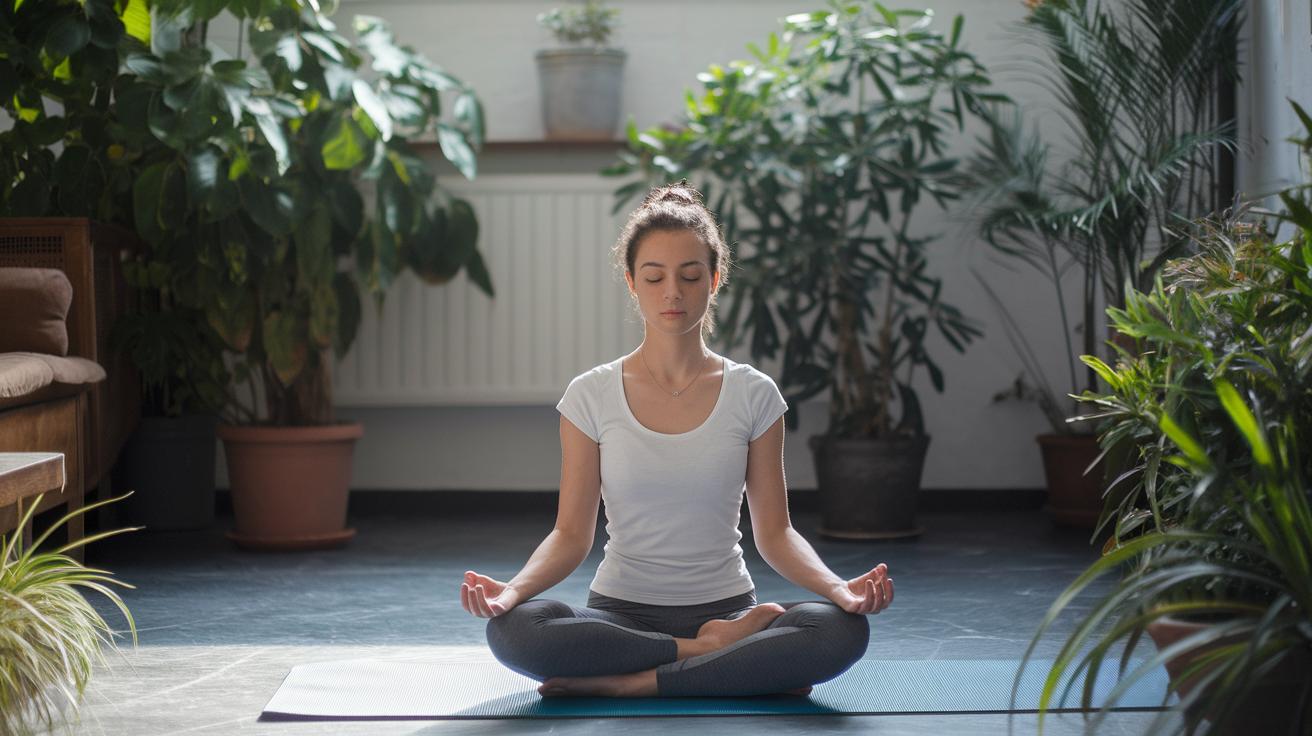
When you're training your mind, there are several methods that offer their own special benefits. Concentration meditation, for example, asks you to focus on a single point like counting your breaths or quietly repeating a word. This simple practice quickly sharpens your attention and helps clear away distractions, ideal for when you need a burst of mental clarity during a busy day.
On the other hand, open-monitoring mindfulness invites you to widen your awareness. Instead of fixating on one point, you simply observe your thoughts and feelings as they come and go, without judgment. This method creates a spacious sense of calm and can help you notice the natural flow of your inner dialogue.
Then there’s Transcendental Meditation, which involves silently repeating a mantra. This practice isn’t just about focus; it gently guides you into a deep state of rest where stress slowly melts away, leaving you feeling balanced and refreshed.
| Practice | Focus Object | Primary Benefit | Recommended Duration |
|---|---|---|---|
| Concentration Meditation | Single-point focus | Quickly sharpens attention | 5–20 minutes |
| Open-Monitoring Mindfulness | Thoughts and sensations | Expands self-awareness | 10–30 minutes |
| Transcendental Meditation | Silent mantra | Deep rest and stress relief | 15–20 minutes |
Each method brings its own strengths. Choose the one that best fits your current need, whether it’s a burst of focus or a calm, all-encompassing awareness.
Scientific Evidence Behind Concentration Meditation
Science shows that concentration meditation really works, offering benefits that go far beyond just the time you spend meditating. Regular sessions can lower your cortisol levels, cortisol is a hormone that increases stress and anxiety. Lower cortisol means you can feel calmer in moments of overwhelm. For more ideas on managing stress, check out these stress management tips.
Recent brain scans have even captured a brighter picture when you meditate. When you sit in focus, your brain lights up like a busy control center. Studies reveal that areas like the prefrontal cortex (the part that helps with decision-making) and the anterior cingulate (which helps manage your focus) get a significant boost. It’s like watching your brain get a little upgrade every time you refocus your attention.
Programs lasting about eight weeks have shown that even a short commitment can lead to better memory and quicker reactions. Think of it as training your brain like you train your muscles; the more you practice, the stronger your focus becomes.
One person even shared how a daily meditation routine sharpened their energy, mood, and overall focus. Their story matches up perfectly with the science, showing that concentration meditation is a reliable, natural way to boost both your mental performance and your sense of well-being.
Integrating Concentration Meditation into Daily Routines

Have you ever thought about adding a little meditation break to your everyday routine? Try starting with a quiet 5 to 10 minute session when you wake up. As you get ready for the day, pause for a moment, take a few deep breaths, and let a sense of calm gently set the tone for what's ahead.
Then, when midday fatigue starts to sneak in, why not take a mini break? A short session before or after lunch acts like a reset button, clearing away tiredness and helping you regain focus. It’s like a small mental refresh that keeps your day flowing.
Before you head off to sleep, consider a final short meditation to wind down. This simple ritual can help transition your mind into rest mode so you enjoy a deeper, more refreshing sleep. If you're interested in learning more about creating a balanced routine, check out a holistic lifestyle approach.
Another helpful tip is to keep an eye on what distracts you. Try jotting down any interruptions in a distraction log and set reminders to guide you back to your meditation. Switching your phone to airplane mode or cutting back on screen time before you meditate can really make a difference. This mindful step not only sharpens your focus but also supports overall mental wellness; you can find extra tips at mending mind wellness.
FAQs about Concentration Meditation
-
What defines concentration meditation?
This technique is all about honing your focus by choosing one point of attention, like your breath, a repeated word, or even a simple image. When you focus on your breath, for instance, you learn to notice when your thoughts wander and gently guide them back, almost like resetting a gentle rhythm in your mind. -
How long should practice sessions last?
Start off with short sessions of about 5 to 10 minutes and gradually ease into longer periods, eventually reaching around 20 minutes or more. Even a few minutes each day can boost your focus noticeably within a couple of weeks. -
How can this practice help with anxiety?
By centering your mind on one steady detail, you can ease tension and lower stress levels. If you’re finding anxiety a bit overwhelming, try shorter, more frequent sessions to give your mind a quick breather. For example, if one session feels too intense, you might use the gentle flicker of a candle as a calm focus point. -
Which focal points prove most effective?
Feel free to mix it up by trying different focus points, such as counting your breaths, softly repeating a comforting phrase, or even paying close attention to the feel of an object in your hand. If one method doesn’t quite click, you might find that the smooth touch of a stone offers a steadier sense of calm. -
What can you do when practice challenges arise?
Keep track of what pulls your attention away and adjust either your focus or the length of your sessions as needed. For instance, if distractions keep cropping up, jot them down and experiment with a new point of focus. This trial-and-error approach can really help you fine-tune your meditation practice.
Final Words
In the action, this article explored how concentration meditation sharpens mind clarity and boosts focus. It broke down a step-by-step guide, tackled common setbacks, and even compared this practice to other mindful methods. Research-backed insights shared how short sessions build resilience, reduce stress, and support brain function. The practical strategies for daily integration help make concentration meditation a useful part of everyday health. Every small step can spark noticeable improvements, here's to a clear mind and a refreshed outlook on wellness!
viagra agv price
viagra agv price
cenforce 200mg sildenafil pills
cenforce 200mg sildenafil pills
avanafil dosage form
avanafil dosage form
typical tadalafil doses
typical tadalafil doses
udenafil buy
udenafil buy
semaglutid biverkningar hund
semaglutid biverkningar hund
minoxidil hair conditioner
minoxidil hair conditioner
doxycycline length of treatment
doxycycline length of treatment
metronidazole 1 gel otc
metronidazole 1 gel otc
ketoconazole cream science
ketoconazole cream science
terbinafine dosage regimen
terbinafine dosage regimen
toradol onset
toradol onset
ivermectin safety profile analysis
ivermectin safety profile analysis
minoxidil mechanism interpretation
minoxidil mechanism interpretation
minoxidil pk metabolism kinetics
minoxidil pk metabolism kinetics
avanafil food interaction advisory
avanafil food interaction advisory
vardenafil vs sildenafil overview
vardenafil vs sildenafil overview
amoxicillin antibiotic summary
amoxicillin antibiotic summary
Sildenafil vs Avanafil Comparison
Sildenafil vs Avanafil Comparison
Sildenafil vs Cialis Duration Data
Sildenafil vs Cialis Duration Data