
Ever feel like your mind is running a nonstop race? Mindfulness can be a really simple way to bring some calm into all that noise. It’s about paying attention to your breath (the steady in-and-out that grounds you) and letting those small moments wash over you like gentle waves. Even just a few minutes can help you stay present and melt away daily stress. Imagine turning a quick pause into a refreshing reset for your whole day.
Mindfulness Training Essentials: Techniques, Courses, and Guided Methods

Mindfulness training helps you feel calmer and sharper. It mixes mindful awareness with easy, guided sessions so you can start quickly and keep going. For instance, you might settle into a simple breathing session with your eyes closed, noticing each breath like a gentle wave washing over you.
The online MBSR course is split into eight weekly sessions that walk you through each step. You’ll explore practices like Raisin Meditation, Body Scan, Sitting Meditation, Mindful Yoga Parts 1 & 2, and meditations named Mountain, Lake, Walking, and Silent. One participant even shared that during Raisin Meditation, a common raisin turned into a delightful sensory surprise. Over 7,500 people from more than 100 countries have completed this free course, enjoying helpful readings, videos, and audio recordings guided by caring volunteers.
This resource not only teaches meditation techniques but also kickstarts your journey to a calmer mind. Each weekly module builds on the one before, blending clear explanations with practical tips that fit into everyday life. By making room for these practices, you can boost your focus, ease stress, and nurture a greater sense of well-being.
Core Practices in MBSR Mindfulness Training

The eight-week program still guides you, but now each practice comes with a richer, deeper meaning. For example, Raisin Meditation not only sharpens your senses but also lets you see how your brain picks up on small details. Try it for yourself: hold a raisin slowly and feel every tiny change, it’s like giving your brain a mini workout.
The Body Scan has been updated to help you face real-life challenges. It teaches you to notice distractions without getting upset. When tension shows up, just pause and watch it shift across your body, almost like a changing landscape.
Mindful yoga mixes easy movement with focused reflection. This practice, built on age-old ideas linking posture with breath, invites you to see how moving and meditating can work together. Check it out here: mind body and yoga, and imagine your body and mind having a gentle conversation.
Silent retreats and home tasks add extra layers to your journey of self-discovery. Sitting with your thoughts can sometimes reveal surprising feelings and insights. Picture a quiet retreat where tuning into your inner voice feels both unexpected and enlightening.
Beginner Exercises in Mindfulness Training

Looking to find some inner calm? Try these easy exercises that help you set up a daily mindfulness routine. You might start with a quick 5-minute breathing meditation where you pay attention to the flow of your breath. Let each inhale and exhale bring you back to the present moment.
Here are some simple practices to get you started:
- 5-minute breathing meditation: Focus on the feeling of air moving in and out, giving your day a little pause.
- 3-minute body scan: Check in with different parts of your body and notice where you feel tension or relaxation.
- 11-minute awareness of breath: Sit quietly and observe your breathing; let your thoughts come and go like clouds drifting by.
- 20-minute guided session for anxiety: Follow a structured practice that gently shifts your worry toward a calmer state of mind.
- Breathing compassion in and out: Use the natural rhythm of your breath to send kind thoughts to yourself.
- Loving-kindness heartscape meditation: Repeat caring phrases to nurture warm feelings for both yourself and others.
For a gentle self-compassion exercise, try the "self compassion meditation" available here: self compassion meditation.
These practices are perfect for beginners and can be easily modified for kids or teens. Give them a try and notice how a little focused time each day can brighten your mental space.
Certification and Advanced Mindfulness Training Programs

Advanced mindfulness training takes your daily practice to a whole new level. These certification programs aren’t just about learning techniques; they ask you to commit to daily habits and even join silent retreats over one or two years. You’ll not only deepen your own awareness but also learn how to guide others with genuine confidence.
When you join a mindfulness certification course, you dive into well-structured modules that sharpen your focus and refine your skills. Imagine it like training for a marathon, each step builds up your endurance and clarity. It’s a journey where every daily practice helps you feel more centered and sure of your ability to support others.
Some instructor certification programs, such as the one at Brown University for the MBSR Teaching Certificate, are well-known for fostering professional growth. Then there are programs like Breathworks Teacher Training in the United Kingdom and online certifications from Mindfulness Exercises, both of which combine real-life practice with theoretical lessons. These courses mix personal daily practice with classroom learning to build essential skills for anyone looking to teach mindfulness.
For healthcare professionals and educators, there are specialized tracks that offer focused training. Institutes like the Mindfulness in Schools Project, Antioch University, and the University of San Diego have modules designed for teachers to bring mindfulness into their classrooms. Therapists can also benefit from advanced training, allowing them to effectively blend mindfulness techniques into their clinical work.
| Mindful Practice Certification | Description |
|---|---|
| Certification course for mindful practice | Involves daily practice and immersive silent retreats |
| Instructor certification program | Grows your skills for teaching mindfulness with supportive modules |
| Professional Growth in Mindful Techniques | Builds practical skills through intensive study and hands-on approaches |
| Clinical Practice for Therapists | Offers specialized training modules for mental health professionals |
| Educator Mind Training Module | Prepares teachers to easily introduce mindfulness in schools |
Mindfulness Training Applications for Stress Reduction and Pain Management

When the stress of everyday life gets too much, mindfulness training can offer some real relief. Studies show that a quick 20-minute breathing session helps lower stress markers like cortisol (a hormone that shows your body is stressed) and eases anxiety. It gives your mind a chance to pause and reset, making it easier to handle daily pressures.
Even if you're dealing with long-term pain, mindful breathing techniques can shift your focus away from discomfort and help calm your nervous system. And when it comes to healing from emotional wounds, mindfulness can be a gentle companion. Techniques like RAIN, Recognize, Allow, Investigate, Nurture, create a calming ritual to face intense feelings. One person shared, "I tried RAIN meditation and felt as if I was gradually letting go of a heavy burden." This approach builds a solid link between understanding your emotions and soothing your body, boosting your strength to recover from tough experiences.
Mindfulness also offers a way to manage pain without drugs. For instance, a mindful body scan gently directs your attention to areas of tension, encouraging them to relax over time. With a little practice, these simple techniques can create a calmer state of being, making it easier for you to handle both stress and physical discomfort.
- 20-minute breathing meditation for easing anxiety
- Mindful body scan for managing chronic pain
- RAIN meditation for helping recover from trauma
Scientific Insights on Mindfulness Training Benefits

Research into mindfulness has uncovered some cool benefits for our mental well-being through simple meditation exercises. Studies using functional MRI (a scanner that lets us see active parts of the brain) show that focusing on nasal breathing can boost our brain's attention networks. In other words, these easy breathing practices help sharpen our focus.
Randomized trials, which are like fair tests, have found that regular practice of Mindfulness-Based Stress Reduction (MBSR, a structured program to help manage stress) lowers the brain’s reaction to stress by calming the amygdala, a part of the brain responsible for our fight-or-flight response. This means everyday challenges might feel a bit less overwhelming.
Other studies looking at neuroplasticity, the brain’s amazing ability to change, and gentle exercises have noted an increase in gray matter density in the hippocampus (a brain area important for memory and handling emotions). This is likely why routine mindfulness can help improve memory and align our emotions more evenly.
Further research, including several meta-analyses (which combine results from different studies to make solid conclusions), confirms that these mindful sessions can boost our mood and enhance the mental control we have over our thoughts.
There’s also evidence from studies on stress biomarkers. These show that after a mindfulness session, levels of cortisol (a well-known stress hormone) drop. It’s pretty amazing how a few mindful minutes can help remodel the way our brain handles stress!
Have you ever taken a moment to just breathe and felt a bit clearer afterwards? These findings not only support the idea that mindfulness is a valuable mental health tool, they invite us to weave a few mindful moments into our daily routines, something that might just brighten our overall well-being.
Incorporating Mindfulness Training into Everyday Routines
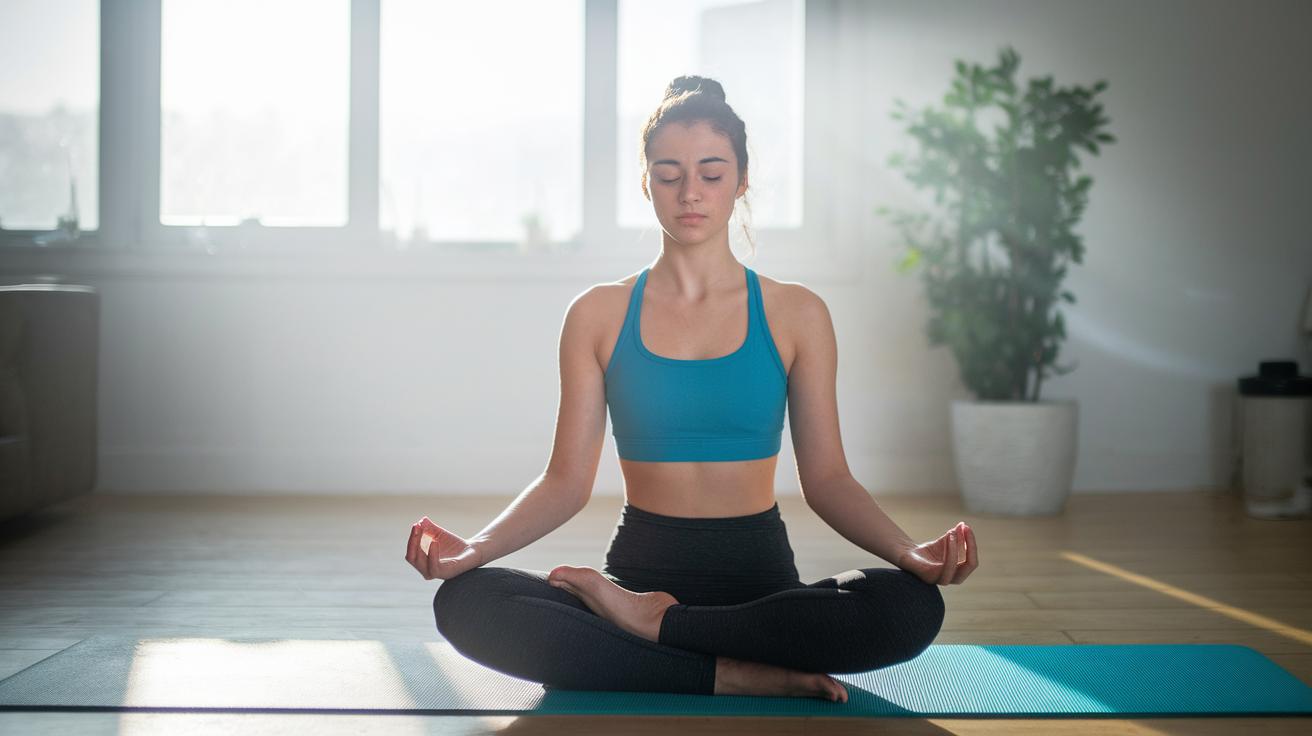
Start by dedicating a steady 10-minute block every day for a little meditation break. Picture yourself sitting quietly after breakfast, counting your inhales and exhales, and letting your thoughts settle. This small daily ritual can bring a refreshing sense of balance to even the busiest day.
Next, mix your meditation with other daily moments. For instance, try enjoying your food with full attention. Before you take your first bite, pause for a moment. Look at the colors and textures of your meal and let your senses wake up. It’s like turning a regular meal into a mini sensory adventure.
It also helps to keep track of how you’re feeling. Consider keeping a simple journal or a note on your phone after each session. Write down a few thoughts about your mood or how focused you felt. Sometimes, these little reflections remind you just how far you’ve come.
And why not connect with others along the way? Joining a supportive group or an online community can keep you motivated. Sharing both your wins and your struggles with a few kindred spirits can really boost your confidence in the practice.
Remember, every small step matters. Have you noticed how even tiny changes can lead to a more peaceful and mindful life?
Mindfulness Training Resources: Apps, Guided Sessions, and Retreats

Mindfulness is now easier to practice than ever before, thanks to free and affordable platforms. These days, plenty of mobile apps offer guided audio exercises, including quick 15-minute sessions that help clear your mind during a busy day. One user even mentioned, "I take a 15-minute session during my lunch break, and it completely resets my focus." It really shows how a little time can go a long way. You can even find these sessions with a simple search phrase like meditation 15 minutes.
Online, there are also courses and free video modules that guide you through mindful practices. Some platforms offer short 12-minute podcasts to introduce you to the basics, while others provide a set of 17 downloadable exercises to help you ease stress and boost your awareness. These resources are perfect for anyone looking to build a daily practice without needing a lot of extra time.
If you prefer a more personal touch, in-person mindfulness retreats might be just what you need. Across the globe, you can join immersive workshops, from weekend intensives at Spirit Rock to 10-day silent retreats at places like Gaia House or Plum Village. These retreats give you the chance to deepen your practice through focused meditation sessions.
Adding guided sessions through companion apps is a wonderful way to blend the convenience of digital mindfulness with the profound benefits of in-person experiences. It’s a simple step to explore different formats and discover what truly calms your mind and nurtures your inner balance.
Final Words
In the action we covered mindfulness training essentials, from foundational MBSR modules to beginner exercises and advanced certification programs. We explored how structured practices help manage stress and pain, supported by scientific insights that show benefits for brain function and emotional well-being. Practical tips on incorporating daily mindfulness training into your routine were also highlighted. This balanced mix of expert-backed information and simple strategies makes it easier to make mindful choices and build a calmer, healthier lifestyle. Embrace these practices and enjoy the positive changes ahead!
FAQ
What does mindfulness training certification mean?
Mindfulness training certification means earning recognized credentials that show you’re proficient in mindfulness practices, equipping you with skills to lead exercises that support mental well-being.
How does mindfulness training for therapists work?
Mindfulness training for therapists equips professionals with techniques to reduce stress, manage pain, and support emotional resilience in clients, enhancing their overall therapeutic approach.
What are mindfulness exercises?
Mindfulness exercises are simple, guided practices such as breathing techniques and body scans that help you stay present, reduce stress, and improve focus throughout your day.
How can I access mindfulness training and certification for free?
Free mindfulness training and certification programs are available online, offering self-paced modules and guided exercises that support stress reduction and daily mental clarity without any fees.
What is MBSR training?
MBSR training, or Mindfulness-Based Stress Reduction, is an eight-week program featuring practices like Raisin Meditation, body scan, and mindful yoga to help reduce stress and boost focus.
What does a Harvard mindfulness course online offer?
A Harvard mindfulness course online offers expert-guided modules that blend meditation techniques with stress reduction strategies, enabling you to build a solid mindfulness practice at your own pace.
What is mindfulness training certification online?
Mindfulness training certification online provides structured, self-paced courses that assess your proficiency in mindfulness techniques, allowing you to earn credentials without attending in-person classes.
What is mindfulness training?
Mindfulness training involves guided exercises that enhance moment-to-moment awareness, reduce stress, and promote mental clarity through practices like meditation and body scans.
What are the five mindfulness trainings?
The five mindfulness trainings typically include guided breathing, body scan, sitting meditation, mindful movement, and loving-kindness practices that together foster awareness and calm.
What are the 5 R’s of mindfulness?
The 5 R’s of mindfulness are recognizing thoughts, releasing negative patterns, relaxing the body, responding with calm, and reflecting on your experiences to build self-awareness.
What qualifications are needed to teach mindfulness?
Teaching mindfulness generally requires completed certification courses, extensive personal practice often spanning 2–3 years including retreats, and solid training in a variety of mindfulness techniques.