
Have you ever wondered if you need expensive gear to boost your workouts? You really don’t. Using just your body weight can mix up your routine and add an extra spark to your home sessions.
In this guide, we explore easy moves like squats, lunges, push-ups, and planks that you can build into a workout plan without any fuss. We'll show you how to start small, track each step, and gently challenge yourself, all without cramming your space with equipment.
Imagine finishing a session with a refreshing burst of energy that lifts both your body and mood. Ready to see what a little change can do? Let’s dive in and make home fitness both fun and effective.
Blueprint for an Effective Bodyweight Training Program

First, remember that bodyweight training means using your own weight as resistance. It covers moves like bending (try a bodyweight good morning), squatting (regular squats work well), lunging (in forward or reverse style), pushing (with different types of push-ups), pulling (such as pull-ups or rows using a doorframe), and core work (like planks). This method keeps things simple, you can get by with just a pull-up bar or a resistance band.
Start by jotting down a basic list of the equipment you have and check how you’re doing now. For instance, see how many controlled push-ups or squats you can manage. This initial test helps you decide on a good starting point, usually around 10 to 12 reps for each move. If you need more tips on building your routine, there’s a handy guide here: strength training for beginners.
Next, plan your workouts to cover your whole body with about 10 different exercises. You can either set a fixed number of sets and reps or work by timing your intervals. A common beginner plan might include doing three 20-minute circuits, two to four times a week, making sure you take a full rest day (about 48 hours) between sessions. This helps keep your routine balanced and prevents overdoing it.
To keep your progress moving, try a few simple tricks each week. You can add more reps, switch up to tougher variations, adjust your work-to-rest times (maybe work 5 seconds longer or rest 5 seconds less), or just add another set or circuit. Each small change helps you build strength over time.
By setting up your routine with minimal gear, a clear starting assessment, and flexible circuit options, you create a home workout plan that’s both personalized and sustainable. It’s a straightforward process that not only builds strength but also keeps your workouts fun and effective.
Six Foundational Movements in Your Bodyweight Training Program
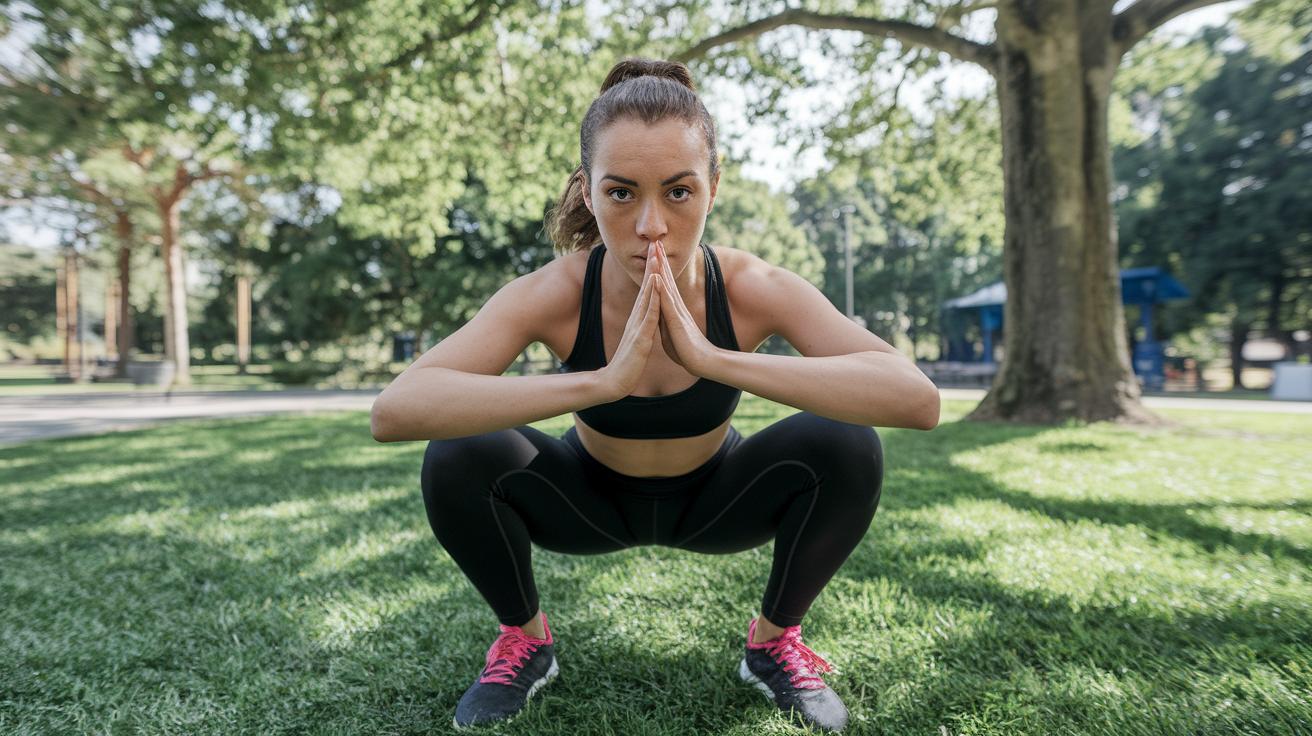
Bodyweight workouts are a friendly, effective way to build strength and stability. By moving through six basic patterns, bending, squatting, lunging, pushing, pulling, and core work, you target key muscle groups, improve balance, and keep your joints healthy. I often start with gentle moves like good mornings to wake up my lower back and hamstrings.
When it comes to squats, mix it up with bodyweight squats, sumo squats, or Bulgarian split squats. For instance, begin with a regular squat and, as you get comfortable, deepen your range. After a few weeks, you might even try jump squats to add a burst of energy.
Lunges can be switched up too. Try forward lunges, reverse lunges, or even walking lunges to give your legs a fresh challenge while boosting your balance.
Push-ups offer plenty of variety. Start with wall or knee push-ups to build a foundation, then try incline or diamond push-ups as you gain confidence. Diamond push-ups, for example, can really fire up your triceps and change the game.
Pull exercises like pull-ups, chin-ups, or doorframe rows strengthen your back and biceps while supporting a better posture. If a full pull-up is too much at first, try inverted rows until you’re ready to level up.
Core moves such as planks, side planks, and mountain climbers not only firm up your abs but also help with everyday activities. Gradually hold your planks longer as your core strength improves.
If you’re just starting out, aim for 10 to 12 repetitions per move and focus on getting your form right. As you build strength, challenge yourself with more demanding variations to keep enhancing your control, endurance, and overall power.
Crafting Full-Body Sessions for Your Bodyweight Training Program

Imagine planning a workout that fuses strength, endurance, and a real burst of heart-pumping energy, all without any equipment. A reliable method is to structure your session into three different circuits that include 3 to 4 exercises each, totaling about 9 to 12 moves per workout. Here’s one friendly approach to try out:
-
Circuit A: Do push-ups, lunges, and planks. Work for 40 seconds and then rest for 20 seconds. Picture yourself doing push-ups at a steady pace until you feel that pleasant burn, then moving into lunges to keep your energy up.
-
Circuit B: Try bodyweight squats, doorframe rows (a simple way to build lower-back strength by leaning against a sturdy doorframe), and side planks. Spend 30 seconds on each move with a 30-second rest between sets. This combination targets your lower body and upper back, while those side planks give your obliques a good challenge.
-
Circuit C: Finish with burpees, mountain climbers, and glute bridges. Aim to do as many reps as you can in 5 minutes. Think of this as a high-energy series that ramps up your heart rate and boosts endurance.
If you're new to these workouts, a balanced routine might last about 20 minutes with equal periods for work and rest to help you build confidence with each move. Once you’re feeling ready, you can adjust by extending the work intervals to 45 seconds, cutting the rest down to 15 seconds, or even adding another circuit for an extra push.
This session design mixes heart-pumping aerobic exercise with muscle-strengthening movements in a smooth, engaging flow. The varied circuit timing keeps your body guessing so that every session remains both stimulating and effective. By combining different exercises, you’re working multiple muscle groups at once while also keeping your heart happy, a perfect recipe for a home workout that burns calories and builds lean muscle. Just remember to listen to your body and slowly increase the intensity at a pace that feels just right for you.
Scheduling and Frequency in Your Bodyweight Training Program
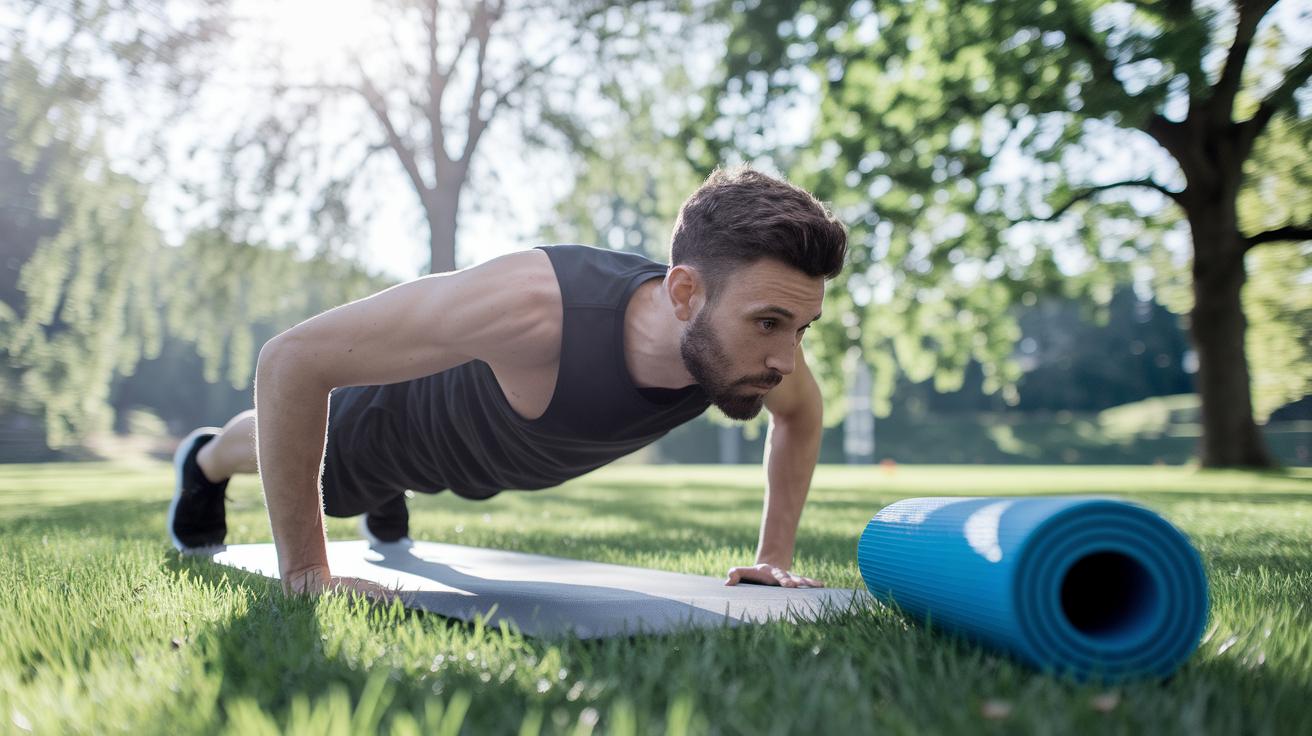
Most people find that planning 2 to 4 sessions each week hits the sweet spot between challenging your body and giving it time to recover. Picture a typical week like this: on Monday, Wednesday, and Friday, you tackle circuit sessions that mix different bodyweight moves, building both strength and endurance. On Tuesday and Thursday, you take it a bit easier with active recovery, think gentle mobility drills and light cardio that help your muscles unwind. Saturday is perfect for a little extra focus, whether that's practicing pull-ups or honing your core skills, and then Sunday is all about resting, allowing your body to rebuild and recharge.
Remember to give yourself at least 48 hours of rest after a tough circuit session. Switching up your focus each week, maybe emphasizing lower-body moves one week and shifting to upper-body exercises the next, not only keeps your routine fresh but also supports balanced progress.
In short, aim for a balanced mix of challenge and recovery so your workouts stay exciting and your muscles have the downtime they need to grow and heal!
Progression Strategies in Your Bodyweight Training Program
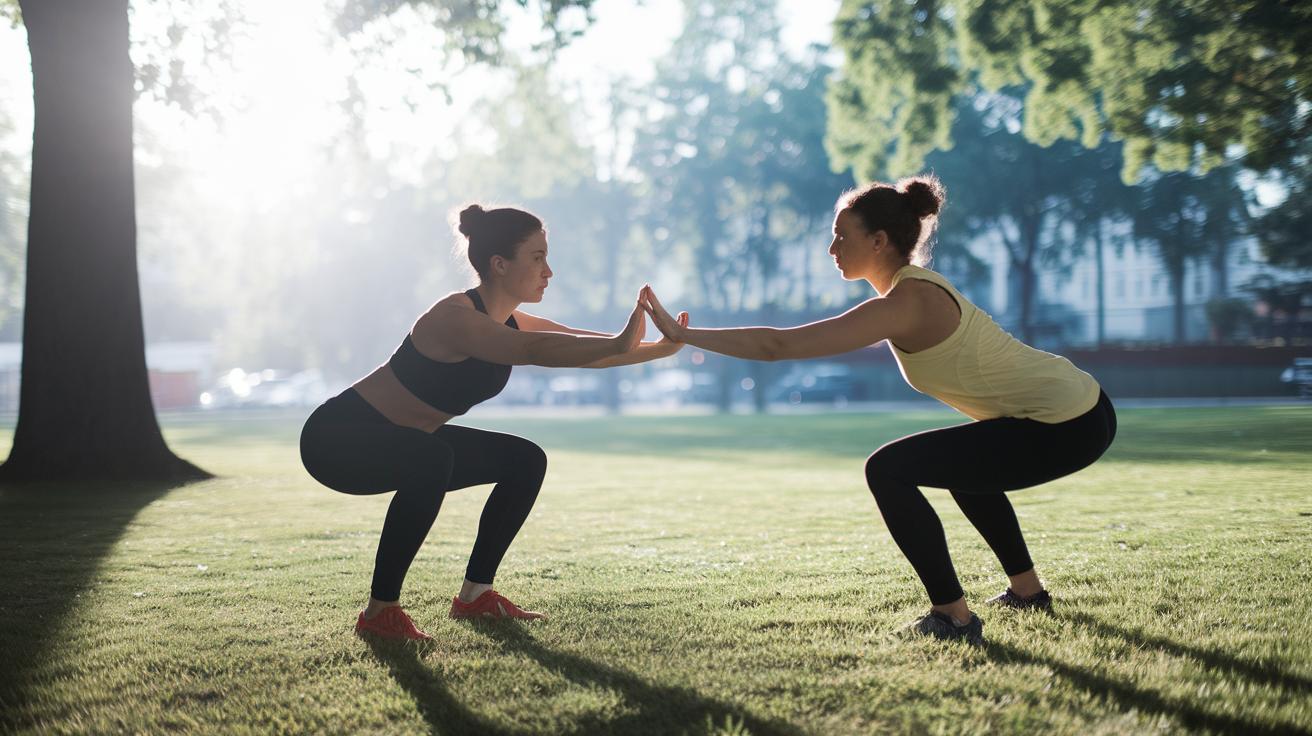
We’ve put together trusted methods and advanced tips to help you build a strong foundation. Start with these basic steps to grow your workout safely and steadily.
- Increase your reps. For example, begin with 10 squats and work towards 15.
- Switch up your exercise variations. Try a knee push-up first, then move on to a standard push-up, and eventually try an elevated push-up.
- Tinker with your work-to-rest ratio. Work a few extra seconds or cut down a bit on your rest time.
- Add extra sets or circuits. When your routine feels easy, throw in another set to boost your challenge.
Next, try these advanced strategies to keep progressing:
- Plan your training in cycles of 4 to 6 weeks. Gradually increase the workout intensity or complexity, then take a recovery week. Think of it like alternating between challenging days and lighter recovery days.
- Track your progress with simple measures. Count your reps or use your own “felt” scale (a way to show how tough a workout was). For instance, label a session “challenging” when you push past your usual limit.
- Add active recovery sessions. Light stretching or mobility moves after hard workouts can help your muscles recover faster.
| Progression Type | Method |
|---|---|
| Basic | Increase reps, exercise variations, adjust work-to-rest ratio, add sets/circuits |
| Advanced | Plan 4- to 6-week cycles, track simple metrics, include active recovery |
Warm-Up, Mobility, and Recovery in Your Bodyweight Training Program

Before every workout, spend 5 to 7 minutes getting your body moving with some dynamic warm-up exercises. Try a mix of simple drills like 10 arm swings forward and back, leg swings to loosen up your hips, hip circles, and shoulder rolls. Think of it as giving your muscles a gentle nudge to get ready, just like a quick check-up on a race car before it speeds off!
After you finish an intense set of circuits, take about 5 minutes to cool down. Hold a hamstring stretch and a standing quad stretch for 30 seconds each, and slip into a child’s pose to ease any tension in your spine. You might also enjoy adding in a foam roll or some banded shoulder mobility drills once or twice a week. These cooldown steps not only help your body recover faster but also build long-term joint strength and flexibility, making your workouts both effective and safe.
Tracking Progress and Adjustments in Your Bodyweight Training Program

Start by keeping a simple workout journal where you jot down the date, the exercises you do, the number of sets and reps, how long you hold positions, and your rest times. Think of it as your personal progress diary that lets you see your improvements over time.
Take a moment each week to look over your notes. Notice if you’re adding more reps or extending the time you work each move, and pay attention to how easily you complete them. For instance, maybe your squats feel smoother or your push-ups more controlled, clear signs that your strength and form are getting better.
Use your observations to fine-tune your next session. Try adding an extra rep or two, or cut your rest period by about 5 seconds. If an exercise feels too easy, consider a tougher variation. Checking in on your progress like this not only shows when you might need a recovery day but also keeps your workout routine fun and effective.
Advanced Calisthenics Progressions for Your Bodyweight Training Program
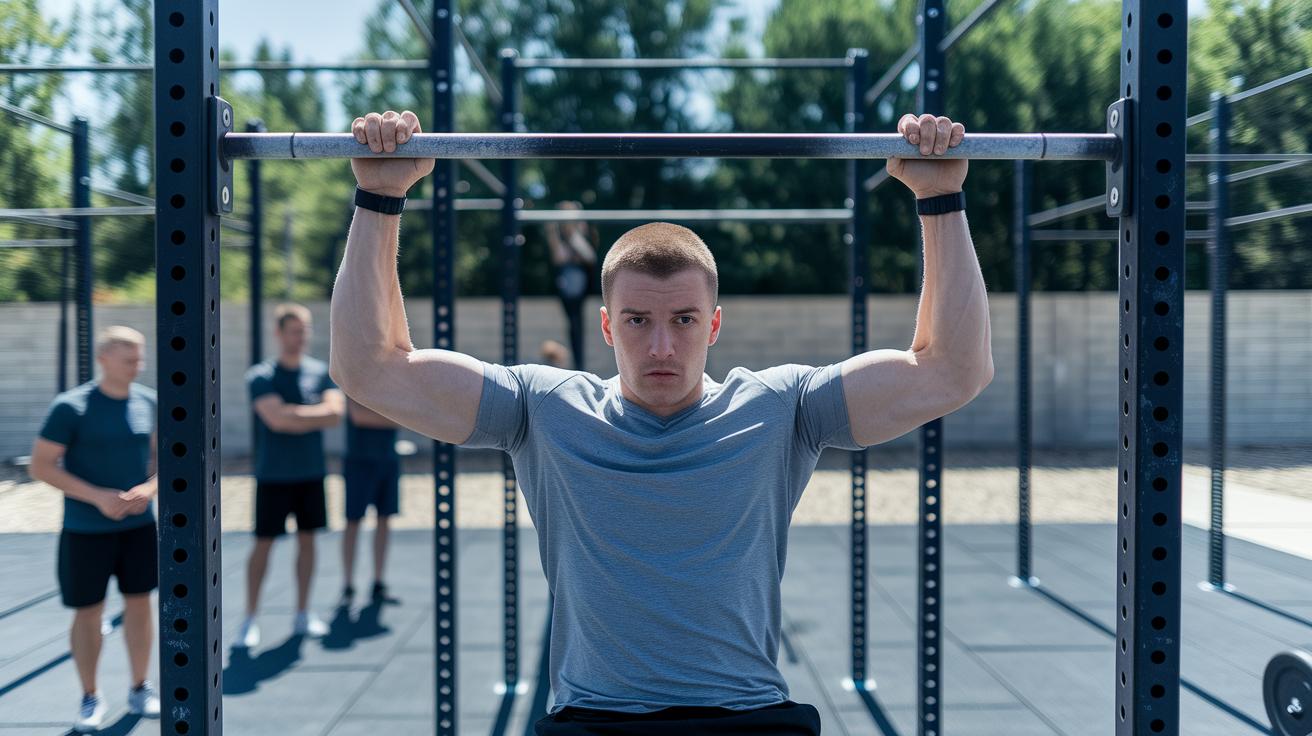
After building a strong foundation, it's time to take your workouts up a notch with more challenging calisthenics. Start each session with a 5-minute warm-up, a few arm swings and wrist rotations will get your muscles and joints ready for the work ahead.
Kick off by doing pull-ups or their assisted versions for 6 to 8 reps. If you’re aiming for better muscle definition, consider using resistance training for muscle growth (adding weight to help build muscle). Next, try one-arm row progressions with your feet elevated on a bench. This move challenges your upper back and helps boost your stability.
Now, mix in some explosive exercises to really feel the burst of energy. For example, jump squats for 8 to 10 reps will power up your legs, while plyo push-ups for 5 to 8 reps fire up your upper body. Don't forget to strengthen your core. Add in L-sit holds for 10 to 20 seconds and hanging knee raises for 8 to 12 reps. These drills improve stability and control, setting you up for even tougher moves down the road.
Finish your workout with a cool-down that lasts about 5 minutes. Focus on static stretches for your shoulders and hips to help your body recover. And as you get stronger over the next 4 to 6 weeks, gradually increase the challenge by holding stretches longer, doing more reps, or trying variations like decline push-ups or archer pull-ups.
Final Words
In the action, you’ve learned how to build a bodyweight training program using six core movements and practical session layouts. The guide walked through warm-ups, recovery, scheduling, and future progression steps so you can keep those workouts fresh. It also shared tips on tracking progress and making smart adjustments. By embracing this approach, you'll gain strength step-by-step while making real progress. Enjoy each workout session and trust that your personalized routine will help you succeed in your bodyweight training program.
FAQ
Q: What does a Bodyweight Training Program PDF include?
A: A Bodyweight Training Program PDF includes clear instructions on exercises using your own body weight, offering circuit breakdowns and progression tips that help build strength and endurance at home.
Q: What does a 12 Week Bodyweight Workout Plan PDF provide?
A: A 12 Week Bodyweight Workout Plan PDF offers a structured, three‐month schedule with daily circuits, rest periods, and progressive challenges that boost strength and stamina in convenient home routines.
Q: How can beginners best start with a Bodyweight Training Program?
A: Starting a bodyweight training program for beginners means following a simple guide that outlines basic moves and gradual progressions, ensuring you build strength safely and steadily.
Q: What is unique about a Military Bodyweight Workout Plan PDF?
A: A Military Bodyweight Workout Plan PDF features intense drills and high‐intensity circuits that mirror military training, emphasizing strength, endurance, and discipline in a compact format.
Q: How is a Full Bodyweight Training Program structured for a no-equipment workout?
A: A full bodyweight training program is structured with circuits that target all major muscle groups using fundamental moves like push-ups, squats, and planks to deliver balanced strength and flexibility.
Q: What kinds of Bodyweight Exercises can be done at Home?
A: Bodyweight exercises at home include squats, lunges, push-ups, and planks, which can be mixed into simple circuits that challenge your muscles using nothing more than your own body weight.
Q: Is it possible to get ripped with only bodyweight exercises?
A: It is possible to get ripped with bodyweight exercises by consistently challenging your muscles with progressive variations, combined with proper nutrition and ample recovery to build lean muscle.
Q: What is the 6 12 25 Rule?
A: The 6 12 25 Rule refers to a method of structuring workouts with set numbers of sets, repetitions, and time intervals that help maximize the efficiency of bodyweight training sessions.
Q: Can you still build muscle with bodyweight exercises?
A: You can build muscle with bodyweight exercises by increasing repetitions, advancing exercise variations, and adjusting rest periods to keep your muscles challenged and growing over time.
Q: What is the 4-2-1 Workout Method?
A: The 4-2-1 Workout Method splits a session into distinct intervals for warm-up, high-intensity work, and recovery, offering a balanced approach that boosts effectiveness and speeds up recovery.