
Ever wonder if lifting weights could truly transform your life? Many women are diving into weight training and discovering that it does more than just build muscle. It sculpts your body, gives you an energy boost, and makes your bones stronger, like building a solid framework that makes everyday tasks, such as playing with your kids or carrying groceries, so much easier.
Today, let's chat about some simple, science-backed tips made just for beginners. With every lift, you'll feel more confident and powerful, stepping into a routine that supports you at every turn. Have you ever felt that rush after a strong workout? It's pretty amazing.
Fundamental Role of Weight Training for Female Beginners
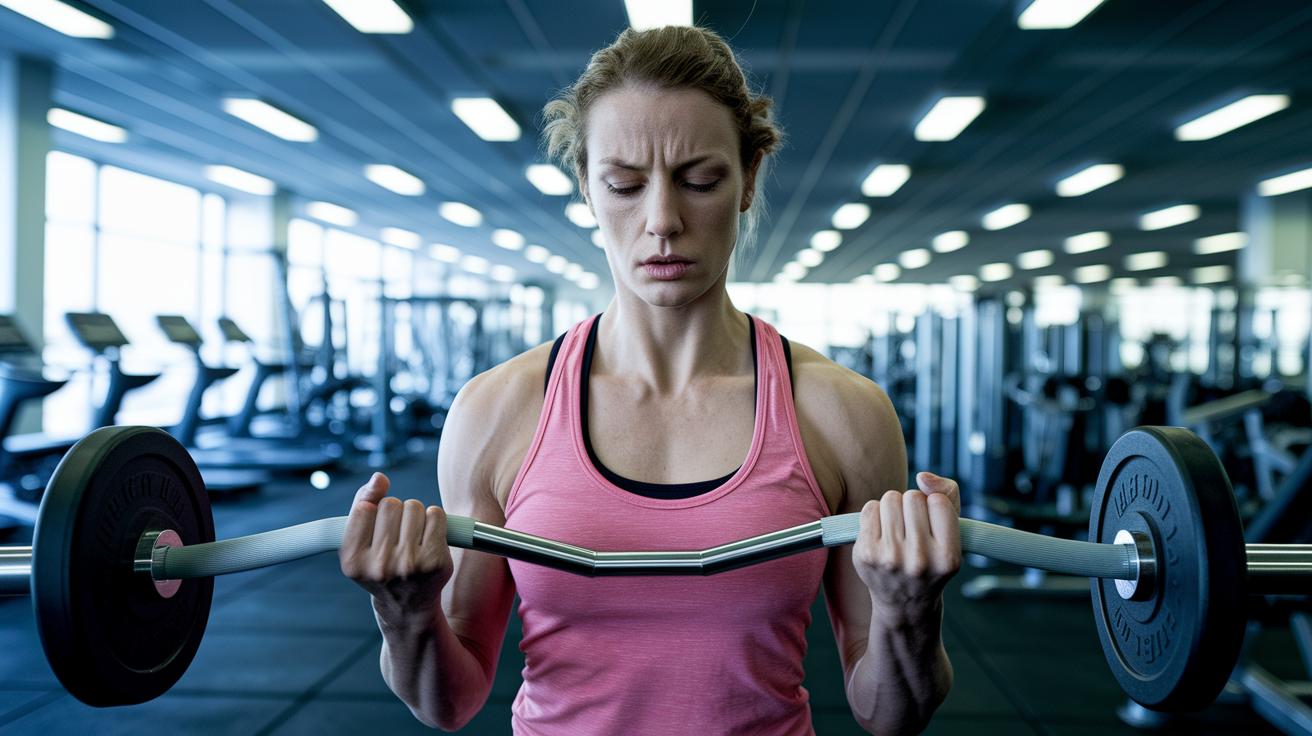
Weight training isn’t just for bodybuilders; it’s a clever way to boost your everyday strength and feel more confident. When you start lifting, you begin to see a real change in muscle tone that brightens your overall look. Imagine looking in the mirror and noticing your muscles becoming more defined after a few sessions, it feels like a small, satisfying win each time.
Your bones get a big benefit too. Weight-bearing workouts help make your bones stronger, lowering your risk of fractures later on. Think of it as adding little supports to a bridge; each session builds a bit more strength to keep you steady as you age.
Another neat bonus is a faster metabolism. As you train, your body becomes more efficient at burning calories even when you're just relaxing. Picture a cozy fireplace that stays warm long after the flames have died down.
Everyday activities can get easier with weight training on your side. Whether you're lugging groceries or playing with your kids, stronger, more agile muscles will make daily tasks feel lighter. One friend even said, "I felt a surge of energy after learning proper techniques, it was like unlocking hidden strength." That extra pep in your step can turn even routine moments into something joyful.
Safety and Technique Fundamentals in Female Strength Training
Warm-Up and Mobility Routines
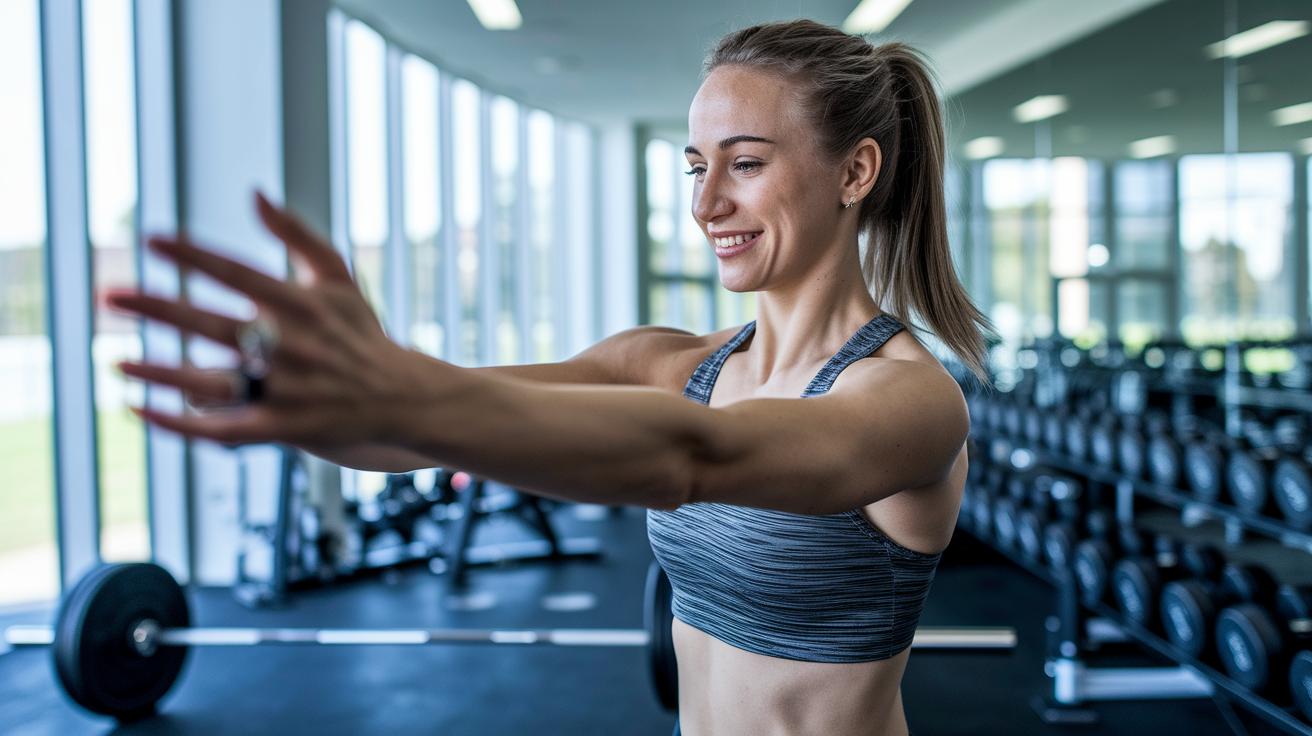
Before you jump into your workout, take a few minutes to energize your body with simple dynamic movements. Start with arm circles, leg swings, and hip openers to gently boost your blood flow. For instance, if you do arm circles, begin with small loops and gradually make them larger so your shoulders really wake up. This easy routine helps prepare your muscles and lowers the risk of a strain, kind of like warming up your car before a long drive.
Mastering Proper Form
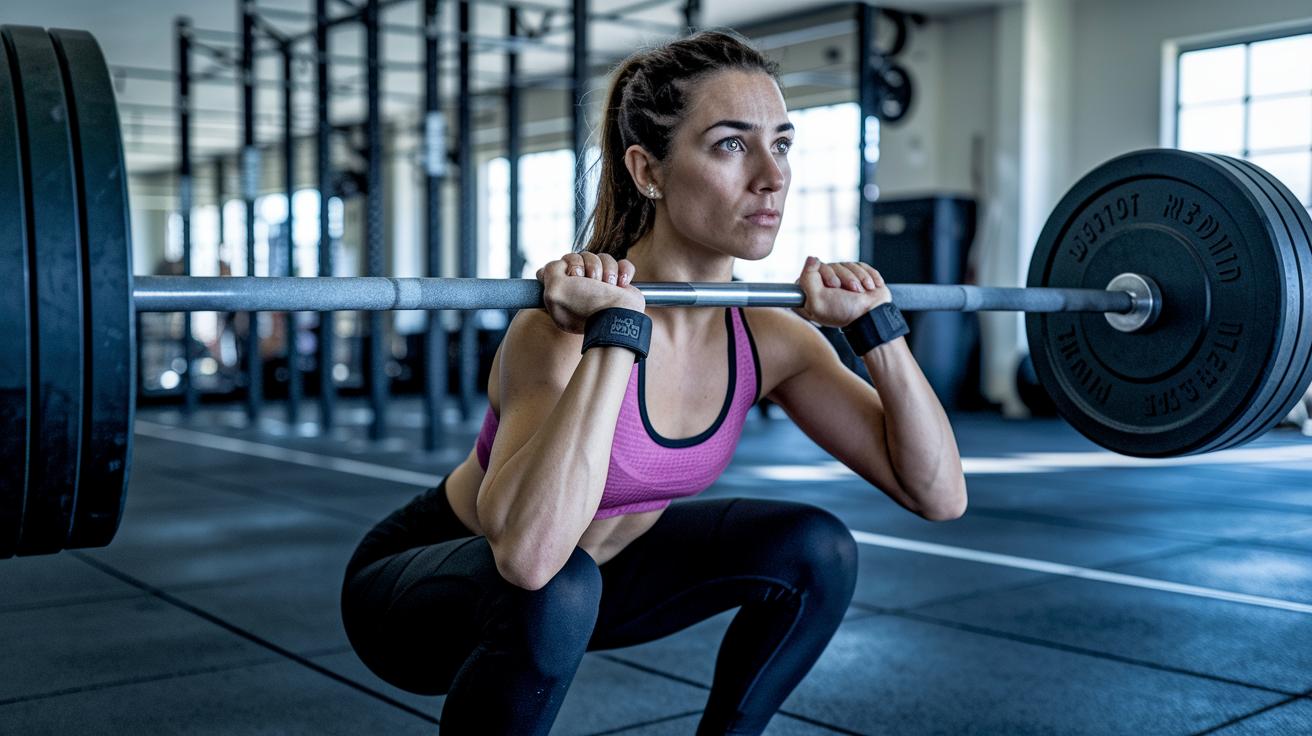
Once your body feels ready, focus on using the correct form to keep your joints safe and build strong muscles. Think about doing a squat: place your feet shoulder-width apart, stand tall with a straight back, and keep your eyes looking ahead. When you bend forward, aim for a gentle motion similar to nodding your head, so your lower back stays protected. With pressing exercises, hold the weight steadily and keep your elbows just below shoulder level; a good tip is to imagine balancing a book on your head for that extra reminder to stand upright. These simple cues act like a safety net, giving you the confidence to enjoy every lift while reducing the chances of injury.
Key Equipment Needed for Women Starting Weight Training
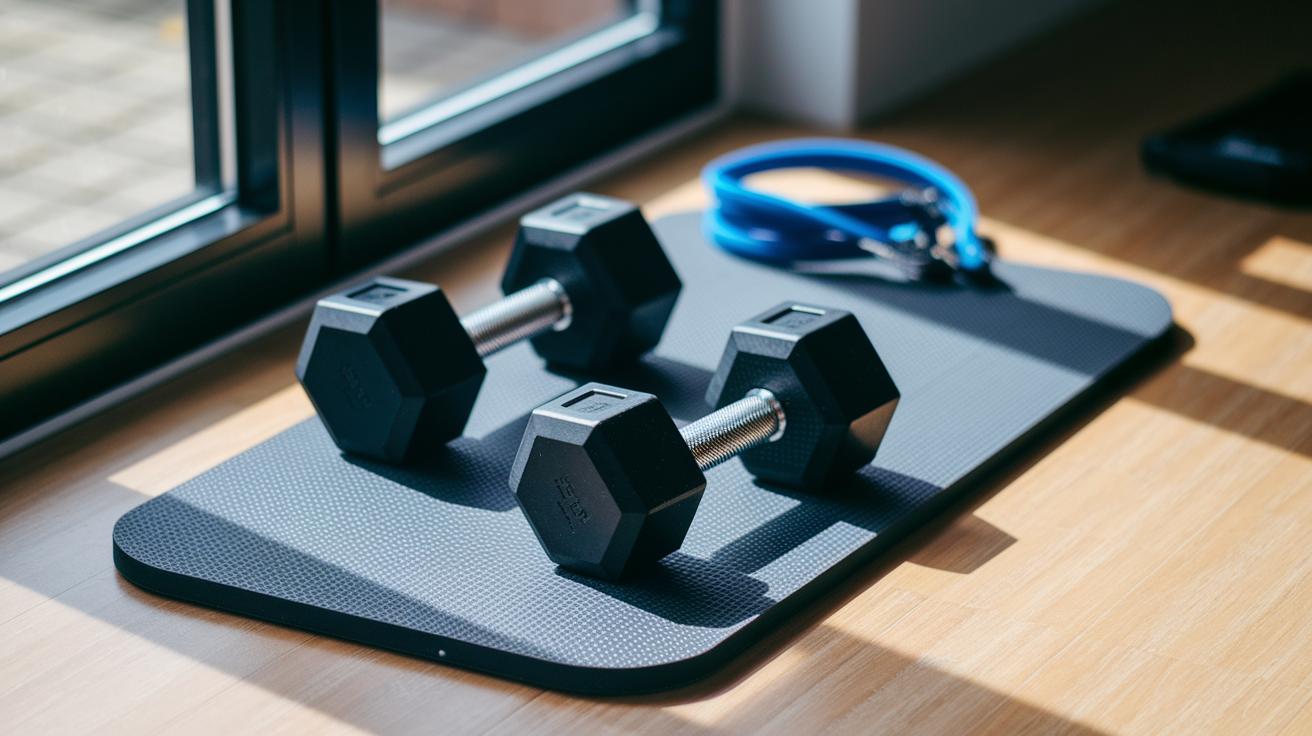
You don't have to spend a fortune to create a workout corner in your home. A solid pair of adjustable dumbbells is a smart start since you can easily tweak the weight to gradually challenge your muscles. Resistance bands are a fun addition too, offering that extra pull during exercises like rows or shoulder presses.
A reliable bench or a sturdy chair can really make a difference, letting you safely perform moves like step-ups or bench presses. Plus, having a cushioned mat under you not only makes stretching and core workouts more comfortable, but it also helps protect your joints when you’re on the floor.
These basics work together to give you a flexible workout zone that supports steady progress. Imagine slowly adding more weight and feeling your strength build over time. Starting with these essentials can make your first home-based weight sessions both practical and empowering!
Foundational Weight Exercises to Build Strength Safely
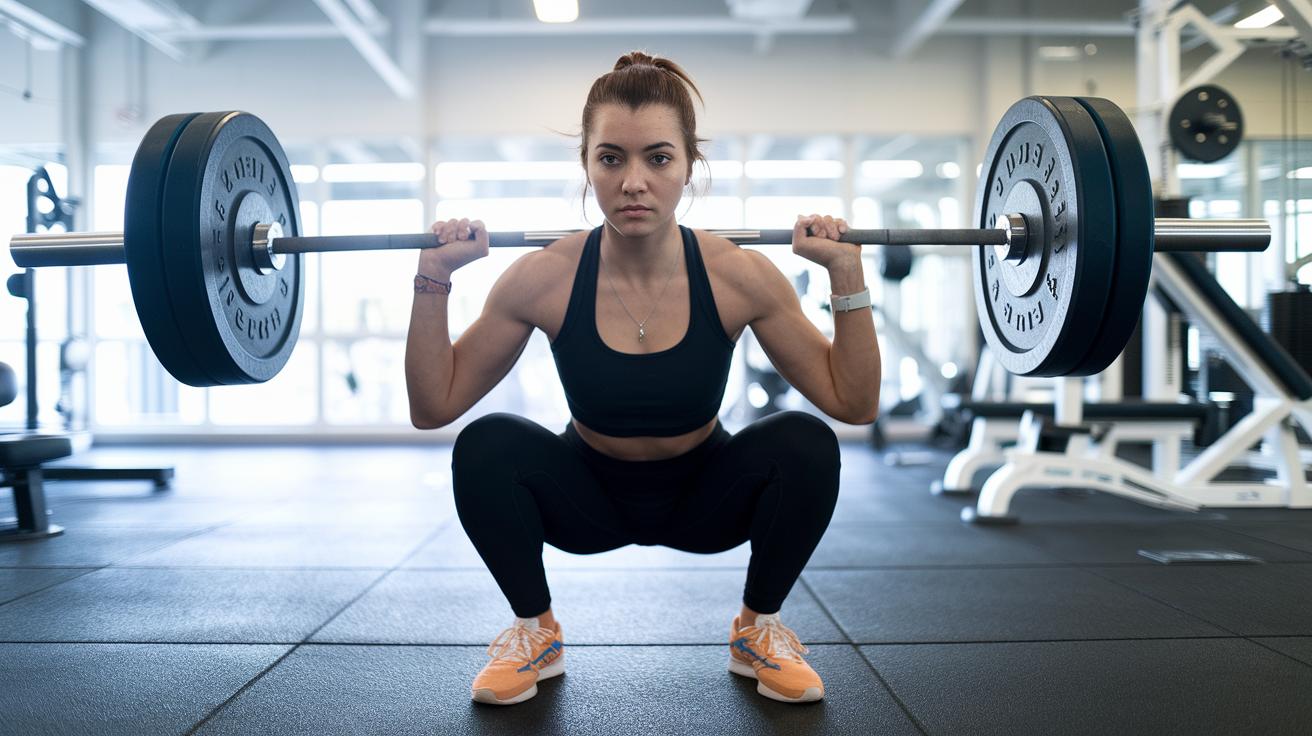
Compound lifts form the heart of weight training for beginners, especially for women looking to build strength. They work multiple muscle groups at once so you get a well-rounded workout.
Start with the squat. This move targets your quads, glutes, and core muscles. Stand with your feet shoulder-width apart and slowly lower yourself as if you were sitting on an invisible chair. This steady, mindful motion not only helps boost your balance but also prepares you for heavier lifts later on.
Next, try the deadlift. It’s designed to strengthen your hamstrings, lower back, and glutes. Keep your spine in a neutral position and hinge at your hips as you lift weight off the floor. Always choose a load that lets you maintain good form, think of it like stacking blocks; each lift should be smooth and controlled.
The bench press is another great exercise to work your chest, shoulders, and triceps. Whether you’re using a bench or starting on the floor, slowly lower the weight to your mid-chest before pressing it upward. Imagine gently opening a door rather than forcefully shoving it.
Rows, whether done seated or bent-over, help build your back muscles and improve posture. Start light until your form feels natural, steady pulls build strength without causing strain.
Finally, there’s the overhead press, perfect for toning your shoulders. Stand tall, engage your core, and press the weight upward. For a gradual introduction to these exercises, you might want to check out the "strength training for beginners" guide available at https://nobrainertrends.com?p=178.
Sample 4-Week Workout Plan for Beginner Women Lifters
| Week | Day | Exercise | Sets | Reps | Rest |
|---|---|---|---|---|---|
| 1 | Monday | Squats | 3 | 10 | 90 sec |
| 1 | Wednesday | Push-Ups | 3 | 10 | 90 sec |
| 1 | Friday | Dumbbell Rows | 3 | 10 | 90 sec |
| 2 | Monday | Squats | 3 | 11 | 90 sec |
| 2 | Wednesday | Deadlifts | 3 | 9 | 90 sec |
| 2 | Friday | Bench Press | 3 | 11 | 90 sec |
| 3 | Monday | Split Squats | 3 | 10 (each leg) | 90 sec |
| 3 | Wednesday | Dumbbell Shoulder Press | 3 | 10 | 90 sec |
| 3 | Friday | Cable or Bent-Over Rows | 3 | 10 | 90 sec |
| 4 | Monday | Lunges | 3 | 12 (each leg) | 90 sec |
| 4 | Wednesday | Romanian Deadlifts | 3 | 10 | 90 sec |
| 4 | Friday | Incline Bench Press | 3 | 12 | 90 sec |
Progression and Load
When you start, choose weights that let you do each move with good form. Think of it as giving your muscles a chance to learn the move the right way. Each week, try to bump up the weight by about 2.5 to 5%. For example, if you’re lifting 10 pounds in week one, try moving to about 10.25 to 10.5 pounds the next week. It’s a gentle nudge that helps build strength while keeping the workout comfortable. And hey, if you find the exercises coming too easily, go ahead and add one or two extra reps or a little more weight. Every small increase is a win and boosts your confidence.
Listening to Your Body
Pay attention to the messages your body sends you. Notice how your muscles feel during and after your workouts. If you feel a constant soreness or feel like your form is slipping, it might mean the weight is too heavy or you need a little extra rest. It’s totally fine to stick with the same week’s routine a bit longer until you feel steady. Maybe you notice a bit of tiring or slight discomfort, then it’s a sign to either lower the weight or give yourself a break by repeating the plan. Remember, listening to your body is key to building strength in a safe and enjoyable way.
Nutrition Basics to Support Strength Building in Women

Eating balanced meals sets the stage for muscle repair and gives you steady energy for workouts. When you’re just getting started, aim for about 1.2 to 1.6 grams of protein per kilogram of your body weight. So if you weigh 60kg, try to get between 72 and 96 grams of protein each day. This protein helps your muscles bounce back and grow after strength training.
Also, keep an eye on your calories. A little extra here can help form new muscle without piling on fat. Add complex carbohydrates like whole grains or sweet potatoes to your meals so you enjoy a slow, steady energy boost during your workouts.
Staying hydrated is super important too. Try drinking a glass of water before and after exercising to improve performance and speed up recovery. Aim for around eight glasses throughout the day to keep your muscles and joints happy and functioning well.
For a quick pre-workout boost, have a banana with a small spoonful of peanut butter. It’s a fast way to get natural sugars and energy. Then, after your workout, grab a snack like Greek yogurt mixed with berries. This snack offers protein and antioxidants (natural substances that help protect your cells) to help calm any inflammation.
Overall, these nutrition basics build a strong foundation for your weight training. They turn everyday meals into powerful tools to help you build strength and feel great.
FAQs and Troubleshooting for Women’s Weight Training Newbies
-
How often should I train?
Plan on working out three times a week. This schedule gives your muscles the time they need to rest and rebuild, keeping you full of energy and helping you avoid burnout. -
What should be my starting weight?
Start with weights that feel easy enough to manage so you can maintain good form throughout each exercise. It’s smart to begin light and gradually increase the weight as you gain strength. Think of it like perfecting a recipe, small adjustments lead to great results. -
How can I tell if I’m hitting a plateau?
If your workouts start to feel too easy or you haven’t noticed any changes over several weeks, you might be at a plateau. Try increasing your weights slightly or switching up your exercises to keep your muscles challenged. -
How do I manage time effectively for workouts?
Short, focused sessions work wonders. Even spending just 30 minutes a day on targeted exercises can easily fit into a busy schedule and consistently build strength.
Final Words
In the action of building strength and confidence, this guide showed how weight training supports muscle tone, bone health, and daily energy. We broke down proper techniques, safety tips, and simple warm-up routines. You also learned about budget-friendly equipment, a four-week workout plan, and basic nutrition to fuel progress. The FAQs offered clear advice to steer clear of common mistakes. This article serves as a practical starting point for beginner weight training for women, lighting the way to a healthier, stronger lifestyle. Embrace the process and feel good about every step forward!
FAQ
Q: What is the best free beginner weight training resource for women?
A: The free beginner weight training resource for women offers PDF guides and sample workouts that cover home routines, proper form, and gradual progression, making it easy to start building strength safely.
Q: How do I start weightlifting as a beginner female?
A: Starting weightlifting as a beginner female means beginning with light weights, focusing on safety with proper form, and steadily increasing your load while following clear, expert-backed guidance.
Q: How long should I lift weights as a beginner female?
A: Lifting for a beginner female typically means 20 to 45 minutes per session, blending warm-up, core lifts, and cool-down exercises to support muscle strength and joint safety.
Q: What weights should I start with as a beginner female?
A: Choosing starting weights involves using lighter loads that let you practice proper form first, then gradually increasing your weight to boost strength safely and confidently.
Q: What is the 3-3-3 rule gym?
A: The 3-3-3 rule means doing three sets of three different exercises with three repetitions each, helping beginners keep a manageable intensity while mastering proper technique in weight training.