
Ever thought that the food you eat might change how you feel about diabetes? Imagine your meals as a personal mix of ingredients, just like a favorite recipe crafted uniquely for you.
Eating a balanced diet gives you a steady burst of energy throughout the day. It also helps keep your blood sugar levels smooth and even. When you choose whole foods that are rich in nutrients, lean proteins that help build muscle, and healthy fats that care for your heart, you support your body without the worry of sudden sugar spikes.
This isn’t about following strict rules. It’s about creating meals that fit your own energy needs and lifestyle. Have you ever noticed how small changes in your diet can make a big difference in how you feel?
Balanced diet for diabetics: Fuel a Joyful Life

Creating a balanced meal plan for diabetics is a bit like putting together your favorite recipe, it’s all about matching the right ingredients to your unique needs. Every body is different, so there's no magic formula that works for everyone. Instead, try personalizing your meals to match your energy needs and lifestyle, ensuring your body gets a steady flow of energy throughout the day.
A good rule of thumb is to let carbohydrates account for roughly half of your daily calories. Focus on high-fiber, nutrient-rich sources like whole grains, legumes, and non-starchy vegetables. Fiber works like a gentle fuel regulator, releasing energy slowly so your blood sugar stays even. Imagine enjoying a warm bowl of oatmeal in the morning, it gives you energy and keeps you full without a sudden rush in blood sugar.
Protein plays a key role too. It helps repair your tissues and keeps you feeling full longer. As we get older, our muscles naturally shrink, so choosing lean proteins like chicken, fish, or plant-based alternatives can really help maintain muscle strength. A little serving of Greek yogurt or a small handful of nuts can add that extra boost to your daily nutrients.
When it comes to healthy fats, small amounts can be a great addition without causing big spikes in blood sugar. Think about oils from olives, buttery avocados, or a few crunchy nuts, they add flavor and boost heart health. However, too much fat might interfere with how your body handles insulin. So, it’s all about picking good fats and keeping it balanced to support a joyful, energetic life.
Visual Diabetes Plate Guidelines for Balanced Diet in Diabetics

When planning a meal for managing diabetes, picture your plate as a simple guide to balance. Imagine a 9-inch plate split into three parts. Fill half your plate with non-starchy vegetables, one-quarter with lean proteins, and the last quarter with carbohydrate-rich foods. This clear visual helps support steady blood sugar levels.
Non-starchy vegetables like leafy greens, broccoli, and bell peppers add fiber, vitamins, and minerals with very few carbs. Lean proteins, think fish, chicken, lean beef, soy, or cheese, keep your muscles strong and help stabilize blood sugar. The carbohydrate section, filled with whole grains, starchy vegetables, beans, fruits, yogurt, or milk, gives you the fuel that affects glucose the most. And a glass of water or a low-calorie drink rounds out the meal without adding extra carbs!
| Plate Section | Portion of Plate | Examples |
|---|---|---|
| Non-Starchy Vegetables | 1/2 of the Plate | Leafy greens, broccoli, bell peppers |
| Lean Protein | 1/4 of the Plate | Fish, chicken, tofu, cheese |
| Carbohydrate Foods | 1/4 of the Plate | Whole grains, beans, fruits, yogurt |
If you’re making dishes like soups, casseroles, sandwiches, or pasta, try breaking down the ingredients by type. This helps you see which parts come from vegetables, lean proteins, or carbohydrates, ensuring your meal stays balanced and your blood sugar remains in check.
Managing Macronutrients in a Balanced Diabetic Diet

Start by understanding how each nutrient can impact your blood sugar. Carbohydrates filled with fiber (the part of plants that helps slow down sugar breakdown) work like a gentle buffer, calming those sudden sugar spikes. Lean proteins not only keep you feeling satisfied but also help maintain your muscles, while a small amount of healthy fats keeps sugar levels steady. This mix is key to steady energy and maintaining healthy blood sugar.
Foods high in sugar you might want to limit include:
- Table sugar
- Artificial sweeteners
- Donuts
- Candy
- Pastries
- Soda
- Honey
Try to include these nutrients in each meal to keep your energy stable and support overall well-being. Combining fiber-rich foods with lean proteins and healthy fats makes planning your meals simpler and helps keep your blood sugar balanced throughout the day.
Sample Balanced Meal Plans for Diabetic Wellness
Breakfast Plan
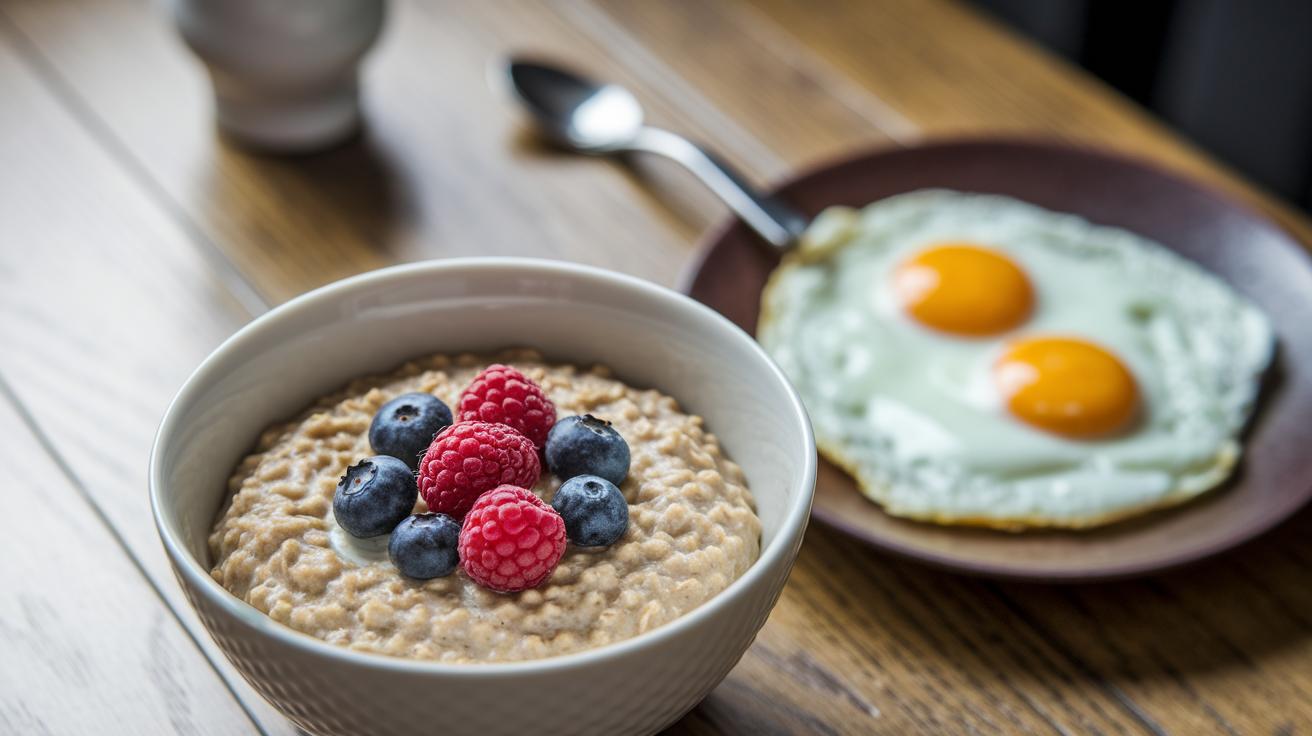
Start your day with a mix of carbohydrates, proteins, and healthy fats. Picture your plate with half filled with fiber-rich fruits or whole grains like oatmeal or whole-wheat toast. Add a quarter of lean protein such as egg whites or Greek yogurt, and sprinkle a bit of healthy fat from nuts or a light drizzle of olive oil. Imagine enjoying a warm bowl of oatmeal with fresh berries and a side of fluffy scrambled egg whites. This simple meal keeps energy steady and helps avoid sudden blood sugar spikes.
Lunch Plan
At lunch, opt for lean proteins and low-glycemic carbohydrates to maintain consistent energy levels. Think of a turkey and avocado wrap on a whole-grain tortilla or a colorful salad topped with grilled chicken, quinoa, and mixed vegetables. The lean protein works to repair your tissues and keep your muscles strong, while fiber-rich carbohydrates help maintain balanced blood sugar. This lunch not only satisfies your hunger but also supports a clear and focused afternoon.
Dinner Plan
For dinner, load your plate with fiber-filled vegetables and healthy fats. Imagine a dish of roasted salmon accompanied by steamed broccoli and a small serving of brown rice. Salmon gives you protein and omega-3 fats (good fats that help protect your heart), while the veggies add vitamins and fiber to boost digestion. This variety on your plate helps manage blood sugar at the end of the day while pleasing your taste buds.
Optional snack ideas include a crisp apple with a handful of almonds or crunchy carrot sticks dipped in hummus. These snacks offer the right boost between meals without overloading on carbohydrates, helping keep your blood sugar balanced and your energy levels smooth.
Practical Strategies for Sustaining a Diabetic Balanced Diet

Getting your meals planned ahead of time can really help keep your blood sugar steady. By preparing your meals in advance, you can easily control how much you're eating and spread out your carbohydrate intake. For instance, try chopping your veggies and cooking lean proteins on a quiet Sunday evening. This way, when you're busy later, you'll have healthy meals ready and won't need to scramble for something quick.
Being mindful about eating is another great tip. Really notice how your body feels when you're hungry or full. Taking a moment to savor each bite, maybe even putting your fork down between mouthfuls, allows your body a chance to tell you it's had enough before you eat too much.
Drinking enough water is also simple yet powerful. Instead of reaching for sugary drinks, stick with water or other zero-calorie options. Staying hydrated supports your overall system, and sometimes a glass of water before meals can even help you feel a bit fuller, making you less likely to overeat.
If you're feeling a bit lost, teaming up with a registered dietitian or a certified diabetes care specialist can be a game changer. They can work with you to create a meal plan that fits your lifestyle and lab results perfectly. Their guidance can make it so much easier to manage your portions and meal times, which in turn helps keep your blood sugar levels steady every day.
Reviewing Scientific Evidence for Diabetic Diet Patterns

Recent studies and clinical evidence shine a light on different diet plans that can work well with managing diabetes. The research tells us that these diets often help boost insulin sensitivity (how well your body uses insulin) and reduce inflammation while supporting overall health.
Take the Mediterranean diet, for example. This plan is all about enjoying plenty of vegetables, fruits, legumes, nuts, seeds, whole grains, and extra virgin olive oil. It even includes a moderate serving of fish and keeps red meat and sweets to a minimum. Studies have linked this approach with improved insulin handling, better A1C levels, and a lower risk of type 2 diabetes, even if the cost might be a hurdle for some.
Then there’s the flexitarian diet, which is mostly plant-based but allows for a few animal products here and there. This flexible plan naturally ups your fiber intake and can be adjusted to include or limit eggs and dairy based on your unique health goals.
Another interesting option is the MIND diet, which brings together elements of both the Mediterranean and DASH diets. It focuses on vegetables, nuts, olive oil, whole grains, berries, fish, beans, and poultry. Current suggestions recommend keeping alcohol on the low side and being mindful of portions, especially when it comes to fruit and high-calorie nuts.
The DASH diet is built around whole fruits, vegetables, whole grains, lean proteins, and low-fat dairy products, while it cuts back on red meat, salt, sugar, and saturated fats. Research shows that this plan can help improve insulin sensitivity, lower cholesterol, and assist with weight management, often recommending about 180 to 270 grams of carbohydrates each day.
For those who prefer a fully plant-based option, the vegan diet supports heart, liver, and gut health. However, it’s important to remember that you might need vitamins like B-12 and extra iron to stay balanced.
In truth, these findings tell us there isn’t a one-size-fits-all diet. Your personal tastes, health goals, and the ability to stick with a plan over time are key when making the best choice for managing diabetes effectively.
Frequently Asked Questions on Balanced Diet for Diabetics

Looking for quick answers? Below you'll find simple pointers that lead you to different parts of this guide. Each section offers clear visuals, step-by-step tips, and easy meal ideas to help you manage your diet.
-
What defines a balanced diet for diabetics?
Look at the "Balanced Meal Components" section.
Imagine filling your plate with colorful non-starchy vegetables, lean proteins, and just the right amount of carbohydrates to keep energy levels steady. -
How can I calculate and control my carbohydrate intake?
Check out the "Carbohydrate Counting and Diabetes Plate Method" section.
Think of dividing your plate into neat portions, so you know exactly how much of each food group you're enjoying. -
Which foods help prevent blood sugar spikes?
See the "Foods for Steady Blood Sugar Control" section.
Picture choosing whole grains and fiber-rich beans like selecting ingredients that slowly release energy throughout your day. -
How often should someone with diabetes eat each day?
Visit the "Meal Timing and Frequency" section.
Consider planning regular meals, much like setting checkpoints that help you keep a balanced energy flow all day long. -
Can I include desserts or snacks in a diabetic meal plan?
Look at the "Moderation and Treats" section.
Imagine a small dessert as a gentle reminder that an occasional treat can fit well with a balanced eating plan.
Final Words
In the action, we explored how creating balanced meals can help manage diabetes. We dug into designing meals with the right amounts of carbs, proteins, and healthy fats and showed how the Diabetes Plate Method makes this simple. We even touched on scientific studies and practical strategies to fit your lifestyle. Every suggestion aimed to simplify healthy choices and boost overall wellness. Enjoy the transformative benefits of a balanced diet for diabetics and feel great about making everyday nutrition choices.
FAQ
What does a 7-day diet plan for diabetic patients include?
A 7-day diet plan for diabetic patients includes lean proteins, high-fiber carbohydrates, and healthy fats arranged in balanced meals that help maintain stable blood sugar levels throughout the day.
What is included in a diabetic diet food list or Type 2 diabetes food list?
A diabetic food list covers non-starchy vegetables, whole grains, lean proteins, and low-glycemic fruits, providing essential nutrients while minimizing sudden blood sugar spikes.
What defines a balanced meal for a diabetic?
A balanced meal for diabetics uses the Diabetes Plate method: half non-starchy vegetables, one-quarter lean protein, and one-quarter carbohydrates, supporting steady blood glucose levels.
What foods should be avoided when managing diabetes?
Foods to avoid include high-sugar sweets like candy, pastries, soda, and refined carbohydrates since they cause quick blood sugar spikes and hinder effective diabetes management.
What should a diabetic eat per day for optimal blood sugar control?
A diabetic should eat consistent meals with balanced portions of carbohydrates, proteins, and fats, along with plenty of vegetables and low-sugar fruits to maintain steady energy and blood sugar.
What is considered the best food for diabetics to eat out?
When eating out, diabetics benefit most from grilled lean proteins paired with non-starchy vegetables and whole grains, ensuring a balanced meal that doesn’t overload on carbohydrates.
What does a diabetic diet for beginners focus on?
A diabetic diet for beginners focuses on simple, balanced meals using clear portion guidelines, emphasizing the Diabetes Plate method to gradually build healthy eating habits and stabilize blood sugar levels.