
Have you ever thought that your plate might hold the key to more energy and better wellness? A balanced meal may sound simple, but it’s really a colorful mix that can give you a real boost. Imagine biting into crisp fruits, savoring lean proteins, enjoying hearty whole grains, and a little bit of dairy that ties it all together to fuel both your body and your mind. In this post, we break down how each food group helps you stay vibrant and ready to take on the day, naturally.
what does a healthy balanced diet look like!
Picture your plate bursting with life: half filled with crisp fruits and veggies, a quarter with lean protein, and the last quarter with hearty grains. Dairy steps in with calcium and vitamin D to keep your bones strong, while a dash of healthy fats from olive oil or a handful of nuts supports your cells. It’s like crafting a meal that not only looks dazzling but powers you through your day with a refreshing boost.
Think of each food group as a unique helper. Fruits and vegetables provide vitamins, minerals, fiber, and antioxidants (natural substances that protect your cells). Proteins from sources like meat, beans, or nuts help repair and build muscles, ensuring you’re always ready for your next adventure. Whole grains deliver complex carbs that give you steady, lasting energy. And dairy? It strengthens your bones and helps your body make the most of the calcium you need. Imagine starting your day with these building blocks that fuel your strength and vitality!
Variety is really the secret sauce here. Mixing up what you eat helps cover all the nutrient bases, keeping fatigue and low energy at bay while supporting your overall well-being. Have you ever noticed how a colorful, diverse meal can make a real difference in how you feel?
Balanced Diet Breakdown of Nutritious Food Groups
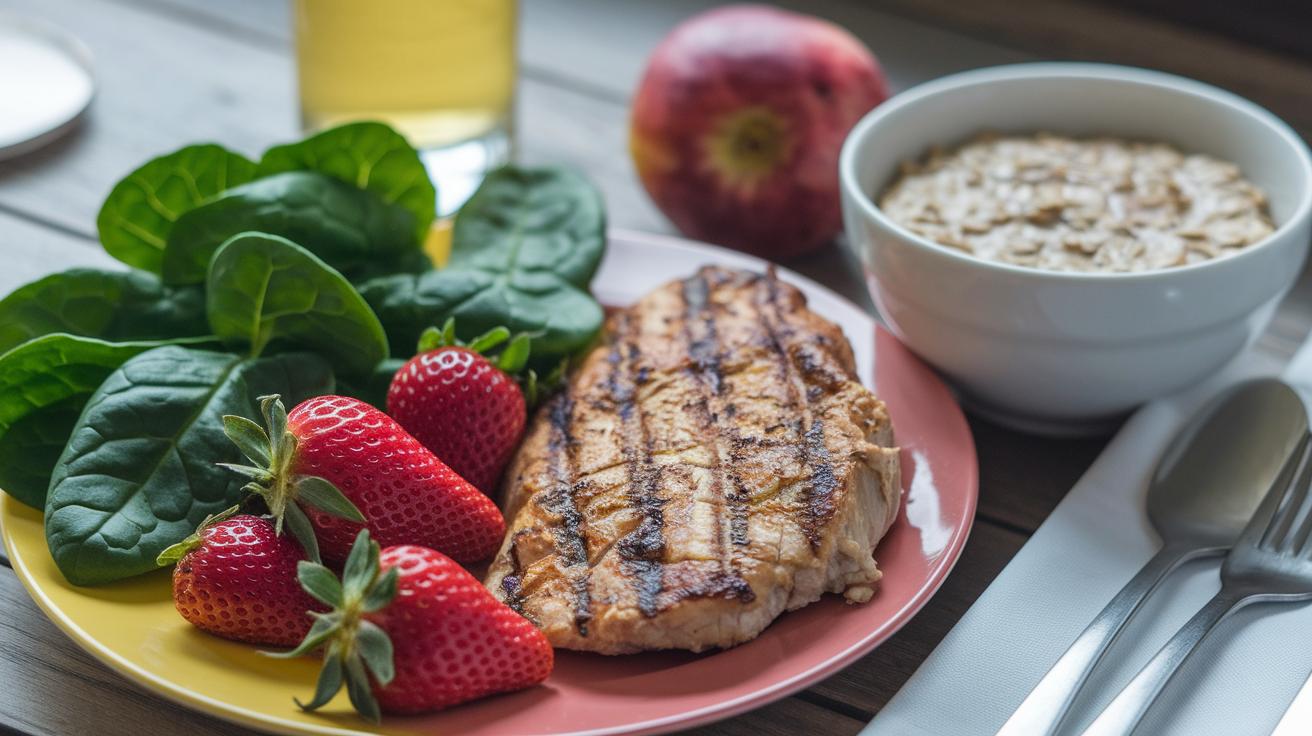
-
Fruits and vegetables
Filling half your plate with fruits and vegetables gives your body a colorful boost of vitamins, minerals, fiber, and antioxidants (natural substances that help protect your cells). In spring, try adding fresh strawberries or a handful of crisp spinach to brighten up your meal. Think of it as giving your body a refreshing burst with every bite! -
Proteins (lean meat, poultry, fish, beans, nuts)
A palm-sized portion of protein at each meal helps keep your muscles strong and ready to repair themselves. If you live where legumes thrive, a bowl of hearty beans might be perfect. Whether it's grilled chicken or a good serving of beans, this reliable portion keeps you energized and satisfied. -
Whole grains (whole wheat, brown rice, oats)
About one cup of cooked whole grains provides steady energy from complex carbohydrates and important B vitamins (nutrients that help your body turn food into energy). You could explore local options like barley or whole wheat bread to mix things up. Picture starting your day with a warm bowl of oatmeal, fueling your morning slowly and surely. -
Dairy (low-fat milk, yogurt, cheese)
One to two servings of dairy each day deliver calcium and vitamin D, key nutrients for strong bones. Using locally made yogurt or cheese can add a natural, rich flavor to your meals. Imagine enjoying a serving of creamy yogurt that not only tastes great but also helps keep your bones healthy. -
Healthy fats (olive oil, avocados, seeds)
About 2 tablespoons a day of healthy fats fuel your body with essential fatty acids that support cell membranes and brain function. When available, local nut oils or fresh avocados can be a delightful substitute. A light drizzle of olive oil on your salad adds a rich, smooth finish without feeling heavy. -
Occasional treats
Keeping small servings of sweets or other processed items in your diet can add a bit of variety without upsetting your nutritional balance. Sometimes, a square of dark chocolate is just the treat you need to satisfy your cravings while keeping your overall diet on track.
Balanced Diet Portion Control and Plate Strategies
This visual model builds on our balanced plate ideas but adds new tips to tweak your portions based on your calorie needs. If you’re doing regular strength training, you might want a bit more lean protein. On quieter workout days, extra fruits and vegetables can supply those vital vitamins and fiber.
Try using measuring cups, food scales, or portion-control plates. Fun fact: using a food scale to weigh your food can uncover hidden calories, like that extra ounce of cheese that sneaks up on you!
It’s also great to mix in local flavors. Regional grains or fresh, seasonal greens can easily become part of your meal plan, keeping things both flexible and true to your culture.
| Meal | Portion Guidelines & Adaptive Tips |
|---|---|
| Breakfast |
|
| Lunch |
|
| Dinner |
|
Practical tools like food scales and portion-control plates can make these adjustments really easy, helping every meal boost your energy and overall health.
Balanced Diet Nutrient Timing and Meal Planning Tips

Planning your meals should feel like making every bite count for you. Think of intuitive eating as a way to listen to your body's own signals, honoring hunger when it strikes and recognizing fullness when it arrives. Research shows that eating dinner too late might raise the risk of obesity, so it's smart to spread out your calories evenly over the day.
Have you ever noticed how a good breakfast can set a positive tone for your whole morning? Eating within a couple of hours after waking can help jump-start your metabolism. Each meal works best when it includes a healthy dose of protein, fiber, and good fats; this mix slows digestion and keeps cravings down. Picture your morning starting with scrambled eggs, a few slices of avocado, and some whole-grain toast, fuel that keeps your energy balanced.
Planning ahead really helps, too. When you set up a routine that balances your nutrients, it’s easier to keep blood sugar steady and avoid that mid-day slump. And if hunger still sneaks up between meals, a well-chosen snack can keep things smooth.
For more meal-planning ideas and practical guides, check out this resource: tips for balanced diet. With these friendly, science-backed strategies, you'll build a meal schedule that leaves you feeling energized and satisfied all day long.
Balanced Diet Sample Meal Plans
Here are two one-day meal plans to help spark ideas for a balanced diet that boosts energy and supports overall wellness. Each plan combines fruits, vegetables, proteins, whole grains, dairy, and healthy fats in a way that feels fresh and easy to prepare. You can also check out this balanced diet for healthy lifestyle guide for even more ideas.
-
Sample Day 1:
- Breakfast: Picture a warm bowl of oatmeal topped with a handful of mixed berries and a light sprinkle of chopped almonds. The creamy oats mix with the tangy berries to give you a bright start to the day.
- Lunch: Enjoy a grilled chicken kale salad loaded with cherry tomatoes and crisp cucumbers, all finished with a simple olive oil and lemon dressing. This plate offers a tasty blend of protein and fresh veggies.
- Dinner: Savor baked salmon served alongside a portion of quinoa and a helping of steamed broccoli. The flaky, savory salmon pairs perfectly with the nutty quinoa and crunchy broccoli.
- Snacks: Try crunchy apple slices paired with a smear of peanut butter, along with carrot sticks dipped in cool Greek yogurt. These snacks mix natural sweetness with a satisfying crunch.
-
Sample Day 2:
- Breakfast: Start your morning with a Greek yogurt parfait that layers creamy yogurt, crunchy granola, and slices of banana. This mix gives you protein, fiber, and just the right amount of natural sweetness.
- Lunch: Enjoy a turkey and avocado wrap on a whole wheat tortilla filled with mixed greens. The lean turkey, creamy avocado, and fresh greens create a light, fulfilling meal.
- Dinner: Dive into a stir-fry made with tofu, brown rice, and a colorful mix of bell peppers. This plant-based option is not only delicious but also packed with protein and antioxidants.
- Snacks: A handful of walnuts paired with juicy orange segments rounds out the day, offering essential fats and a boost of vitamin C.
Give these ideas a try and mix them up to create your own nutritious meal plan that suits your lifestyle perfectly.
Customizing Your Balanced Diet for Individual Needs

Everyone's body is different, and so are the nutrients and energy we need. Factors like age, activity levels, and health conditions all play a part. For example, if you have diabetes, switching to low-glycemic foods (those that slowly increase blood sugar) along with a consistent meal schedule can really help manage your energy. And if you're an athlete, adding an extra serving of lean meat or a plant-based protein after a tough workout might give those muscles the repair boost they need.
Older adults often benefit from a bit more calcium and vitamin D (nutrients that help keep your bones strong) in their diet, such as a daily serving of fortified dairy. Every little change in meal timing or portion size can make a big difference over time, letting you align your eating habits with what your day demands.
For vegetarians or vegans, you can swap animal proteins with legumes, tofu, or nuts while also keeping an eye on getting enough vitamin B12 and iron. And if you're dealing with food allergies or intolerances, simple substitutions, like choosing a non-dairy milk that still delivers calcium, can keep your nutritional balance on track.
Have you ever tweaked your meal plan just to see how perfectly it might fit your lifestyle? Designing a customized diet is a great way to support your well-being every day.
Final Words
In the action, this article breaks down how each food group plays its part in creating a balanced diet. The guide covers everything from portion control and nutrient timing to sample meal plans and customizing choices for personal needs. It answers the question, what does a healthy balanced diet look like, by outlining clear ratios and practical strategies. Using hands-on tips, you’re ready to make small shifts toward a more nourished life. Keep experimenting and enjoying the process of building a healthier, happier plate!
FAQ
What does a good healthy diet look like?
A good healthy diet is one where your plate is filled with 50% fruits and vegetables, 25% lean proteins, and 25% whole grains, plus a bit of dairy or healthy fats for extra nutrients.
What should a healthy balanced diet consist of?
A healthy balanced diet consists of a mix of color-rich fruits and vegetables, lean proteins, whole grains, dairy products, and healthy fats to support daily energy and overall body functions.
Can you define a balanced diet with an example?
A balanced diet means each meal offers half fruits and vegetables, one quarter lean protein, and one quarter whole grains—like a grilled chicken salad with brown rice and steamed veggies.
What are the key components needed in a balanced diet?
The key components include fruits and vegetables, proteins, whole grains, dairy, and healthy fats, which work together to provide vitamins, minerals, fiber, and antioxidants for optimal health.
What is a Mediterranean diet?
A Mediterranean diet focuses on fruits, vegetables, lean proteins, whole grains, and olive oil, offering heart-healthy benefits and a flavorful, nutrient-rich approach to eating.
What are some benefits of healthy eating?
Healthy eating boosts energy, supports a strong immune system, improves digestion, enhances mood, and reduces the risk of chronic illnesses by providing essential nutrients like vitamins and antioxidants.
What does a balanced diet chart for kids include?
A balanced diet chart for kids includes servings from all major food groups—fruits, vegetables, proteins, whole grains, and dairy—ensuring the nutrients needed for growth, energy, and development are met.
How can I plan a 7-day healthy eating plan?
You can plan a 7-day healthy eating plan by mapping out meals that include balanced portions of fruits, vegetables, proteins, whole grains, and dairy, making it easier to stick with nutritious and varied meals every day.