
Ever thought you could build some serious upper body strength without stepping into a gym? Calisthenics push workouts let you do just that using only your body weight. This routine fires up your chest, shoulders, and triceps with moves like Decline Push-Ups and Hindu Push-Ups, each rep carefully controlled so you really feel those muscles working.
Imagine finishing a set and feeling a satisfying burn that tells you every push is making you stronger. Ready to give your upper body a boost? Try this workout and see how proving you don't need fancy equipment can feel both fun and powerful.
Complete At-Home Calisthenics Push Workout Routine

This workout needs no equipment at all and can be done wherever you are. Updated December 27, 2024, it’s set up to be done twice a week and works best when paired with pull-day exercises for a balanced strength routine. There are six key moves here, each one focused on strengthening your upper body.
Begin with Decline Push-Ups by placing your feet on a chair. Do 8–12 reps per set to shift more weight onto your shoulders and chest. Think of it like building a solid bridge with every controlled descent, giving your push muscles a nice extra challenge.
Next, try out Hindu Push-Ups, which get your shoulders and chest moving dynamically. If you find the Hindu version a bit too tough, go for Pike Push-Ups instead while keeping the 8–12 rep range. Imagine your body moving like a smooth, rolling wave with each repetition.
For Bench Dips, use a couch and rest your hands behind you. Complete 4 sets of 8–12 reps, bending your knees at a 90° angle if you need an easier form. Picture sculpting your triceps with every dip as you slowly feel each muscle working.
Then, move to Bodyweight Shrugs with straight arms. Perform 4 sets of 8–12 reps to work your traps and strengthen your upper back, like tightening the ropes on a sturdy suspension bridge.
After that, work on Tricep Extensions by placing your hands just under your forehead in a push-up position. Do 4 sets of 8–12 reps; if that’s too challenging, try tricep bar extensions instead. This move builds stable, powerful arms that you can rely on.
Wrap up with a Push-Up Hold. Hold the push-up position for 15–30 seconds over 3 sets to engage your core, chest, and triceps all at once.
Stick to this routine twice a week to develop solid upper body strength and remember to balance it out with pull exercises for overall muscle harmony.
Calisthenics Push Exercise Progression Guide

If you’re looking to build amazing upper body strength, it all starts with a clear step-by-step plan. Begin with simple, controlled moves that let you master the right form. For example, wall push-ups reduce the load on your arms so you can focus on getting that smooth, steady motion before moving on to tougher challenges.
- Wall Push-Ups – perfect for beginners since they lessen the weight you need to support.
- Countertop Push-Ups – a great next step that still eases the load as you get more confident.
- Incline Push-Ups on Chair – done at about a 35–45° angle, making the exercise a bit more demanding.
- Wide-Grip Push-Ups – work on your side chest muscles (serratus anterior) for a well-rounded push.
- Kneeling Push-Ups – offer a moderate challenge as you build up strength.
- Neutral-Grip (Shoulder-Width) Push-Ups – target the main chest muscles (pectoralis major) effectively.
- Decline Push-Ups – shift more weight onto your shoulders for an extra challenge.
- Archer Push-Ups – add a fun twist by loading one side at a time, building unilateral strength.
- One-Arm Push-Ups – an advanced move that really tests your stability and control.
- Handstand Push-Ups (against wall) – put your shoulders to the ultimate test in a safe way.
- Clap Push-Ups – ramp up the intensity with a burst of plyometric power.
Remember, the key is to safely increase your load over time. Each week, try adding one or two extra repetitions or switch to a harder variation when the current move starts to feel easy. Small, steady improvements go a long way in building significant upper body strength.
Structuring a Weekly Calisthenics Push Workout Plan

Plan your push workouts with set days and proper rest so your muscles can recover nicely. Try to have two whole-body push sessions each week, with about 48 to 72 hours between them. This helps your muscles rebuild and lowers the chance of injury while boosting strength.
When setting up your push routine, think about pairing your push days with pull sessions. Many people stick to a 1:2 push-to-pull ratio, but you might even switch to a 1:1 plan if you prefer a moderate challenge. Picture this: a push session on Monday followed by a pull workout on Tuesday. This balance can keep your upper body training on track. If you’re curious, you can explore more on push versus pull workouts for detailed comparisons.
Match your number of sets and overall volume to your fitness level. Beginners might aim for 3 to 4 sets per exercise, while those with more experience can work up to 5 to 6 sets. Mixing up different exercises also keeps the routine fresh and exciting. For standard sets, rest for about 60 to 90 seconds, and for tougher moves, consider extending the break to around 2 minutes. Think of it like giving your muscles a little vacation after some hard rounds, letting your energy refill before diving back in.
Finally, blend your push sessions with pull workouts and leg or cardio days to keep a balanced plan. For example, you could do push on Day 1, pull on Day 2, and sprinkle in leg or light cardio work on Day 3. This mix supports overall strength and harmony throughout your week.
Perfecting Calisthenics Push-Up Form for Chest and Triceps

When you do a push-up, keep your body in a straight line from your head to your heels. Stay tight and engage your core. Let your elbows sit at about a 45° angle from your torso so both your chest and triceps share the work. Think of your body as a solid plank that moves together with each push.
- Neutral-Grip Hand Placement – Put your hands about shoulder-width apart to focus on the main chest muscle. It’s like building a steady base with every controlled push-up.
- Narrow-Grip Hand Placement – Move your hands about half the shoulder distance inward to give your triceps an extra boost. Imagine your arms working like well-tuned levers.
- Wide-Grip Hand Placement – Place your hands a bit wider than your shoulders to really wake up the muscles along your side chest. Picture taking a deep, refreshing breath as your chest opens up.
Lower your chest until it’s just 1–2 inches off the floor, then push up until your arms are fully straight. Each push-up should feel smooth and every muscle should be working. Have fun experimenting with small tweaks and notice how different hand placements change your workout’s focus.
Advanced Calisthenics Push Variations to Boost Intensity

It’s time to spice up your push-up routine with some advanced moves that challenge your upper body. These options can easily slide into your current workout plan when you’re ready to push a bit harder.
Here are a couple of ideas to try:
-
Tight (Neutral) Push-Ups: Keep your shoulders steady by holding a solid plank. Think of your body as a sturdy beam, with each push, you're tightening your core and strengthening the foundation, much like setting the base of a strong building.
-
Planche Push Progressions: Lean forward slightly to switch up the way you use your chest and triceps. Imagine your body forming a smooth arch, much like a gentle stretch by a doorframe. This helps you build balance and control.
You can also adjust your hand position or change the pace of moves like Archer, Pike, and one-arm push-ups. This gives extra focus on one side of your body and feels a bit like performing an overhead press. Mix these variations into circuits with your standard moves, using cues for slow lowering or powerful push-offs to fire up your muscles.
Finally, experiment with rhythmic pauses or pyramid sets. These techniques let each move shine while keeping your progress clear and straightforward. Enjoy the change and see how your body responds!
Recovery Strategies for Optimal Calisthenics Push Performance
Taking time to rest is the secret behind a strong push workout. Your muscles need about 48 to 72 hours to repair and grow stronger, so giving them this break really pays off. If you skip proper rest, you might see your progress slow down. Try mixing up how hard you work each session, maybe do a lighter workout now and then to help your body bounce back faster. This gradual increase, known as progressive overload (just a fancy way of saying add a little more challenge over time), means keeping track of your reps, sets, and exercise variations and then adding one or two extra reps or a slightly tougher move when you’re ready.
- Grip and Comfort: Using liquid chalk can boost your grip by giving you extra traction, and wearing moisture-wicking workout clothes helps protect your skin when you’re really pushing yourself.
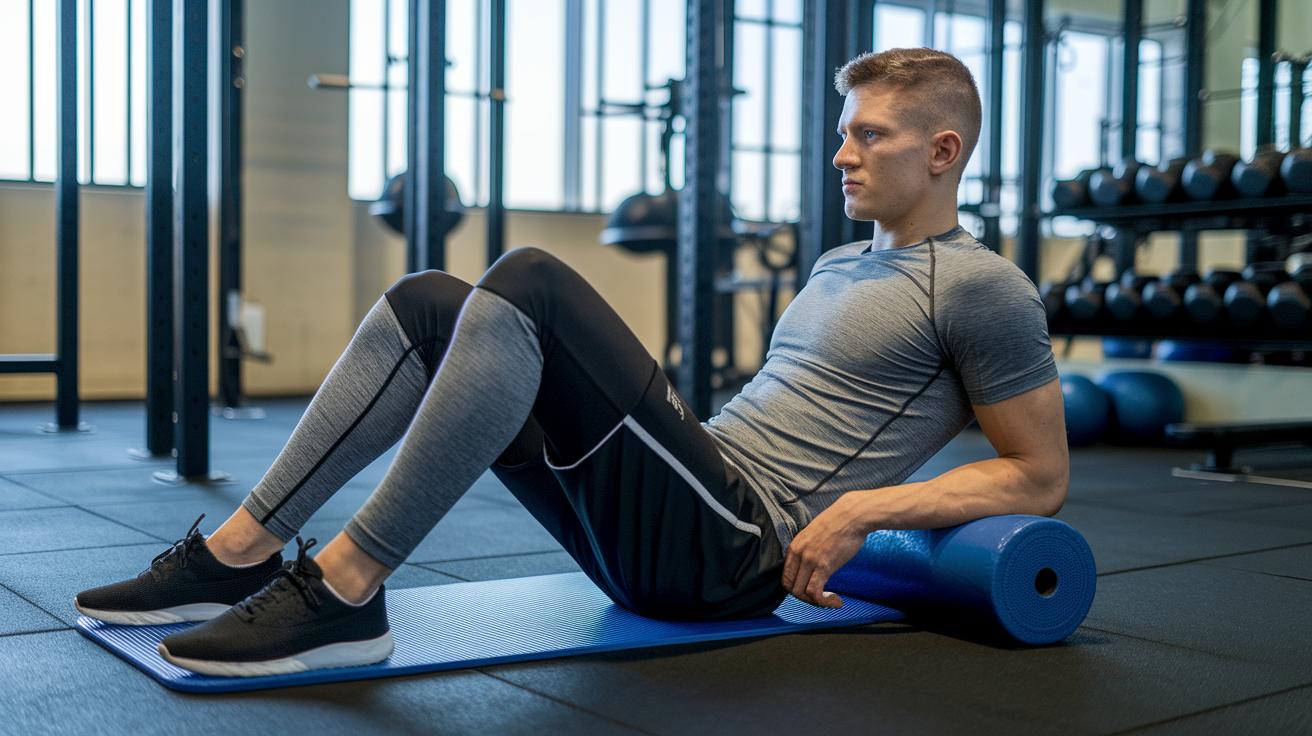
- Active Recovery: On days off, add in some light mobility drills for your shoulders and chest. Even a simple foam rolling routine can help ease muscle tightness.
- Certified Guidance: Sometimes it helps to get advice from a coach or expert who can point out small tweaks in your form that might otherwise slip by.
Taking these steps for recovery not only helps keep overtraining at bay but also sets you up for steady progress. When you build rest into your routine, your push workouts become smoother and more effective, paving the way for stronger, more powerful moves.
Final Words
In the action, you've explored a complete at-home routine with clear sets, reps, and a focus on proper form. The article broke down how to progress from beginner variations to dynamic moves like archer and pike push-ups. We also covered structuring your weekly plan and key recovery tips to keep you energized. This approach makes your calisthenics push workout both practical and fun. Keep experimenting, enjoy the challenge, and celebrate every improvement along the way!
FAQ
What does a calisthenics push workout with no equipment involve?
The calisthenics push workout with no equipment uses bodyweight exercises—like decline push-ups, Hindu push-ups, bench dips, bodyweight shrugs, tricep extensions, and push-up holds—to build chest and triceps strength at home.
How does a calisthenics pull workout complement a push routine?
The calisthenics pull workout complements a push routine by engaging back muscles with pull-ups and inverted rows, promoting balanced upper-body strength and improved posture alongside push exercises.
What calisthenics push workout is ideal for beginners?
The calisthenics push workout for beginners incorporates easier moves such as wall push-ups and incline push-ups to gradually build chest, shoulder, and triceps strength while reinforcing proper form.
What characterizes an intermediate calisthenics push workout?
The intermediate calisthenics push workout includes exercises like decline push-ups, Hindu push-ups, and bench dips, which add intensity and require better form and controlled progression for continued strength gains.
How can I perform an at-home calisthenics push workout effectively?
The at-home calisthenics push workout works best when following a clear routine of sets, reps, and progressions, using common furniture safely to challenge your chest, triceps, and shoulders.
What are the key tips for proper calisthenics push-up form?
The calisthenics push-up form demands a straight line from head to heels, elbows positioned around 45° from the torso, and full range motion; hand placements can shift focus to different upper-body muscles.
What does a handstand push-up involve in calisthenics?
The handstand push-up in calisthenics requires an inverted position against a wall, building shoulder strength and stability while challenging core balance and control through precise form.
How does an inverted row work as part of a calisthenics routine?
The inverted row involves pulling your body upward while lying underneath a bar or table, engaging the upper back muscles and enhancing posture as a natural complement to push exercises.
What is the role of squats and side lateral raises in a calisthenics routine?
Squats build lower-body strength and side lateral raises enhance shoulder stability, rounding out a calisthenics routine by engaging various muscle groups for a balanced, full-body workout.
How do calisthenics push, pull, and leg workouts work together?
Calisthenics push, pull, and leg workouts split your efforts across upper body and lower body exercises, ensuring balanced development and preventing muscle imbalances while promoting overall strength.