
Have you ever noticed that caring for your gut might be the key to feeling amazing every day? Research shows that a balanced diet can give you a natural energy boost and support smooth, healthy digestion (this means your body can break down food easily). Think of each meal as a piece of a puzzle that energizes your immune system and helps your body work at its best. By choosing whole foods like crisp greens, bright fruits, and lean proteins (foods that help build and repair your body), you set up a foundation for a happier, healthier gut. Ready to try a mindful meal plan and feel the difference for yourself?
Balanced Diet Essentials for Gut Health: Feel Amazing
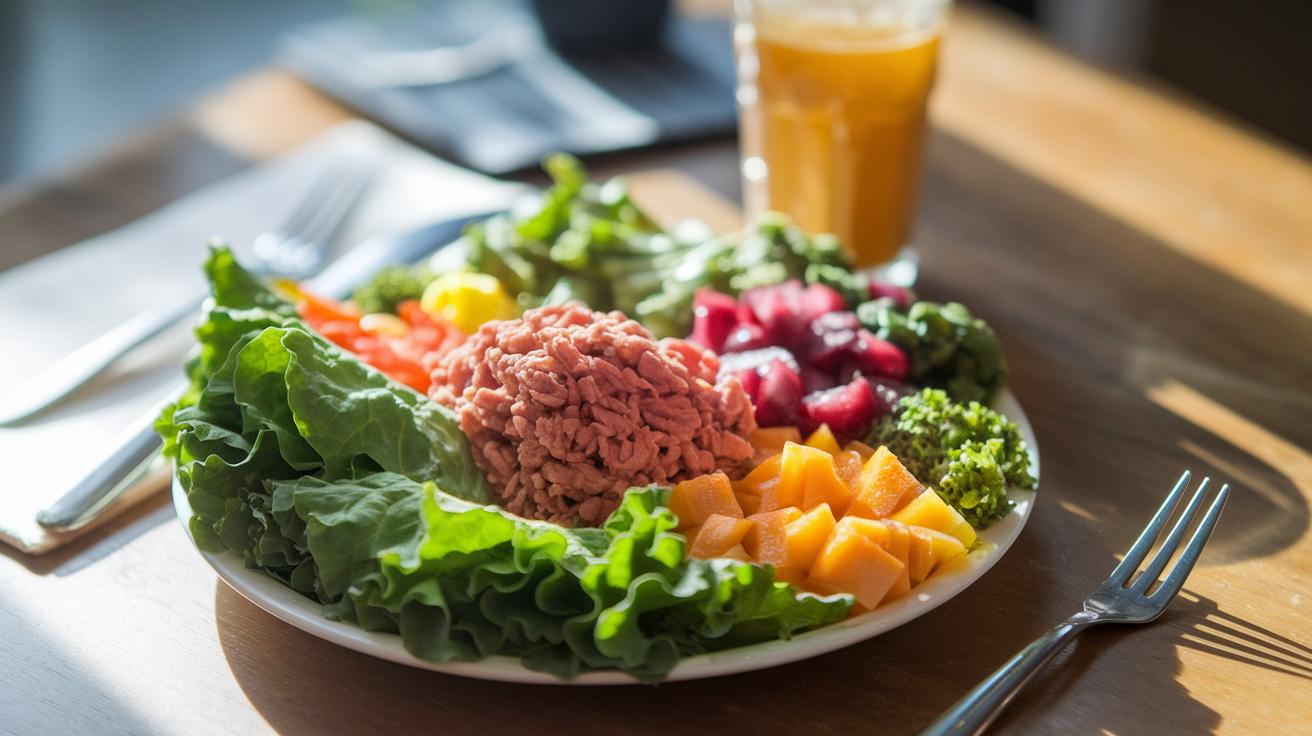
Eating for a healthy gut means filling your plate with whole foods that boost both your energy and your well-being. Your gut isn’t just a food processor, it’s a lively community of tiny helpers that keep digestion smooth, support your immune system, and even fend off diseases. Imagine your meal like a puzzle: every vegetable, fruit, and lean protein fits perfectly, creating a nourishing picture for your body. Have you ever noticed how a tasty meal leaves you feeling recharged, almost like a natural energy boost?
A diverse diet is key to keeping these helpful microbes happy. Foods packed with fiber, vitamins, and minerals work together to keep your gut lining strong and inflammation low. Whole foods bring fiber to aid digestion and antioxidants (natural defenders that protect your cells) that back up your body’s natural defenses. So, when planning your meals, why not mix in some leafy greens, crunchy fruits, and lean proteins? They all add up to a wholesome and energizing menu, a simple way to care for your gut every day.
Don’t forget about key vitamins like B-complex and vitamin D, which are crucial for a healthy gut lining and keeping your metabolism on track. When you build your meals around nutrient-dense, whole foods, every bite works in harmony to set the stage for a balanced, vibrant life.
Fiber-Rich Gut Meals in a Balanced Diet for Gut Health
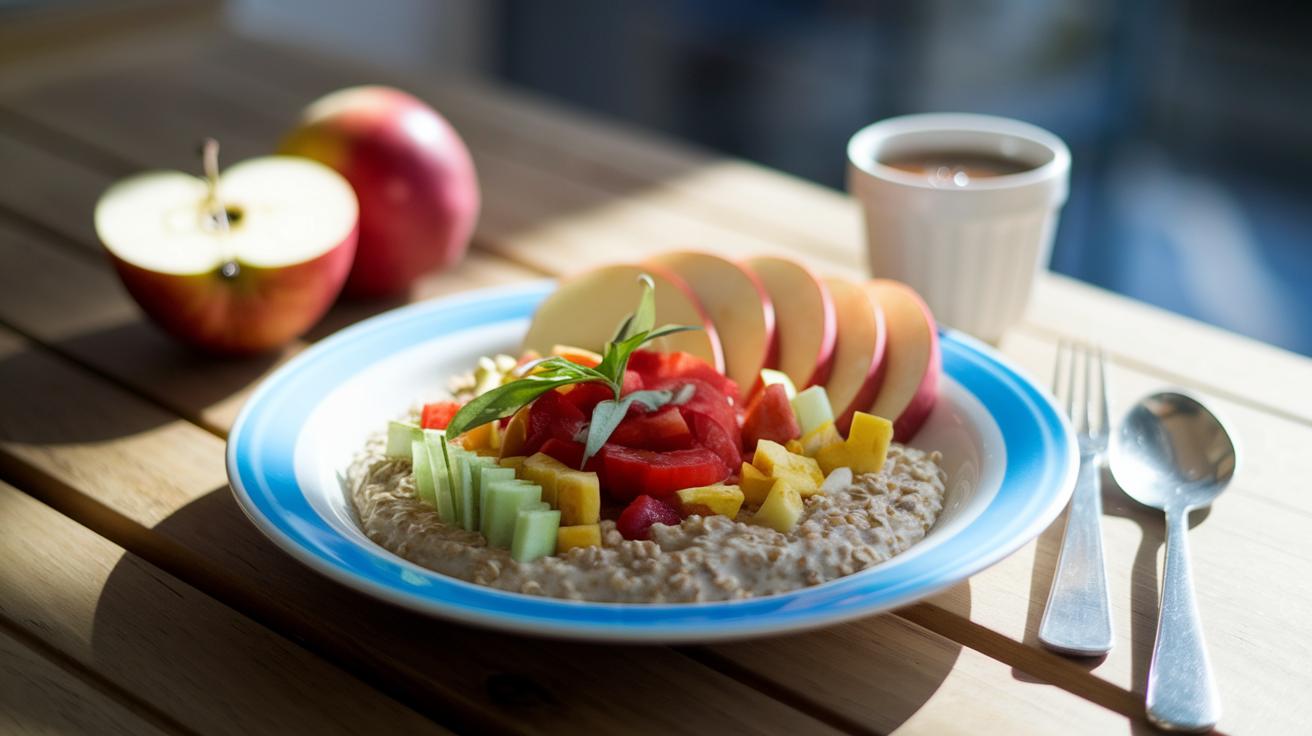
Eating lots of fiber can really help your digestion feel smooth and natural. Soluble fiber (the kind found in oats, beans, and apples that absorbs water) helps soften your stool, making it easier to pass. Meanwhile, insoluble fiber (from whole grains and veggies, which adds bulk to your food) encourages regular movement in your gut. Mixing both types in your meals feels like setting a gentle rhythm for your body’s natural flow.
Getting around 25 to 30 grams of fiber daily can make your digestion feel more comfortable and keep your gut balanced. A few small tweaks in your meal choices can spark big improvements, imagine your plate bursting with colors and textures that not only feed you but also keep your gut smiling. Here are some high-fiber meal ideas to try:
- Oatmeal topped with sliced apples
- Lentil and vegetable soup
- Whole grain wrap with mixed greens
- Chickpea and quinoa salad
- Stir-fried broccoli and bell peppers
- Black bean and corn salsa
- Fresh veggie and hummus platter
Probiotic-Infused Recipes and Prebiotic Eating Guide for Gut Health
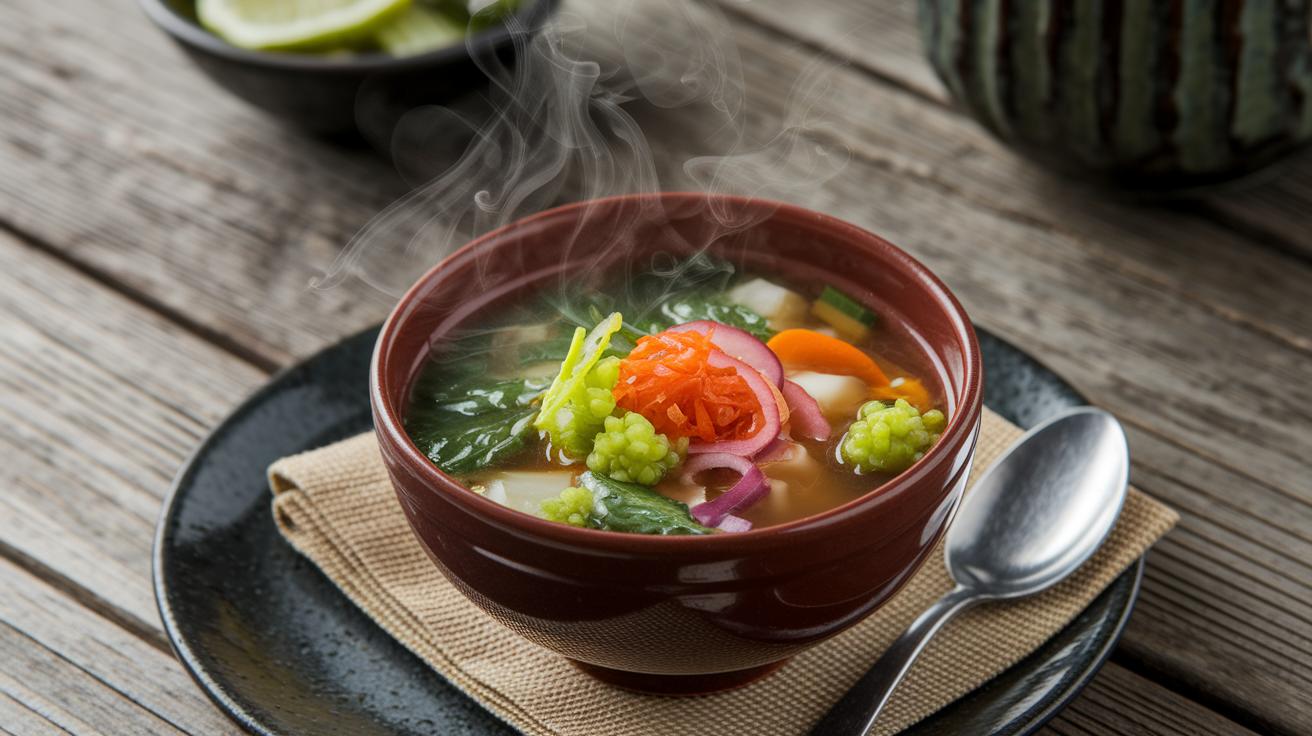
Recipes filled with live cultures are a great way to keep your gut happy. Foods like yogurt, kefir, and miso bring in friendly bacteria that help balance your digestive system. They support smooth digestion and boost your immune defenses. Imagine stirring miso into a warm broth; its tang lifts your dish just like a tiny change can give you a refreshing burst of energy.
Prebiotics, on the other hand, are the fuel your good bacteria love. Everyday foods such as onions, garlic, and bananas contain special fibers (inulin and fructooligosaccharides, which are natural sugars that feed gut bacteria). Research shows that getting about 5 grams of these fibers daily can lead to more comfortable digestion and a richer mix of gut microbes. Picture chopping garlic or slicing an onion, releasing natural flavors that act like nature’s own support system for your digestive health.
When you combine probiotics with prebiotics, you get the best of both worlds. Think of a tangy kefir smoothie mixed with banana slices and a hint of raw garlic, layering flavors that thrill your palate. Or imagine a miso soup loaded with a variety of vegetables, each adding its own subtle note to keep your gut in tune. These dishes not only taste amazing but also join forces to build a balanced and vibrant digestive system.
Anti-Inflammatory Meal Ideas and Flora Restoration Foods for Gut Health
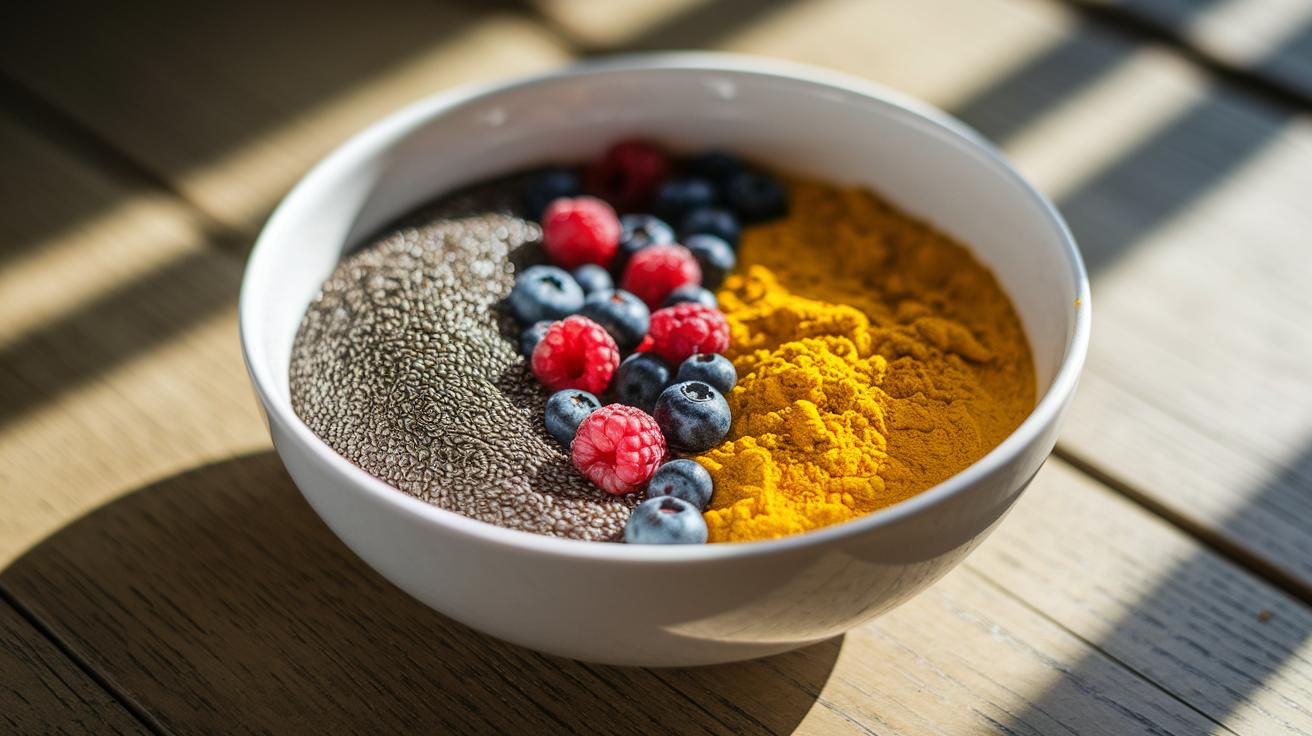
If you're looking to give your gut some extra love, try mixing in some anti-inflammatory ingredients. Foods rich in omega-3s from sources like fatty fish and chia seeds can ease inflammation and help you feel more comfortable after meals. They blend perfectly with nature’s bounty to create dishes that are both delicious and kind to your digestive system. Adding these well-chosen ingredients sets a solid stage for a healthier gut.
Spice up your recipes with healing flavors like turmeric and ginger. Turmeric brings along curcumin, which adds an earthy note and supports the healing of your gut lining. Meanwhile, ginger, with its natural gingerol, offers a warm, soothing sensation that can really comfort your stomach. A daily dash of turmeric powder paired with a hint of ginger makes each meal feel like a gentle, healing treat for your system.
Enjoy a mix of taste and well-being with antioxidant-rich berries and a soothing cup of green tea. The polyphenols in these foods help strengthen your gut barrier and lower oxidative stress, like a little boost of care with every bite. Whether you snack on two servings of fresh berries or blend them into a smoothie, paired with green tea, you'll experience a natural burst of flavor and a feeling of nurturing your digestion.
Meal Planning and Timing Strategies for a Balanced Diet for Gut Health
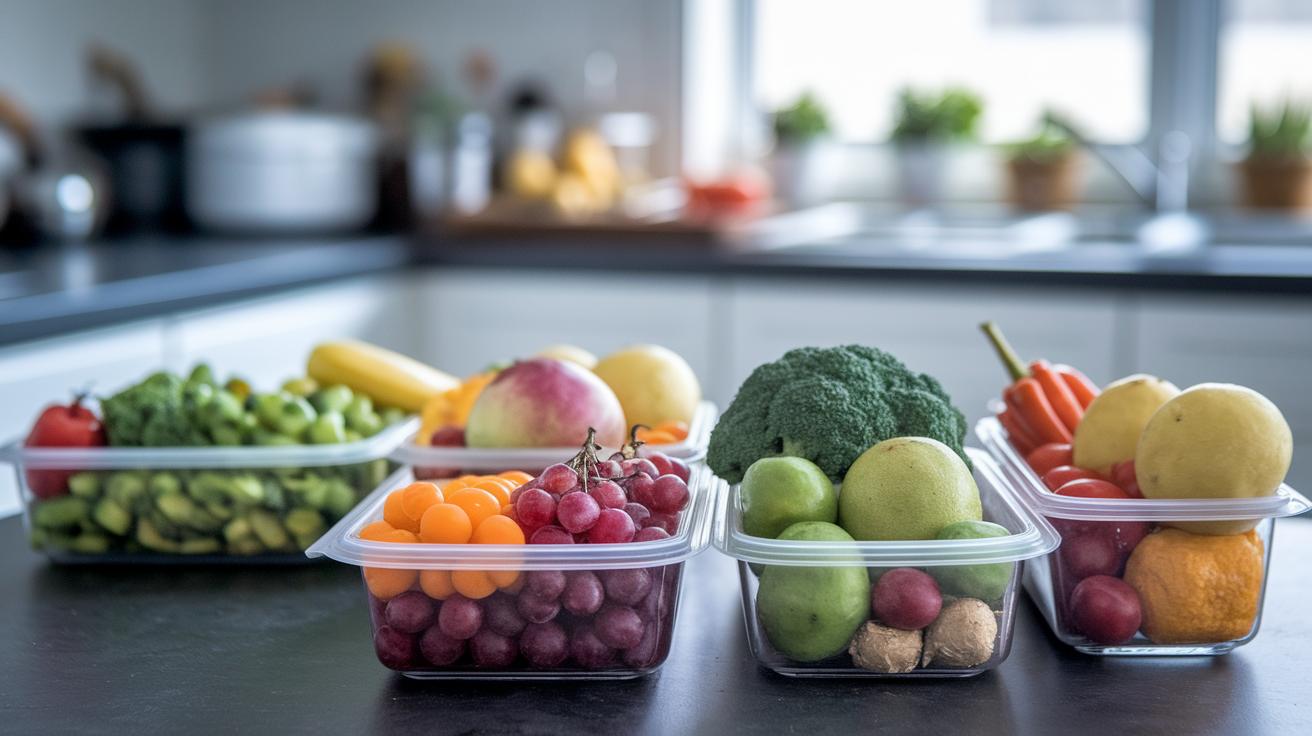
Having a regular meal routine can do wonders for your digestion. Eating every three or four hours keeps your energy level steady and helps prevent overeating, so your body can process nutrients with ease. A plan featuring three meals and two snacks throughout the day supports smooth digestion and leaves you feeling satisfied.
Planning your meals ahead of time is a game changer for keeping your gut happy. Drinking water before and after you eat boosts your digestive enzymes (natural proteins that help break down food), and choosing high-fiber, nutrient-rich foods like fruits, vegetables, and whole grains gives your body the fuel it needs. By scheduling your grocery trips and daily meals, you can create a sustainable eating routine that fits your body’s natural rhythm.
Here's a sample meal plan to help you balance meals and snacks throughout the week:
| Day | Breakfast | Lunch | Dinner | Snack |
|---|---|---|---|---|
| Monday | Overnight oats with berries | Turkey wrap with mixed greens | Baked salmon with quinoa | Greek yogurt with honey |
| Tuesday | Whole grain toast with avocado | Lentil soup with spinach | Stir-fried tofu and vegetables | Carrot sticks with hummus |
| Wednesday | Smoothie bowl with banana and kale | Quinoa salad with chickpeas | Grilled chicken with steamed broccoli | Mixed nuts |
| Thursday | Yogurt parfait with granola | Veggie wrap on whole grain tortilla | Baked cod with sweet potato | Sliced pear |
| Friday | Whole grain cereal with milk | Spinach and bean salad | Turkey meatballs with roasted vegetables | Fresh berries |
| Saturday | Scrambled eggs with spinach | Brown rice and vegetable stir-fry | Grilled shrimp with mixed greens | Apple slices |
| Sunday | Pancakes with fruit topping | Mixed greens salad with legumes | Beef stir-fry with broccoli | Cottage cheese with pineapple |
Special Dietary Approaches in a Balanced Diet for Gut Health
Low-FODMAP Diet
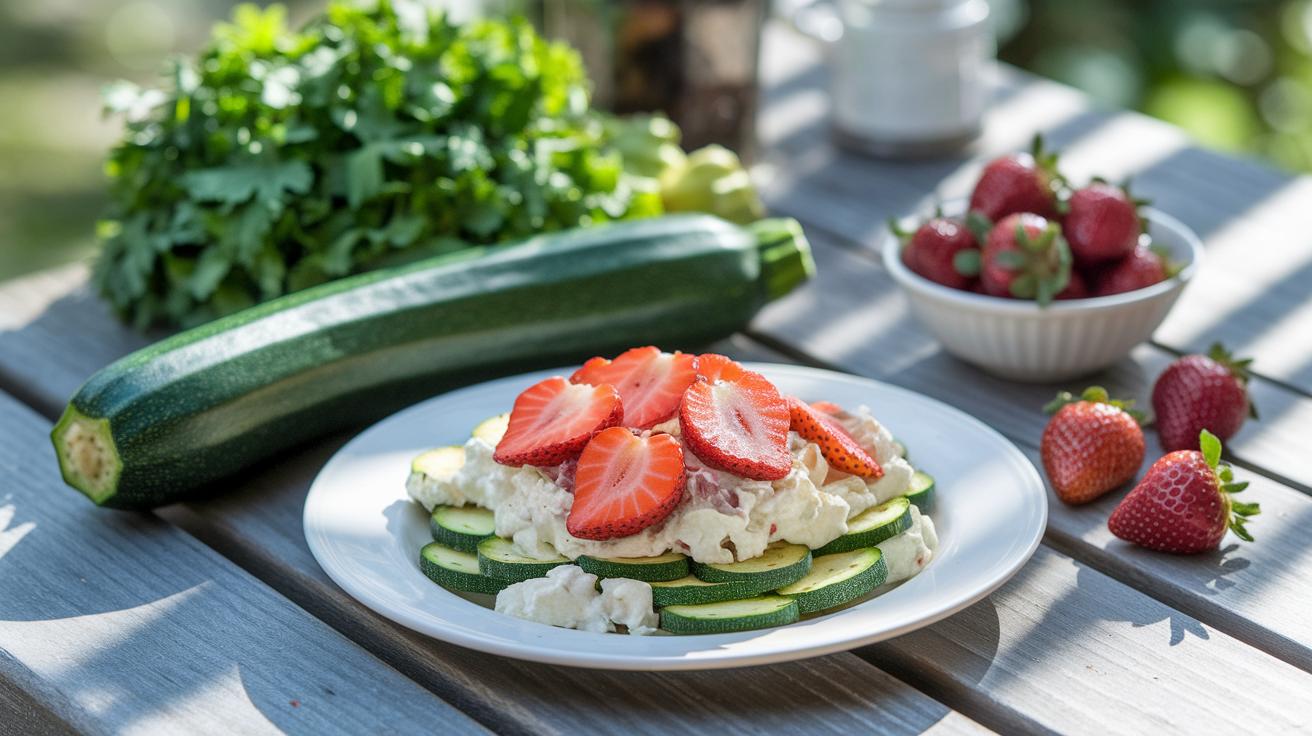
Sometimes your body just needs a little help to feel its best. The low-FODMAP plan trims down on carbs that can be tricky to digest, like those in rice, zucchini, and strawberries. These fermentable carbohydrates (sugars that can bubble up in your gut) might cause gas and bloating, making your tummy feel uneasy. Choosing simpler, lighter foods can help your gut settle down and let you enjoy meals without worry.
Mediterranean Diet
The Mediterranean diet is a celebration of vibrant, natural ingredients. It leans on olive oil, legumes, nuts, and leafy greens, filling your plate with heart-friendly fats and plenty of fiber. This mix not only supports a healthy heart but also creates a nurturing home for the good bacteria in your gut. Imagine the burst of fresh, natural flavors with every bite, as each meal helps keep your digestion smooth and your gut balanced.
Vegan Diet
A vegan diet focuses on plants like legumes, whole grains, and fortified foods to pack your meals with fiber and essential B vitamins. By skipping animal products, it naturally boosts your intake of nourishing plant foods that support a calm and happy digestive system. Filling your plate with raw food boosters and wholesome ingredients can help maintain a balanced gut, making every bite a step toward overall wellness.
Lifestyle Enhancers and Natural Tips for a Balanced Diet for Gut Health

Have you ever noticed how a little movement can brighten your day, and your digestion? A brisk walk or a quick bike ride not only wakes up your gut but also helps keep your natural digestive rhythm in check. It feels pretty awesome knowing that even a bit of fun physical activity can set the stage for smooth, balanced digestion.
Adding a few natural supplements to your routine might give your gut an extra boost too. For instance, L-glutamine (an amino acid that helps repair your gut lining) and slippery elm (a plant remedy known for soothing your tummy) work together with a healthy diet. These gentle helpers can make your digestive system feel well-cared for and supported.
And let's not forget some simple lifestyle tweaks that can really make a difference. Imagine enjoying a soothing cup of chamomile or peppermint tea while tasting the zesty lift of water infused with a slice of lemon or a sprig of mint. These small pleasures, combined with a good night's sleep and some mindful ways to handle stress, go a long way in keeping your digestion calm and your gut nourished.
Final Words
In the action, we covered everything from essential whole foods for digestion and fiber-rich meals to the role of probiotics and anti-inflammatory ingredients. We talked about meal timing and special dietary approaches that support a thriving gut. Simple changes like choosing nutrient-packed recipes and smart lifestyle habits can make a big difference every day. Embrace these ideas and enjoy the benefits of a balanced diet for gut health to feel more energetic and well.
FAQ
What does a healthy gut diet plan PDF include?
A healthy gut diet plan PDF outlines nutrient-dense meal guidelines featuring fiber, whole foods, and probiotics to support a balanced digestive system and a thriving microbiome.
What are the worst foods for gut health?
The worst foods for gut health include highly processed items, sugary snacks, and foods high in unhealthy fats that may upset your digestive balance.
How can you improve gut health naturally and keep your stomach clean?
Improving gut health naturally means choosing whole foods, fiber-rich options, and probiotics, while staying active and hydrated to maintain a clean and balanced digestive system.
How can you increase good bacteria in your gut naturally?
Increasing good bacteria naturally involves adding fermented foods like yogurt and kefir along with prebiotic fibers from garlic, onions, and bananas to nourish beneficial microbes.
What are the top foods to boost and clean your gut?
Top gut-supportive foods include fiber-packed fruits, vegetables, fermented dairy, and lean proteins that help revitalize your microbiome and promote efficient digestion.
What is the best diet to heal your gut?
The best diet to heal your gut focuses on meals rich in fiber, antioxidants, and beneficial bacteria while cutting back on processed foods to support mucosal repair and overall health.
What are the 5 R’s for gut health?
The 5 R’s for gut health cover key steps: removing triggers, replacing missing elements, reinoculating with good bacteria, repairing the gut lining, and rebalancing overall gut function.
What are the 10 signs of an unhealthy gut?
Signs of an unhealthy gut include frequent bloating, irregular bowel habits, persistent fatigue, skin issues, and food sensitivities that signal an imbalance in your digestive system.