
Have you ever felt a bit off even when nothing seems wrong? It might be that your hormones (the tiny messengers that control energy and mood) are sending mixed signals.
One easy way to get things back on track is to fill your plate with whole foods. Imagine enjoying lean proteins, fresh fruits, and crisp vegetables that naturally keep your body’s messages clear. These choices not only boost your energy but also help calm your mind and body.
In this guide, I'll share how simple food swaps and small lifestyle tweaks can transform your well-being. Ready to brighten your day and nourish your hormones from the inside out? Let's dive in!
Balanced Hormone Diet: Core Principles for Hormone Regulation
Inside your body, hormones work like tiny messengers. They help manage growth, energy, and even your mood by sending out vital instructions every day. Each hormone plays a special role in keeping your system in balance, from your brain to your muscles.
A balanced hormone diet isn’t about restrictive eating; it’s about filling your plate with whole foods, drinking plenty of water, timing your meals well, and keeping portions in check. Nutritious meals rich in fresh fruits, vegetables, lean proteins, and healthy fats give your body the ingredients it needs to produce and send out those important signals.
But diet is only part of the story. Reducing stress, staying active, and getting enough sleep work hand in hand with healthy eating. Even a few small changes in your daily routine can boost your energy, improve your mood, and help you feel more in tune with your body. Have you ever noticed how a simple change can make you feel so much better?
Essential Nutrients in a Balanced Hormone Diet: Fats, Fiber, and Protein
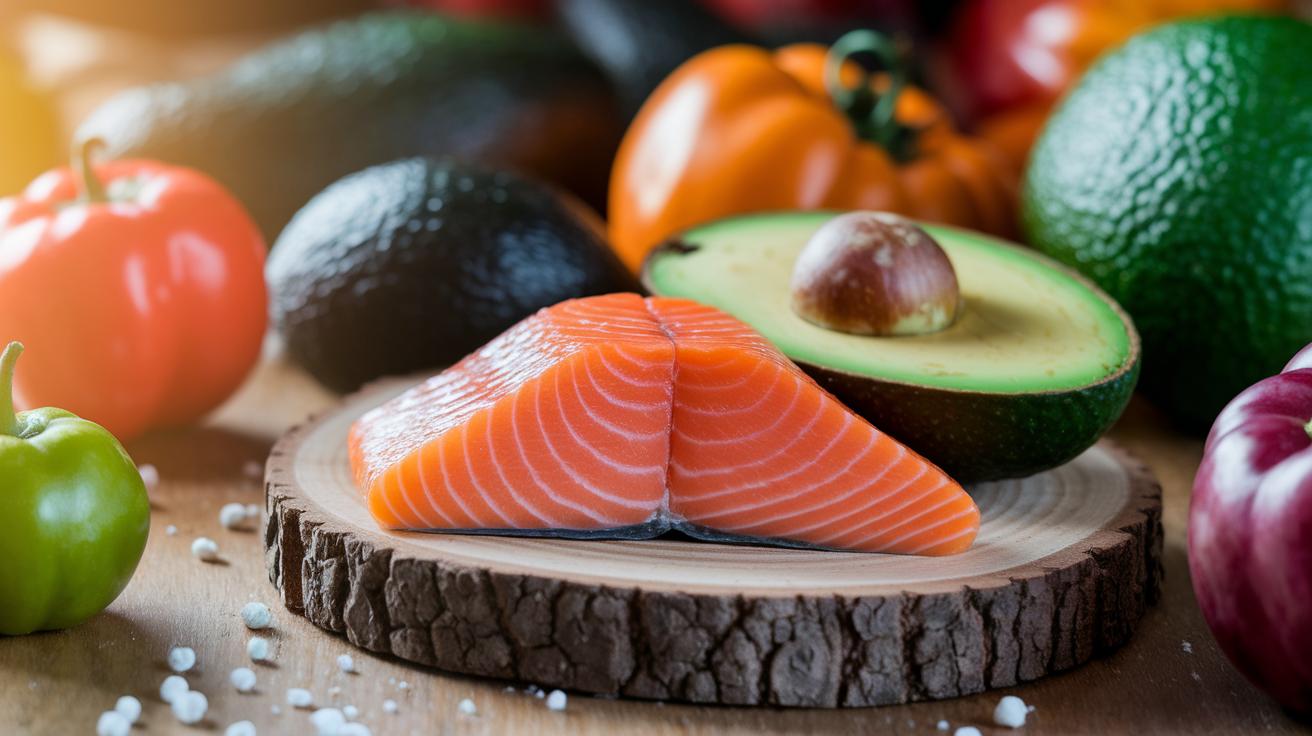
Fats, fiber, and protein are the building blocks that help your body produce and regulate hormones. They work together to support hormone creation, keep blood sugar levels steady, and fuel your body with important amino acids. With a balanced mix of these nutrients, you set the stage for steady energy and smooth hormonal function.
Healthy Fats
Look to foods like salmon, avocado, and olive oil for healthy fats. These options give you omega-3 fatty acids (natural fats that help repair and build cells), which are key for creating hormone-producing cells and keeping your metabolism in check. A little drizzle of olive oil on roasted veggies or a few slices of avocado can go a long way in boosting your body's ability to send clear hormone signals.
Fiber
Fiber, which comes from whole grains, legumes, and vegetables, helps smooth out your blood sugar levels while cultivating a healthy gut. This strong connection between your gut and your hormones supports insulin sensitivity and keeps your overall hormone balance in line. Try mixing beans into a salad or enjoying a bowl of quinoa to help your body keep its natural rhythm throughout the day.
Protein
Every meal is an opportunity to add lean protein from sources like chicken, fish, and legumes. Protein supplies the essential amino acids needed to form peptide hormones (the signaling molecules that help your body communicate internally). By including protein in your meals, you fuel your body with the building blocks to keep those hormonal messages clear and effective.
| Nutrient | Recommended Food Sources | How It Helps Hormones |
|---|---|---|
| Healthy Fats | Salmon, Avocado, Olive Oil | Helps build hormone-producing cells and keeps metabolism steady |
| Fiber | Whole Grains, Legumes, Vegetables | Smooths out blood sugar and supports a healthy gut |
| Protein | Poultry, Fish, Legumes | Supplies essential amino acids for hormone production |
Foods for Hormone Equilibrium in a Balanced Hormone Diet
Keeping your hormones happy means enjoying a mix of different foods every day. Each food offers its own set of goodies that your body needs to keep hormones in check. High-fiber fruits, crunchy vegetables, seeds, and whole grains all bring antioxidants (natural substances that help guard your cells), fiber, and plant compounds that work together to keep your hormone signals clear and steady. This variety not only boosts digestion and keeps insulin levels balanced, but it also supports your mood, energy, and growth.
- Berries: These colorful fruits pack plenty of antioxidants and fiber, which can help calm inflammation and keep your gut feeling good.
- Broccoli: Rich in vitamins and fiber, broccoli helps your body stay sensitive to insulin and keeps blood sugar steady.
- Leafy Greens: Choices like spinach and kale deliver key vitamins and minerals that are essential for hormone production.
- Flaxseed: With nutrients like lignans and omega-3 fatty acids, flaxseed is great for balancing estrogen and soothing inflammation.
- Quinoa: This whole grain brings in phytoestrogens, magnesium, and fiber, which help maintain a stable hormonal balance and steady energy.
- Chia Seeds: Loaded with omega-3 fatty acids and fiber, chia seeds support steady blood sugar levels and overall metabolism.
Bringing these nutrient-rich choices together on your plate creates a balanced, feel-good meal that helps your body communicate properly. Each food works together to provide important elements for hormone production, regulation, and smooth communication. Mixing up your meals not only keeps things interesting but also gives your body a full range of benefits, from antioxidants to sustained energy. For more hormone-friendly food ideas, check out the balanced diet food list. Embracing this colorful and varied eating plan is a wonderful way to support your hormones and enjoy a vibrant, healthy life!
Balanced Hormone Diet Sparks Radiant Health
Begin your morning with a breakfast that fuels both your body and your mind. Imagine a creamy chia pudding layered with juicy berries and a light drizzle of almond butter. Keeping your portions balanced gives you lasting energy and helps stop those mid-morning hunger pangs. This nutritious start can even help keep cortisol (the stress hormone) in check, and don’t forget to drink a full glass of water to wake up your hydration and help your hormones move smoothly.
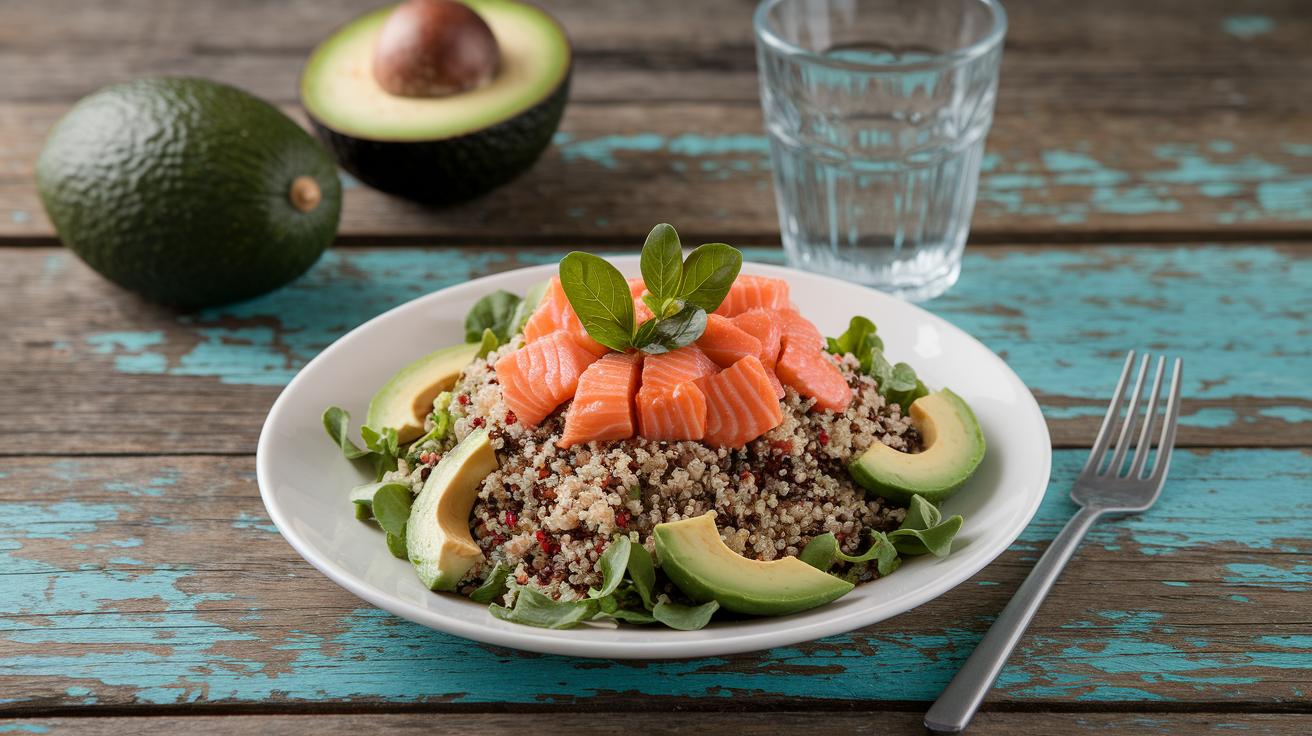
At lunchtime, treat yourself to a colorful quinoa salad mixed with tender salmon, smooth avocado slices, and a crisp blend of mixed greens. This vibrant meal packs proteins, healthy fats, and fiber that work together to steady your blood sugar and calm cortisol levels. Eating mindfully means you get just the right boost of energy without feeling overly stuffed, and another refreshing glass of water will help keep your digestion on track.
For dinner, picture a sizzling stir-fry loaded with crunchy broccoli and lean protein like chicken or tofu, finished with a splash of olive oil. This dish not only revs up your metabolism but also brings a satisfying end to your day. Enjoy a warm cup of water with your meal to help your body absorb the good nutrients and keep everything working smoothly.
Round out your day with hormone-friendly snacks like a thick flaxseed smoothie and a small handful of mixed nuts. These quick bites help control cravings and keep your blood sugar steady, ensuring your energy stays just right. A little extra water with your snack makes sure you stay well-hydrated, so you’re ready for a peaceful night’s sleep.
Timing and Habits for Success in a Balanced Hormone Diet
When you eat at regular times, your body keeps insulin and cortisol levels more balanced. Sipping water throughout the day helps your cells work well and carry hormones smoothly. Taking a moment before each bite to really taste your food can make your meals more satisfying and help manage stress-related hormone shifts.
Pair your eating habits with steady sleep, a bit of exercise, and simple ways to ease stress to keep your hormones in check. A few minutes of stretching or a quick walk during a break can relieve tension and help your body handle sugars, while a consistent sleep pattern gives you the much-needed energy to reset each day.
Common Pitfalls: Foods to Avoid in a Balanced Hormone Diet
Keeping your hormones feeling their best often starts with what you put on your plate. When you eat too much refined sugar (a type of processed sugar that causes a quick spike in your blood sugar) or simple carbohydrates, your insulin can suddenly rise. This rapid change can unsettle your natural energy and mood, leaving you feeling off balance.
Foods packed with refined sugars, trans fats (fats typically found in fried or processed foods), and other highly processed ingredients often work in tandem to stir up inflammation and pump up your stress hormones. And if you're loading up on excessive caffeine, your body might boost cortisol levels, making everyday pressures seem even tougher to handle. Even alcohol plays a part by interfering with how your liver processes estrogen, a key hormone in your body.
By being mindful and reducing these foods, you set the stage for a smoother flow of hormones. This means enjoying steadier energy throughout the day and a more relaxed overall feeling. It's like giving your body a little helping hand to maintain balance and well-being.
Tracking and Customizing Your Balanced Hormone Diet
Recording what you eat and how you feel is like having a friendly chat with your body. When you jot down your meals along with changes in your energy, mood, and even your cycle, you start to see what really makes a difference. Each note helps you spot patterns over time, so you can quickly tell which foods give you that refreshing burst, and when it’s time to mix things up. In essence, keeping a log turns guesswork into a simple, guided process that helps you fine-tune your nutrition and enhance your overall well-being.
Simple tools like a food diary, a mood tracker, or a cycle monitor can be your best pals in understanding those subtle body signals. Pair these tools with occasional checks on your supplements, ensuring that key nutrients such as vitamin D (a nutrient that supports your bone and immune health) and magnesium (which aids in muscle relaxation) aren't overlooked. Reviewing your notes regularly lets you adjust your food choices, explore hormone-friendly spices, and keep your plan flexible as your needs change. It’s a sustainable way to stay on top of your balanced hormone diet and truly enjoy radiant health.
Final Words
in the action, this article breaks down core ideas of a balanced hormone diet to support natural hormone regulation. We discussed how whole foods, proper hydration, smart meal timing, and mindful portions work together, while also touching on stress relief, exercise, and sleep as essential partners.
The piece reviewed nutrient-rich foods and practical meal plans that give you tools to feel your best. Embrace these science-backed tips and celebrate the positive changes in your everyday health.
FAQ
Hormone balancing diet plan PDF
The hormone balancing diet plan PDF provides guidance on whole foods, proper hydration, and portion sizes that support steady hormone production and overall wellness.
21 day Hormone Reset Diet plan pdf
The 21-day Hormone Reset Diet plan pdf outlines a structured approach with nutrient-rich meals and balanced portions designed to support hormone regulation over a three-week period.
Foods that balance hormones in females
The foods that balance hormones in females include nutrient-dense fruits, vegetables, lean proteins, and healthy fats, which work together to stabilize insulin and support natural hormone function.
How to balance your hormones in a week
Balancing your hormones in a week means incorporating whole foods, reducing refined sugars, staying hydrated, and following controlled portion sizes to start promoting smoother hormone levels quickly.
Hormone Balance Diet คือ
The term Hormone Balance Diet refers to a way of eating that focuses on whole, natural foods, proper hydration, and balanced nutrients to help maintain optimal hormone function naturally.
Vitamins to balance hormones for females
Vitamins to balance hormones for females often include vitamin D, magnesium, and B vitamins, which support the body’s natural processes and help maintain a healthy hormonal equilibrium.
How to balance your hormones as a woman
Balancing your hormones as a woman involves a diet rich in whole foods, lean proteins, healthy fats, and fiber, along with consistent hydration, exercise, and good sleep habits for overall health.
Hormone diet meal plan
A hormone diet meal plan focuses on balanced, nutrient-dense meals that combine lean proteins, healthy fats, and fiber-rich carbohydrates to help regulate blood sugar and support natural hormone production.
What is the best diet for hormone balance?
The best diet for hormone balance emphasizes whole, unprocessed foods, lean proteins, nutrient-rich vegetables, and healthy fats, paired with proper hydration and mindful eating practices to support hormonal health.
What foods get rid of hormonal belly?
The foods that help get rid of a hormonal belly typically include high-fiber vegetables, lean proteins, and healthy fats, which improve insulin sensitivity and aid in reducing stubborn abdominal fat.
How do I balance out my hormone levels?
Balancing out your hormone levels involves eating a nutrient-rich diet with whole foods, staying well-hydrated, controlling portion sizes, and supporting your diet with regular exercise and good sleep.
What is the best diet while on hormone therapy?
The best diet while on hormone therapy focuses on nutrient-dense, unprocessed foods, lean proteins, and balanced fats that complement the therapy and help maintain stable hormone levels.