
Have you ever thought about building serious muscle without lugging around heavy gym gear? Bodyweight training uses your own strength, so you don’t need fancy machines to see real muscle growth. Think about turning everyday moves, such as push-ups and lunges, into a plan that makes your muscles bigger and stronger. Even short, regular sessions can yield impressive gains, according to experts. It turns out that sometimes, all you really need is your own body to achieve amazing results.
Applying Bodyweight Training to Bodybuilding

Bodyweight training is a great way to build muscle without needing gym equipment. It works by using your own weight to challenge your muscles, making it a perfect choice if you’re short on equipment or want a gentler approach that still sparks growth. Experts advise aiming for three to five workout sessions each week. You might kick off with a brisk walk and a few dynamic stretches, then move on to exercises like push-ups, doing them until you can’t go any further can really fire up your chest and arms.
Exercises such as push-ups, squats, and lunges can gradually boost your strength and endurance. The key is to stick with it and be patient with yourself. Setting up a routine with defined sets, repetitions, or even circuits can turn everyday moves into a solid muscle-building plan. Over time, try adding extra repetitions or shortening your rest intervals so your muscles continue to work harder without any extra gear.
A typical workout targets major muscle groups and always starts with a proper warm-up to help prevent injuries. Each set should push you close to your limit, encouraging your body to adapt and grow stronger with every session. Beginners can start with lighter routines and slowly build up intensity, proving that every workout, no matter how simple, moves you closer to improved strength and better muscle definition using nothing more than your own body weight.
Key Bodyweight Exercises for Bodybuilding Muscle Development

Using your own body weight to build muscle can work wonders if you choose your moves wisely. Begin with the Chair Dip to hit your chest and triceps. Do two sets of 15 reps. Picture yourself sitting on a sturdy chair, gripping its edge, and slowly lowering your body. Every dip shapes your upper body, like steadily molding a stronger core and arms.
Next, try the Close-Grip Chin-Up to give your back and biceps a boost. Aim for three sets of 8 to 12 reps. Think of it as reaching for a twinkling star on a high shelf. With each pull, your back becomes more resilient.
Then, test your balance with the Handstand Push-Up, which targets your shoulders. Complete three sets of six reps. This move challenges your whole upper body as you push upward, kind of like carefully balancing a tower of books before nudging the top one into place.
For a focused arm workout, give the Diamond Push-Up a try. Do four sets of 15 reps to work your triceps and inner chest. Imagine placing your hands into a diamond shape on the floor; each push-up sculpts leaner, well-defined muscles.
Finally, build strong legs with the Bulgarian Split Squat. Perform three sets of 12 to 15 reps per leg. Visualize stepping into a deep lunge with each rep, steadily boosting your speed, endurance, and stability in your lower body.
Comparing Bodyweight Training Bodybuilding vs Traditional Weightlifting

Both bodyweight exercises and traditional weightlifting build muscle, but they work in different ways. Bodyweight workouts rely on your own strength, which makes them super friendly for beginners and perfect if you don’t have gym access. You can simply change how many reps you do, shorten your break times, or switch up the movement angles to really challenge your muscles. It’s a gentler way to gain strength and boost endurance, while being easier on your joints.
Traditional weightlifting, on the other hand, uses external weights to give you clear, step-by-step progress. You add little amounts of weight to focus on specific muscles, which athletes appreciate for precise improvement. This method works well if you already have a gym membership or home equipment for targeted muscle work.
Choosing the right method depends on what equipment you have, how quickly you recover, and your personal fitness goals. Check out the table below for the main differences:
| Parameter | Bodyweight Training | Weightlifting |
|---|---|---|
| Equipment | No equipment required | Gym or free weights |
| Progressive Overload | Increase reps, adjust tempo | Add small weight increments |
| Joint Impact | Lower strain on joints | Potentially higher joint stress |
| Accessibility | Anywhere, beginner friendly | Requires proper equipment |
| Muscle Targeting | Functional, compound movements | Isolated, specific muscle groups |
Structuring Your Home Calisthenics Regimen for Bodybuilding

Design your home workout routine to include both consistency and variety. Try to schedule three to five sessions each week, always beginning with a warm-up that gets your heart racing and your muscles ready. Picture starting with a few jumping jacks or gentle arm circles, simple moves that wake up your body and set the tone for a solid workout.
For each session, mix up sets, reps, circuits, or even supersets to push your muscles nearly to their limit. Think of it like assembling a puzzle: every exercise and rest break plays a part in building your overall strength and endurance. For example, you might combine push-ups, squats, and planks in one circuit to make sure every major muscle group gets a good workout.
There are plenty of free resources out there to help you get started. Whether you try the 2-Week Workout Plan or the Grow Chest & Triceps Guide, you'll find clear instructions to boost your training. Programs for beginners or those looking for high-volume workouts offer step-by-step directions, while extras like Nutrition & Training Made Simple and the Bodyweight Muscle Activation Guide share handy tips for better performance and faster recovery.
Keep the "5 Pillars of Training" in mind as you put together your routine. This means including VO2 max drills (exercises that help increase the maximum amount of oxygen your body uses), sprint intervals for quick bursts of energy, practical nutrition tips to support muscle repair, mobility work to keep your joints flexible, and planned recovery periods to help you bounce back stronger.
| Workout Component | What to Include |
|---|---|
| Frequency | 3–5 sessions per week |
| Warm-Up/Cooldown | Dynamic warm-ups and cooldowns |
| Session Structure | Sets, reps, circuits, or supersets |
| Guidance | Free workout plans and guides |
| Balanced Approach | “5 Pillars of Training” |
Fine-tuning these elements can turn your home into a personal studio for serious strength training. Experiment with small changes until your routine feels both challenging and enjoyable. Have you ever noticed how a little tweak in your plan can make a world of difference? Give it a try and experience the boost in your energy and confidence!
Applying Progressive Overload in Bodyweight Bodybuilding
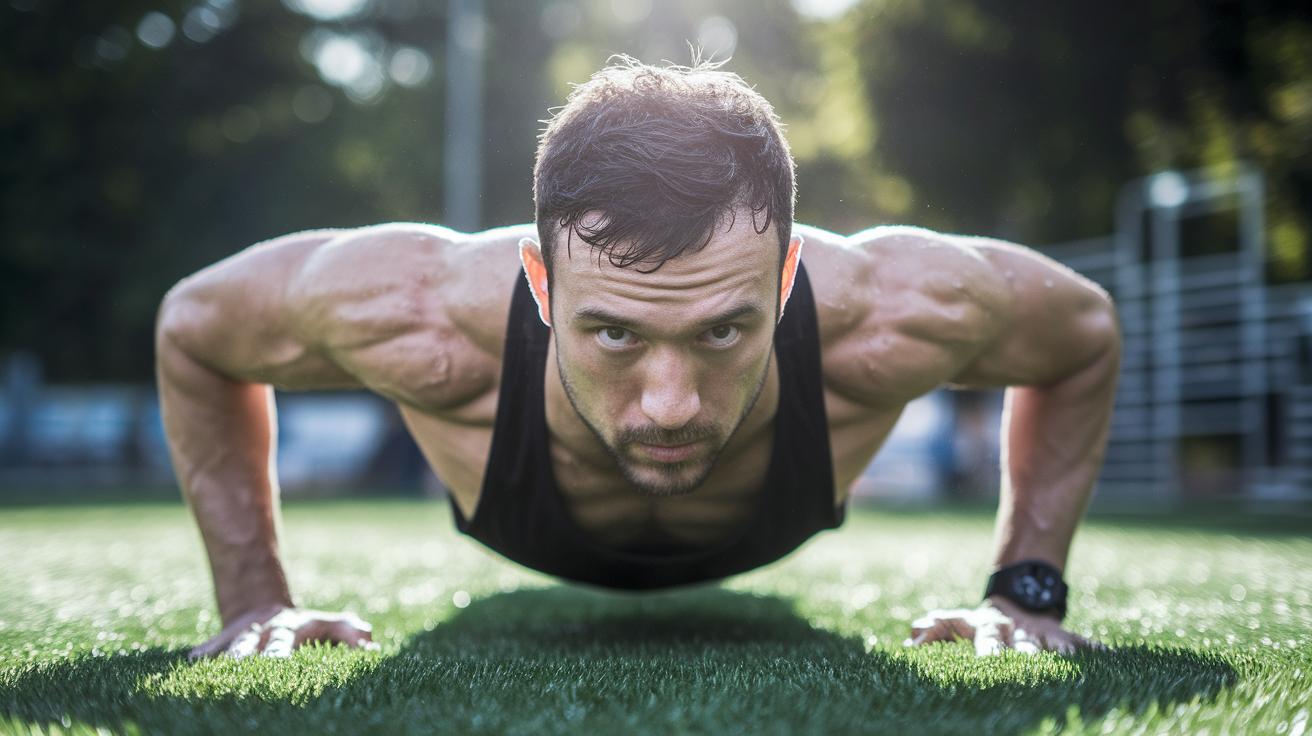
Bodyweight training can be a real game changer when you use smart overload techniques that make your muscles work a bit harder each time. One simple way is to add more repetitions to your sets. For example, if you usually do 10 push-ups, try pushing yourself to complete 12. This steady increase helps your muscles adjust and grow stronger over time.
Another trick is to cut down on your rest time between sets. Have you ever wondered what happens if you shorten your break by just 10 or 15 seconds? It keeps your heart pumping and challenges your muscles to work longer, much like a quick burst of energy during a fun workout session.
You can also change up your movement speed by slowing down the lowering phase or incorporating a short pause. Imagine taking three seconds to lower yourself during a push-up, holding briefly at the bottom, and then exploding up. This method boosts muscle tension and gives you the satisfying feeling of really pushing through your limits.
Sometimes, even a small change in your body position can make a big difference. By adjusting your leverage, say, moving your feet a bit closer during a chin-up, you send a new signal to your muscles, keeping your workout fresh and effective.
Finally, adding explosive moves like burst push-ups or jump squats can really kick your intensity up a notch. The idea is to work nearly until you can’t do another rep, knowing that every set helps your muscles adapt and become stronger.
Sample Full-Body Bodyweight Bodybuilding Workout

Get ready to try a four-day workout that challenges your main muscle groups using just your body weight. Each day focuses on a different area with a mix of exercises and well-timed rest breaks. Picture this: you begin with moves that boost strength and endurance. On Day 1, for example, performing a chair dip feels like each controlled bend sculpts your chest and triceps, while doing diamond push-ups gives your inner chest and arms a solid workout. Stick with 60–90 seconds of rest between sets, and then take a longer 2–3 minute break after each round to catch your breath and gather energy.
On Day 2, the spotlight is on your back. With close-grip chin-ups and inverted rows, each pull helps increase your back strength and arm endurance. Then, on Day 3, you focus on your legs. Bulgarian split squats and single-leg Romanian deadlift progressions challenge your balance and stability, key for building explosive power. And finally, Day 4 ramps things up with a full-body HIIT circuit. Burpees and plyo push-ups work together for a high-energy finish that hits multiple muscle groups at once.
This plan offers variety without losing sight of what matters: building strength and endurance. Each exercise follows its own set, rep, and rest guidelines so you can track your progress and adjust as you improve. Every move is a step toward a stronger, more dynamic body.
| Day | Exercises | Sets × Reps | Rest |
|---|---|---|---|
| Day 1 – Chest/Triceps | Chair Dip, Diamond Push-Up | 3×12–15, 3×15 | 60–90 sec between sets; 2–3 min between circuits |
| Day 2 – Back | Close-Grip Chin-Up, Inverted Row | 4×8–12, 3×10 | 60–90 sec between sets; 2–3 min between circuits |
| Day 3 – Legs | Bulgarian Split Squat, Single-Leg Romanian Deadlift Progressions | 4×12–15, 3×10 | 60–90 sec between sets; 2–3 min between circuits |
| Day 4 – Full-Body HIIT | Burpees, Plyo Push-Up | 4×20, 4×8 | 60–90 sec between sets; 2–3 min between circuits |
Advanced Calisthenics Progressions for Bodyweight Bodybuilding
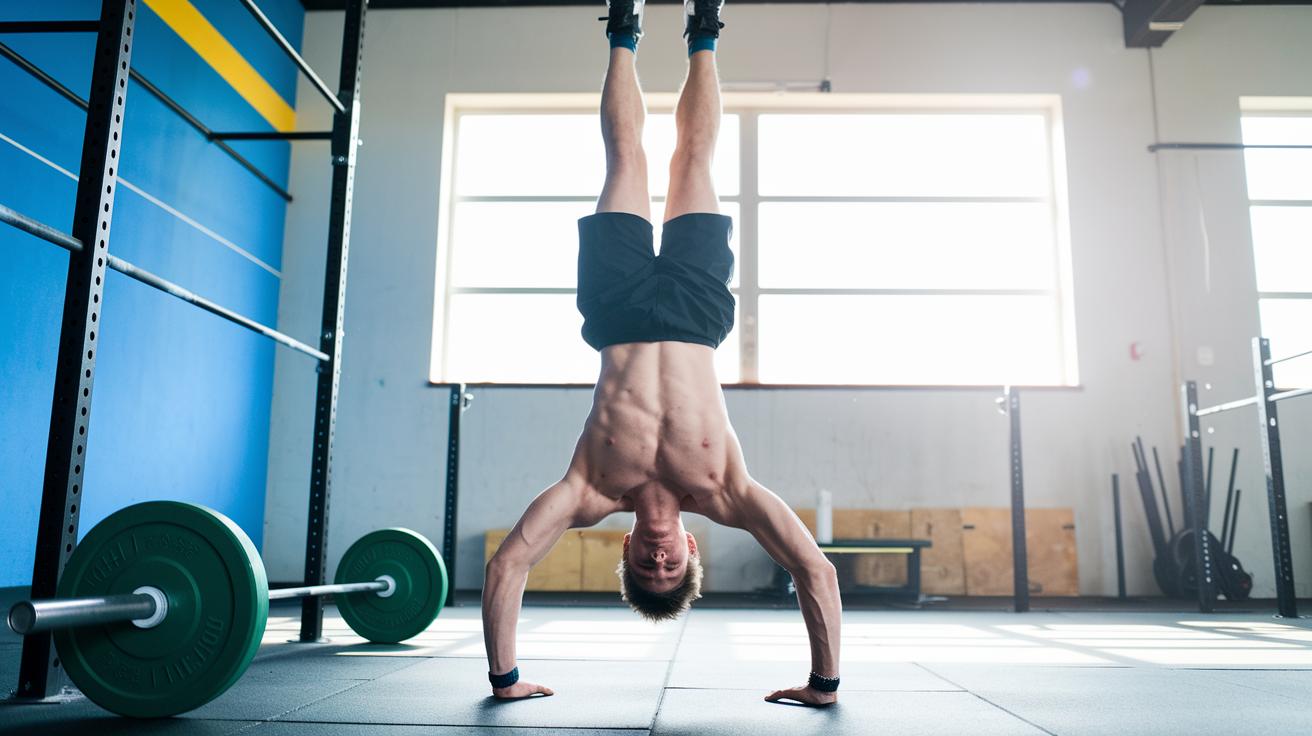
Take your muscle-building routine to new heights by using step-by-step progressions that feel just right, like removing training wheels from your bike. Start with handstand push-ups. Begin with the classic version, then try the wall-assisted approach, and finally work on freestanding handstand push-ups. Each change challenges your muscles in new ways, building both skill and strength with every rep.
When it comes to chest and arms, begin with regular push-ups. Next, switch to archer push-ups to shift your center slightly and engage more stabilizer muscles. Finally, work on one-arm negatives that demand extra control. Imagine your body steadily balancing more with each move; it's like taking small steps that lead to big gains.
The same idea applies to your lower-body workouts. Start with Bulgarian split squats before moving on to versions with extra weight on your back. Then challenge yourself with pistol squat attempts, where balance and control really come into play. Each progression is a chance to feel that refreshing burst of progress after a tough workout.
Next, boost your back workout with evolving chin-ups. Begin with standard chin-ups, add a bit of extra weight for more intensity, and top it off with L-sit chin-ups that require you to engage your core. For dips, start with the basic move, then work your way through straight-bar dips, and finally dip into muscle-up basics. Watching video demos can make each stage feel achievable, as if you’re watching a clear, friendly guide that turns a challenging move into something you can actually do.
Every progression is all about building confidence and strength while keeping things friendly and fun. Have you ever noticed how a little change makes a big difference? Enjoy every step of the journey to a stronger, more confident you!
Tracking Progress and Avoiding Plateaus in Bodyweight Bodybuilding
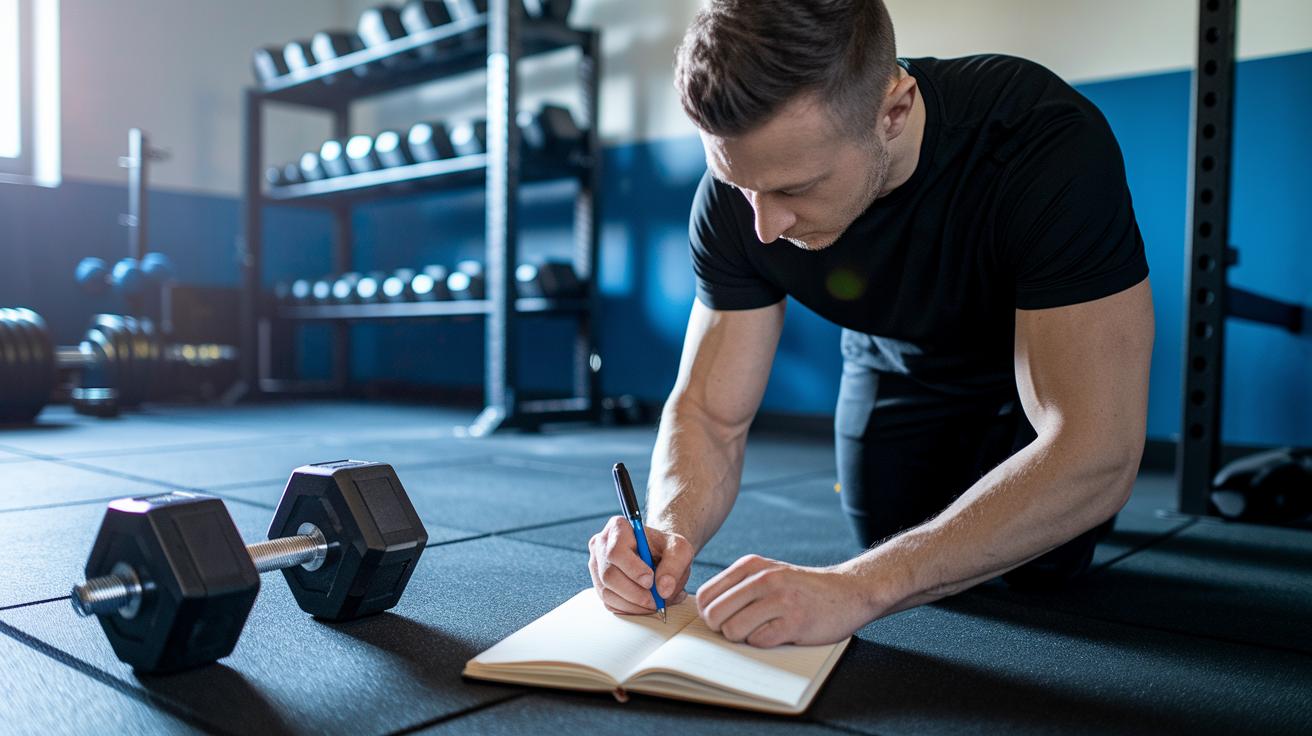
When you work out with your own bodyweight, keeping a simple, clear record of your sessions really helps. Write down how many sets, reps, and rest periods you complete, plus any changes in your exercises. This way, you can actually see how far you've come, for example, noticing you can do more push-ups at the end of the month than you could at the start. Tracking a monthly best, like your top number of pull-ups, gives you a real sense of your strength growing.
If you find your numbers aren’t going up anymore, it might be time to switch things up. Here are some ideas to try:
- Take a lighter week to let your muscles fully recover.
- Change up your exercises to work your muscles in new ways.
- Adjust the sets or reps to give your body a fresh challenge.
Keeping a routine of three to five sessions a week and making steady tweaks is key to moving past a plateau. Setting clear goals and logging every workout not only keeps you motivated but also turns any stall into a chance to build even more strength.
Final Words
In the action, this article breaks down how to use easy-to-follow body exercises that build muscle strength. We explored simple moves like chair dips and chin-ups and discussed structuring routines, using progressive methods, and tracking progress to keep training fresh.
By combining practical steps with mindful workout routines, you can feel confident in your path to improved fitness. Keep an active mindset and stay motivated as you explore the potential of bodyweight training bodybuilding!
FAQ
How do bodyweight exercises build muscle for bodybuilding?
The idea behind bodyweight exercises for muscle gain is that using your own weight can create enough resistance to boost strength, especially when you perform workouts 3–5 times weekly with sets, reps, and circuits.
What is a bodyweight training bodybuilding plan and where can I find PDF guides?
A bodyweight training plan for bodybuilding outlines exercise routines using your own weight and is often available as a downloadable PDF that details workouts, set/rep schemes, and progression tips.
What key bodyweight exercises boost muscle development?
Essential moves include chair dips for chest and triceps, close-grip chin-ups for the back, handstand push-ups for shoulders, diamond push-ups for arms, and Bulgarian split squats for legs.
How does bodyweight training compare to traditional weightlifting methods?
Bodyweight training works by using natural resistance and offers a beginner-friendly, joint-friendly option, while traditional weightlifting provides controlled incremental loading and quick overlap in muscle targeting.
How should I structure my home calisthenics regimen for bodybuilding?
A home calisthenics regimen should include 3–5 sessions weekly with dynamic warm-ups, structured exercise routines using sets, reps, circuits, and targeted principles like VO₂ drills and mobility work.
How can I apply progressive overload in bodyweight training routines?
Progressive overload in bodyweight routines means increasing reps, reducing rest times, adjusting exercise tempo, altering leverage angles, or adding explosive movements to keep muscle gains on track.
What sample full-body bodyweight workout can I follow?
A sample full-body workout might include a four-day split: chest/triceps with chair dips and diamond push-ups, back with chin-ups and rows, legs with Bulgarian split squats, and a full-body HIIT with burpees and plyo push-ups.
What advanced calisthenics progressions help build muscle further?
Advanced progressions involve moving from assisted to freestanding moves like wall-assisted to full handstand push-ups, regular to archer push-ups, progressing split squats to pistol squat attempts, and upgrading chin-ups and dips incrementally.
How do I track progress and avoid plateaus in bodyweight bodybuilding?
Tracking progress means logging sets, reps, and rest, benchmarking with max push-ups or pull-ups monthly, and when stalls occur, switching exercises, reducing volume, or taking a recovery week to stimulate new gains.