
Ever thought your meals could give you a real boost of energy and lift your mood? Clean eating turns ordinary dishes into a source of genuine strength. Imagine filling your plate with fresh fruits, lean proteins (think chicken, fish, or tofu), and vibrant veggies. It’s like swapping out low-quality fuel for premium gas.
In this post, we share easy, practical steps to help beginners start clean eating. With just a few small changes, you can brighten your day and feel more energized. Have you ever noticed how even tiny tweaks in your diet can make you feel so much better? Stick around, and let’s explore how these simple changes can transform your overall well-being.
Clean Eating Foundations for Newcomers
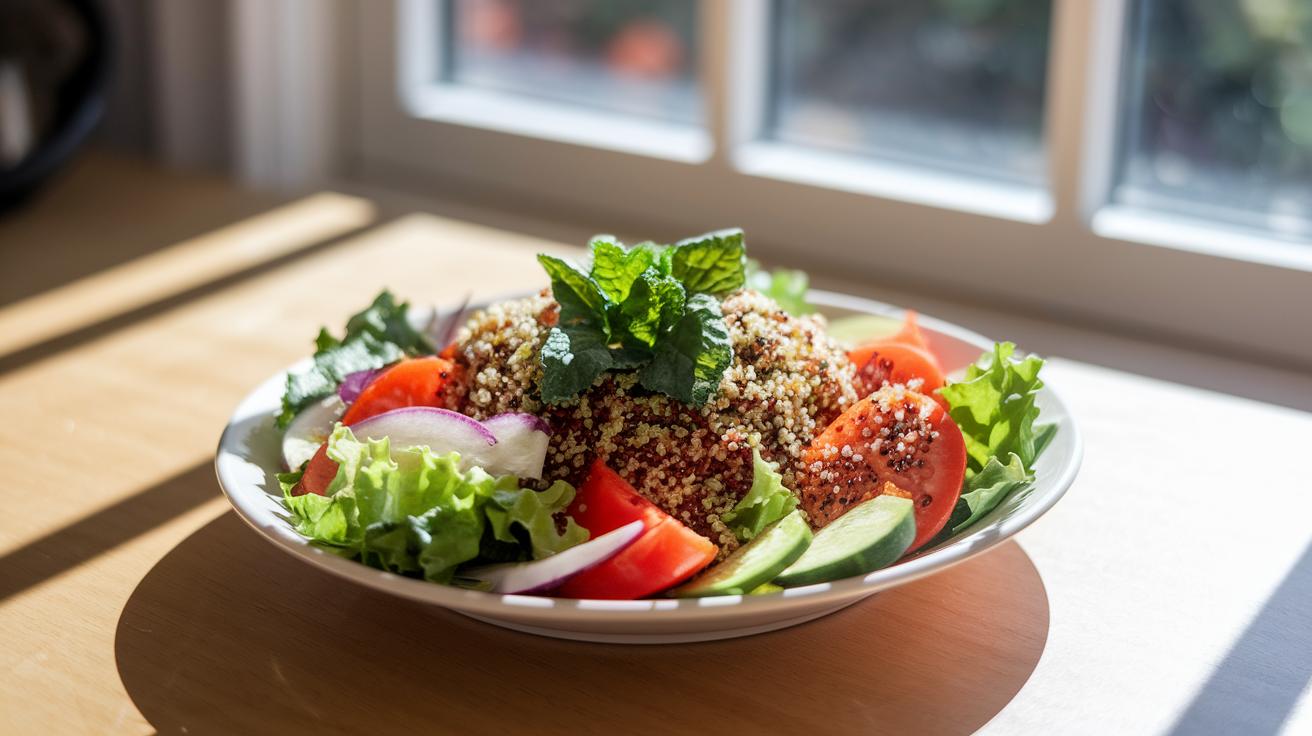
Clean eating is all about choosing fresh, whole foods that naturally pack vitamins, minerals, proteins, and healthy fats. Think of it like fueling up with premium gas for your body instead of using low-grade fuel. When you opt for clean eating, you pick foods in their natural form rather than those that have lost their goodness through heavy processing.
Reading labels becomes a simple but powerful habit. Take a moment to check each product and skip any that have refined sugars, preservatives, or fillers. Picture yourself looking at a cereal box and spotting added sugars, then deciding to grab whole oats instead. These little choices can boost your brain power, heart health, and energy levels throughout the day.
Clean eating also celebrates our personal differences. Your body might enjoy a unique set of foods based on what you like and need. One friend might do well with more protein, while another feels best with a balanced mix of whole grains and fresh fruits. There isn’t a one-size-fits-all recipe here, it's about crafting a diet that feels right for you.
Making the switch to clean eating can feel as refreshing as a cool drink after a brisk walk. Small changes can lead to big benefits for both your mind and body, making every day feel a little brighter.
Crafting a Clean Eating Meal Plan for Beginners

Start by planning your meals around fresh fruits and vegetables, lean proteins, and whole grains that give you long-lasting energy. Imagine a plate full of crisp, colorful veggies like spinach and bell peppers, teamed up with a serving of grilled chicken or tofu. Whole grains such as brown rice or quinoa lay a solid foundation for your day.
When you design your meal plan, keep these simple tips in mind:
- Pick fresh fruits and vegetables straight from the produce section, they're at their tastiest and most nutritious.
- Opt for lean proteins like fish, chicken, or plant-based choices; these help build and repair your muscles.
- Make whole grains the centerpiece of your meals so you feel full and satisfied.
Instead of using processed dairy or foods made with white flour, try cleaner options like plain yogurt or nut-based alternatives. This small change can help lessen inflammation and boost your progress.
Swap the usual processed oils found in many packaged foods with oils that offer real nutrition. Drizzle a bit of extra virgin olive oil on your salad or use a splash of avocado oil when cooking. These choices pack in healthy fats that support your overall well-being.
Feel free to tweak your meal plan to match your unique tastes and dietary needs. Experiment with different flavors and cooking methods until your clean eating plan feels just right for you.
Clean Eating Grocery Shopping Tips for Rookies
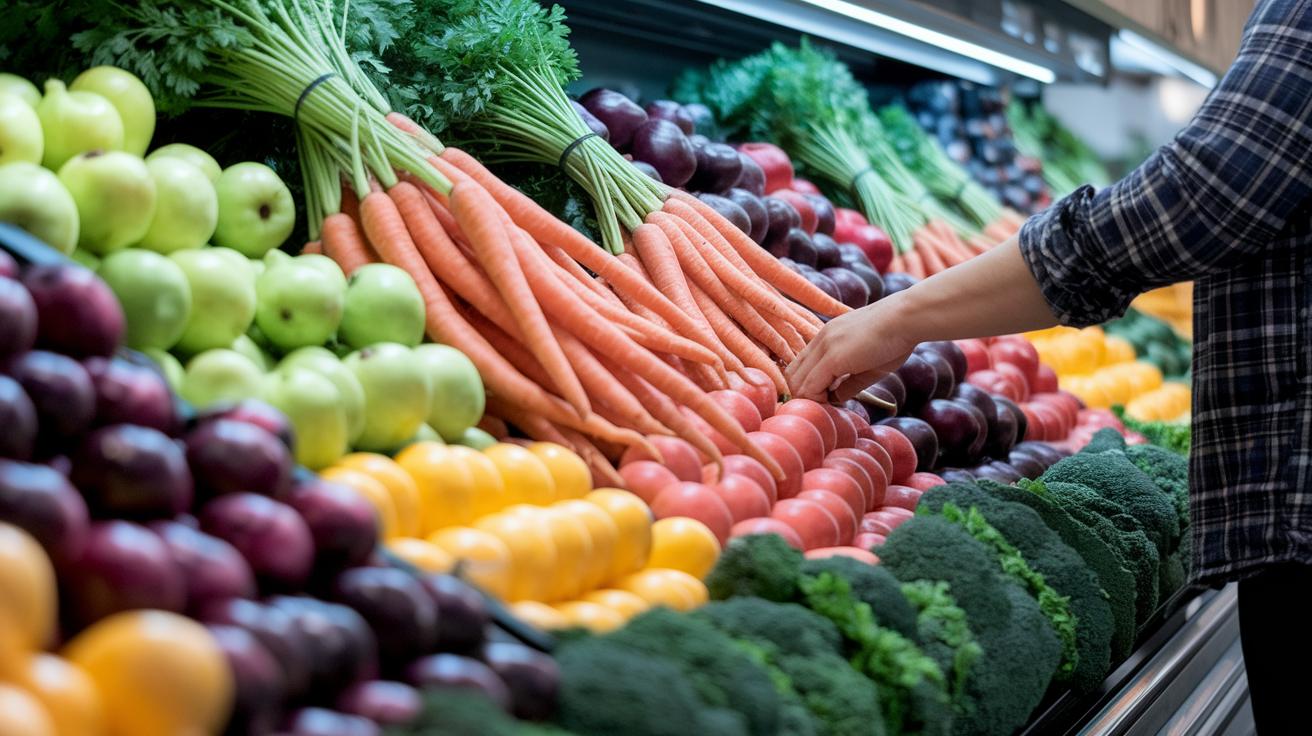
Begin your clean eating journey right in the colorful produce aisle. Imagine walking among vibrant fruits and crisp vegetables that naturally brighten your meals. For example, picture yourself choosing a bag of crunchy carrots that not only taste great but also give your body a healthy boost.
When you reach the packaged goods, take a quick look at the ingredient labels. Be on the lookout for hidden sugars, extra salt, unhealthy fats, artificial preservatives, and fillers. This little check is like reading your food's resume to make sure it fits with your clean eating goals.
If fresh produce isn’t available, don’t worry. Canned or frozen fruits and vegetables are excellent, budget-friendly options. Just be sure to rinse canned veggies to remove any extra salt. That simple step can really help keep your meals balanced.
Also, try visiting a local farmers’ market or a nearby butcher. These places usually offer a clear idea about where your food comes from and how it’s produced, so you can feel confident in what you choose. Enjoy these smart shopping tips, and soon your pantry will be stocked with wholesome foods that taste as good as they make you feel.
Clean Cooking Techniques and Simple Recipes
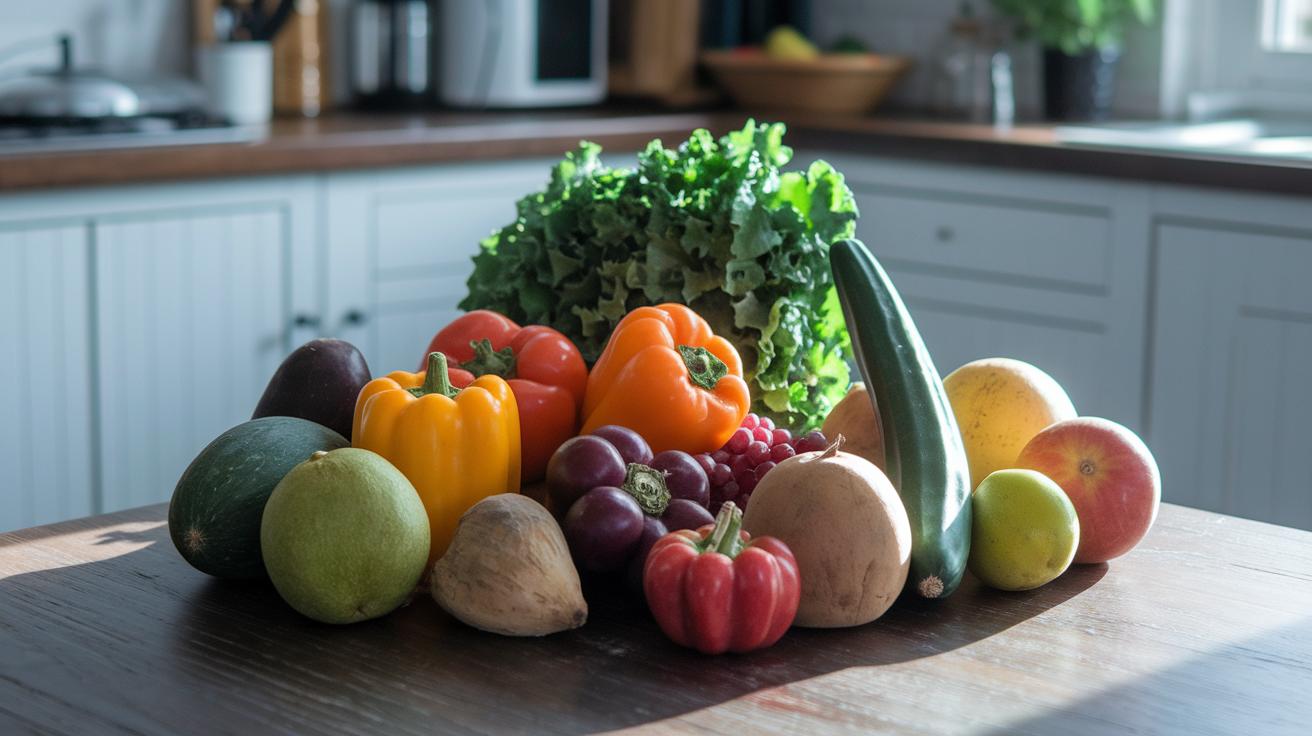
Cooking at home means you’re the one in charge. You get to decide exactly how much salt, sugar, or fat goes into each meal. Instead of risky restaurant dishes with hidden additives, you can use fresh, wholesome ingredients that not only taste amazing but also fuel your body the way you need.
Try a few simple techniques that really bring out the natural flavors. Steaming helps your vegetables stay crisp and colorful, while roasting turns carrots and sweet potatoes into delightfully tender, caramelized bites. Sautéing your favorite greens with a splash of extra virgin olive oil or avocado oil is a great way to enhance their taste. These methods keep nutrients intact without piling on extra calories from processed fats.
For a quick, feel-good recipe, blend whole fruits with a bit of water or almond milk to make a refreshing smoothie. Imagine starting your day with a glass of sunshine, a bit of banana, a handful of spinach, and some frozen berries can truly boost your morning without any added sugars.
Another wonderful option is a vegetable-and-protein stir-fry. Throw in sliced bell peppers, broccoli, and your choice of chicken or tofu with a drizzle of ghee, and let the ingredients mingle in a hot pan until they’re just tender. You could also mix in some ancient grains like quinoa to add a hearty texture to the dish.
Lastly, consider making fruit-infused water. Simply drop a few lemon slices or some berries into a jug of water. This easy step transforms plain water into a naturally flavored drink that keeps you refreshed all day.
Transitioning to Clean Eating: Tips and Tricks

Start small and keep it simple. Instead of reaching for a sugary drink, try sipping on water with a few slices of cucumber and mint. Imagine the crisp taste of that infused water, it’s both refreshing and satisfying.
Ease into clean eating by planning a few wholesome meals each week. Over time, these small, mindful choices can turn into lasting habits. Think of it like adding a splash of color to your plate gradually until it feels just right.
Here are some easy ideas to get started:
- Swap high-sugar snacks for naturally sweet fruits.
- Replace processed cereals with a warm bowl of oatmeal topped with fresh berries.
- Choose whole grain bread instead of white bread.
- During workouts, drink water instead of sugary sports drinks.
Remember, clean eating isn’t about being perfect. It’s totally okay to mix in some indulgent meals along with your healthy choices. Listen to your body and adjust the plan to suit your unique needs. After all, what works for one person might not work for another.
Avoid setting strict rules that make mealtime stressful. Begin with a couple of small, thoughtful changes and slowly add more clean meals over time. This flexible approach takes the pressure off and makes healthy eating something to enjoy rather than a chore.
Sample Clean Eating One-Day Meal Plan

Kick off your day with a warm bowl of oatmeal topped with a mix of berries, nuts, and seeds. Each bite gives you a gentle burst of natural sweetness and a satisfying crunch that feels like a cozy morning hug.
For lunch, imagine a plate of grilled chicken mixed with crisp greens and smooth avocado slices. The tender chicken and fresh veggies work together perfectly, keeping you nourished and energized throughout your day.
When you need a quick snack, grab some crunchy carrot sticks with a side of creamy hummus. This little treat balances the natural sweetness of the carrots with the tangy zest of the dip, just enough to keep your energy steady until your next meal.
At dinner, enjoy a piece of baked salmon paired with lightly steamed vegetables. Salmon is a great source of omega-3s (healthy fats that support heart and brain health), while those veggies add a colorful mix of essential vitamins and minerals to your plate.
Remember to keep sipping water, herbal tea, or fruit-infused water throughout the day. These drinks quench your thirst with a hint of flavor, without any extra sugar.
For more clean eating ideas, check out the balanced diet food list.
clean eating for beginners: Simple Steps to Shine

Crafting your own clean eating style can truly transform your daily routine. Instead of feeling pressured to be perfect every day, try setting aside one or two days each week for fully clean meals. This relaxed approach gives you the freedom to try new recipes and gradually form habits that stick, without overwhelming your schedule.
One simple trick is to shop for seasonal produce. Seasonal fruits and veggies usually burst with flavor and can be lighter on your wallet. Plus, buying in bulk or catching a sale can make it easier to keep whole grains, nuts, and dairy alternatives on hand. When fresh options aren’t available, pre-washed greens or frozen vegetables can be lifesavers during those busy weeks.
Here are a few easy tips to keep you on track:
- Plan your meals ahead of time to avoid rushing into less nutritious choices.
- Switch up your recipes often so your meals stay exciting.
- Let yourself enjoy a little treat here and there, which can help keep stress and guilt at bay.
By making these thoughtful, flexible changes, you’ll set yourself up for a routine that feels both refreshing and sustainable. Balancing your clean eating days with more relaxed meals can really help in the long run. For more ideas on digesting clean eating without feeling burnt out, check out healthy eating and balanced diet.
Final Words
In the action, we covered the essentials of adopting clean eating for beginners. You learned about focusing on fresh, unprocessed foods, smart grocery tips, and simple yet nourishing recipes. A sample meal plan made it easy to picture a balanced day, while tips for long-term habits helped show how to tailor the plan to your unique needs. Every step builds a sustainable lifestyle change that boosts both mind and body. Keep experimenting, stay positive, and enjoy your path toward a vibrant clean eating journey.
FAQ
How do beginners use a clean eating meal plan?
Beginners use a clean eating meal plan by scheduling a week’s worth of meals with whole, unprocessed foods. Options like a 7-day guide or even a 21-day PDF offer simple recipes and a clear food list to get started.
What are some clean eating recipes for beginners?
Clean eating recipes use whole, fresh ingredients like lean proteins, fruits, vegetables, and whole grains. They help replace processed items with nutrient-rich meals that are both easy and delicious.
What does a clean eating food list for beginners include?
A clean eating food list for beginners includes fresh produce, lean proteins, healthy fats, and whole grains. It focuses on natural ingredients and avoids processed items and additives.
How can I eat clean on a budget?
Eating clean on a budget involves shopping for seasonal produce, buying in bulk, and choosing frozen options when needed. Planning meals ahead also helps minimize waste and keep costs low.
Which foods should beginners avoid when eating clean?
Beginners should avoid processed items with refined sugars, unhealthy fats, and additives. Reading labels carefully helps steer clear of preservatives and fillers that don’t meet clean eating standards.
What is the 80/20 rule for clean eating?
The 80/20 rule for clean eating means focusing on whole, healthy foods 80% of the time while allowing more flexible choices 20% of the time, making the lifestyle more balanced and sustainable.
What benefits can 10 days of clean eating provide?
Ten days of clean eating can reset your body by boosting energy, improving digestion, and encouraging mindful eating habits that lead to better overall well-being.
Is pasta part of a clean eating diet?
Pasta can be part of a clean eating diet if you choose whole grain or legume-based versions. Pairing it with vegetables and lean proteins maintains balance while keeping meals nutritious.