
Have you ever wondered if what you eat can boost your health naturally? A balanced diet acts like the perfect fuel for your body and mind. When you enjoy meals filled with carbohydrates, proteins, and healthy fats (fats that are good for your heart), it can feel as refreshing as a cool breeze on a hot day. Every bite gives you energy, helps repair your muscles, and keeps your digestion running smoothly.
In this post, we explore how simple changes to your meals can help you feel more energetic, clear-headed, and ready to take on the day. It's amazing how small tweaks in your diet can make a big difference in your overall wellness.
Balanced Diet Benefits for Physical and Mental Wellness
A balanced diet is like giving your body a complete set of building blocks for both energy and well-being. It means enjoying a mix of carbohydrates (your body's main energy source), proteins (which help repair and support your muscles and immune system), and healthy fats (that assist in keeping cells and hormones in top shape). Along with these, you also get essential vitamins, minerals, fiber, and water to help everything run smoothly.
Carbohydrates work like the fuel for your car, they help you power through your busy day. Proteins are the little helpers that mend and build your muscle, while healthy fats keep your cells strong and help with important tasks like hormone production. Vitamins add a spark of energy regulation and fiber acts like a gentle broom, keeping your blood sugar steady and your digestion on track.
There’s plenty of research to back this up. Studies show that when you eat balanced meals, you not only boost your physical strength but also lift your mood and even improve your gut health. Cutting back on too much sugar and processed foods helps reduce inflammation and can lower your risk of long-term conditions such as heart disease and type 2 diabetes.
Here are some of the key benefits you might notice:
| Benefit | What It Means for You |
|---|---|
| More Energy | You stay active and feel refreshed throughout the day |
| Clearer Mind | Enhanced focus and mental clarity |
| Boosted Immunity | Your body is better equipped to fend off illnesses |
| Healthier Digestion | Smoother, more regular bowel movements |
| Radiant Skin | Your skin enjoys a natural, healthy glow |
In truth, eating a balanced diet forms the foundation for a healthier, happier life. It supports your physical strength and mental steadiness at every stage, making everyday tasks feel a little easier and a lot more enjoyable.
Balanced Diet Macronutrient Benefits and Functions

Your body thrives on a mix of macronutrients that not only curb hunger but also boost overall wellness. Think of proteins as the repair crew that fixes muscles and strengthens your immune system. Lean sources like chicken, beans, and tofu do an awesome job at keeping you strong.
Carbohydrates, especially those from whole grains like brown rice, oats, and sweet potatoes, give you steady energy and help keep your blood sugar in check. Meanwhile, unsaturated fats from olive oil, avocado, and nuts are key players in hormone production and cell health. And don’t forget fiber, found in legumes, whole grains, and veggies, which helps keep you full and supports smooth digestion.
After a balanced meal, you might notice a refreshing burst of energy, almost like a wake-up call to tackle your day. It’s amazing how mixing these nutrients can smooth out energy highs and lows, keeping those pesky cravings at bay.
| Macronutrient | Good Sources |
|---|---|
| Proteins | Chicken, beans, tofu |
| Carbohydrates | Brown rice, oats, sweet potatoes |
| Fats | Olive oil, avocado, nuts |
| Fiber | Legumes, whole grains, vegetables |
Mixing these nutrients in one meal sets the stage for lasting fullness and consistent energy. When you blend lean proteins, whole grains, healthy fats, and plenty of fiber, your metabolism gets a natural boost, making every bite work smarter for your body.
Balanced Diet Micronutrients, Fiber, and Hydration Advantages
Recent research shows that some lesser-known micronutrients can really boost your health. Vitamin K2 (which helps your body activate proteins to keep blood vessels healthy) and choline (important for brain and liver functions) are two examples. In fact, studies this year suggest that having enough vitamin K2 might help keep your arteries more flexible.
Magnesium is another key player, even though it doesn’t get as much attention as iron, calcium, or zinc. This mineral helps your muscles and nerves work smoothly and may even ease stress by calming your nervous system. For a fun twist, think about starting your day with a glass of magnesium-rich water, it might just sharpen your focus for the tasks ahead.
Fiber remains a champion for health too. It not only helps keep blood sugar steady but also fights inflammation by feeding the good bacteria in your gut. Imagine your gut as a lively ecosystem that thrives on fiber, helping you feel light and balanced throughout the day.
Hydration is important no matter your lifestyle. If you’re active, you might prefer drinks loaded with electrolytes during long workouts. But if you’re more on the sedentary side, try taking small, regular sips of water. For a refreshing tip, pause during a brisk walk to slowly sip your water and enjoy a little burst of energy and clarity.
Balanced Diet Role in Weight and Metabolism Control

A balanced diet packed with nutrient-rich foods helps keep your energy steady and your body running smoothly. Eating the right portions not only manages your calorie intake but also naturally tunes your metabolism, much like adjusting a fine instrument.
High-protein and high-fiber foods are key to lasting fullness. These meals slow down digestion, meaning you enjoy longer periods of satisfaction without reaching for extra snacks. For instance, try a bowl of oatmeal mixed with a bit of protein powder, it offers a satisfying, refreshing boost similar to the lift you feel after a brisk walk.
Keeping a regular meal schedule also helps maintain steady blood sugar levels, which signals your body to work efficiently. Spacing out your meals evenly encourages a smooth, continuous energy burn rather than quick bursts followed by crashes. Over time, this consistent routine, paired with some regular exercise, supports a healthy body composition and lowers the risk of extra weight gain.
If you're aiming to manage your weight naturally, consider pairing mindful eating with steady physical activity. Sometimes, a small tweak in your eating habits can lead to big improvements in how you feel and function.
Balanced Diet Impact on Immunity and Chronic Disease Prevention
A balanced diet not only fuels your body but also helps keep inflammation at bay. New research shows that in addition to well-known vitamins like C and E, important nutrients like vitamin D (which plays a key role in regulating your immune system) and polyphenols (natural compounds found in fruits and vegetables that help lower inflammation) can boost your white blood cell activity. Believe it or not, some studies even suggest that adding one extra serving of leafy greens daily might make your immune cells work more efficiently.
Fresh findings also reveal that choosing whole, natural foods can lower your risk for heart disease, type 2 diabetes, and certain cancers. In one recent study, diets rich in colorful fruits and vegetables, lean proteins, and healthier fats were linked to steadier blood sugar and cholesterol levels.
| Nutrient/Compound | Emerging Benefit |
|---|---|
| Vitamin D | Helps regulate your immune system |
| Polyphenols | Help lower inflammation in the body |
Balanced Diet Effects on Mental Health and Cognitive Performance
Eating a balanced diet not only powers your body but also nurtures your mind. Nutrients like Omega-3 fatty acids (good fats that help your brain work), B vitamins (essential helpers for energy and brain function), and antioxidants (natural substances that protect your cells) team up to keep your brain’s communication running smoothly. This means they help your brain cells share signals and can even ease mood swings, making your day-to-day challenges feel a bit more manageable. Imagine sitting down to a colorful, nourishing meal and feeling a calm confidence as you tackle a tricky work problem, it's like a little boost of mental clarity.
Your gut and brain are more connected than you might think. When you enjoy foods rich in fiber alongside probiotics (friendly bacteria that support a healthy gut), you help maintain a balanced gut biome. This combo affects serotonin receptors in your digestive system. Serotonin, known as the feel-good hormone, plays a big part in keeping your mood in check and reducing anxiety. With every meal that’s packed with good nutrients and low on unhealthy sugars, you're giving your gut a cozy home that can even lift your spirits.
A well-rounded diet also sets the stage for better sleep and sharper focus. Think about a nutrient-rich dinner that leaves you feeling satisfied, leading to a night of deep, refreshing sleep and a morning full of energy to tackle your tasks. By supporting both your mental resilience and cognitive sharpness, a balanced diet can help ward off memory decline and keep your mind clear for all the everyday challenges that come your way.
Balanced Diet Practical Guidelines and Meal Planning Tips
Plan your day around nourishing choices that keep your energy steady and your body happy. Think of every meal as a moment to enjoy a little variety that supports your well-being. By including fruits, veggies, lean proteins, whole grains, and healthy fats, you're fueling yourself with natural goodness.
Consider these meal ideas:
| Meal | Idea |
|---|---|
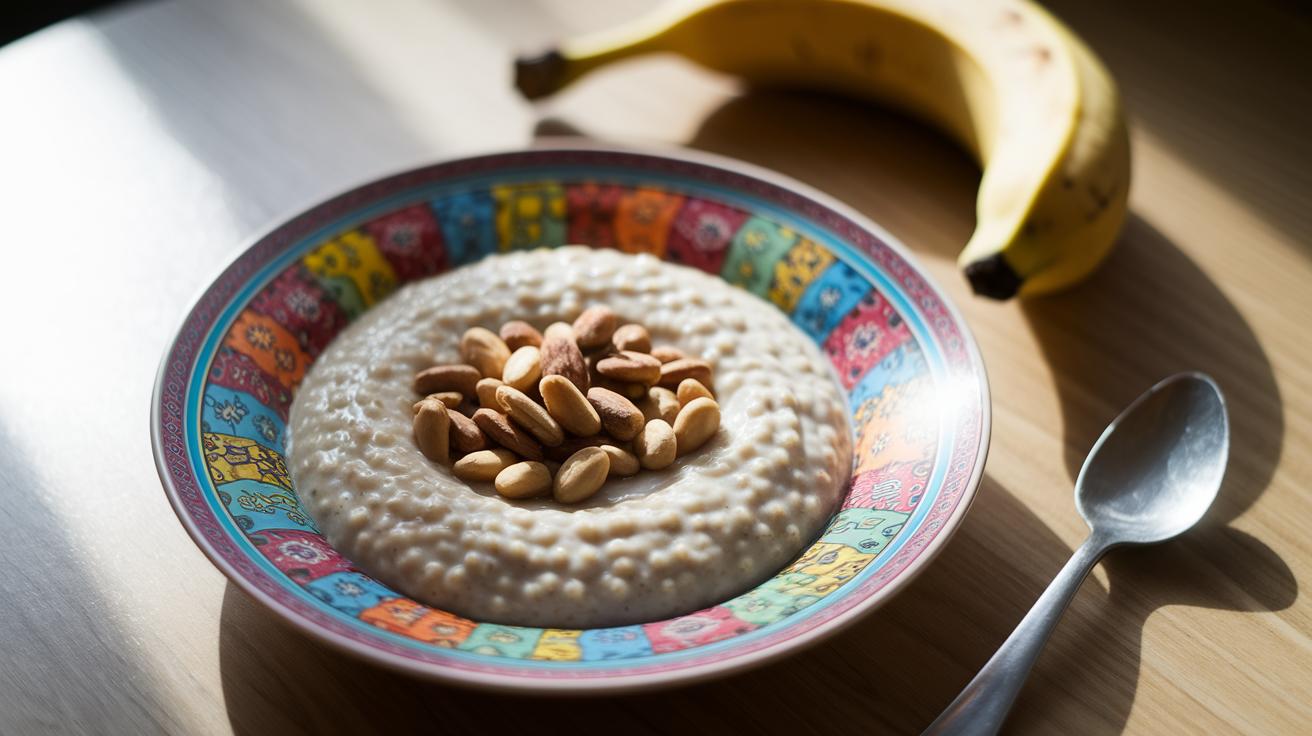
| Breakfast | Oats porridge with nuts and banana |
| Lunch | Grilled fish with quinoa and mixed vegetables |
| Dinner | Lentil curry with brown rice and salad |
A handy tip is to use a plate method. Try filling half your plate with vegetables, one quarter with protein, and the remaining quarter with whole grains. This method naturally balances your calorie intake and ensures you get the right mix of nutrients. And don’t forget snacks, yogurt, fresh fruit, or a small handful of nuts can be great to keep your energy up between meals.
Aim for about five servings of fruits and vegetables each day. Choosing seasonal produce means you enjoy the freshest flavors available. When shopping, skip the packaged items and sugary drinks. Instead, go for home-cooked meals that embrace a Mediterranean-style approach, leaning on colorful, plant-based ingredients and quality fats like olive oil and avocado.
Remember, a practical meal plan makes healthy eating a natural part of your daily routine. Experiment with fresh ingredients and different cooking methods to keep your meals exciting and satisfying. Enjoy the journey towards lasting wellness!
Final Words
In the action, we explored how a balanced diet fuels every cell in your body. We broke down macronutrients and micronutrients, explained their roles in energy, immunity, and mental clarity, and shared meal planning tips that work day to day.
This approach makes everyday eating both enjoyable and practical. Embracing the benefits of a balanced diet can boost your mood, support your physical health, and keep you feeling confident every step of the way.
FAQ
What are some benefits of healthy eating and a balanced diet?
Healthy eating supports a strong immune system, steady energy, improved mood, better weight management, and enhanced gut function while a balanced diet ensures a mix of essential nutrients for overall well-being.
What is a balanced diet?
A balanced diet combines key macronutrients like carbohydrates, proteins, fats with micronutrients such as vitamins, minerals, fiber, and water to support energy levels, muscle repair, and cell function.
How does healthy eating benefit children and students?
Healthy eating fuels growth, sharpens concentration, boosts immunity, and supports steady energy levels, helping children and students perform better in school and maintain robust physical health.
What foods are included in a balanced diet chart or food list?
A balanced diet chart includes lean proteins (chicken, tofu, beans), carbohydrates (brown rice, oats, sweet potatoes), healthy fats (avocado, nuts, olive oil), and fiber-rich vegetables and legumes to ensure varied nutrients.
What are the 7 things you need in a balanced diet?
A balanced diet includes carbohydrates, proteins, fats, vitamins, minerals, fiber, and water, each contributing to energy, muscle repair, digestion, and overall health support.
Why are balanced diets important?
Balanced diets maintain physical and mental wellness by regulating energy, supporting muscle and immune function, managing weight, and reducing the risk of chronic diseases while boosting mood and brain function.