
Have you ever noticed how a little strength training can change your day? It might seem surprising, but building strength can boost your energy and help you enjoy everyday moments, like playing with your kids without feeling wiped out.
Mixing simple weight exercises with quick bursts of cardio is a fun way to build a strong base. It’s like giving your body a refreshing jump-start.
This guide will walk you through starting your workout routine so you feel confident, energetic, and ready to take on anything.
Getting Started with Your Beginner Strength Training Routine

Start by setting a clear goal for your workouts. Ask yourself whether you want to shed a few pounds, build muscle, or simply make it a habit to hit the gym two or three times a week. Jot down your personal reason, maybe something like, "I want to build strength so I can play with my kids without getting tired." This little note will remind you every day of why you started.
Mixing strength training with some cardio is a great way to keep your routine fresh. Instead of sticking to just weights or a stationary bike, try pairing your exercises with short bursts of cardio. Think of it like putting together a tasty meal: every ingredient adds a unique flavor and benefit to the overall experience.
Before you dive into your workout, warm up with a brisk walk or light jog for about 5 to 10 minutes. This gentle start gets your body ready and helps you avoid injury. Focus on moving well and keeping your form correct, rather than just rushing through a long set. Try out different moves that work various muscles to keep your routine both fun and effective.
Remember to schedule your workouts and keep track of your progress. Write down your plan, including your chosen strength exercises and a bit of cardio, so you can see how far you've come over time. This balance of strength work and cardio not only keeps your energy levels steady but also maximizes the benefits of your new routine.
Essential Strength Training Basics for Beginners

Strength training starts with different types of exercises that boost your abilities, like agility (quick body moves), endurance (staying powered up), explosive power (rapid bursts of energy), maximum strength (lifting heavy weights), speed (quick, smooth actions), starting strength (building that initial power), and relative strength (comparing your power to your body weight). Think of these as special tools that each offer a unique benefit. For example, picture explosive power as a fast, energetic jump from a squat that helps enhance your burst of strength.
Understanding the structure of your workout is key. When you hear the word "set," think of it as a group of repeated moves. If you do 10 push-ups in a row, that's 10 reps in one set. Taking brief rest breaks between sets lets your muscles recover while keeping your heart in action. Most effective workouts last between 30 and 60 minutes, including time for warming up and cooling down. It’s the quality of your movement that really counts.
Begin with light weights or even just your own bodyweight, focusing on perfect form. As you get more confident, gradually add a bit more weight. A good tip is to do each move slowly and with care, almost like you're crafting each rep on purpose to build a solid foundation.
Core Exercises in Your Beginner Strength Training Routine

Starting out with bodyweight exercises like push-ups, squats, and inverted rows is a smart way to build strength. These moves help you learn proper form and create a strong base. When you do push-ups, try to keep your back straight as if it were a sturdy board, this makes sure your muscles get to work the right way.
Once you’ve gotten comfortable with these basics, mix in full-body exercises that challenge different muscles. A great move is the Bird Dog, which lifts one arm and the opposite leg slowly. This exercise boosts your core stability and strengthens your lower back and shoulders, making you feel more connected and balanced.
Another excellent exercise is the Goblet Squat. Hold a dumbbell or kettlebell close to your chest and squat down. This not only works your legs but also enhances your balance and posture. For shoulder strength, try the Alternating Floor Press. Think of it as switching between mini push-ups, each arm gets a turn without overwhelming your muscles.
To target your core, add the Dead Bug. Focus on slow, deliberate moves, almost like you’re carefully unwrapping a tight rope. The Forward Lunge works your legs and hips, mirroring a natural walking step while pushing your balance. Finally, the Bench-Supported Bent-Over Row is perfect for targeting your upper back and arms, all while keeping your lower body safely braced.
Every exercise here is designed to support the others, creating a balanced full-body workout. Regular practice will not only build your strength and endurance but also boost your confidence to push further in your training. Try different rep counts and speeds until you discover what feels right for you, remember, getting your form right is the key first step.
Designing Your Beginner Strength Training Routine Schedule and Progression

Try to schedule 2 to 3 strength training sessions each week, and give yourself at least one full day of rest between workouts. This break lets your muscles recover and grow stronger, much like giving a plant time to absorb water and sunlight.
Below is an example of a simple 2-day barbell split that works well for beginners:
| Day | Exercise Focus | Rep Range |
|---|---|---|
| Day 1 | Bench Press, Squat, Bent-Over Row | 8–12 reps |
| Day 2 | Deadlift, Overhead Press, Barbell Curl | 8–12 reps |
When you design your workouts, use rep ranges to match your fitness goals. Aim for 8 to 12 reps when you want to build strength and muscle (this process is known as hypertrophy, which means muscle growth) and consider 12 to 15 reps if you’re looking to improve endurance a bit. This way, you can adjust your routine based on how you’re feeling.
Keep a simple log of your weights and the number of reps you complete each session. Over time, increase the weight gradually as the exercises start to feel more manageable. Think of it like adding a small brick to your solid foundation with each session, each workout builds on the last, helping you steadily get stronger and more confident in your routine.
beginner strength training routine: Power Up Today
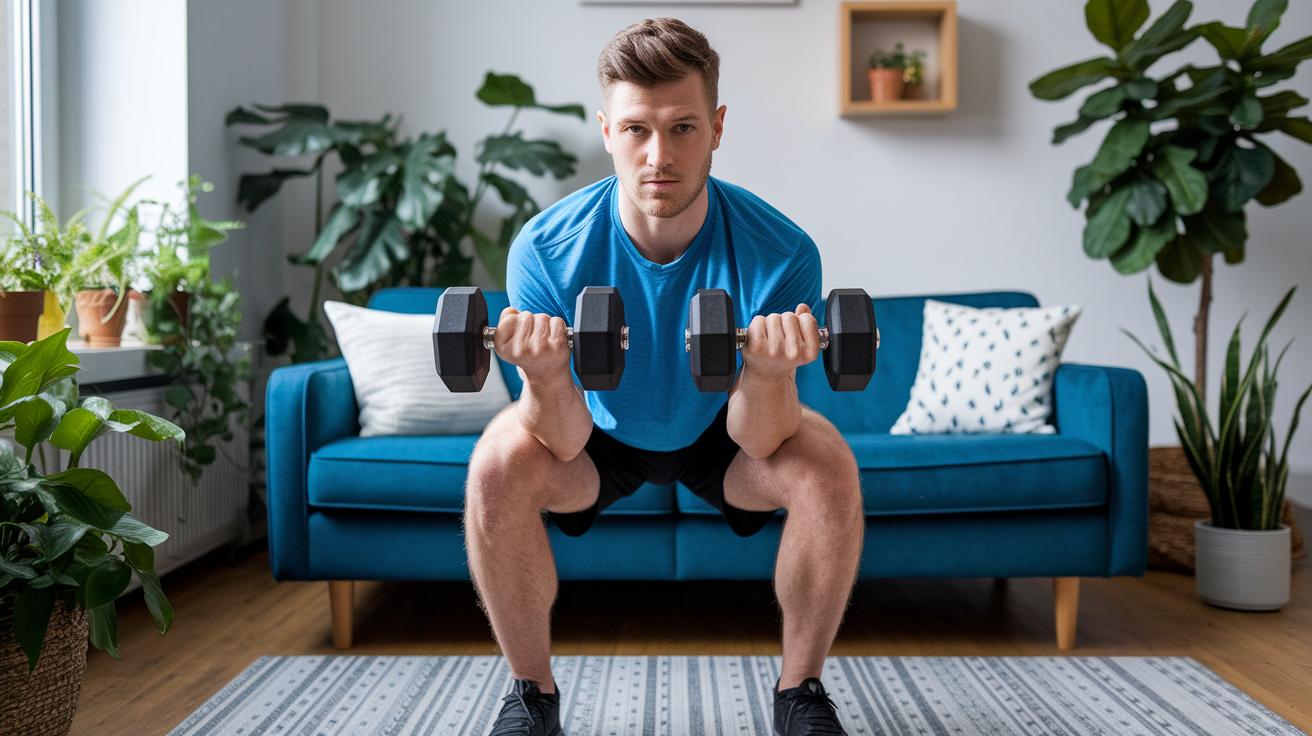
When you’re setting up your strength training routine, the first choice is whether to work out at home or in a gym. At home, you can enjoy simple bodyweight exercises, dumbbell lifts, or kettlebell swings that fit even the coziest spaces. Many folks love routines like the Nerd Fitness dumbbell and kettlebell workouts because they let you get moving without paying for a gym membership. Plus, working at home allows you to slowly ramp up your exercises as you gain confidence.
On the flip side, gyms offer a range of equipment you might not have at home. There, you can use barbells, guided machines, and easily swap weights between sets. This setting is ideal if you’re after a more structured atmosphere and enjoy having more options for your workout. While joining a gym does involve a membership fee, the extra space and professional advice can be really motivating, especially for beginners.
Think about what matters most to you:
- What equipment you can access
- How cost and space work for your routine
- Your personal comfort and daily schedule
In truth, it might be worth trying out both settings if you have the chance. Pick the one that feels right and lines up with your goals. Matching your training space to your lifestyle can give you that everyday boost you need to power up your workouts.
Equipment Essentials for Your Beginner Strength Training Routine

Getting started with strength training is easier when you have the right gear. Creating a simple workout space with a clear floor, a solid bench, and non-slip surfaces lets you focus on each smooth, controlled move. Start with equipment that supports 8 to 15 reps done with great form, you’re laying the foundation for lasting strength.
Here’s a quick list of must-have items:
- A set of dumbbells (5–15 lb): Pick weights that challenge you but still let you keep proper form, almost like a friendly push from a coach.
- A kettlebell (8–20 lb): Its compact size makes it perfect for a variety of exercises that add a refreshing twist to your routine.
- A barbell with light plates: This option lets you steadily increase resistance as you build strength, stepping up gradually.
- Resistance bands: These give you extra ways to work out without needing bulky equipment.
- A bench: Choose one that feels sturdy and won’t wobble so you can concentrate on your movement.
- A pull-up bar: Great for harnessing your body weight to build upper body strength, one rep at a time.
When you shop for your gear, start light. This way, you can master each exercise before moving on to heavier loads. Think of your workout tools as the trusted building blocks that help you feel more confident and strong from the start. For extra guidance, check out the resistance training tips to learn more about choosing the best gear for your goals.
Warm-Up, Safety, and Recovery in a Beginner Strength Training Routine

Before you dive into your workout, spend about 5 to 10 minutes on an incline treadmill or try out some dynamic warm-up moves like leg swings and arm circles. This gentle start helps wake up your heart and loosens your joints, as if you're turning the key in an engine before heading off on a drive.
When you begin your strength exercises, remember that proper form makes all the difference. Keep each movement smooth and controlled, almost like carefully stacking building blocks. This focus not only lowers your risk of injury but also makes sure you truly work the right muscles. I like to think of it as giving your body the time it needs to shape a strong foundation for progress.
After finishing your workout, take a few minutes to cool down. Stretch out the major muscle groups using slow, deep movements, and even roll out any tight spots with a foam roller if you have one. Picture it as gently releasing the tension you've built up over the session, it feels almost like a mini reset for your body.
Finally, don't overlook the importance of recovery. Make sure to schedule rest days, drink plenty of water, and enjoy a protein-rich snack to help your muscles repair and grow. A mindful cool down coupled with good recovery practices sets you up for long-term success and makes each workout feel that much more rewarding.
Final Words
In the action, your beginner strength training routine mixes goal-setting with practical exercises, a balanced schedule, and the right equipment for both home and gym workouts. You learned how bodyweight drills, compound moves, and proper warm-ups help build strength safely.
Breaking down each step makes it easy to see progress in your fitness journey. Keep moving forward with science-backed tips and steady progression. Every rep and every rest day fuels a healthier, happier lifestyle.
FAQ
How does a beginner start strength training at home, with or without equipment?
A beginner starts a home strength training routine by using bodyweight moves like push-ups and squats, then gradually incorporating light weights or resistance bands, all while focusing on proper form and controlled movements.
Is there a beginner strength training routine available in PDF form?
A beginner can find several strength training routines in PDF format, offering clear instructions and sample workout schedules designed for ease of reference and effective practice.
What does a female beginner workout plan for strength training include?
A female beginner workout plan often includes a mix of bodyweight and light resistance exercises, targeting major muscle groups while building strength gradually and boosting overall confidence.
What insights does Reddit offer on beginner strength training routines?
Reddit users advise beginners to start with simple movements, track progress, and switch between bodyweight and weight exercises to develop a strong foundation and stay motivated.
How many days a week should a beginner strength train?
A beginner typically trains 2-3 days per week, ensuring ample rest between sessions for muscle repair and steady progress in building strength.
What is the best strength training program for beginners?
The best beginner program combines core exercises, progressive load increases, and balanced rest periods, allowing individuals to safely build strength while easing into a regular workout routine.
What does the 3-3-3 rule in the gym mean?
The 3-3-3 rule usually refers to performing three sets of an exercise with three repetitions per set, which can be used as a simple method to target strength with a focused routine.