
Have you ever wondered if the food on your plate could unlock the secret to staying healthy as you get older? A smart mix of fresh greens, whole grains, and lean proteins builds your inner strength and keeps your bones firm.
Research now shows that meals packed with nutrients (good stuff that fuels your body) can boost your energy and help you feel better as you age. It’s amazing how simple, nourishing choices can lead to radiant health every day.
Key Components of a Balanced Diet for the Elderly

Eating well as you age is all about enjoying a colorful plate. Picture this: fill half your plate with veggies like spinach or kale. These greens give you fiber, calcium, vitamins A and K, and iron, all great for keeping you strong. Next, pile a quarter of your plate with whole grains such as oats or brown rice. They offer fiber and B vitamins that help keep your energy up. Lastly, use the remaining quarter for lean proteins like wild-caught salmon or eggs, which are key for muscle repair. Fun fact: leafy greens were once passed over in favor of meat-heavy meals until research revealed their power in supporting bone health and vitality. Surprising, huh?
Dark berries, like raspberries or blueberries, add a delicious boost of fiber, potassium, magnesium, and vitamin C. Citrus fruits such as oranges and grapefruits bring a tangy burst of vitamin C that helps your immune system. And don’t forget dairy, milk or plain yogurt offers about 1,200 mg of calcium a day, which is essential to keep your bones strong and fend off osteoporosis.
When you think about a balanced diet, it’s not just what you eat but what you avoid too. Skip fast foods that are high in fat, salt, and sugar, and limit your alcohol. Keeping your sodium under 2,300 mg a day can help manage blood pressure. Hydration is key, so try to drink roughly one ounce of water for every pound you weigh each day. Adding water-rich foods such as watermelon or broccoli can also help you stay refreshed.
Together, these nutrient-packed choices work in harmony to boost both your body and mind. It’s amazing how simple changes can make you feel balanced and bright every day!
Age-Specific Guidelines for Nutrient Intake in a Balanced Diet for Seniors

When it comes to planning meals later in life, it's important to focus on the nutrients that your body really needs now. For instance, fiber-packed foods like dark berries and leafy greens can help keep your digestion running smoothly and fend off constipation, which many seniors face each year. Imagine enjoying a handful of blueberries that not only taste great but also support your digestive health.
Think of key nutrients like potassium from fruits and beans, which lends a hand to heart health. Magnesium from nuts and whole grains is great for your bones and muscles, while vitamin C from citrus fruits and bell peppers boosts your immune system. Don’t forget about calcium, a must for keeping bones strong, which you can find in dairy or fortified plant milk. And vitamin D is essential because it helps your body make the most of that calcium. Picture having a serving of fortified dairy that gives you both calcium and vitamin D in one go!
Balancing your diet with about 45–65% carbohydrates, 10–35% protein, and 20–35% fat is a smart way to keep your blood sugar steady and preserve muscle mass. This mix, along with these nutrient tips, can really help maintain your energy and overall well-being as you age.
Seven-Day Balanced Meal Planner for the Elderly
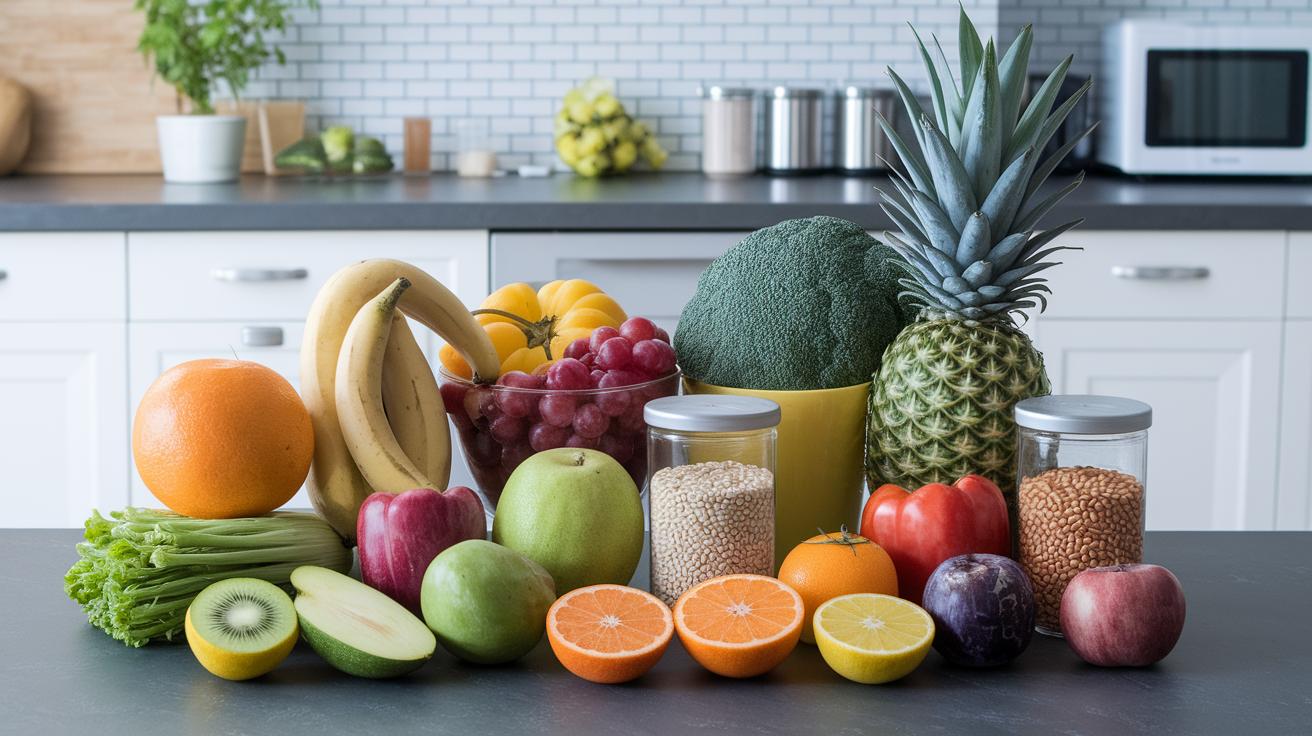
When you plan your meals in advance, you take a lot of the stress out of eating healthy. This weekly menu follows a simple guide: make half your plate vegetables, one-quarter whole grains, and one-quarter lean proteins (like chicken or fish). That way, you get plenty of fiber, vitamins, and just the right amount of calories. It’s a friendly way to help with shopping, meal prep, and keeping your portions balanced. Plus, each day’s plan features fruits and veggies bursting with water and flavor, while keeping saturated fat, sodium, and extra sugars low.
Here’s a handy menu you can print out or adjust to fit your tastes:
| Day | Breakfast | Lunch | Dinner | Snack |
|---|---|---|---|---|
| Monday | Spinach and berry smoothie with oats | Quinoa salad with mixed greens, beans, and citrus dressing | Baked salmon with steamed broccoli and brown rice | Apple slices with plain yogurt |
| Tuesday | Whole-grain toast with avocado and a poached egg | Lentil soup with carrots and kale, plus a side salad | Grilled chicken with roasted sweet potato and green beans | Melon cubes |
| Wednesday | Greek yogurt mixed with dark berries and nuts | Brown rice bowl with lean turkey, spinach, and bell peppers | Pasta in a tomato basil sauce with steamed green beans | Cucumber slices with hummus |
| Thursday | Smoothie bowl with leafy greens, banana, and flaxseeds | Whole-grain wrap filled with lean protein, lettuce, and tomatoes | Stir-fried tofu with mixed vegetables over brown rice | Grapefruit segments |
| Friday | Oatmeal with fresh fruit and a light drizzle of honey | Vegetable soup with barley served with whole-wheat bread | Grilled fish with roasted Brussels sprouts and quinoa | Fresh berry medley |
| Saturday | Egg white omelet with spinach and tomatoes | Mixed greens salad with chickpeas and citrus slices | Lean beef stir-fry with broccoli over brown rice | Watermelon cubes |
| Sunday | Whole-grain pancakes topped with dark berries | Mixed grain salad with walnuts, cranberries, and arugula | Roasted chicken with steamed zucchini and a baked sweet potato | Nuts paired with a sliced pear |
This planner is all about keeping your meals balanced with plenty of vibrant vegetables, whole grains, and lean proteins. It nudges you to add fiber-rich foods at every meal and pick snacks that help you stay hydrated. Also, taking a moment to check labels for lower sodium and sugars makes it easier to stick with a nutrient-packed diet. Enjoy this easy-to-follow guide as a way to bring both flavor and health benefits to your table.
Calorie Management and Portion Control in an Elderly Balanced Diet

As we get older, our bodies need fewer calories, so keeping an eye on portion sizes is really important. Many seniors find that their meals should have around 200 to 300 fewer calories than what younger people usually need. Imagine a warm, single-serving bowl of hearty vegetable soup that fills you up without overdoing it.
A great tip is to switch to a smaller plate. This simple change helps reduce your serving size naturally. For instance, think about filling a small plate with lean proteins, whole grains, and a mix of colorful veggies, each portion about the size of a quarter-cup. This approach makes it easier to follow a calorie plan that suits a slowing metabolism.
Another smart step is to check food labels closely. This can help you keep your sodium intake at or below 2,300 mg a day. And if you enjoy a bowl of soup, try picking water- or broth-based options. They add bulk without piling on extra calories. These easy strategies help you build a balanced meal plan that fits your changing needs.
Balanced Diet for the Elderly: Radiant Health

If you're dealing with chronic health issues, tweaking your eating habits can truly lift your spirits. Changing up your meals to suit your needs is a smart and friendly way to keep active and feel great.
For seniors watching their blood pressure, choose foods rich in potassium (a nutrient that helps balance blood pressure) like spinach, bananas, and whole grains, and try to keep your salt intake below 1,500 mg each day. Picture a plate of grilled salmon filled with heart-loving omega-3 fatty acids, served with a warm scoop of quinoa and a mix of crunchy vegetables. This meal not only supports your heart but also delights your taste buds. For some extra pointers, take a look at the Supplements to Lower Blood Pressure link.
If type 2 diabetes is a concern, lean towards low-glycemic foods such as oats and legumes paired with lean proteins. Imagine a comforting bowl of oatmeal mixed with a handful of berries and a side of fluffy scrambled eggs, an inviting, blood sugar-friendly breakfast to kick off your day.
When it comes to keeping bones strong, especially if you have osteoporosis, combining 1,200 mg of calcium with 800 IU of vitamin D can work wonders. You can get these from dairy products or fortified alternatives, and a bit of safe sun exposure helps your body absorb the nutrients to keep your bones sturdy.
Also, many seniors find that Medicare Part B comes in handy since it covers nutrition therapy during your annual wellness visit, offering personalized advice to make planning your meals a breeze.
Senior-Friendly Cooking Tips and Easy Recipes to Support a Balanced Diet

Keep your meal prep simple by having handy ingredients like pre-washed greens, canned beans, and frozen berries. These items let you whip up tasty dishes quickly without spending endless hours chopping and washing. For example, start your day with a smoothie blend of yogurt, mixed berries, and spinach, a cool, refreshing drink that feels gentle on your stomach.
When it comes to lunch, try mixing cooked lentils with lightly sautéed vegetables and lean poultry. This hearty bowl offers a balanced mix of protein and fiber to keep you energized throughout the day. And for dinner, imagine enjoying baked salmon drizzled with a bit of lemon and a sprinkle of herbs, served alongside steamed broccoli. This meal not only tastes delicious but also provides essential omega-3 fatty acids (healthy fats that support heart health) and plenty of vitamins.
Snacks can be both nourishing and satisfying. Consider a fruit-and-yogurt parfait or whole-grain crackers topped with avocado mash. These options are easy to munch on and packed with nutrients that boost your overall well-being. Plus, if you’re up for a little culinary adventure, check out ideas for probiotic-rich sides from Fermented Foods Recipes at https://healthyfax.com?p=1977 to help keep your gut happy.
Each tip is designed to work well with everyday kitchen routines while delivering balanced nutrition in every bite. Enjoy your cooking and give these ideas a try, you might just discover a refreshing burst of flavor in every meal!
Final Words
In the action, the article highlighted how a colorful plate promotes wellness, from a mix of veggies, whole grains, and lean proteins to clever hydration tips. It broke down nutrient needs, age-specific guidelines, and smart meal planning with simple recipes that even busy seniors can easily follow. Short cuts like controlled portions and mindful calorie distribution help too. Every section offers practical guidance to support better health, showcasing a balanced diet for the elderly as the cornerstone of sustained well-being. Keep embracing small changes that brighten your daily routine!
FAQ
Q: What is a balanced diet for the elderly?
A: A balanced diet for the elderly includes half a plate of vegetables, a quarter whole grains, and a quarter lean proteins, ensuring key nutrients like fiber, calcium, and vitamins for overall health.
Q: What are 5 foods that seniors should eat every day?
A: Five key foods for seniors are leafy greens (spinach or kale), whole grains (oats or brown rice), lean proteins (salmon or eggs), berries (blueberries or raspberries), and dairy (milk or plain yogurt) to support vital functions.
Q: What does a 7-day meal plan or diet plan for seniors look like?
A: A 7-day meal plan for seniors offers a ready-to-use menu blueprint of balanced meals with half vegetables, quarter whole grains, quarter lean proteins, hydration tips, and printable PDF resources for easy planning.
Q: What strategies improve nutrition in the elderly?
A: Nutrition strategies for seniors include planning balanced meals, reading labels to avoid excess sodium and sugar, using portion control, and incorporating water-rich foods and snacks to support digestion and overall wellness.