
Have you ever wondered if push workouts are truly better than pull exercises? The truth is, both work in their own special way to build strength.
When you push, you're mostly powering up your chest, shoulders, and triceps, think of that refreshing burst of energy after a mini workout. On the other hand, pulling exercises fire up your back and biceps, giving you a balanced boost all around.
By mixing these moves, you're not just following a routine; you're creating a smarter plan that helps you reach your fitness goals faster. It's like tuning up a well-loved machine to perform at its best.
push vs pull workout: Skyrocket Your Training

Push workouts get your muscles moving by pushing weight away from your body. They mainly work your chest, shoulders, and triceps. For example, exercises like the bench press and push-ups build strength just like a sprinter bursting from the starting line. You might try doing three sets of eight to twelve reps with a break of about 60 to 90 seconds between sets.
Pull workouts, in contrast, use actions that draw weight toward you. These moves target your back, biceps, and forearms. Picture pulling open a heavy door, your back and arm muscles work together to make it happen. This style of training not only builds strength but helps even out muscle imbalances by switching between push and pull sessions.
Switching up these workouts lets one muscle group rest while you focus on another. This approach prevents over-stressing any one set of muscles, cutting down on injury risk. It also fits nicely into a regular gym schedule, helping you build strength steadily while giving your body the recovery time it needs.
Key Push vs Pull Exercises and Targeted Muscle Groups

Push and pull workouts offer a focused way to strengthen your upper body while building muscle. With push exercises, you move weight away from your body, which mainly works your chest, shoulders, and triceps. For example, when you do a push-up or bench press, you feel that burst of strength as your muscles work hard.
In pull exercises, you draw weight toward yourself, which targets your back, biceps, and forearms. And if you prefer working out at home, you can easily try back exercises with dumbbells instead of heading to the gym.
Here’s a quick look at some favorite push moves and the main muscle they work:
- Bench Press – chest
- Push-Ups – chest
- Shoulder Press – shoulders
- Dips – triceps
- Chest Fly – chest
- Lateral Raises – shoulders
- Tricep Extensions – triceps
Below is a simple list of pull exercises with the muscle groups they focus on:
- Rows – back
- Pull-Ups – back
- Bicep Curls – biceps
- Forearm Curls – forearms
- Lat Pull-Downs – back
- Inverted Rows – back
Each move zeroes in on a specific muscle group, making it easier to build a balanced routine. Mixing these push and pull exercises can help you develop strength that not only sculpts your upper body but also makes everyday activities feel easier and more natural.
Benefits and Drawbacks of Push vs Pull Workout Splits
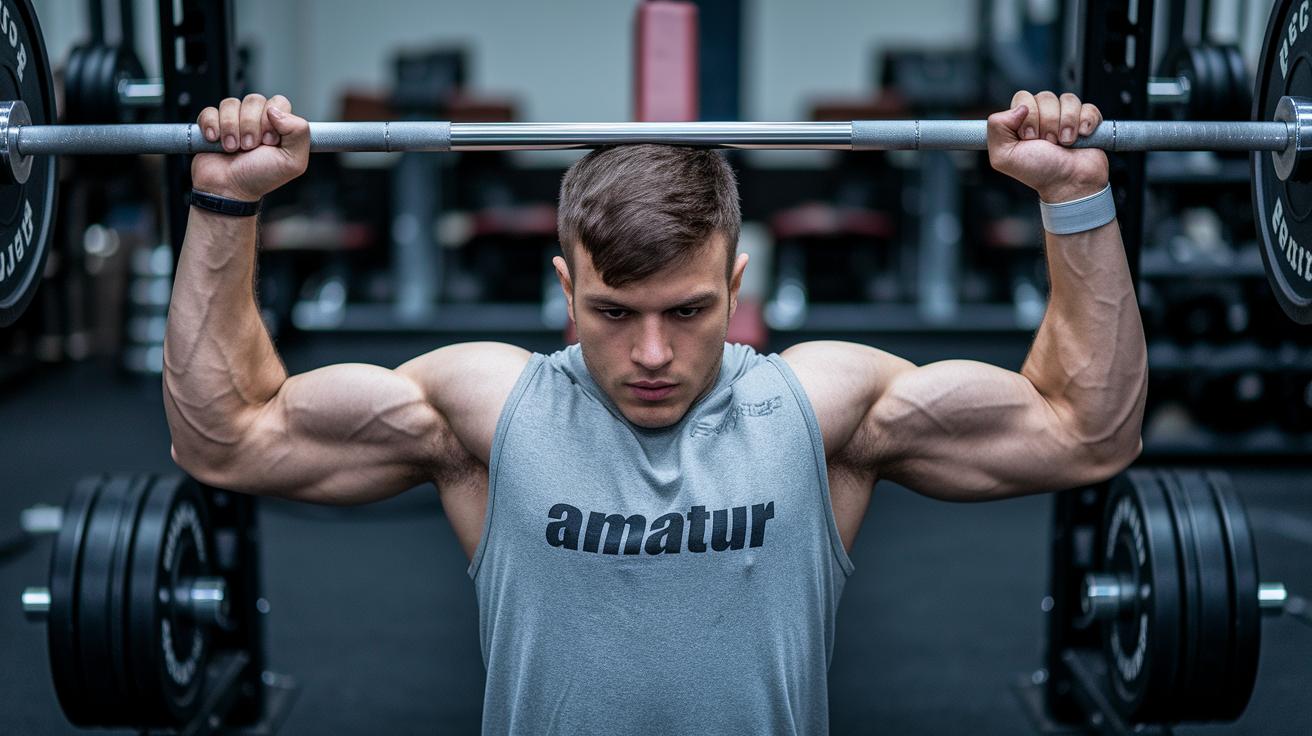
Push workouts are fantastic for building upper-body strength and defining your muscles with exercises like bench presses and shoulder presses. Each rep gives you that clear burst of power, kind of like the rush you feel when you launch off at the start of a race. When you stick to proper form and step-by-step progress, you'll notice your muscle tone improving in a very tangible way.
Pull workouts, on the other hand, are great for your posture and help keep injuries at bay by targeting your back muscles, biceps, and forearms. Think about moves like rows and pull-ups; they work to strengthen the back and grip, ensuring that your everyday movements feel more balanced and secure. It’s like giving your body a firm, safe foundation.
But here’s a challenge: overtraining. If you load your sessions with too much volume, you might end up feeling fatigued, which can harm your form during key exercises. This drop in technique not only affects your performance but could also lead to injuries.
Another point to consider is that focusing only on push and pull workouts might create muscle imbalances if you’re not also working your lower body and core. Plus, finding the time for at least four workouts a week can be tricky if you have a busy schedule. It’s all about finding the right balance that works for you.
Designing Your Push vs Pull Workout Routine
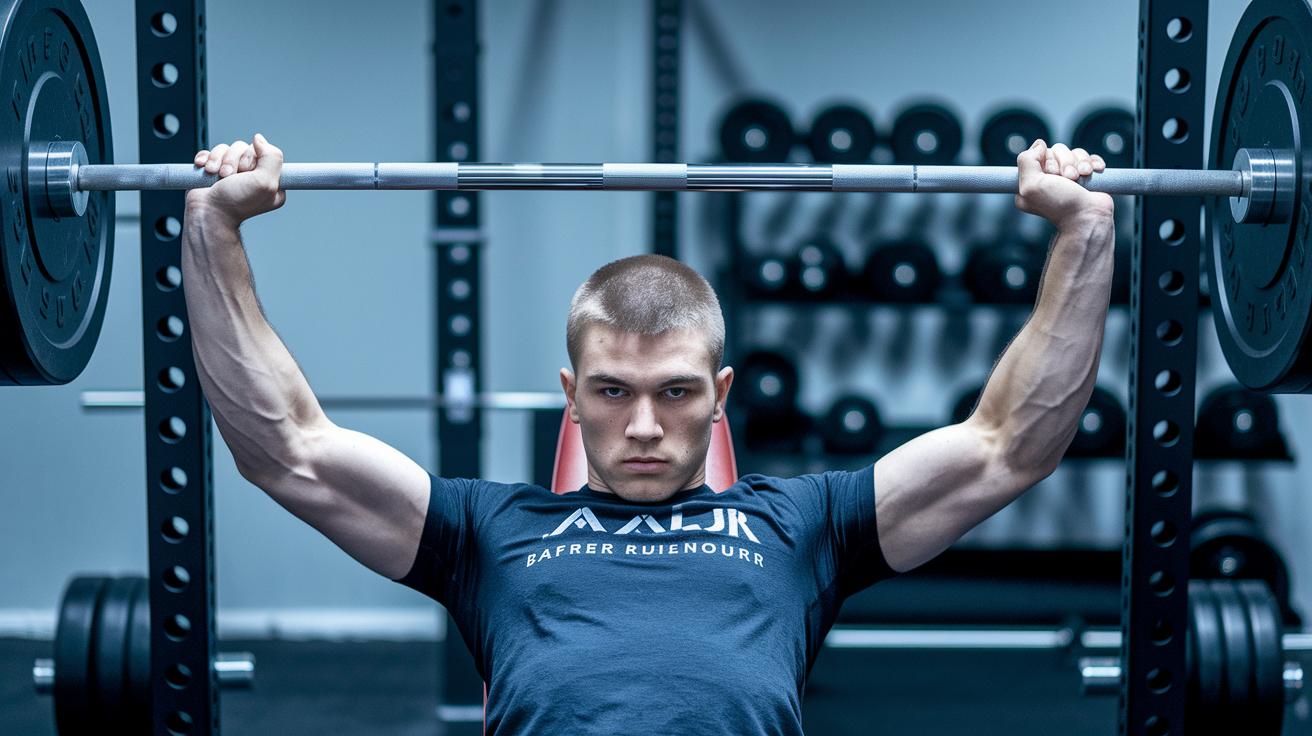
Creating a workout schedule that splits your plan into push and pull days can really help your body recover while boosting your strength. You alternate days where you focus on pressing movements (like the bench press) and days where you work on pulling exercises (such as rows), so each muscle group gets a well-deserved rest. You can choose lighter weights if endurance is your goal, or heavier loads if strength is what you’re after. And, remember to take 60 to 90 seconds of rest between sets to keep your muscles fresh and ready.
Sample Push Workout Plan
Kick off your push day with 5 to 10 minutes of easy cardio to get your heart pumping. Then, start with the bench press, aim for 3 sets of 8 to 12 reps to nicely work your chest. After that, move into shoulder presses for 3 sets of 8 to 12 reps to give your shoulders a solid workout. Follow this up with dips for 3 sets of 10 reps and finish with tricep extensions for 3 sets of 12 reps. Keeping your breaks between 60 and 90 seconds helps you maintain intensity while giving your muscles a quick recovery.
Sample Pull Workout Plan
For your pull day, begin just as you did with your push workout, a quick 5 to 10 minute cardio warm-up. Next, perform bent-over rows for 3 sets of 8 to 12 reps to engage your back muscles. Then, add pull-ups or inverted rows for another 3 sets of 8 to 12 reps to further challenge your back and biceps. To wrap it up, do bicep curls for 3 sets of 12 reps and forearm curls for 3 sets of 15 reps. Again, resting for 60 to 90 seconds between sets will help your muscles recover and keep the momentum going. This mix of push and pull exercises can really balance your strength training throughout the week.
| Day | Exercise | Sets | Reps |
|---|---|---|---|
| Push | Light Cardio Warm-Up | 1 | 5-10 mins |
| Push | Bench Press | 3 | 8-12 |
| Push | Shoulder Press/Dips/Tricep Extensions | 3 | 10-12 |
| Pull | Light Cardio Warm-Up | 1 | 5-10 mins |
| Pull | Bent-Over Rows | 3 | 8-12 |
| Pull | Pull-Ups/Bicep & Forearm Curls | 3 | 12-15 |
Push vs Pull vs Full-Body Training: A Comparative Guide
Full-body workouts work your entire body in one session. They’re a great choice when your schedule is unpredictable because you can hit lots of muscle groups at once. It feels efficient and satisfying on busy days, but sometimes you might feel wiped out before you wrap up. And that fatigue can make your form slip, which means your workout might not be as effective as planned.
Push-pull workouts focus on specific muscle groups by separating pushing and pulling moves on different days. This split usually calls for at least four gym visits each week, but it keeps your energy fresh throughout your sessions. If you’re looking for even more balance, consider a push-pull-leg split that adds a day just for legs and core. This way, you can spread the effort evenly, keep each workout sharp, and avoid dumping all your energy in one go.
Tips and Common Mistakes for Safe Push vs Pull Workout Integration

Alternate your workout days between push and pull exercises so that each muscle group gets a well-deserved break. This way, you lower the risk of overuse injuries. Picture your muscles recharging like a battery that’s ready for another burst of energy. And don’t forget to mix in sessions for your lower body and core to keep your workouts balanced.
Keep your focus on proper form by using the full range of motion in every exercise. When you’re doing moves like push-ups or rows, sticking to the right technique helps prevent unnecessary strain. Think of it like dancing: each step flows smoothly into the next, building strength while keeping things safe.
Gradually increase the intensity of your workouts to give your body a chance to adjust. Watch your total effort so you don’t push too hard too soon. And if you notice that soreness lingers longer than usual, ease off a bit and give your body the extra care it needs to stay on track.
Final Words
In the action, this article broke down the differences between push and pull workouts, showing how each targets specific muscle groups for balanced strength building. It highlighted key exercises, compared training splits, and offered tips on form and scheduling. The insights aim to help you create a well-rounded routine that minimizes injury risks while maximizing gains. Embrace these expert tips to improve your push vs pull workout and power up your training sessions with confidence and clarity.
FAQ
What are push vs pull workout discussions on Reddit about?
Push vs pull workout discussions on Reddit compare exercise methods that focus on pushing (chest, shoulders, triceps) and pulling (back, biceps) movements. They offer tips for balanced routines and recovery.
What does a push vs pull workout look like for beginners?
A push vs pull workout for beginners breaks sessions into exercises that push weight away and pull weight toward your body. Beginners start with lighter weights and basic movements to build strength safely.
What are key push exercises?
Push exercises like bench press, push-ups, and overhead press focus on moving weight away from the body, mainly working the chest, shoulders, and triceps for upper-body strength.
What can I expect from a Push Pull Workout Plan PDF?
A Push Pull Workout Plan PDF provides a detailed guide listing exercises, sets, reps, and rest intervals. It offers a structured outline to help you plan balanced push and pull sessions.
How do push vs pull workouts work for the legs?
While push vs pull workouts generally target the upper body, similar principles can apply to legs by grouping quadriceps moves with push actions and hamstring moves with pull actions for balanced lower-body strength.
What does a push day workout include?
A push day workout targets the chest, shoulders, and triceps. It typically features exercises like bench presses, shoulder presses, push-ups, and dips performed over multiple sets with proper rest between them.
Which muscles do push and pull exercises target?
Push exercises target chest, shoulders, and triceps while pull exercises work on back, biceps, and forearms. This split promotes balanced muscle development and helps improve overall posture.
What is involved in a typical push pull workout routine?
A push pull workout routine alternates days between pushing and pulling exercises. This method promotes recovery, maintains workout variety, and helps balance muscle strength without overtraining.
Are push or pull exercises better, or which is more effective?
Both push and pull exercises are effective. Push moves build chest and shoulder strength while pull moves develop the back and arms. Together, they form a balanced training program for overall strength.
What does the 3 2 8 method refer to in workouts?
The 3 2 8 method means performing three sets with eight repetitions per set and taking two minutes rest between sets. It is a rep scheme designed to balance strength and endurance training.
Should I do push day or pull day first?
The decision to start with a push or pull day depends on your personal goals and energy levels. Some prefer to target chest and shoulders first, while others choose back-focused exercises to warm up supporting muscles.
What does the side lateral raise target?
The side lateral raise primarily targets the middle shoulder muscle, helping to broaden your shoulders. It improves shoulder definition and contributes to overall arm stability when done with proper form.
How do bent‑over rows improve strength?
Bent‑over rows target the back muscles, especially the lats and mid-back. They help improve posture and upper-body stability, making them a key exercise for a pull workout routine.
What benefits does the face pull offer?
Face pulls work the upper back and rear shoulder muscles, promoting shoulder stability and improved posture. This move helps balance muscle strength and can lower injury risk during training.
What is the significance of the deadlift exercise?
Deadlifts are compound exercises that engage the lower back, glutes, hamstrings, and core. They build overall strength and improve stability, making them a cornerstone in many strength training routines.
How does the overhead press contribute to upper-body strength?
The overhead press targets the shoulders, upper chest, and triceps. It boosts upper-body power and stability, supporting everyday movements and adding to balanced muscle development.
What muscle group do front raises target?
Front raises primarily work the front shoulder muscles and upper chest. They help improve shoulder strength and enhance upper-body aesthetics through controlled, steady movements.