
Ever feel like your emotions are getting the best of you? Imagine turning a wild, stormy mood into a calm, sunny afternoon with one deep, soothing breath. Learning to manage your feelings means noticing them, naming them, and easing them down before they take control. When you choose calm instead of chaos, you're giving yourself a chance to build a clearer, more confident mind. Today, you'll see how taking just a moment to check in with your body can help you stay centered and ready for whatever life brings.
Core Emotional Regulation Skills: Definition and Benefits
Emotional regulation skills let you steer your feelings instead of keeping them bottled up. They give you the power to pick which emotions show up and decide how to express them. Imagine finishing a stressful meeting feeling overwhelmed; by pausing and taking a few deep, steady breaths, you slowly switch from snapping to thinking clearly, turning stress into a calm moment.
These skills work one step at a time. First, you create a little space before you react. Then, you tune into how your body feels, maybe noticing a quickened heartbeat or a warm, tight feeling in your chest. Next, you name your emotion so it becomes clearer, and finally, you treat those feelings with a bit of self-kindness. A mindful pause, like when you sense a rising heat during a disagreement, lets you choose a calming strategy that aligns with your true self.
Mastering these techniques can bring positive changes across your life. They boost mental well-being, build resilience, and even sharpen your relationships by reducing stress. At work, staying centered helps you make smart decisions and connect better with colleagues. At home, a more balanced mood leads to a stronger, more confident you. In short, nurturing emotional regulation not only gives you greater self-control but also supports a stable, peaceful state of mind that benefits every part of your life.
Emotional Regulation Skills: Cultivate Calm & Confidence

When life gets overwhelming, take a breath before you react. It’s like tidying up a messy desk before starting your work. Notice how your body acts, for example, a pounding heart or a sinking feeling in your stomach can alert you that an emotion is on the rise. Spotting these signals early gives you a chance to decide a calm response.
It also helps to name your feelings. Saying something like “I’m angry” or “I feel anxious” can turn a blur of emotions into a clear message, much like labeling ingredients before cooking. Embrace your feelings with kindness, treating yourself the way you would comfort a good friend. Maybe after a rough day you remind yourself, “It’s okay to feel this way; I’m doing my best.” Check out these self-care tips to guide you further.
Mindfulness is another great tool. When you focus on your breath, it’s like hitting a reset button during a hectic moment. This steady approach, supported by mind-body wellness experts, shows that a few deep breaths can calm a whirlwind inside.
Let your core values steer your reactions too. Ask yourself, “Does this choice match who I really am?” This simple check helps you act with purpose instead of just reacting on impulse.
Here are some practical techniques you can try today:
- Identify and cut back on things that trigger strong feelings.
- Pay attention to body signals like hunger or tiredness.
- Shift your mindset to boost optimism about yourself.
- Use kind, positive self-talk to quiet negative thoughts.
- Choose thoughtful actions over snap decisions.
- Focus on pleasant moments to brighten your mood.
- Seek professional help if things feel too heavy.
By weaving these tips into your daily routine, you can build a sense of calm and confidence that makes every day a bit brighter.
Factors Shaping Emotional Regulation Skills
Emotional regulation is like having both auto-pilot and manual controls working together to help you manage your feelings. Think of it like this: while your body might trigger an automatic reaction to stress, your mind can step in and take charge. For instance, dual-process theory shows how your body’s instinctive response meets thoughtful decision-making. On the other hand, polyvagal theory explains that the vagus nerve (a key nerve that helps control your calm or alert state) plays a big role in switching your body between feeling relaxed and ready. Then there’s Gross’s process model, which breaks down managing emotions into steps such as picking a situation, adjusting it a bit, directing your attention, rethinking your ideas, and finally tweaking your reaction. The cognitive-behavioral model takes it further by showing just how strongly your thoughts influence what you feel and do.
Your genes also play a role in how you handle emotions. For example, think about serotonin, a chemical messenger that helps balance your mood and can even affect how swiftly you recover from stress. Meanwhile, things like heart-rate variability (the natural ups and downs of your heartbeat that show how your body responds to stress) provide clues about your readiness to handle big feelings. Early experiences, especially in childhood, can set the stage for how you deal with emotions later in life.
Our surroundings matter a lot too. Stressful contexts like financial worries or relationship issues can make it harder to keep emotions in check, triggering quicker or stronger responses. On top of that, conditions such as ADHD, autism, anxiety, or depression might add extra layers of difficulty when managing your feelings.
There are even some interesting gender differences. Women often express their feelings more openly, whereas men might lean towards keeping things inside. So, a mix of genetic, physical, developmental, environmental, and even mental health factors creates a unique recipe for how each of us can best use thoughtful and behavior-based techniques to manage our emotions.
| Influence | Example |
|---|---|
| Genetic | Neurotransmitter levels (like serotonin) |
| Physiological | Heart-rate variability |
| Developmental | Early childhood experiences |
| Contextual | Relationship or financial stress |
| Mental Health | Conditions such as anxiety or ADHD |
Applying Emotional Regulation Skills in Everyday Life
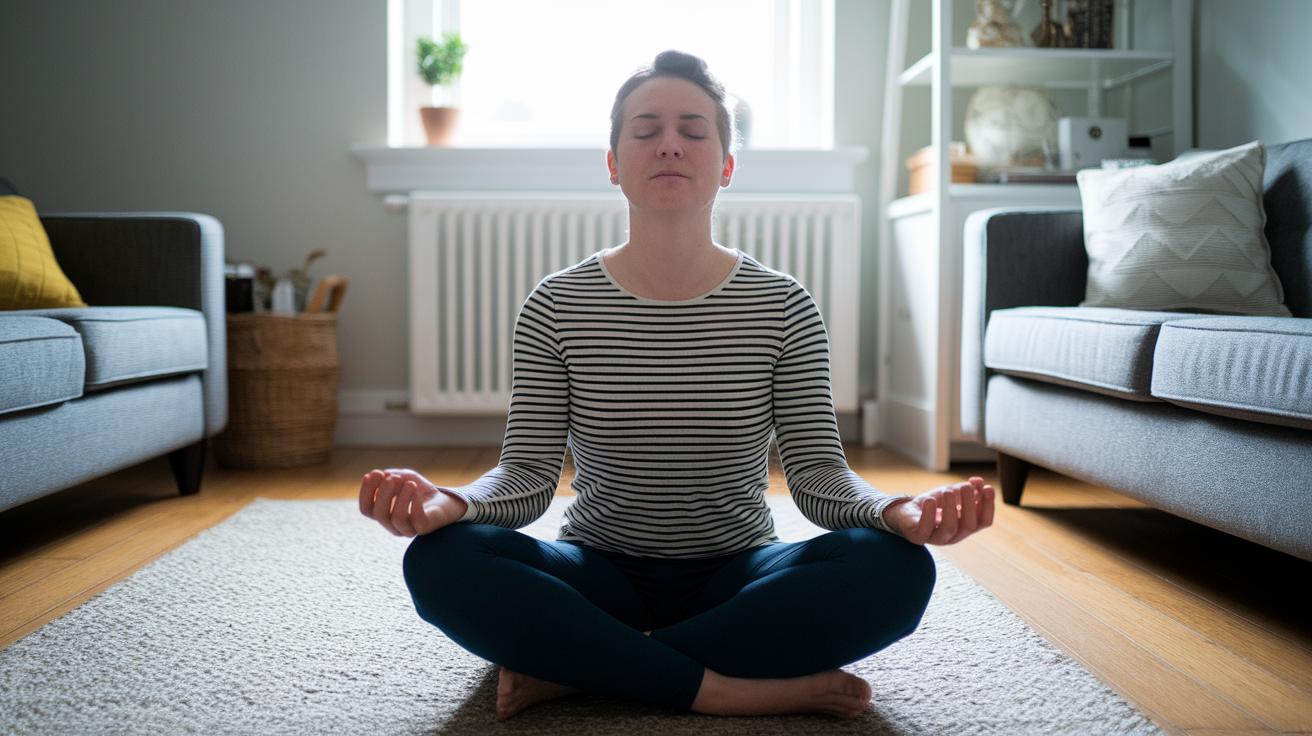
Have you ever felt overwhelmed during a busy meeting or while juggling home tasks? When things get hectic, take a moment to pause. For example, if you sense tension rising before a client call, try taking three deep, calming breaths. This little break can help clear your mind so you can dive into the conversation with more clarity.
At home, a pause works just as well. Imagine you’re in the middle of dinner prep and a small disagreement starts brewing. Instead of reacting right away, ask yourself, "What is really causing this frustration?" This brief moment can turn a potential conflict into a chance for understanding.
You might also set a mental reminder during everyday tasks. When you notice your thoughts racing through your to-do list, tune into your heartbeat and breathing for a few seconds. I’ve found that taking that short moment to center myself often eases stressful energy and helps me refocus.
A mindful pause doesn’t just ease stress, it clears your head and smooths out your interactions. Try it next time you feel the pressure building, and notice how that simple breath of reflection can transform a tense exchange into a cooperative, friendly conversation.
Developing Emotional Regulation Skills: Training and Resources
Evidence-based strategies can guide you in building stronger self-regulation skills. Many people find that using a DBT workbook or joining a coaching program offers a clear and gentle way to handle emotions. For example, imagine jotting down your feelings on a stressful day, this small practice can help you see things more clearly and build resilience.
There are lots of self-help workbooks and online toolkits that offer exercises backed by science. Some materials include printable worksheets, while others come as free digital resources that support regular practice. They break down each technique in everyday terms and include fun exercises to monitor your progress over the weeks.
Another great option is to join a support group or attend educational sessions. Think of it like gathering with friends who are learning how to balance their feelings, a friendly space where every shared story brings a bit of practical insight. Books on emotional intelligence, recovering from trauma, and building new skills also offer valuable tips, turning tough moments into steps toward personal growth.
- DBT skills for emotional regulation
- Emotion regulation interventions
- Self-regulation and emotional intelligence
Each resource is a helpful step in your journey to finding a sense of calm and confidence every day.
Final Words
In the action of exploring how emotional regulation skills can shape our daily lives, we broke down the basics, benefits, and science-backed techniques that empower us. We examined practical strategies, from mindfulness practices to self-compassion, and learned how these skills improve work relationships and reduce stress. This guide offers simple, research-driven tips for anyone wanting to build a calmer, more balanced life. Keep experimenting with these proven tips to nurture your emotional regulation skills and enjoy every small win along the way.
FAQ
What is an emotional regulation skill and why is it important?
The emotional regulation skill involves managing your feelings instead of suppressing them, which helps reduce stress, improve relationships, and boost overall well-being.
What are the 5 steps of emotional regulation?
The five steps include pausing before reacting, noticing physical sensations, naming your feelings, accepting emotions with self-kindness, and using mindfulness to stay centered.
What are the 4 R’s of emotional regulation?
The four R’s involve recognizing, reflecting, regulating, and responding to emotions, which guide you in handling feelings effectively and maintaining mental balance.
How do DBT techniques help with emotional regulation?
DBT techniques combine mindfulness and practical exercises that help you observe, understand, and manage emotions, making it easier to regain control during stressful moments.
Where can I find PDFs and worksheets for emotional regulation skills?
PDFs and worksheets offer step-by-step guides for both kids and adults, providing structured exercises that simplify practicing emotional regulation in daily life.
How can I learn to emotionally regulate as an adult?
Learning to regulate your emotions involves using structured training, self-help workbooks, and techniques like mindfulness and DBT to build long-lasting control and resilience.
What are some examples of emotional regulation skills?
Examples include pausing before reacting, tuning into body signals, naming emotions, practicing self-compassion, and employing mindfulness to stay present and balanced.
Are there emotional regulation skills designed for kids?
Emotional regulation skills for kids focus on simple strategies such as identifying feelings and using calming techniques, which build self-awareness and help them handle emotions effectively.