
Ever think your food might be the secret sauce to building muscle? A smart eating plan isn't just about eating more; it's about giving your body the right fuel. Picture lean proteins, whole grains, bright fruits, and healthy fats working together to repair and build muscle after a good workout. In this post, we'll chat about how a balanced diet can help you gain muscle and boost your energy. Ready to see how a few tweaks on your plate can make a big difference?
Designing a Balanced Muscle Gain Diet Plan
A smart muscle-building diet means making sure you get lean protein, whole grains, colorful fruits and veggies, and healthy fats. Your body needs these to repair and rebuild muscle after a hard workout. Imagine starting your day with scrambled eggs, whole-grain toast, and a side of fresh berries, a refreshing burst that fuels recovery and steady energy all day.
It’s crucial to eat a bit more than you burn because your workouts only cover about 7 to 9% of your daily energy. By adding roughly 250 to 500 extra calories each day, you give your body that extra push it needs to build muscle. This extra fuel, combined with balanced nutrients, helps strengthen your muscles without piling on unwanted fat.
Beyond just muscle building, a healthy diet supports your overall wellness. Building more muscle can improve your insulin sensitivity, lowering the risk of issues like type 2 diabetes. Plus, strong muscles help keep your bones robust, which is especially important as you age. In truth, every nutritious bite not only powers today’s workout, it also sets up a foundation for a healthier, more energetic life.
Setting Calorie Surplus and Macro Ratios for Muscle Gain
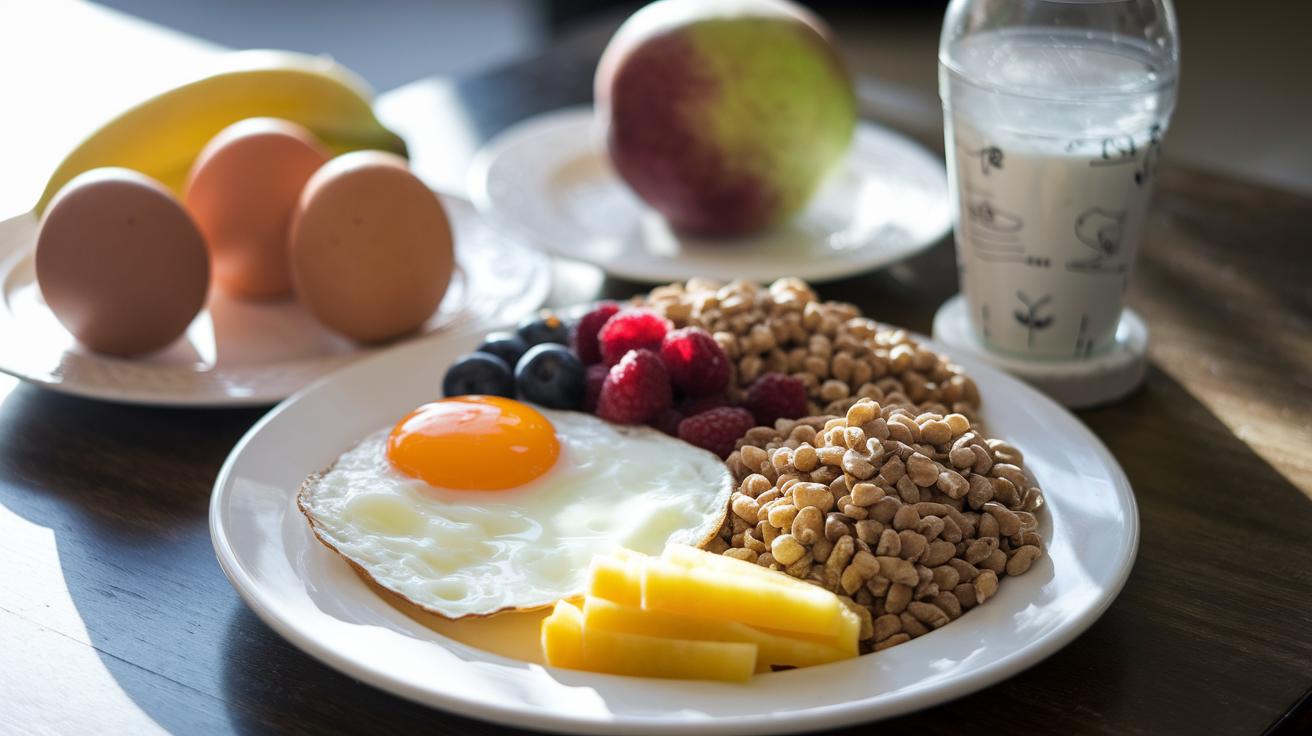
Growing your muscles means giving your body extra fuel. Since exercises burn only about 7–9% of your daily calories, try adding an extra 250–500 calories each day. So if you normally eat 2000 calories, shooting for 2250–2500 calories can help build muscle without too much extra fat.
It also matters how you split up your nutrients. Experts say about 30–40% of your calories should come from protein (the building blocks for your muscles), 30% from carbs (which give you energy), and 30% from fats (which keep your body running smoothly).
| Macronutrient | Percentage of Total Calories |
|---|---|
| Protein | 30–40% |
| Carbs | 30% |
| Fats | 30% |
On tougher workout days, you might need even more of these nutrients. Increasing your protein to about 1.2–1.5 grams per kilogram of your body weight can really help repair and grow your muscles. And if you’re having an especially hard session, adding a bit more carbs can help keep your energy steady. Just pay attention to how you feel during and after your workouts and adjust your food choices to get the most out of your training.
Protein-Rich Sources and Timing in a Balanced Diet for Muscle Gain
Protein does more than just fix your muscles, it actually kickstarts the muscle-building process by turning on muscle protein synthesis. One of its key players, leucine (an important amino acid that triggers muscle repair), tells your body it's time to build. When you enjoy a protein-packed meal, you're setting the stage for muscle growth. Imagine starting your day with eggs, Greek yogurt, or a tofu scramble mixed with whole grains and healthy fats. Not only does this combo refill your energy stores, but it also helps your body recover after a tough workout.
Timing your protein intake is just as important as choosing the right foods. A small snack with about 20–30 grams of protein, think cottage cheese with a bit of fruit, about an hour before you exercise can work wonders. This pre-workout treat gives your muscles a quick dose of repair fuel, making each workout more effective and boosting overall muscle growth.
Carbohydrate Management and Timing for Muscle Gain
Before a workout, try having a balanced snack about 2–3 hours beforehand that includes roughly 40–50 grams of carbohydrates and 20–30 grams of protein. This simple meal fuels your muscles with a ready source of energy so you can tackle your workout with vigor. For example, imagine enjoying whole-grain toast with a lean protein spread or a warm bowl of oatmeal topped with fresh fruit. This approach helps top off your energy stores, allowing you to focus on lifting heavier and pushing further.
During longer training sessions, keeping your carb intake steady is really important. Aim for 30–60 grams of carbohydrates per hour, and adjust based on how intense your workout is or how much you sweat. After you finish exercising, reaching for fast-acting carbohydrates, like a piece of fruit or a sports drink, can quickly refill your glycogen (stored energy) and support recovery. If you’re working on a balanced diet to gain weight, managing when and what you eat is a smart move for sustaining performance and boosting overall progress.
Incorporating Healthy Fats and Micronutrients in a Muscle Gain Diet
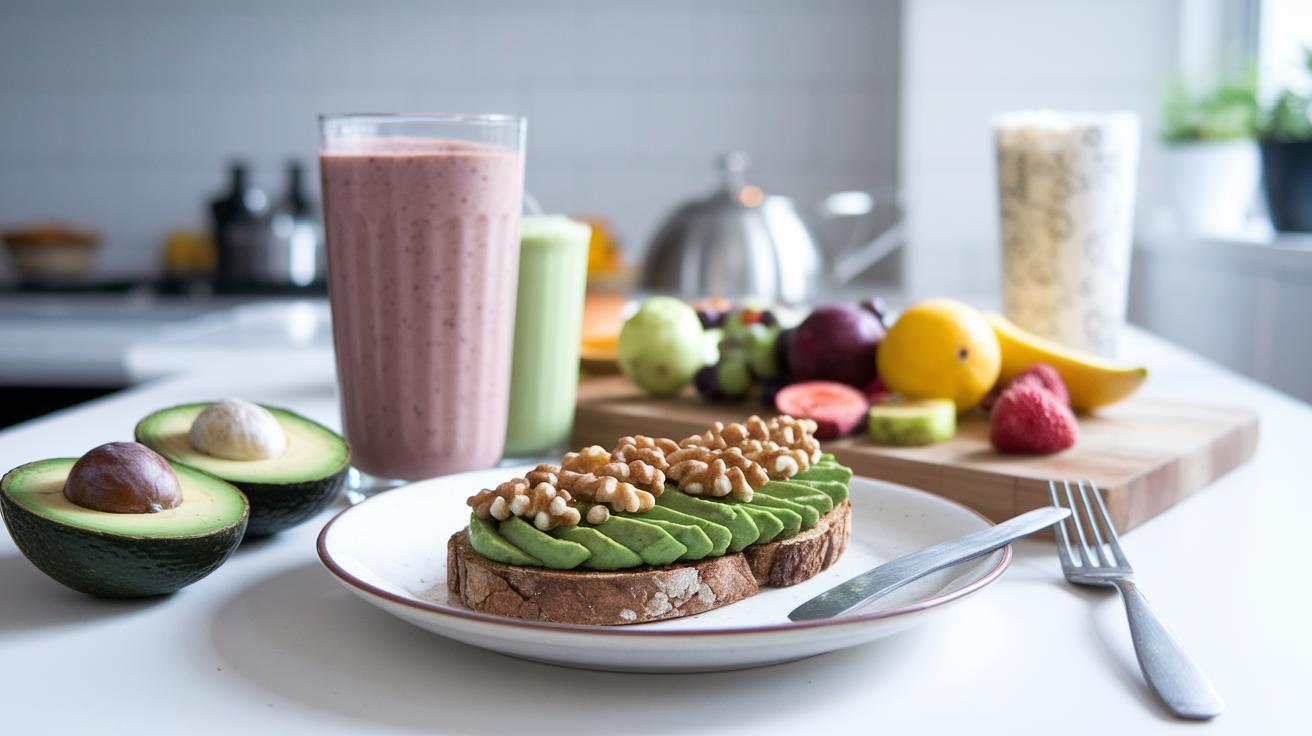
Healthy fats from foods like avocados, olive oil, nuts, and seeds give you energy and help your body produce key hormones like testosterone (a hormone that plays a big role in building muscles). Omega-3 fats (which help reduce swelling) along with monounsaturated fats not only keep you fueled during tough workouts but also help ease inflammation afterwards. Picture starting your morning with a slice of avocado toast that’s drizzled with olive oil and topped with a few walnuts, this simple meal gives you an energizing boost while keeping your hormones balanced. When you blend these foods into your strength routines, they really help your muscles work at their best.
Micronutrients such as vitamin D, calcium, magnesium, and zinc are just as important. They support muscle contraction, help build proteins, and keep your energy levels steady. Eating foods rich in these vitamins and minerals, like fortified dairy products, leafy greens, and whole grains, can speed up muscle recovery and build strength. And remember, staying well-hydrated is key too; even a little drop in your water intake can lower muscle performance. Imagine enjoying a post-workout smoothie made with spinach, a splash of milk, and a squeeze of lemon. It’s a tasty way to get essential vitamins and rehydrate at the same time. This balanced combo of good fats, vitamins, and proper hydration lays a solid foundation for strong muscles and overall well-being.
Meal Planning and a Sample 7-Day Balanced Diet for Muscle Gain

Planning your meals ahead of time can really boost your muscle gain journey. It helps you follow a clean eating plan with about 30–40% protein, 30% carbs, and 30% fats, and takes the guesswork out of hectic days. When you prep meals, you give your body a steady supply of energy and muscle-building nutrients. For more ideas on planning your week, have a look at our balanced diet meal plan.
| Day | Meal | Protein (g) | Carbs (g) | Fats (g) |
|---|---|---|---|---|
| Day 1 | Protein-packed Chicken Chili with Vegetables | 35 | 40 | 15 |
| Day 2 | Lean Beef Stir-Fry with Mixed Veggies | 40 | 35 | 20 |
| Day 3 | Tofu Lentil Soup with a Side Salad | 25 | 45 | 10 |
| Day 4 | Grilled Salmon Salad and Whole Grain Bread | 30 | 30 | 25 |
| Day 5 | Chicken and Quinoa Bowl with Steamed Broccoli | 37 | 42 | 18 |
| Day 6 | Vegan Mushroom & Spinach Pasta | 20 | 50 | 12 |
| Day 7 | Turkey Burger with Sweet Potato Fries | 38 | 40 | 19 |
Having a balanced meal plan makes it easier to work in nutritious recipes and snacks throughout your day. If full meals ever feel too heavy, you might try a shake or smoothie to hit your calorie goals. Imagine a smoothie made with fresh fruits, protein powder, and a bit of avocado, that quick, refreshing burst really hits the spot after a workout. Even simple snacks like muesli bars or apple slices with peanut butter offer a handy boost. For an even clearer view of your week, check out our balanced diet chart to help track your macronutrients.
Integrating Your Balanced Diet for Muscle Gain with Strength Training
Building muscle is a lot like preparing your favorite meal, each ingredient matters. When you mix a balanced diet with a smart training routine, your muscles get the perfect support to grow stronger. Think of challenging exercises like squats and bench presses as the spark that ignites muscle growth, much like turning up the heat under a simmering stew. Your balanced meals, rich in proteins, carbs, and healthy fats, serve as the essential building blocks for muscle repair and growth.
Rest is another powerful ingredient. A restful night or a day off is like giving your muscles time to marinate, preparing them for the next burst of action. Supplements, such as protein powders, creatine, or BCAAs (amino acids that help with muscle repair), can offer a helpful boost. But remember, they work best when you’re already enjoying a diet full of whole foods. These supplements are there to fill in the gaps, not replace the nourishment your meals provide.
Combining steady training, proper recovery, and a nutritious diet creates a winning formula for muscle gain. Have you ever noticed how a small shift in your routine can make a big difference? Try fine-tuning your workout and meal plan, you might just uncover a new level of strength and energy.
Final Words
In the action of building a strong body, we broke down how muscles rebuild with protein, carbs, and healthy fats. We talked about setting a calorie surplus, fine-tuning macros, and timing nutrients around workouts.
We also covered meal prep strategies and pairing training with nutrition so your body recovers and grows optimally. Keeping a balanced diet for muscle gain in mind makes everyday health improvements feel achievable. Stay positive and enjoy the small wins along the way.
FAQ
Q: What is a balanced diet for muscle gain and fat loss for beginners?
A: A balanced diet for muscle gain means including lean proteins, complex carbs, and healthy fats along with fruits and vegetables. This mix supports muscle repair and may help shed body fat, ideal for beginners.
Q: What does a 7-day muscle gain meal plan include?
A: A 7-day muscle gain meal plan offers daily structures with balanced macro ratios—roughly 30-40% protein, 30% carbohydrates, and 30% fats—often formatted in a PDF to simplify and guide your meal preparation.
Q: What are healthy meals for muscle gain?
A: Healthy meals for muscle gain consist of high-quality proteins such as chicken or tofu, whole-grain carbohydrates, fresh vegetables, and healthy fats, which work together to fuel muscle repair and energy.
Q: What is a balanced diet for a bodybuilder and the recommended food plate balance?
A: A balanced diet for bodybuilders features an even split of lean proteins, complex carbs, and healthy fats. This food plate balance ensures you have enough energy for workouts and the nutrients needed for muscle development.
Q: How can one eat 3000 calories a day to build muscle?
A: To eat 3000 calories a day for muscle building, plan multiple meals and snacks that include nutrient-dense proteins, complex carbs, and healthy fats. This steady intake spreads energy throughout the day to support muscle repair and growth.