
Have you ever wondered if your everyday routines might be keeping you from feeling your best? In our busy lives, being healthy goes beyond just exercise, it’s also about taking care of your mind and feelings. A holistic approach means caring for every part of who you are, from the lively energy in your body to the gentle calm in your mind.
Recent studies show that when one part of your well-being is off balance, it can affect your whole life. So, why not try mixing natural remedies with simple, everyday habits? It might be just the boost you need to feel balanced and truly well.
Foundations of Holistic Health
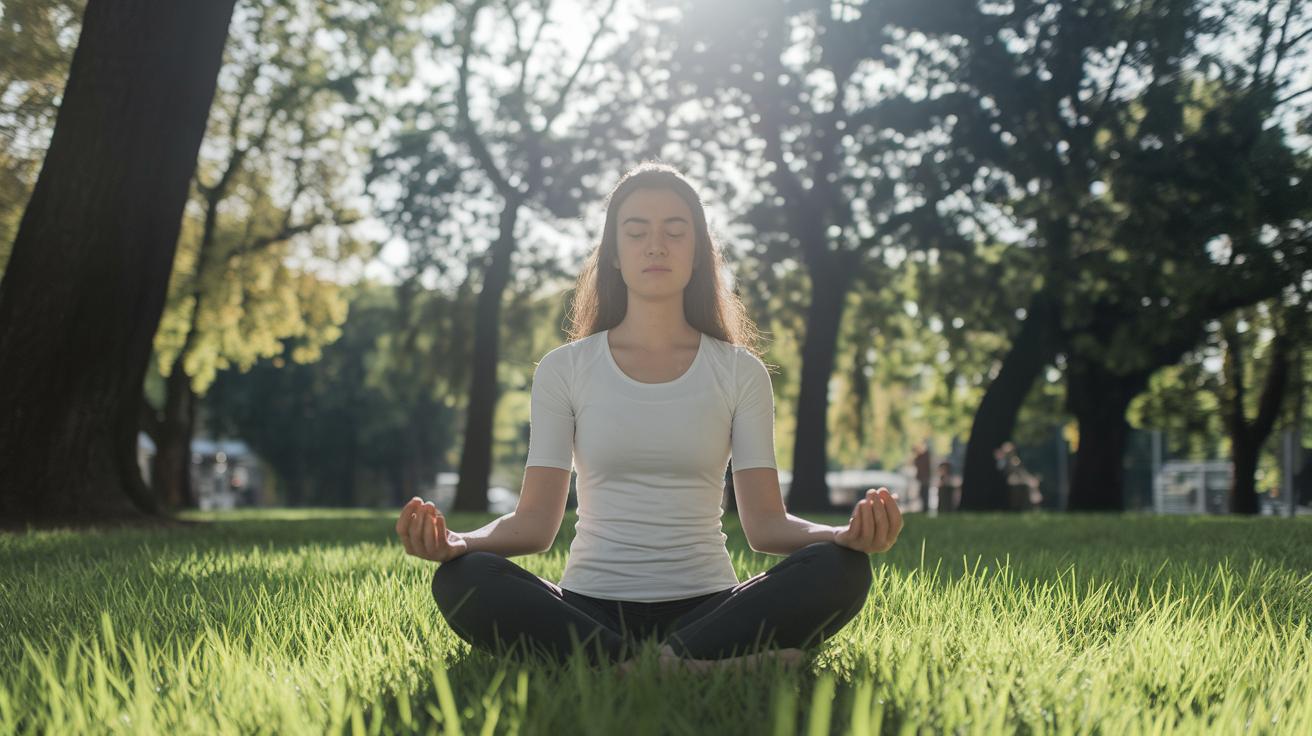
When we talk about holistic health, we mean taking care of every part of who you are. It’s about balancing your body, mind, feelings, social life, and spirit. This idea, explained further in "what is holistic medicine" (https://nobrainertrends.com?p=), reminds us that every element of our life matters. Recent research in psychoneuroimmunology (studies on how the brain and immune system work together) shows that an imbalance in one part can affect the whole body.
Integrative health care mixes modern medicine with natural remedies to help you feel balanced and energized. Even everyday habits like a quick walk, a few mindful minutes, or eating a healthy meal can boost your long-term well-being. Some research even points out that serious mental illnesses might cut life expectancy by 10 to 20 years. This really drives home the point that caring for both your mind and body is essential.
By focusing on integrative health care, you not only lower your risk of illness but also feel more resilient and full of life. Small steps like guided meditation, balanced meals, or regular check-ups all add up to better overall health. When you combine these actions with smart preventive care, you build a roadmap that leads to lasting well-being, nurturing every part of yourself along the way.
Integrative Therapies and Alternative Strategies for Holistic Health

Integrative medicine brings together modern treatments and natural remedies to help you feel balanced and well. Acupuncture, for example, is known to ease pain by releasing tension and improving blood flow (which means more oxygen and nutrients get to your muscles). Imagine the relief, a patient once mentioned how acupuncture made even everyday tasks feel enjoyable again.
Herbal medicine works hand in hand with this approach, using natural compounds to reduce discomfort and support your healing process. Think of it as nature’s own pharmacy, gently boosting your body's recovery without harsh side effects.
Energy healing is another friendly option that uses a light touch or focused intention to reset your body’s energy. These alternative methods aren’t meant to replace conventional treatments but to work alongside them. In fact, many people find that blending these therapies brings a more complete sense of well-being.
Naturopathic practices also play a key role. They promote organic methods that tap into your body’s natural ability to balance itself. With patient-focused care, like regular check-ups and personalized assessments, every part of your health plan is designed to support you fully. This holistic mix of therapies isn’t just about treating symptoms; it’s a total wellness boost that connects your body and mind in a supportive, healing framework.
Organic Nutrition Therapy and Digestive Health for Holistic Health

Organic nutrition therapy focuses on treating your digestive system with whole, unprocessed foods that nourish both your body and mind. When you fill your plate with organic ingredients, you're not just eating; you're setting the stage for a balanced life by enhancing your digestion and boosting your immune system. It’s all about choosing foods that work together to support healthy metabolic processes and calm chronic inflammation.
A big part of this method involves eating plenty of dietary fiber and fermented foods. Think yogurt, kimchi, or sauerkraut, they do more than just aid digestion. They help create a vibrant mix of good bacteria in your gut, which in turn supports your immune function and overall well-being. If you're curious, you can check out more on the benefits of fermented foods through trusted health sources.
Mindful eating also plays a key role in this approach. By slowing down and really savoring each bite, you give your body a chance to absorb nutrients better. And why not add some anti-inflammatory foods like berries, leafy greens, and nuts to your diet? These choices not only brighten your meals but also help manage inflammation and maintain steady energy levels throughout the day.
In short, by embracing these simple, balanced habits, you're building a nutrition plan that boosts overall wellness. It doesn't take long to feel the difference when you give your digestive system the TLC it deserves.
Stress Reduction Techniques and Mental Wellness for Holistic Health

Living with constant stress makes your body pump out hormones like cortisol and adrenaline, which can leave you feeling drained and overwhelmed. When stress lingers, it can throw your system off balance and even chip away at your natural defenses. Small, mindful changes can turn these heavy moments into chances to nurture your mental well-being.
Think of mindful meditation and yoga as gentle ways to unwind. When you focus on slow, deep breaths and careful movements, you give your mind a break. Picture yourself closing your eyes, taking a deep, calming breath, and softly saying, "I’m at peace right now." This simple ritual starts to clear away the tension.
Cognitive Behavioral Therapy, or CBT, helps by turning negative thoughts into more supportive, positive ideas. Imagine swapping a stormy thought for a bright, clear one, it's like watching clouds part to reveal a blue sky. Add in tools like journaling or rhythmic breathwork, like watching the gentle ripples on a calm lake, and notice how your stress begins to ease.
These techniques blend gentle mindfulness with real self-care, helping you manage stress naturally. With this balanced approach, you can clear the mental clutter and invite a sense of calm into your daily routine without overwhelming your day.
Exercise, Yoga, and Sleep for Holistic Health

Regular physical activity can spark a refreshing boost to your whole body. Experts say that about 150 minutes of moderate exercise each week is a great target. This might include a mix of structured workouts or even some fun aerobic moves like cardio sessions (you can check out these workouts: https://healthlystats.com?p=1057). Imagine the rush of energy after a brisk walk that clears your mind and gears you up for your day, it's the kind of feeling that really makes a difference.
Yoga brings a unique kind of movement that builds strength and flexibility while helping you stay calm and focused. Picture yourself holding a pose and feeling as rooted as a sturdy oak tree, with each breath helping to clear away mental clutter. This gentle practice not only improves your posture but also helps balance the stress of daily life.
Good sleep is the final key to your overall wellness. Aiming for 7 to 9 hours of restful sleep each night helps regulate hormones, repair your cells, and lower stress levels. Think about drifting off into a deep, soothing sleep that recharges you like a well-tended battery, ready to power through a busy day. Together, these simple steps form a complete approach to caring for your body and mind every day.
Personalized Preventive Care and Wellness Plans in Holistic Health

Tailored wellness plans are created just for you, taking into account your age, fitness level, and even your genetics. Imagine sitting down with a caring health expert who maps out a plan that fits your life perfectly, like a clear roadmap guiding you to healthy routines.
Starting a personalized plan can spark a chain reaction of positive changes. You might begin your day with a gentle exercise that matches your fitness, and then shift into mindful eating practices that truly fuel your body. Think of your wellness plan as the blueprint of your everyday vitality, where every step is aligned with your unique needs and future goals.
Your plan is supported by a network of dedicated health care providers who check in regularly. This caring team helps adjust your routine as your needs evolve, maybe swapping a long hour of sitting for a refreshing short walk. Even small changes like these can build up over time, greatly reducing the risk of chronic issues.
- Keep an eye on your health metrics
- Schedule regular check-ups with your healthcare team
- Update your routine to reflect changes in your lifestyle
These simple, proactive steps, woven into your daily life, not only lower the chance of disease but also nurture lasting wellness and balance.
Community and Environmental Factors in Holistic Health

Think about stepping outside on a cool, fresh morning where the air feels pure and every breath fills you with energy. Clean air and nearby parks, with their lush greenery, work together to ease stress and lift your mood in a very natural way.
Neighborhood projects like local clean-ups, group fitness activities, or even starting a community garden can make a big difference in your daily life. These events not only get you moving but also help you build genuine connections with your neighbors. Imagine turning an empty lot into a lively garden where people share fresh harvests and laugh together, it’s a little slice of community magic!
Simple eco-friendly habits, such as recycling, reducing waste, and picking products that are kind to our planet, also play a huge role. Each small action you take, like saving a bit of energy, adds up to a cleaner environment and a healthier you. It’s all about those mindful, everyday choices that lead to a more balanced life.
When community activities blend with eco-friendly practices, you create a setting where personal wellness and social progress support each other. Together, these efforts build a strong, caring community where everyone feels empowered to thrive.
Final Words
In the action, you saw how a holistic approach to health covers every aspect of our wellbeing, from natural nutrition and stress reduction to exercise and preventive care. Each section offered practical ideas to strengthen your physical, mental, and social health. We also looked at how community and eco-friendly practices support our overall vitality. This friendly guide empowers you to take small steps that add up to positive, life-enhancing change. Keep embracing healthy habits and enjoy the benefits of a balanced, integrative lifestyle!
FAQ
Q: What are some examples of a holistic health approach?
A: The holistic health approach examples include combining nutrition, exercise, sleep, stress management, and community connection. It integrates physical, mental, emotional, social, and spiritual care to support full well being.
Q: What are the components of holistic health, including the key pillars and steps?
A: The components of holistic health cover physical care, mental clarity, emotional balance, social ties, and spiritual well being. A common five-step process involves assessing needs, planning, taking action, evaluating progress, and adjusting care.
Q: What is the holistic approach in medicine and why is it considered better?
A: The holistic approach in medicine merges conventional treatments with complementary therapies such as acupuncture, herbal remedies, and mind-body practices. This model supports whole-person care and may lead to more balanced, long-term wellness.
Q: What is holistic care in nursing?
A: Holistic care in nursing means addressing a patient’s physical, emotional, and social needs. Nurses use integrative methods to offer compassionate support that promotes comprehensive recovery and overall health.
Q: What is the holistic one health approach?
A: The holistic one health approach recognizes that human, animal, and environmental health are interconnected. It encourages collaborative strategies to maintain balance and improve well being across all aspects of life.