
Have you ever wondered if your meals really give you the energy you need? A balanced diet chart acts like a friendly roadmap, mixing just the right amounts of carbs, proteins, and fats (nutrients that power your body) to keep you alert. It lays out easy steps and practical tips to help you build meals that offer steady fuel and boost your overall wellness. Maybe it's time to take a fresh look at your plate and enjoy a meal plan that truly supports your busy life.
Essential Components of a Balanced Diet Chart

A balanced diet chart is a simple guide that helps you mix the right kinds of nutrients to keep you feeling energized all day. Carbohydrates (your body’s fuel) should make up about 45–65% of your daily calories, proteins (which help repair muscles and boost immunity) should account for 10–35%, and fats (that support hormone production and help absorb vitamins) should provide about 20–35%. For more ideas on how to shape your meals, check out “What Does a Healthy Balanced Diet Look Like” (https://nobrainertrends.com?p=).
Micronutrients, like vitamins C, E, and the B family, along with minerals such as calcium and iron, play a key role in regulating your body’s processes. Plus, getting 25–30 grams of fiber each day aids digestion, and drinking at least eight glasses of water helps you stay hydrated and alert. When you blend these elements together, you end up with a meal plan that not only nourishes your body but also supports overall wellness.
Here are some tips to get you started:
- Try the plate method: divide your plate into sections for vegetables, proteins, and grains.
- Use measuring cups for accuracy.
- Let your hand be a handy guide for typical serving sizes.
- Spread your meals evenly through the day to keep hunger in check.
- Keep a food diary to track servings and calorie counts.
| Meal | Food Items | Portion Size | Calories | Macronutrient Breakdown |
|---|---|---|---|---|
| Breakfast | Oatmeal with fruit & nuts | 1 bowl | 350 | Carbs, Proteins, Fats |
| Mid-Morning Snack | Yogurt & berries | 1 cup | 150 | Carbs, Proteins |
| Lunch | Grilled chicken salad | 1 plate | 400 | Proteins, Carbs, Fats |
| Afternoon Snack | Apple & nut butter | 1 serving | 200 | Carbs, Fats |
| Dinner | Baked fish with quinoa and vegetables | 1 plate | 500 | Proteins, Carbs, Fats |
Drinking at least eight glasses of water a day and making sure you get enough fiber helps your digestion and keeps your energy steady. Following a food portion guide that emphasizes hydration and fiber can lift your mood and support long-term wellness.
Sample 7-Day Balanced Diet Chart for Full Day Meal Overview

This meal planner covers a whole week of balanced eating, offering a friendly glimpse into daily menus full of variety. Each day brings whole grains, lean proteins, fresh fruits, crisp vegetables, and dairy goodies to keep you fueled and satisfied. Curious for more balanced meal ideas? Have a look at Balanced Diet for Healthy Lifestyle.
| Day | Breakfast | Morning Snack | Lunch | Afternoon Snack | Dinner |
|---|---|---|---|---|---|
| Day 1 | Oats with nuts & banana | Greek yogurt with berries | Grilled chicken salad | Apple slices with almond butter | Baked salmon with quinoa & broccoli |
| Day 2 | Whole grain toast with avocado | Fresh orange | Turkey sandwich with lettuce | Carrot sticks | Stir-fried tofu with mixed vegetables & brown rice |
| Day 3 | Smoothie bowl with spinach & berries | Mixed nuts | Quinoa salad with black beans | Sliced pear | Grilled shrimp with whole wheat pasta |
| Day 4 | Milk with cornflakes & apple slices | Banana | Turkey wrap with lettuce | Carrot sticks | Veggie pasta with tomato sauce |
| Day 5 | Scrambled eggs with whole grain toast | Grapes | Chicken Caesar salad | Cucumber slices | Baked cod with sweet potato & green beans |
| Day 6 | Greek yogurt with granola | Blueberries | Lentil soup with a whole grain roll | Mandarin segments | Beef stir-fry with vegetables over rice |
| Day 7 | Fruit smoothie with oats | Cherry tomatoes | Spinach and feta salad | Mixed fruit cup | Roasted chicken with wild rice & steamed carrots |
Here are a few handy tips to make your week easier:
- Try cooking grains all at once at the start of the week for a quick fix.
- Pre-chop vegetables so you can whip up meals in a flash.
- Mix in seasonal produce to enjoy a burst of fresh flavors.
- Portion snacks into small servings for easy, on-the-go bites.
Integrating Food Plate Proportions and Food Group Ratios in Your Chart

Think of planning your meal like you’re creating a simple piece of art. MyPlate shows you an easy way to build your plate: fill half with fruits and veggies, one-quarter with lean protein, and one-quarter with whole grains, plus a little dairy on the side. This visual trick makes it simple to balance your food groups and get all the nutrients you need. Maybe start your day with a vibrant fruit bowl or a crisp salad to feel that refreshing burst of energy as you begin your morning.
Another helpful way to picture your nutrition is with a pyramid diagram. Picture the base made of hearty whole grains, then layers of fresh fruits, crisp vegetables, and proteins, all capped off with a touch of fats. This layout can guide you through all day, helping you see just how much of each food group you should enjoy.
Let’s break down a few steps to create your own visual plate guide:
- Gather everyday kitchen items like plates and measuring cups to represent each food group.
- Divide your plate using the MyPlate method: ½ for fruits and veggies, ¼ for protein, and ¼ for whole grains.
- Draw a simple sketch on paper to outline your nutrient pyramid, with grains forming the base and stacking up with produce, proteins, dairy, and fats.
| Food Group | Plate Portion | Example Foods |
|---|---|---|
| Fruits & Vegetables | 1/2 Plate | Apples, Broccoli |
| Proteins | 1/4 Plate | Chicken, Beans |
| Whole Grains | 1/4 Plate | Brown Rice, Quinoa |
| Dairy | Side | Milk, Yogurt |
| Fats | Top Layer of Pyramid | Nuts, Avocado |
Steps to Craft Your Personalized Balanced Diet Chart

Start by figuring out your daily calorie needs. Think of it like this: your body uses a certain number of calories even when you’re just relaxing (that’s your Basal Metabolic Rate, or BMR, which tells you how much energy you need just to function). Once you know this number, you can set up a meal plan that not only fills you up but keeps your energy levels steady throughout the day.
Calculating Calorie Requirements
Begin by looking at how many calories you burn each day. Your BMR gives you a solid baseline. Imagine if your body needs about 2,000 calories daily. That number becomes your guide to mixing in the right amounts of carbs, proteins, and fats to match your lifestyle and any physical activities you enjoy.
Allocating Macronutrients
- 50% of your calories from carbohydrates to keep your body and brain running smoothly.
- 25% from proteins to help repair muscles and support your immune system.
- 25% from fats to help with hormone balance and to absorb vitamins properly.
Selecting Foods Across Groups
When you choose your foods, go for variety. Fill your plate with whole grains, lean proteins, fresh fruits, vegetables, and dairy or alternatives that suit you. A well-planned diet isn’t just about counting calories, it’s about making sure you get a wide range of nutrients. Mixing different food groups ensures your body gets all the essential pieces for good health and steady energy.
Here are a few simple tips to keep things on track:
- Use measuring cups or even your hand as a guide for the right portions.
- Prepare large batches of grains ahead of time to save a few minutes during busy days.
- Pre-chop vegetables for quick, healthy meals.
- Have a look at meal prep ideas, like those in Tips for Balanced Diet (https://nobrainertrends.com?p=), to help fine-tune your portion sizes.
Alternative Foods and Substitutions in Your Balanced Diet Chart
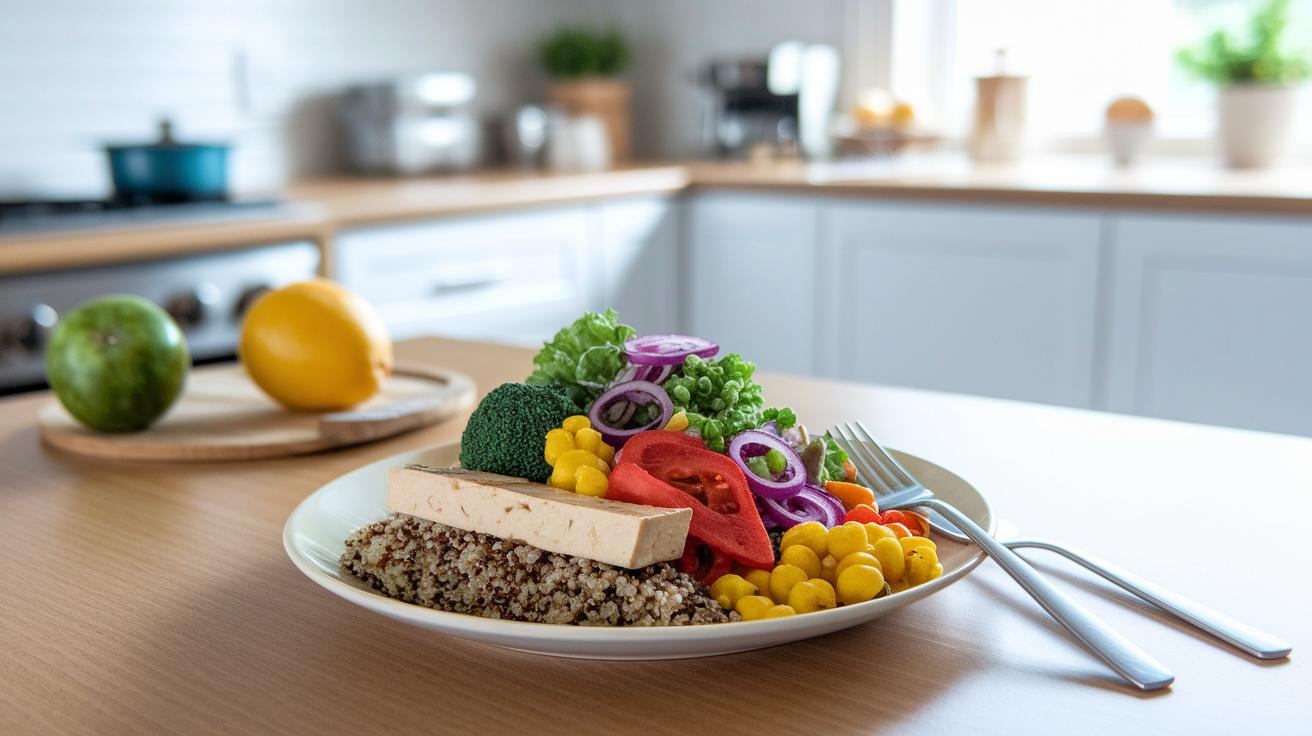
When planning your balanced diet, swapping certain foods can fit your unique tastes and any restrictions you might have. Whether you're steering clear of meat, gluten, or dairy, there are plenty of tasty alternatives that pack the right nutrients.
For example, you can swap meat for protein-rich tofu or legumes. If dairy isn't your thing, plant-based milks offer a smooth, creamy option. And if you need to dodge gluten, try using rice, quinoa, or buckwheat instead of wheat. Allergies to nuts? Consider seeds like sunflower or pumpkin for a similar crunch.
You might also choose lactose-free yogurt over regular dairy yogurt. Plus, vitamin C-packed fruits like oranges can boost your immune system (Balanced Diet for Immune System – https://healthlystats.com?p=1096).
Simple swaps like these not only meet your nutrition needs but also add exciting textures and flavors to every meal. Experimenting with these changes keeps your diet varied and enjoyable while helping you manage weight and create kid-friendly meals. Have you ever noticed how a small change can brighten your whole day?
Monitoring Progress and Fine-Tuning Your Balanced Diet Chart

Keeping an eye on your food intake can be both fun and insightful. Whether you jot things down in a food diary or use a simple nutrition app, you get a clear view of your meals and how well you’re meeting your nutrient goals. Have you noticed how tracking your energy, fullness, weight, and mood can reveal what’s really working for you? This easy habit helps you tune up your balanced diet chart as you go along.
A weekly check can really help lock down your daily routine and steer your next meal planning steps. Try this simple checklist each week:
- Notice your energy levels.
- Check how full you feel.
- Look at the variety in your meals.
- Pay attention to any changes in your weight.
- Keep an eye on your water intake.
If things seem off or you’re not feeling your best, it might be a good idea to chat with a registered dietitian. They can offer expert advice to switch up your daily eating plan and keep you on track.
Final Words
In the action of solidifying your nutritional plans, this article breaks down what goes into a balanced diet chart, from macronutrients and portion control rules to a sample weekly meal schedule and smart substitutions. The guide shows you how to measure your energy needs and build a food plate using simple tools and common ingredients. It wraps up with tips for tracking progress and tweaking your plan, making healthy eating both practical and achievable. Every step helps you feel energized and positive about nourishing your body every day.
FAQ
What is a daily balanced diet chart?
A daily balanced diet chart outlines meals like breakfast, lunch, dinner, and snacks with proper portion sizes. It helps you meet recommended nutrient ratios for energy, repair, and overall wellness.
What are the 7 things you need in a balanced diet?
The seven essentials include carbohydrates, proteins, fats, vitamins, minerals, water, and fiber. Each element plays a role in energy production, muscle repair, and digestive health.
What should I eat for a balanced diet daily?
A balanced daily menu features whole grains, lean proteins, healthy fats, fresh fruits and vegetables, along with dairy or alternatives and plenty of water to support overall wellbeing.
What are the 10 most healthy foods?
Ten healthy foods often include leafy greens, berries, nuts, whole grains, lean proteins, fish, legumes, citrus fruits, cruciferous vegetables, and sweet potatoes, all offering a range of essential nutrients.
How does a 7-day healthy eating plan work?
A 7-day healthy eating plan presents a structured week-long meal schedule. It ensures meal variety, balanced nutrient ratios, and simplifies planning to help maintain nutritious eating habits.
Where can I find a balanced diet chart PDF or drawing?
You can find balanced diet charts in PDF format or illustrated as drawings through educational resources and online guides, which visually break down food groups and portion sizes.
How can I create a daily routine balanced diet chart for breakfast, lunch, and dinner?
Creating a daily routine chart involves planning meals with appropriate portion sizes, selecting diverse foods from all groups, and organizing them by meal times to meet your nutritional needs.
What should be on a balanced diet food list for school projects or kids?
A balanced diet food list for school projects or kids includes whole grains, lean proteins, fruits, vegetables, and dairy alternatives, ensuring nutrient diversity for healthy growth and energy.