
Have you ever wondered if a few easy changes can improve your health? Preventive care means taking steps before problems start instead of just treating illness once it appears. It helps catch issues early and manage them with smart, thoughtful care.
Think of our plan as a simple three-step guide. We break health care into three levels, first, the basic checks you need right away; second, early screenings that catch small issues; and third, ongoing care to handle long-term conditions. This roadmap works in everyday life, from simple vaccine drives to tailored care tips you can use every day.
Stick with us and see how following these clear steps can set you on a path to a healthier future.
Grasping the Framework of the 3 Levels of Preventive Care
Preventive care uses a three-part model that helps us tackle health issues at different stages. It starts by stopping problems before they begin, then catching things early when they're easier to treat, and finally managing ongoing conditions with personalized care.
This clear setup lets healthcare providers create targeted solutions. For example, immunization campaigns in India have significantly reduced illnesses like polio and measles by stopping diseases before they take hold.
Early detection is another key part of the plan. Screenings and timely diagnostic tests help find diseases when they are most treatable, which is what we call secondary prevention. And when it comes to managing chronic conditions, tertiary prevention kicks in with tailored care plans that might include nutrition advice, exercise routines, and support for quitting smoking. Data analytics plays a helpful role in all these stages by predicting risks and fine-tuning interventions, creating a well-rounded approach to better health.
| Level | Focus | Example |
|---|---|---|
| Primary | Stop disease before it occurs | Immunization campaigns (e.g., polio, measles in India) |
| Secondary | Early detection and intervention | Screenings and diagnostic tests (e.g., breast cancer) |
| Tertiary | Manage existing conditions | Personalized care plans (nutrition, exercise, smoking cessation) |
Bringing these three levels together ensures lasting wellness by addressing health challenges from every angle. When we combine preventive measures, early disease detection, and effective management of chronic issues, we reduce complications and improve our quality of life. This balanced, data-informed strategy supports a healthier overall journey.
Primary Prevention Strategies in the 3 Levels of Preventive Care
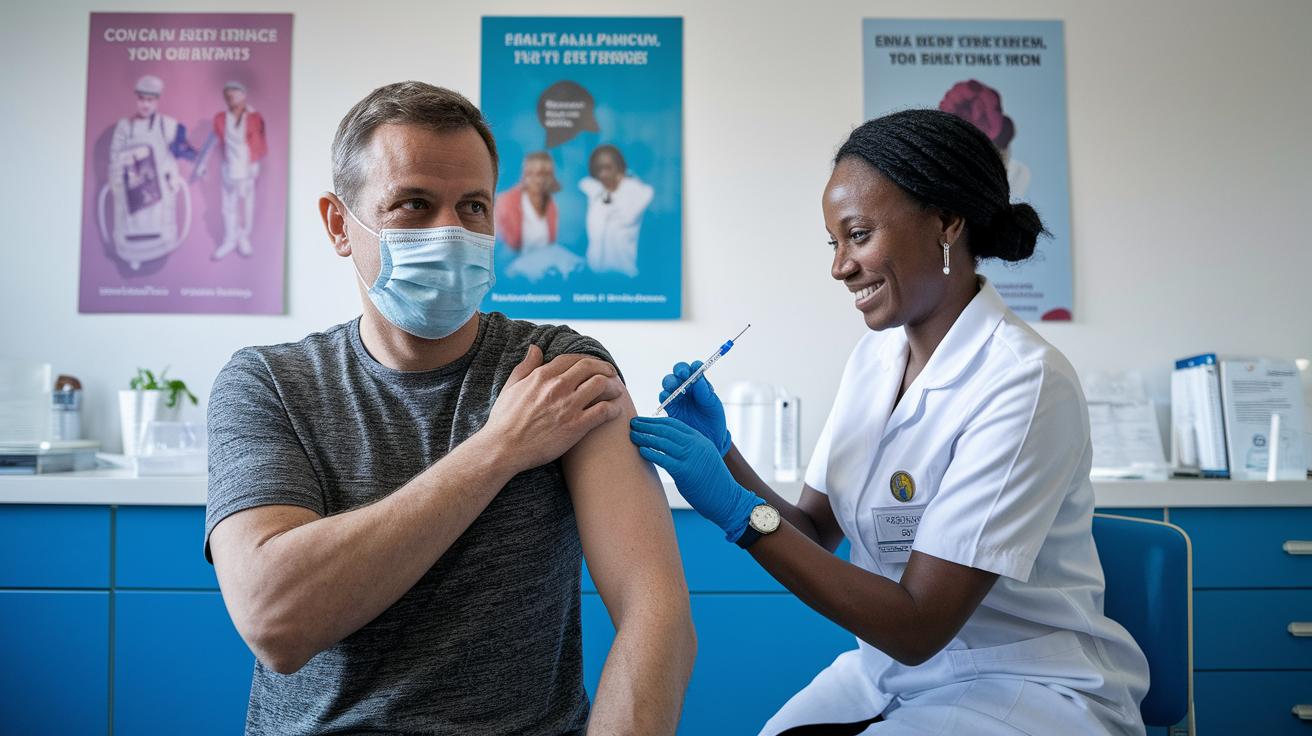
Primary prevention is all about stopping health issues before they even begin. It lowers risks and paves the way for healthier habits, turning everyday life into a supportive environment. For example, India's immunization drives for polio and measles cut disease rates by over 90%, a clear sign that early intervention really works.
The key components of primary prevention include:
- Getting vaccinations to keep infections from taking hold.
- Making lifestyle tweaks to boost overall fitness.
- Adjusting our surroundings so they feel safe and supportive.
- Creating policies that help build healthier communities.
- Offering education programs that give people the tools to care for themselves.
These methods are both practical and effective. By focusing on prevention, communities see fewer medical problems down the line, which means lower healthcare costs and a better quality of life. When people adopt simple, everyday healthy habits and live in environments that support wellness, many common health issues can be sidestepped. This proactive approach not only saves money but also makes healthier lives possible for everyone.
Secondary Prevention Methods in the Preventive Care Framework
Secondary prevention is all about catching health problems early, before they turn into big issues. It relies on simple tests and screenings that spot signs of trouble, like breast or colorectal cancer, when they're still treatable. This early catch helps care teams jump in fast and keep things from getting worse.
Routine tests like mammograms and colonoscopies play a big role here. These checkups look for small changes in your body that might need attention, making treatments work better when problems are found at their very start.
A typical plan starts with experts reviewing patient records to find any missed screenings. Then, outreach programs step in to explain why these tests matter and even help schedule them. With follow-up appointments and friendly reminders, healthcare providers boost early detection and help lower the risk of serious issues.
Tertiary Prevention Techniques Across the 3 Levels of Preventive Care

Tertiary prevention helps manage conditions you already have so that you can avoid complications and enjoy everyday life. It involves personalized plans like nutrition counseling, exercise routines, quitting smoking, and stress management. For example, someone with a heart condition might team up with a specialist to create a diet full of heart-healthy foods and an exercise plan that boosts recovery and keeps energy levels up.
Teamwork is really at the heart of this approach. Programs like APCM and CCM bring together physicians, dietitians, and mental health experts who collaborate to monitor and adjust treatment plans. This kind of joined-up care not only cuts down on hospital visits but also keeps patients motivated and on track, which can lower overall healthcare expenses.
Educating patients is another key part of tertiary prevention. Clear advice about how to take medications, make everyday lifestyle changes, and watch for symptoms gives people the confidence to manage their own health. With ongoing support and practical recovery tips, patients can handle their conditions better, avoid further health declines, and enjoy a higher quality of life.
Leveraging Healthcare Analytics in the 3 Levels of Preventive Care
Healthcare analytics is changing the game in preventing illness. These smart tools sift through patient data to spot risks before you even feel sick. Imagine a dashboard that scans your health records and alerts your provider when something might be off, that's how early intervention becomes a reality. It means doctors can schedule immunizations and screenings just in time, reducing the chance of serious health issues.
On top of that, using integrated program models makes monitoring even more powerful. Electronic health record reminders help ensure that, during a visit, nothing important like a screening or shot is missed. Continuous tracking through data dashboards lets teams see how well each step of the care process is working. This constant review allows them to make adjustments right away, making the whole care journey more efficient and tailored to individual needs. In short, combining smart technology with hands-on care not only keeps you healthier but also builds a system that feels personal and proactive.
Implementing the 3 Levels of Preventive Care in Clinical Practice

Today’s EHR workflows do more than just remind clinicians about routine tasks. They now let clinics tailor alerts using real-time patient details. For example, one city clinic fine-tuned its alerts based on patient profiles, which bumped up flu vaccination appointments by 25% in just a few months. Did you know? A community clinic cut missed shots by reprogramming its system to flag patients whose health markers were changing quickly, leading to better vaccine follow-through.
EHR Reminders and Early Care Interventions
Some clinics now add smart alert systems into their bustling work routines. For instance, a regional center integrated a special chart into its system to highlight key care signals, so teams can quickly spot patients in urgent need. This approach cuts down on alert overload and helps staff focus on the most critical preventive tasks.
- Clinics tweak alert settings using current patient data.
- Custom charts guide staff on what needs immediate attention.
Care Management Programs Beyond Office Visits
Remote care today blends telehealth sessions with digital scheduling tools. One rural clinic, for instance, added remote patient monitoring to its system. When a patient logs new symptoms on a connected device, the system immediately alerts a dedicated care team, setting up a rapid teleconsultation. This method not only eases staffing challenges but also keeps chronic care active between visits.
- Remote monitoring picks up early signs of symptom changes.
- Digital scheduling cuts down on office crowding and keeps care consistent.
Final Words
In the action described, the post explored the 3 levels of preventive care, primary, secondary, and tertiary, and how healthcare analytics and real-world EHR workflows support them. It outlined strategies like vaccinations, early screenings, and targeted treatments, making each level’s purpose clear and relatable. The insights shared highlight how a balanced approach can keep our well-being flourishing. Every small change matters when it comes to embracing better health practices. Stay inspired and keep making choices that boost your overall wellness!
FAQ
What are the three levels of preventive care?
The three levels of preventive care refer to primary prevention, which stops disease before it starts; secondary prevention, which catches issues early; and tertiary prevention, which manages established conditions to improve quality of life.
Can you provide examples of primary, secondary, and tertiary prevention?
Examples include primary prevention like vaccinations to stop disease onset, secondary prevention such as screenings to catch illness early, and tertiary prevention like nutrition counseling and exercise plans to manage chronic conditions.
What does primordial prevention mean in the context of preventive care?
Primordial prevention focuses on reducing risk factors in society by addressing environmental and social influences, lowering the chance of developing health problems even before traditional prevention methods are applied.
How do primary prevention examples like immunizations help in preventive care?
Primary prevention examples, such as immunization programs, work by protecting communities from disease before any symptoms appear, effectively reducing the spread of infections and the overall burden on healthcare.
What are the three main prevention methods in preventive medicine?
The three main prevention methods are primary prevention, which aims to prevent disease onset; secondary prevention, which focuses on early detection through screenings; and tertiary prevention, which helps manage and control chronic conditions.