
Ever wondered if your vegetarian meals are really giving you the energy boost you need? A mix of whole grains, beans, fruits, and veggies might deliver that refreshing lift your body craves. Think of each meal as putting together a colorful puzzle where every bite builds strength and balance. In this post, we lay out how a smart blend of plant-based foods can help lower heart risks while keeping your energy high from morning till night. Enjoy discovering just how easy and tasty healthy eating can be!
Core Principles of a Balanced Vegetarian Diet
A balanced vegetarian diet is all about enjoying whole foods like grains, pulses, nuts, seeds, vegetables, and fruits, while skipping meat, poultry, fish, shellfish, and things like gelatine. When you eat this way, you not only fill your belly but also boost your body with vital nutrients. For instance, a smart, well-planned vegetarian meal packs less saturated fat and more fiber, which can help lower the risk of heart disease. In other words, every bite is a step toward supporting your long-term health.
A good rule of thumb is to aim for at least five servings of fruits and vegetables every day, along with a mix of whole grains, beans, and pulses. It’s like creating a colorful, nutrient-rich puzzle where every piece works perfectly together. However, there are some nutrients to watch out for when you leave out animal products. You might need a little extra protein, iron, calcium, vitamin B12, omega-3 fatty acids (fats that help support your heart and brain), zinc, vitamin D, and iodine. For example, fortified plant milks or nutritional yeast can be great sources of vitamin B12, and a squeeze of lemon over lentils can boost iron absorption naturally.
When your meals are carefully planned, plant-based eating brings a vibrant burst of energy. It not only helps reduce obesity risks but can also help keep your blood sugar steady and your overall energy high. Just think of every meal as a chance to mix bright fruits and veggies with hearty whole grains and reliable protein sources. This guide offers a practical foundation for anyone ready to feel more energized and enjoy the flavors of a balanced vegetarian lifestyle.
Planning Your Weekly Vegetarian Meal Blueprint

Begin by planning your meals around the UK Eatwell Guide’s recommendations for fat, saturated fat, sugar, and salt. Fill each day with a colorful mix of fruits, vegetables, whole grains, beans, and pulses. Think of your week as a blueprint where every meal brings balance and steady energy.
Plan your meals and snacks in advance. Picture a Monday morning bowl of warm oatmeal loaded with fresh fruit, a little nut butter, a dash of flaxseed, and a splash of soy milk. It’s a delightful burst of flavors to kick-start your day. And how about a Saturday smoothie that mixes kale, berries, banana, nut butter, almond milk, and plant protein powder? Every sip is packed with energy and goodness.
Make sure you portion your meals wisely to keep your blood sugar stable and your tummy satisfied. Here are a few easy tips:
| Tip | What to Do |
|---|---|
| Meal Planning | Write down meals for each day and include a high-fiber whole grain to keep your energy up. |
| Fruits and Veggies | Have a serving of fruits or vegetables with every meal or snack to reach your daily five servings. |
| Protein Variety | Rotate protein sources like beans, eggs, or tofu to keep things interesting. |
Follow these simple steps to create a plant-based meal plan that’s as nutritious as it is delicious. Enjoy planning your week and the steady boost of energy that comes with every balanced bite!
Essential Plant-Based Protein Sources for Vegetarians
Have you ever wanted to power up your meals with food that perks up both your body and mind? Start your day right with an energizing breakfast. If you’re a lacto-ovo vegetarian, you might choose soft scrambled eggs or a savory tofu kedgeree (think spiced tofu that reminds you of a classic rice dish). Imagine the comforting mix of tender eggs and crisp greens, a truly tasty boost to kick-start your morning.
Legumes such as lentils, chickpeas, and black beans pack about 6 to 9 grams of protein in just a half cup when cooked. They’re fantastic in salads, robust stews, or wrapped up in a veggie tortilla. Have you ever tossed some chickpeas into a salad for that extra crunch and immediate protein punch?
Soy-based foods like tofu, tempeh, and edamame offer a hearty 8 to 15 grams of protein per serving. They’re a delight in stir-fries, curries, or even when grilled to perfection. Then there’s dairy or dairy-free yogurts, Greek or fortified plant versions, that bring another 10 to 12 grams per cup, adding a luxuriously creamy feel to your smoothies or parfaits.
And don’t forget the humble nuts and seeds! Almonds, chia, and pumpkin seeds don’t just deliver protein; they also provide healthy fats. Sprinkle them over your meals or mix them into a snack bowl for a balanced vegetarian plate bursting with flavor and nourishing goodness.
Key Micronutrient Strategies in a Vegetarian Balanced Diet

When it comes to a vegetarian meal that truly nourishes you, don’t forget about the essential micronutrients. Iron, calcium, and vitamin B12 each offer their own special boost to your overall wellness. For example, iron from lentils, spinach, and fortified cereals works even better when you add a source of vitamin C, think about that zingy splash of lemon juice over a fresh spinach salad.
Calcium is another champion mineral. It strengthens your bones and is found in foods like tofu (made with calcium sulfate), kale, broccoli, or even in fortified plant milks. On the other hand, vitamin B12 can be a bit hard to snag from veggies alone. That’s why adding fortified cereals or a sprinkle of nutritional yeast on your meals can help support your nerve function and energy.
Below is a handy table that outlines these key nutrients, their best plant sources, and some simple tips to boost absorption:
| Micronutrient | Best Plant Sources | How to Boost Absorption |
|---|---|---|
| Iron | Lentils, Spinach, Fortified Cereals | Pair with vitamin C foods like oranges or bell peppers |
| Calcium | Tofu (with calcium sulfate), Kale, Broccoli, Fortified Plant Milks | Include vitamin D to help your body absorb it |
| Vitamin B12 | Nutritional Yeast, Fortified Cereals | If needed, consider a supplement |
Portion Control & Macronutrient Balance for Vegetarian Meals
A smart vegetarian meal is all about balancing energy with the right mix of nutrients. Think of your plate as a simple guide: aim for about 45–65% carbohydrates (which give you quick energy), 20–35% fats (for lasting fuel), and 10–35% protein (to help your muscles recover and grow). Start by filling half your plate with fresh vegetables loaded with fiber, vitamins, and minerals. Then, dedicate a quarter of your plate to whole grains like brown rice or quinoa that steadily feed you energy. The last quarter? That’s perfect for protein sources such as legumes, tofu, or dairy alternatives to support your body’s repair and growth needs.
Imagine whipping up a warm bowl of veggie stir-fry. You add a generous serving of brown rice and top it off with grilled tofu, creating a meal that naturally helps keep your blood sugar steady while curbing hunger. A drizzle of olive oil or a small handful of walnuts can be gently mixed in to boost nutrient absorption without overdoing the calories. With this balanced setup, you not only savor a variety of flavors but also energize your day with a smooth, reliable flow of vitality.
Sample Balanced Vegetarian Recipes & Meal Inspirations

Begin your morning with a delightful burst of flavor by making spinach protein pancakes. Blend whole grain flour with a bright spinach puree and a scoop of plant protein powder. Imagine the soft pancakes drizzled with maple syrup, a warm, satisfying mix of savory and sweet that jumps starts your day.
For lunch, warm up with a bowl of red lentil, chickpea, and chili soup. Let red lentils and chickpeas simmer with spices like cumin and coriander until you have a hearty, spicy broth. This comforting bowl not only fills you up but also offers a rich source of plant protein and fiber, keeping you fueled until your next meal.
Come dinner, treat yourself to an Italian-style veggie cottage pie. Combine lentils with an array of colorful vegetables and cap it with a layer of smooth mashed potatoes. Each spoonful brings a delightful mix of textures and a full range of nutrients, a cozy way to end the day.
And if you're looking for a quick snack, why not try a refreshing fruit smoothie made with banana, berries, and a touch of nut butter? You can also enjoy a spiced seed mix for a bit of crunch or savory popcorn with low-fat cream cheese on whole grain crackers. For even more ideas on snacks that help keep your energy up, check out the Balanced Diet Food List.
Smart Shopping & Meal Prep for Balanced Vegetarian Eating
Plan your shopping trips to make preparing meals feel effortless. One handy idea is to cook a big batch of beans or lentils and freeze them in small containers. For instance, you might make a large pot of lentils on Sunday and then portion them out for quick additions to your salads or wraps during the week. This way, you can add a refreshing burst of protein to your meals without extra work later.
Another great tip is to chop a mix of your favorite vegetables ahead of time. By doing this and storing them in sealed containers, you can keep them fresh for up to five days. Imagine coming home after a busy day and having vibrant, crunchy veggies ready to toss into your dinner. It really helps make healthy eating less stressful and more fun.
When you’re at the store, try making a list based on different categories. This approach not only saves time but also ensures you have everything you need. Here’s a simple breakdown to consider:
| Category | Examples |
|---|---|
| Produce | Seasonal fruits and vegetables |
| Grains | Brown rice, quinoa |
| Legumes | Beans, lentils |
| Nuts and Seeds | Almonds, sunflower seeds |
| Dairy or Alternatives | Cheese or fortified non-dairy options |
This system not only helps you keep track of all your ingredients but also lets you focus on fresh, seasonal produce that can really brighten up your meals. Picture opening your fridge and seeing neatly arranged, ready-to-use ingredients that invite you to create a colorful, balanced dish.
Seasonal & Cultural Variations in Balanced Vegetarian Menus
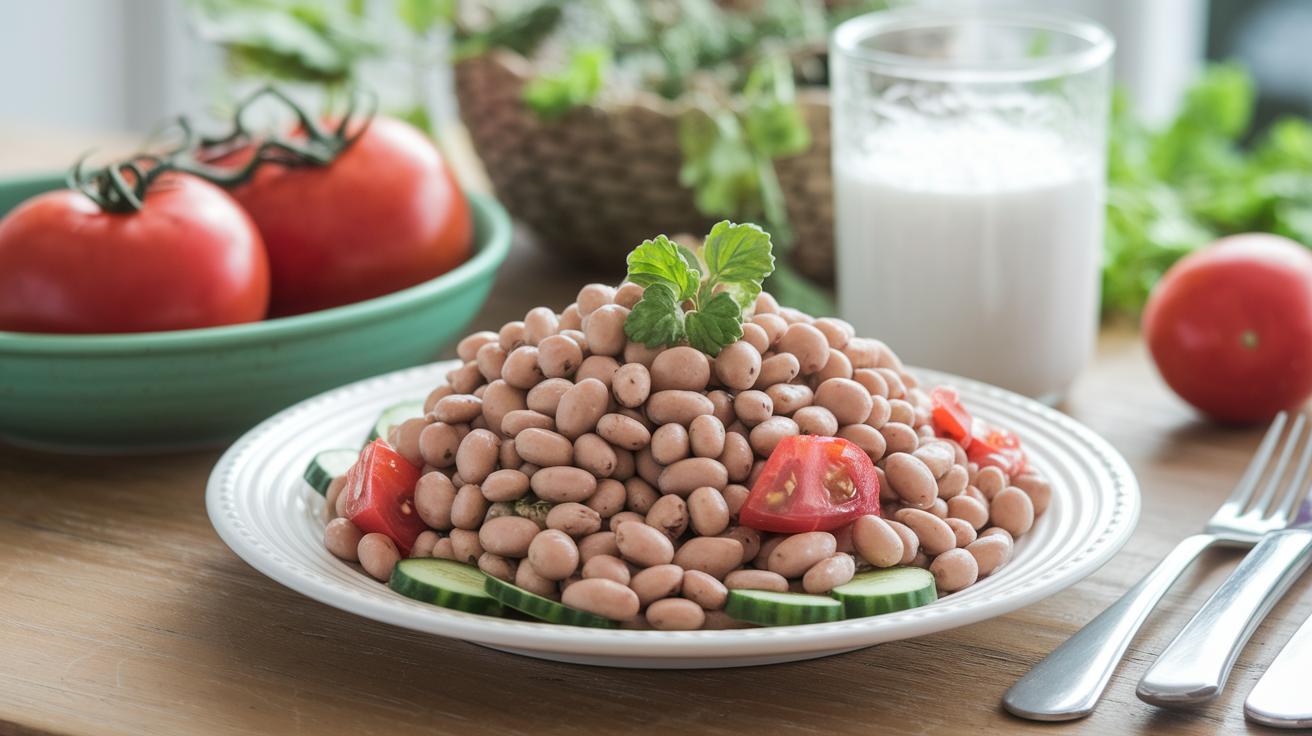
Eating a balanced vegetarian meal becomes a true delight when you mix in seasonal ingredients and explore recipes from around the world. Imagine a cool bean salad in the summer, tossed with ripe tomatoes, crisp cucumbers, and fresh herbs that give you a burst of cool flavors. When winter comes around, a hearty stew loaded with root vegetables and pulses (beans and lentils that help keep you full and satisfied) brings a warm, comforting feel to your day.
Different cultures bring their own tasty twist to the table. Picture a Mediterranean spread with creamy hummus, zesty tabbouleh, and grilled veggies that pack a flavor punch. Over in India, you'll find comforting dishes like dal tadka, colorful vegetable biryani, and a refreshing raita made with yogurt or its plant-based cousin. And in East Asia, a simple stir-fry with tofu, crunchy bok choy, and brown rice offers a mix of textures and nutrients that feel just right.
Switching up these dishes means you enjoy the best of every season while treating your body to a variety of nutrients and flavors. Each meal becomes a little adventure, letting you explore spices, textures, and the art of global cuisine.
In essence, trying out these diverse styles not only enlivens your palate but also supports your overall health all year long. Every bite turns into a nourishing celebration of both flavor and culture. For some extra inspiration on how to plate these seasonal dishes, take a look at "What Does a Healthy Balanced Diet Look Like".
Final Words
In the action of creating a well-rounded menu, you've seen how a mix of fresh fruits, veggies, grains, and plant proteins can form a balanced diet for vegetarians. This strategy offers both nourishment and flavor, ensuring every meal supports health and energy.
Planning weekly menus, managing portion sizes, and shopping smartly keeps your meals both exciting and nutritious. Enjoy the vibrant taste and benefits that come from simple, science-backed choices.
FAQ
What does a balanced diet for vegetarians PDF include?
The balanced diet for vegetarians PDF covers key nutrients, sample meal plans, and straightforward recipes that guide beginners in creating meals rich in protein, healthy fats, and essential vitamins.
What does a 7-day vegetarian meal plan include?
The 7-day vegetarian meal plan lays out daily menus that combine fruits, vegetables, whole grains, legumes, and healthy fats while providing clear examples for breakfast, lunch, dinner, and snacks.
How can a vegetarian have a balanced diet?
The balanced approach for a vegetarian combines grains, pulses, fruits, vegetables, and nuts while thoughtfully incorporating protein, iron, calcium, vitamin B12, and omega-3s to meet nutritional needs.
What is a balanced meal for a vegetarian?
The balanced vegetarian meal features a mix of vibrant vegetables, a portion of whole grains, plant-based protein, and a touch of healthy fat to maintain steady energy and fullness.
What is a healthy diet for vegetarians?
The healthy diet for vegetarians emphasizes plant-based foods like fruits, vegetables, legumes, and whole grains, along with mindful portioning, to help lower risks of obesity and chronic conditions.
What is the 80/20 rule diet for vegetarians?
The 80/20 rule diet for vegetarians means eating mostly nutrient-dense foods while leaving room for small treats, making healthy eating both balanced and enjoyable.