
Have you ever wondered if the food you eat can truly feed both your body and your mind? Old wisdom long ago called food medicine, and today, science agrees. A colorful plate filled with juicy fruits, crunchy veggies, lean proteins, and hearty whole grains can give you a burst of energy and a sense of balance. In this simple chat, we’ll explore how each bite can boost your physical strength and clear your thoughts, making every meal a little act of self-care. Are you ready to uncover the secrets to feeling your best?
Understanding a Holistic Diet: Integrating Nutrition with Total Well-Being
Holistic nutrition sees food as a form of medicine. Instead of strict, limiting diets, it champions whole, natural foods that support every part of you. Did you know that long ago, people believed food could heal both the body and the mind?
When you embrace balanced eating, every meal becomes a small act of caring for yourself. Imagine a plate filled with crisp fruits, vibrant vegetables, lean proteins, and wholesome grains, all working together to boost your energy, ease stress, and keep you feeling good. A colorful salad mixed with a handful of nuts or legumes can be both satisfying and uplifting.
The true beauty of this approach is its flexibility. It’s not about following rigid rules but understanding how nature’s bounty can support your body’s natural functions. Science shows that when nutrients join forces, they help fortify your defense system, improve digestion, and better your stress response. In other words, each meal you enjoy serves as a step toward a more balanced life.
Choosing a holistic diet means looking at every bite as part of a broader journey toward total well-being. Each ingredient is thoughtfully chosen to enhance your physical strength, balance your emotions, and clear your mind.
Holistic Diet Principles: Emphasizing Whole Foods and Fresh Produce

Choosing a holistic diet turns your kitchen into a place of natural goodness. It means stocking up on colorful fruits, crunchy vegetables, and whole grains instead of processed foods or white-flour items. Picture biting into a crisp pear that bursts with flavor, making your taste buds celebrate. Even simple swaps, like grabbing a handful of berries over a packaged snack, can give your wellbeing a real boost.
Beans and legumes are true heroes here. They pack plant protein, fiber (a natural helper for smooth digestion), and B vitamins that keep your energy up. Healthy fats from avocado, nuts, and extra-virgin olive oil add a creamy richness to meals that feels both satisfying and nourishing. Natural sweeteners, such as maple syrup and dates, help tame your sweet tooth without the harsh effects of refined sugars.
Using organic ingredients and simple cooking methods helps lock in all those natural benefits. This whole-food way of eating guides you to choose nutrient-rich foods that work in harmony to care for your body, mind, and even your mood. Every meal made the natural way is a step closer to a balanced, joyful health journey.
Holistic Diet Nutrient Essentials: Building Blocks for Optimal Health
We all know fiber, protein, and antioxidants are important, but don’t overlook those mighty micronutrients. Little nutrients like magnesium (a mineral that helps muscles relax and eases nerve signals) and zinc (which supports your immune system and helps repair cells) can really brighten your day. Ever consider that a handful of almonds might offer a gentle surge of magnesium?
| Micronutrient | Benefit | Example Food |
|---|---|---|
| Magnesium | Helps muscles relax and supports nerves | Nuts, seeds |
| Zinc | Boosts your immune system and aids cell repair | Legumes, whole grains |
| Vitamin D | Supports strong bones | Fish, fortified foods |
| Iron | Helps carry oxygen throughout your body | Beans, leafy greens |
Switching up your cooking can actually help you absorb more of these nutrients. For example, light steaming or sprouting beans makes vitamins and minerals easier for your body to use. Believe it or not, steaming broccoli might save up to 30% more vitamin C compared to boiling!
Beans and legumes are a solid foundation for meals. With a little trick like soaking them before cooking, you reduce compounds that block nutrient uptake. Picture a smooth, creamy bean dip made from soaked chickpeas, it’s not just tasty; it also ramps up your protein and micronutrient intake.
Clean protein sources such as lean meats, eggs, and nuts supply the essential amino acids your body needs. Cooking these foods slowly, like gently scrambling eggs, helps keep those precious vitamins intact.
And let’s not forget anti-inflammatory foods like bright vegetables and juicy berries. A quick tip: a light sauté with olive oil helps release extra fat-soluble vitamins from your veggies, adding an extra burst of nourishment to your meal.
Holistic Diet Planning: Lifestyle Habits and Meal Strategies

Start by weaving your eating habits into your everyday life rather than treating them like a random checklist. Try keeping a food journal for a week or two. It’s a simple way to note what you eat and how you feel afterward. You might discover that a fresh salad with mixed greens and fruits gives you a gentle lift, while a heavily processed snack might leave you feeling sluggish.
Working with a holistic nutrition expert can really change the game. They can help you craft a meal plan that fits both your lifestyle and your unique body needs. This kind of guidance makes the move to cleaner eating feel less overwhelming and even fun. It’s all about creating a plan that respects both your taste and your wellbeing.
Staying hydrated is another key part of the plan. Drinking 8 to 10 cups of water every day helps move nutrients and energy around your body so you feel alert and balanced. Even that morning cup of coffee plays a role, as long as you keep it moderate, it can spark mental clarity without the later crash.
Focusing on fresh, minimally processed foods instead of pre-packaged options means each meal can be both tasty and nourishing. Eating seasonally not only connects you to nature’s flow but also often brings more vitamins and minerals onto your plate.
Paying attention to portion sizes and eating mindfully turns every meal into a moment of self-care. Savoring each bite helps you tune into your body’s signals, so you know when you’re truly full and can enjoy your food even more deeply.
- Keep a food and feelings journal for two weeks
- Work with a holistic nutrition expert
- Aim for 8-10 cups of water daily
- Swap processed snacks for fresh or lightly processed foods
- Choose seasonal produce for top nutrition
- Practice mindful eating and proper portions
Holistic Diet: Inflammation Control & Gentle Detox
If you're on the lookout for simple ways to soothe inflammation and gently detox your system, try adding a touch of natural sweetness to your meals. Mix a spoonful of maple syrup into your overnight oats with chopped dates. Maple syrup helps keep your blood sugar steady, while dates add a natural boost of fiber and flavor. Fun fact: Some athletes even mix a bit of maple syrup into their morning oats to support muscle recovery after tough workouts!
Beans and legumes are a fantastic way to nurture the friendly bacteria in your gut. These bacteria create short chain fatty acids (simple compounds that help calm inflammation). Imagine whipping up a savory dip by blending beans with a splash of lemon juice and a hint of garlic, you get a fresh, gut-friendly treat that tastes as good as it feels.
For a refreshing start to your day, try a simple detox drink. Add a splash of natural sweetener to cool water along with a squeeze of lemon. This little mix supports cell metabolism and adds a bright note to your morning routine. Picture a cool, energizing sip that kickstarts your day with a burst of citrus and a gentle sweetness.
| Ingredient | Benefit | Suggested Use |
|---|---|---|
| Maple Syrup | Keeps blood sugar steady | Drizzle over overnight oats or vegan pancakes |
| Dates | Provides fiber and natural sweetness | Add to smoothies or mix into fresh fruit salads |
| Beans & Legumes | Promotes a healthy gut | Blend into soups, bowls, or savory dips |
Holistic Diet Benefits: Enhancing Physical, Mental, and Emotional Health
Recent research shows that a holistic diet can really make a difference in your body. A study in the American Journal of Clinical Nutrition found that antioxidants (nutrients that help protect your cells) work wonders for your skin and hair. One person even noticed clearer skin and shinier hair after just eight weeks of adding blueberries, leafy greens, and salmon to their meals. It’s like getting a natural boost of glow with every bite.
When it comes to your mind, a whole foods diet can help settle your thoughts and ease anxiety. Dr. Harper, a nutrition expert with 20 years of experience, shared that patients switching to nutrient-rich foods felt calmer and steadier. In one case, simply replacing processed snacks with wholesome alternatives lowered stress in just a month. Imagine enjoying a colorful, hearty bowl of stew where each spoonful helps smooth out your jitters.
Emotional well-being also reaps rewards from a holistic eating plan. A recent survey at a wellness clinic found that those who regularly enjoyed vitamin-packed meals felt more focused and at ease. One person described it as a little daily moment of self-care, sipping on a fresh, nutrient-rich smoothie that offered a comforting pause amid a busy day. This simple change can provide a steady source of calm and balance every day.
Holistic Diet Adoption: Practical Tips for Getting Started
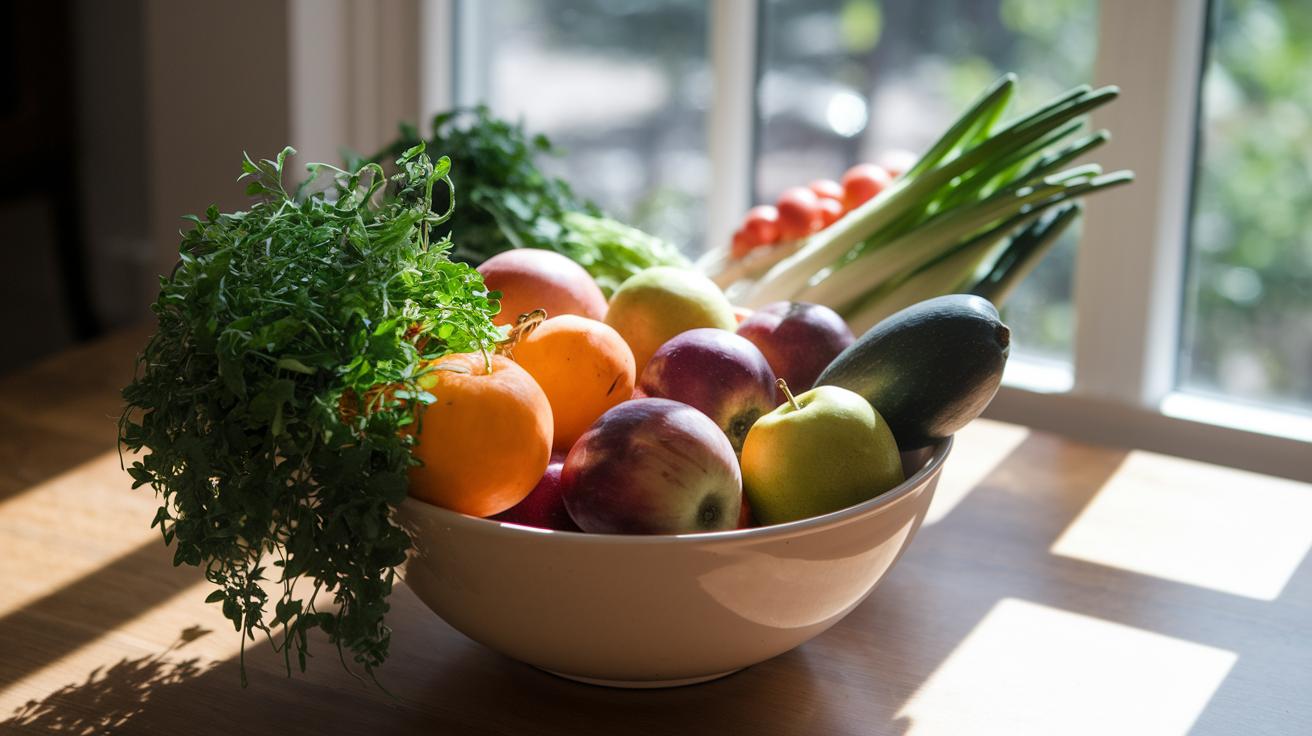
Think of your kitchen as the first step on your wellness journey. Make space for fresh, whole foods by clearing out the heavily processed items. For example, put a bowl of crisp, juicy apples right on your countertop, so every glance reminds you of the natural goodness waiting to be enjoyed.
Next, sketch out a simple meal plan featuring a mix of vibrant fruits, vegetables, whole grains, and legumes. Try preparing small portions ahead of time, you know those hectic days when every minute counts! Maybe start with a go-to idea like mixing pre-cooked quinoa, steamed broccoli, and diced tomatoes into a brisk, nourishing lunch.
It’s also okay to face a few bumps along the way. When frustration creeps in, jot down what happened and think about a small tweak that might help next time. For instance, after a long, tiring day, if cooking feels like too much work, grab a ready-made healthy snack like a spinach wrap to keep you on track.
Checklist for Beginners:
- Clear out processed items and display healthy foods where you can easily see them.
- Craft a basic meal plan using whole, natural ingredients.
- Prepare ingredients in advance to simplify meal preparation during busy days.
- Keep a brief log of your food choices and how you’re feeling.
- Note any challenges and list one straightforward solution for each.
- Review your checklist each week to fine-tune your new routine.
Final Words
In the action, we explored how treating food as medicine can shape your overall wellness. The post broke down the essentials of a holistic diet, from stocking your kitchen with fresh produce to tracking meals and feelings for better insights into your habits. It showed how nutrient-rich choices support both body and mind while guiding you to make simple, positive changes. Embrace the practical science-backed tips and let the power of a holistic diet inspire you to live a more balanced, healthier life.
FAQ
What foods are part of a holistic diet?
A holistic diet includes whole, unprocessed foods like fresh fruits, vegetables, whole grains, beans, legumes, lean proteins, nuts, and healthy fats. This approach treats food as natural fuel for overall well-being.
How can I start a holistic eating plan?
Starting a holistic eating plan means clearing out processed foods, keeping a food journal, and choosing fresh, nutrient-rich recipes that align with your wellness goals. It’s a practical, step-by-step way to improve health.
Are there holistic diet books available for further guidance?
Many holistic diet books offer guidance on whole-food recipes, balanced nutrition, and lifestyle strategies that support total health. These resources provide trusted insights into adopting a natural eating approach.
How does a holistic diet work for dogs?
A holistic diet for dogs emphasizes natural, whole ingredients like lean meats, vegetables, and fruits, supporting overall pet health while avoiding chemicals and additives that can compromise vitality.
What does a holistic nutritionist do and how can they help?
A holistic nutritionist offers personalized advice to match whole-food choices with your daily routine, balancing physical, mental, and emotional health. Their expert guidance ensures your diet supports overall well-being.
What are the five steps of a holistic approach?
A holistic approach involves choosing whole foods, recording meals to spot trends, practicing mindful eating, reducing processed ingredients, and matching your dietary choices with your body’s needs for balanced nourishment.