
Ever thought a good meal could give your teen years an extra boost? A well-planned plate full of colorful fruits, crisp veggies, whole grains, lean meats, and dairy gives your growing body the energy and focus it needs. Think of it like filling up a sports car with top-notch fuel, every bite helps you tackle school, sports, and everything in between.
In this post, we'll chat about how smart food choices can brighten your health and keep both your body and mind running smoothly. Have you ever noticed how a little change in your diet can make your day feel a whole lot better?
Key Principles of a Balanced Diet for Teenagers
According to USDA's MyPlate, a balanced diet for teens means filling half your plate with fruits and vegetables, one-quarter with whole grains, and the remaining quarter with lean proteins. They also suggest having three cups of dairy each day. This simple method helps ensure you're getting a mix of nutrient-rich foods to support growth and keep your energy up. Picture a meal where bright fruits and crisp veggies form a lively, colorful base, just like an artist choosing eye-catching colors for a beautiful painting.
Calorie needs can vary a lot during the teenage years. For example, girls typically need around 1,800 to 2,400 calories per day, while boys might require between 2,200 and 3,200 calories to fuel their active lifestyles and growth. When it comes to macronutrients, experts recommend getting about 45–65% of your calories from carbohydrates (the energy boosters), 25–35% from fats (which provide lasting energy), and 10–30% from proteins (the building blocks for muscles and tissue repair). Think of it as mixing the perfect fuel for a high-performance car, each part plays a key role in keeping your body running smoothly. This well-rounded approach not only supports physical growth but also helps maintain concentration and overall well-being as you go through your busy day.
Understanding Teenage Nutrient Needs
Essential Macronutrients
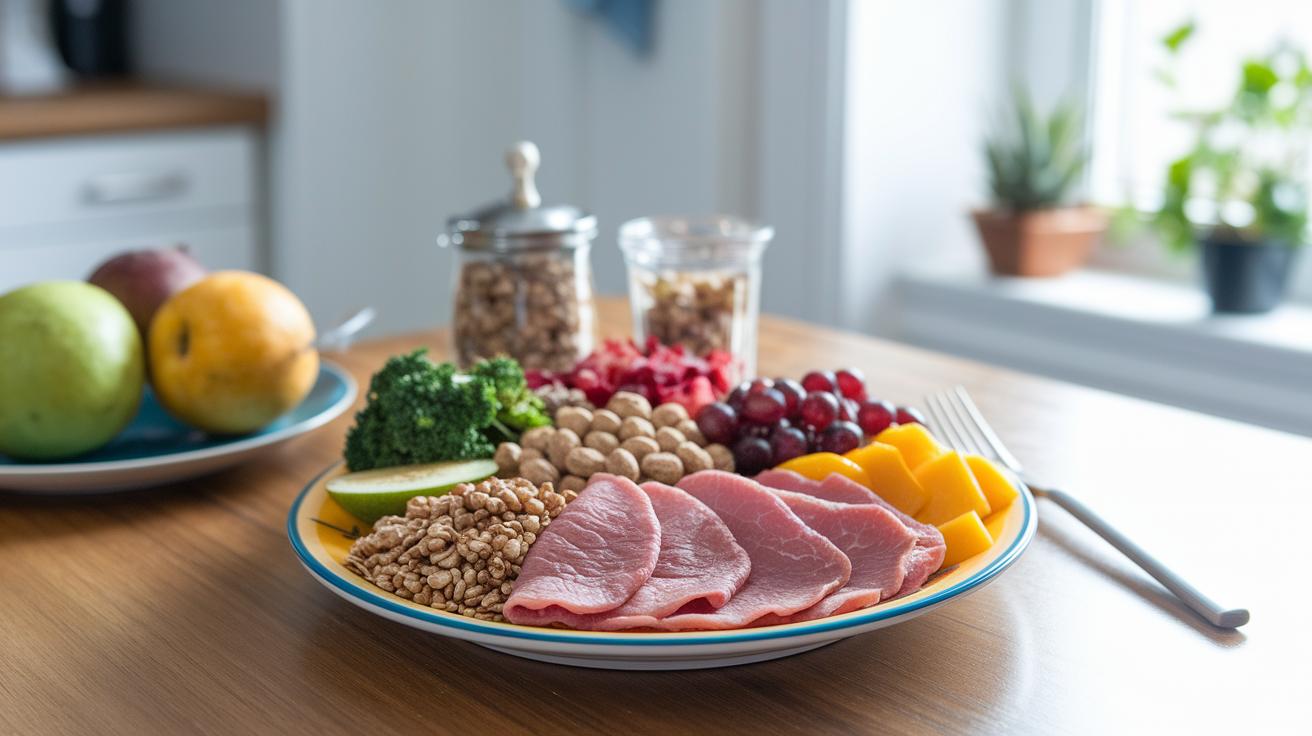
Growing up means your body is changing fast, and those growth spurts need extra fuel. Teens need more protein, about 46 grams a day for girls and 52 grams for boys, to help build and repair muscles, which is key for busy school days and sports. Lean meats, beans, and whole grains are great choices. Carbs from whole grains and fruits give you that quick, energizing lift for both body and brain. And healthy fats should make up around 25-35% of your daily calories to support hormone production and overall energy. A small snack like a handful of nuts paired with fruit can be a tasty way to keep that energy steady between meals.
Key Vitamins and Minerals
Beyond macronutrients, important vitamins and minerals work behind the scenes to support growth. Calcium is crucial for building strong bones, with a recommended 1,300 mg a day, think dairy products like milk or yogurt. Iron also plays a big role by helping form healthy blood cells; girls need about 15 mg daily and boys around 11 mg. Vitamin D, which helps your body absorb calcium, is advised at 600 IU each day. Additionally, fiber helps keep digestion smooth, with goals of 26 grams for girls and 31 grams for boys. Other nutrients like B vitamins and zinc boost energy production and support immune health. Mixing in leafy greens, lean red meat, and fortified snacks can help meet these nutrient targets and keep you energized both physically and mentally.
balanced diet for teenagers: Radiant Health Boost
For most teens, enjoying a mix of carbs, proteins, and fats is the secret to keeping energy levels up and the brain sharp. Carbs give you quick fuel; proteins help your muscles fix and build; and fats provide long-lasting energy. In everyday life, teens usually aim to get about 45–65% of their calories from carbs, 10–30% from proteins, and 25–35% from fats. Think of it like crafting your favorite meal, the perfect blend keeps you focused in class and energized for after-school fun.
For those who stay moderately active, it might help to adjust these numbers a bit. You may want to bump carbs up to 55–65% to refill those energy stores throughout your busy day. A small boost in protein, around 1.2 grams per kilogram of your body weight, can be just right to repair muscles after a workout or a game. Meanwhile, sticking with healthy fats at 25–35% gives you the steady energy needed to power through homework and active afternoons.
If you’re highly active or into sports, your body’s needs get even more specific. Enjoy a carb-rich snack before and after intense training to speed up recovery and keep your energy high. And don’t forget about hydration! Aim for 8–10 cups of water each day, and drink a bit more when you’re working hard or on hot days.
Sample Balanced Diet Meal Plan for Teenagers
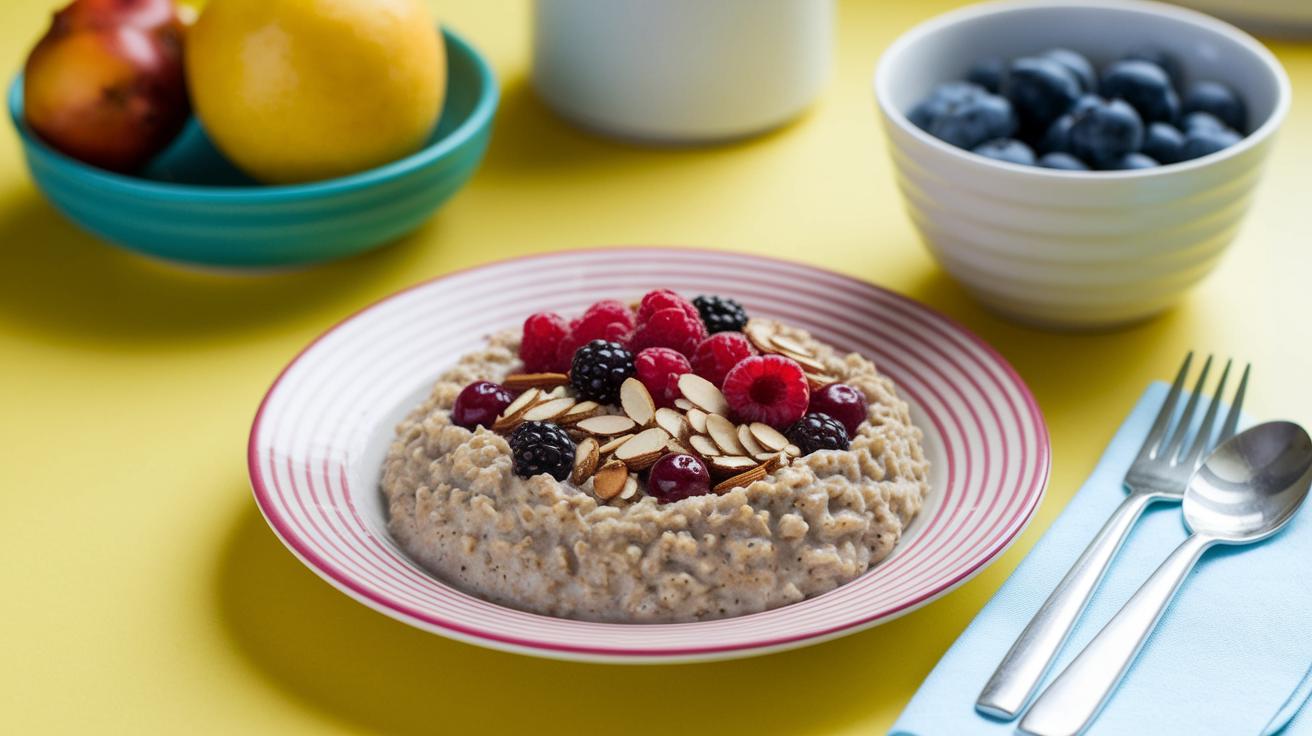
When you’re a teen juggling classes, sports, and friends, a balanced meal plan can really make a difference. This 7-day plan is all about mixing whole grains, lean proteins, fresh fruits, and crunchy vegetables to keep your energy high and your body growing strong. Every day starts with a breakfast to wake you up, carries you through a nutritious lunch at school, and ends with a satisfying dinner after all your activities. Plus, there are two snack ideas to keep those hunger pangs away, maybe a quick cup of Greek yogurt with almonds or crisp apple slices paired with walnuts. Think of your meals like a playbook: each one plays its part to help you stay active, focused, and ready for whatever comes next.
| Day | Breakfast | Lunch | Dinner | Snacks |
|---|---|---|---|---|
| Day 1 | Oatmeal with berries & low-fat milk | Turkey wrap & carrot sticks | Grilled salmon, brown rice, steamed broccoli | Greek yogurt, almonds |
| Day 2 | Whole-grain cereal with sliced banana | Chicken salad with whole-wheat pita | Lean beef stir-fry with quinoa & spinach | Apple slices, walnuts |
| Day 3 | Scrambled eggs with whole-wheat toast & orange slices | Tuna sandwich on whole-grain bread | Grilled chicken, sweet potato, green beans | Cheese stick, grapes |
| Day 4 | Greek yogurt with granola & mixed berries | Hummus wrap with spinach and bell peppers | Baked cod, wild rice, steamed broccoli | Carrot sticks, almonds |
| Day 5 | Smoothie with banana, spinach & low-fat milk | Turkey & avocado whole-grain wrap | Pasta with lean ground turkey, tomato sauce & green peas | Apple slices with peanut butter |
| Day 6 | Whole-wheat pancakes topped with strawberries | Vegetable soup with whole-grain roll | Grilled shrimp, brown rice, steamed asparagus | Mixed nuts, fruit cup |
| Day 7 | Egg white omelet with spinach & whole-grain toast | Bean and avocado salad with quinoa | Roasted chicken, sweet potato mash, steamed carrots | Low-fat yogurt with berries |
Essential Food List for a Balanced Teen Diet
If you're a teen looking to stay energized and healthy, a balanced diet is your secret weapon. Start the day with a burst of color by including fruits, veggies, whole grains, and lean proteins. Think crisp apples, juicy berries, and fresh spinach, they brighten up your plate and load you up with vitamins A and C plus fiber to keep your digestion happy. Sweet potatoes and brown rice bring in the wholesome carbohydrates, while beans, chicken breast, and eggs offer the lean protein essential for building strong muscles. For a few extra ideas, check out this balanced diet food list (https://nobrainertrends.com?p=389) that makes mealtime both fun and nutritious.
Don’t forget to add dairy and healthy fats into the mix. A serving of yogurt provides calcium and vitamin D to help build strong bones, and a handful of mixed nuts adds healthy fats along with B-complex vitamins that fuel your busy day. And if you're exploring meatless options, you'll find plenty of smart swaps in the plant-based nutritional strategies for health (https://factcheckx.com?p=755) that still cover your protein and nutrient needs. This thoughtful blend of whole foods across different groups is your recipe for sustained energy and a radiant, healthy glow.
Tips to Encourage Healthy Eating Habits in Teens

Getting your teen involved in planning meals and doing grocery shopping makes them feel part of the process. Try asking, "What new fruit or veggie do you want to try this week?" This sparks their curiosity and teaches them useful kitchen skills while gently guiding them toward healthier choices.
Setting a regular family meal time can create a warm, inviting space to enjoy nutritious dishes together. Imagine coming home after school and sitting down to share little stories about your day. It not only encourages balanced eating but also helps build a supportive and caring home environment.
Swapping out sugary drinks for water or milk is a quick win for boosting essential nutrients. Picture replacing a soda with a refreshing glass of milk, which offers calcium and vitamin D (important for strong bones). It’s a small change that can really add up over time.
Cutting back on processed snacks opens the door to naturally nutrient-rich foods. It might be fun to try creating your own trail mix or preparing crunchy veggie sticks with hummus instead of reaching for chips or candy. This little experiment might even turn into a family favorite!
When you show by example, your teen sees that healthy eating is a family effort. Enjoying colorful, balanced meals together makes it clear that choosing health is a habit everyone can share.
Final Words
In the action of reading these clear, practical tips, we explored portion guidelines from the USDA Plate Model, calorie and nutrient ranges, and sample meal plans designed for teens. You now know what a balanced diet for teenagers looks like through science-backed advice and everyday examples that make healthy eating engaging. Enjoy crafting meals that fuel growth and energize your day. Embrace these simple steps with optimism and watch healthy habits take shape!
FAQ
Q: What is a balanced diet for teenagers?
A: A balanced diet for teenagers means filling half your plate with fruits and vegetables, a quarter with whole grains and lean proteins, plus regular dairy. Check out what a healthy balanced diet looks like here.
Q: What are the key nutrient needs for teens?
A: Key nutrient needs for teens include protein for growth, calcium and vitamin D for bones, iron to prevent anemia, and fiber for digestion, all of which support strong body development.
Q: How do macronutrient guidelines change for teen athletes?
A: For teen athletes, higher carb intake (55–65% of calories) replenishes energy, while extra protein supports muscle repair, and healthy fats along with proper hydration boost sustained performance.
Q: What are some sample meal ideas for a balanced teen diet?
A: A balanced meal plan can include options like oatmeal with berries for breakfast, a turkey wrap for lunch, grilled salmon with brown rice for dinner, and snacks such as Greek yogurt and almonds.
Q: What core whole foods should teens include in their diet?
A: Core whole foods for a balanced teen diet include fruits like apples and berries, vegetables like spinach and sweet potatoes, whole grains, lean proteins like chicken and beans, dairy, and healthy fats from mixed nuts.
Q: How can parents encourage healthy eating habits in teens?
A: Parents can support healthy habits by involving teens in meal planning, maintaining regular meal times, offering water or milk over sugary drinks, and modeling balanced eating choices.