
Have you ever wondered why cholesterol gets a bad rap? Cholesterol helps your body make hormones and absorb vitamin D, so it’s not all bad. But too much of the wrong kind can stick to your arteries and cause problems.
You might think that cutting out all fats is the answer, yet a balanced, nutrient-packed diet can actually lower those harmful LDL levels. Simple changes like adding oats, barley, and heart-friendly fats to your meals can give you a refreshing boost and keep you feeling vibrant. Have you ever noticed how a small tweak can make such a big difference?
balanced diet for high cholesterol fuels vitality
Cholesterol is actually vital for our bodies. It helps make hormones, absorb vitamin D, and break down fats with bile. The truth is, cholesterol itself isn’t bad. Problems start when too much LDL, or "bad" cholesterol, builds up and clogs arteries.
A heart-healthy eating plan is more than just avoiding cholesterol. It’s about choosing a nutrient-packed diet. Foods high in soluble fiber, like oats and barley, can lower LDL levels by about 5-10%. And staying well-hydrated is key because even mild dehydration can cause cholesterol to spike unexpectedly.
Not all fats are created equal. Unsaturated fats found in olive oil, nuts, and avocados support heart health by keeping cholesterol balanced. In contrast, saturated fats from certain meats and dairy products should be eaten sparingly. Think of soluble fiber as a sponge that soaks up extra cholesterol in your digestive system. Research suggests that sticking with these changes for three to six months can lead to clear improvements in your lipid profile and boost your overall vitality.
Top Foods to Include in Your High-Cholesterol Diet
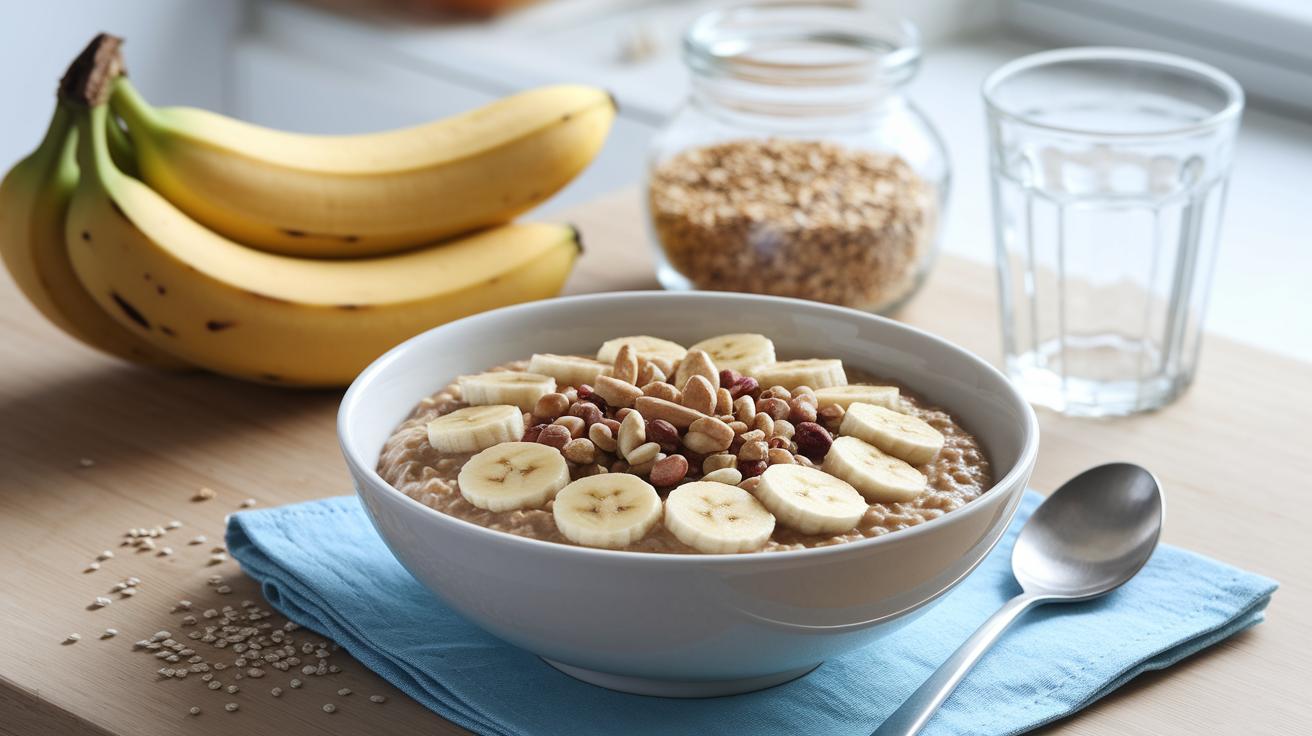
Eating a mix of nutrient-packed foods can help you keep an eye on your cholesterol while still enjoying every bite. By choosing high-fiber whole grains, fresh fruits, lean proteins, and quality dairy, you're giving your heart and overall wellbeing a real boost.
- Oatmeal: A single cup of cooked oats offers about 4 grams of soluble fiber, which works like a sponge to help lower bad cholesterol.
- Whole Grains: Foods like barley and brown rice bring extra fiber to your plate, supporting a balanced lipid profile.
- Banana: One medium banana supplies around 5.3 grams of fiber, adding a natural touch of sweetness that aids in managing cholesterol.
- Fatty Fish: Sardines aren’t just tasty; they pack omega-3 fatty acids (healthy fats that support heart function), protein, and key nutrients like B vitamins, iron, and selenium.
- Nuts and Seeds: A small handful of almonds or walnuts gives you a burst of healthy fats and antioxidants that work to keep your cholesterol in check.
- Eggs: One large egg is a wonderful source of high-quality protein. Enjoying eggs in moderation fits well into a balanced eating plan even though they carry cholesterol.
- Dairy in Moderation: A 22-gram slice of Swiss cheese provides calcium, and a cup of full-fat yogurt offers protein and beneficial fats, rounding out your daily diet.
Adding these foods to your meals encourages a heart-friendly way of eating. Imagine starting your day with a warm bowl of oatmeal topped with juicy banana slices, a refreshing burst of flavor that brightens your morning and supports a healthy lifestyle.
Key Foods to Avoid in a Cholesterol-Management Diet
When you're working on keeping your cholesterol in check, it's important to steer clear of certain foods that can weigh down your heart. Some of these options are packed with saturated fats (mostly found in animal products) and trans fats (man-made fats that can boost your LDL), which could put extra strain on your cardiovascular system.
- Fried foods: Think deep-fried meats or cheesy sticks; they're loaded with fats that aren't heart-friendly.
- Fast food: Meals from fast food spots often blend unhealthy fats with extra calories, which can add up quickly.
- Processed meats: Items like sausages, bacon, and hot dogs usually come with preservatives and saturated fats that may raise your LDL levels.
- Desserts: Cookies, cakes, ice cream, and pastries roll in extra sugars and unhealthy fats that you might want to avoid.
Instead of these riskier choices, try swapping them with healthier alternatives. For instance, baked or grilled dishes are a great switch from fried foods. Fresh, lean proteins can easily replace processed meats, and when you’re craving something sweet, natural options like fruit or snack bars made with wholesome ingredients can do the trick. These thoughtful changes not only help smooth out cholesterol spikes but also nurture lasting heart health.
Portion Control Strategies for High-Cholesterol Nutrition
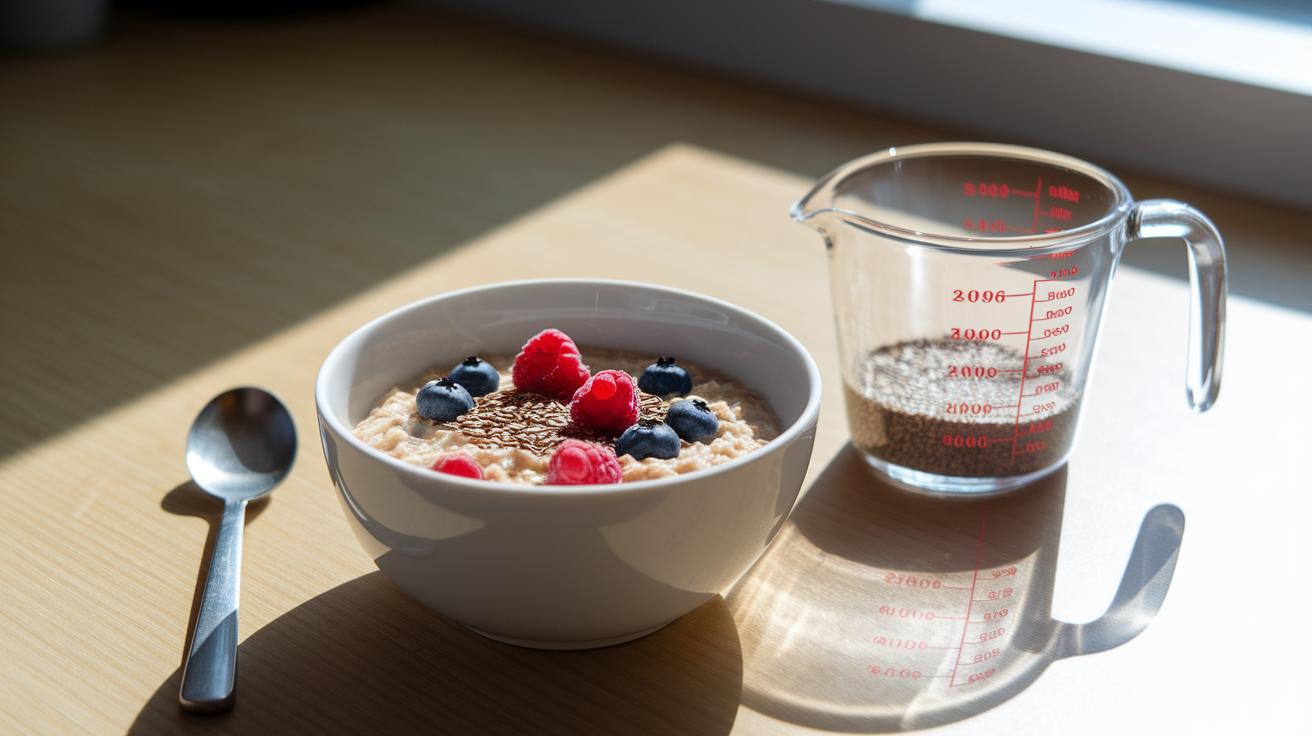
When it comes to managing cholesterol and keeping your heart in tip-top shape, portion control is a game-changer. Measuring your food with care not only helps create a balanced diet but also keeps your calorie and nutrient intake on track. For example, think of a standard serving as 1 cup of cooked oatmeal, 3 oz (85 g) of lean protein like chicken or fish, a medium banana, 1 oz (28 g) of nuts or seeds, and 1 cup of vibrant veggies. And if you're after a little extra protein, one large egg (50 g) fits right into your meal plan.
Reading nutrition labels is another smart move. Check out how much saturated fat (the type that can raise cholesterol) versus unsaturated fat (the heart-friendly kind) is in each serving. This simple habit builds a solid base for your balanced eating approach. For extra ideas, learn what a healthy balanced diet looks like.
| Food Item | Recommended Portion | Serving Frequency |
|---|---|---|
| Cooked Oatmeal | 1 cup | Daily |
| Lean Protein (Chicken, Fish) | 3 oz (85 g) | Each Meal |
| Banana | 1 medium | Daily |
| Nuts/Seeds | 1 oz (28 g) | Daily Snack |
| Vegetables | 1 cup | Each Meal |
Sticking to these portion control tips and keeping a close eye on labels builds a dependable foundation for managing cholesterol. Have you ever noticed how small changes, like these, can make a big difference in how you feel?
Sample Heart-Smart Meal Blueprint for Lowering Cholesterol
This simple plan offers a full day's menu that is both tasty and good for your heart. We take you step-by-step from your first bite to a satisfying dinner. It’s full of ideas to keep your meals tasty and nutritious, and it even helps you add more fiber the easy way. Designed with busy lives in mind, the guide comes with little tips on when to prepare meals so that eating well feels natural and stress-free.
Start your day with a warm bowl of oatmeal, one cup of cooked oats topped with a handful of berries and a tablespoon of ground flaxseed. This combo gives you quality fiber and healthy fats that help start your day right. Later, a medium banana provides a sweet, natural energy boost. Preparing these items the night before means you’re all set for a nutritious morning, even when time is short.
For lunch, picture a brown rice bowl filled with one cup of rice, steamed vegetables, and three ounces of grilled salmon or sardines. This dish packs lean protein along with omega fatty acids (good fats that support heart health). In the afternoon, a small snack of about one ounce of walnuts or almonds helps keep your energy steady until dinner. For your final meal, enjoy a mixed green salad with three ounces of skinless poultry or legumes, finished with a tablespoon of olive oil to add a fresh, balanced finish to your day. Check out the balanced diet meal plan for a seven-day guide full of these delicious ideas.
Monitoring Progress with Evidence-Based Cholesterol Guidelines
Have you ever wondered what truly makes a difference in your health routine? Rather than leaning on personal tales, solid scientific trials show us the way. Evidence-based nutritional strategies give you reliable, understandable tips to guide your choices. Plus, keeping up with regular lab tests lets you see the real impact on your cholesterol levels.
Checking your blood lipids every 3 to 6 months is a smart and simple step. When you review your LDL (often known as "bad" cholesterol) and HDL (the "good" kind) levels, you get a clearer picture of your progress. This regular feedback helps you adjust your diet and build confidence in the balanced approach you’re taking to lower cholesterol.
Every lab result is a chance to learn. Notice any improvements, and pinpoint areas that might need a little tweaking. Jotting down your numbers can support a solid dietary strategy that includes unsaturated fats, fiber, and plenty of water. Staying well-hydrated aids cholesterol metabolism (the process your body uses to manage cholesterol), and a moderate amount of coffee might even help clear LDL. And don’t forget, your healthcare provider is a trusted partner in interpreting these results, ensuring your heart health remains a top priority.
Long-Term Adherence Tips for a Cholesterol-Friendly Diet
Adopting a cholesterol-friendly diet means creating habits that feel easy and enjoyable over time. It’s about making little changes that let you enjoy your food while caring for your heart. Each small adjustment builds the confidence to stick with a plan that benefits you in the long run.
- Mix in seasonal fruits and vegetables to brighten your meals and add natural nutrients (like antioxidants, natural substances that help protect your cells).
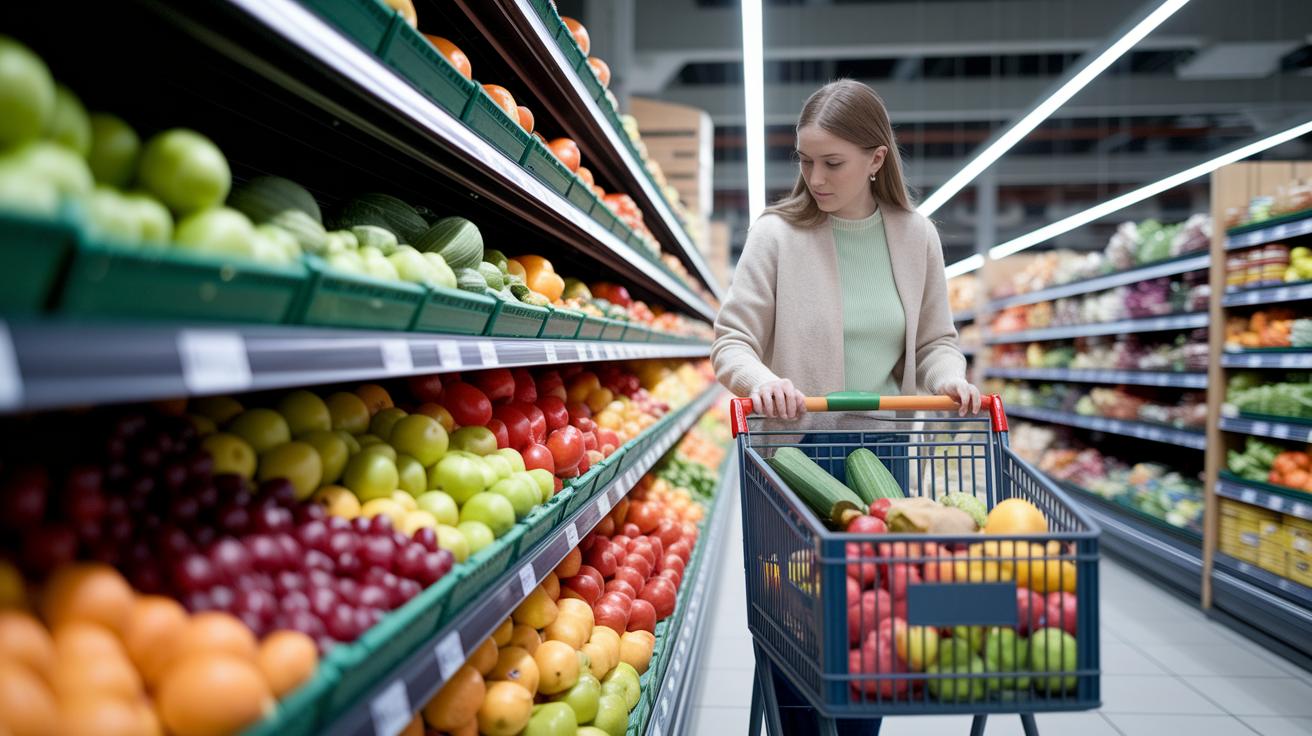
- Plan your grocery trips with a heart-healthy list so you steer clear of impulse buys and keep your kitchen stocked with nourishing options.
- Enjoy fermented foods such as yogurt or kefir; these can support your gut and might also help your body manage fats.
- Gradually swap refined grains for whole grains and try using olive oil instead of butter, making the transition easy on your taste buds.
- Practice mindful eating by paying attention to portion sizes and really savoring every bite.
- Set simple, realistic goals and track your progress to keep your diet transition smooth and encouraging.
By adding these tips into your everyday life, you build a solid foundation for eating well and keeping your heart happy over the long haul.
Final Words
In the action, we broke down how smart eating habits support your heart. We covered core principles that balance fats and fiber, spotlighted top and avoid food choices, and showed clear portion tips that can reshape your meals. We even explored a sample heart-smart meal and simple steps for tracking progress over a few months. Embracing these insights helps simplify how you manage your heart health. Keep moving forward with a balanced diet for high cholesterol, and enjoy the positive changes each healthy bite brings.
FAQ
How to reduce cholesterol in 7 days?
The method to reduce cholesterol in 7 days involves boosting your diet with soluble fiber and healthy fats. This short-term change may help lower LDL levels, but lasting benefits require continued healthy habits.
How to reduce cholesterol in 30 days?
The approach to lower cholesterol in 30 days emphasizes a balanced diet rich in whole grains, antioxidants, and lean proteins. Pairing these choices with regular exercise and proper hydration supports gradual improvements.
What are some effective foods for lowering cholesterol?
Effective foods for lowering cholesterol include whole grains like oatmeal, fruits such as bananas, fatty fish, nuts, and seeds. These nutrient-dense options help maintain healthy LDL levels and support heart health.
Which foods should be avoided in a high cholesterol diet?
Avoiding foods high in saturated fats is key. This means steering clear of fried items, processed meats, sugary desserts, and fast-food options that can raise LDL cholesterol and strain heart health.
What naturally reduces cholesterol quickly?
Naturally reducing cholesterol quickly involves eating a plant-based, fiber-rich diet and engaging in regular physical activity. These habits promote better lipid balance and support overall heart well-being.
What is a low cholesterol diet?
A low cholesterol diet centers on whole grains, fruits, vegetables, lean proteins, and healthy fats while limiting saturated fats and added sugars. This plan fosters balanced cholesterol levels and a healthy heart.
What should I eat to maintain healthy cholesterol levels?
Maintaining healthy cholesterol involves consistently choosing heart-smart foods like soluble fibers, lean proteins, and unsaturated fats. Avoiding excessive processed foods helps keep cholesterol levels in check.
Which is the best diet for high cholesterol?
The best diet for high cholesterol focuses on nutrient-dense, fiber-rich foods, lean proteins, and healthy fats. Incorporating whole grains, fruits, and vegetables into meals supports overall heart health naturally.
What are good meal choices when eating out with high cholesterol?
When eating out, choose grilled lean proteins, fresh salads with olive oil, and whole grain options while avoiding fried and high-fat dishes to maintain a heart-healthy cholesterol balance.