
Have you ever thought about how a simple check-up might change everything for someone living far from a clinic? In rural areas, nearly 46 million Americans can face long drives and very few nearby providers, which makes getting regular care a real challenge.
Regular check-ups and timely vaccines can truly boost well-being. Even small changes, like scheduling that appointment or getting your shots on time, can help keep these communities healthier. It’s amazing how making preventive care more accessible can lift up local health in places that need it most.
Overview of Preventive Care in Rural Communities: Elevating Local Health
Nearly 46 million Americans live in rural areas, where illnesses like diabetes (a condition that affects blood sugar balance) and heart disease show up more often than in city settings. In these communities, simple acts such as getting regular check-ups, immunizations, and learning about healthy habits make a big difference. Imagine driving over 30 miles just to see a doctor, that's one eye-opening fact that reminds us why fresh, creative care ideas really matter.
More than 65% of primary care shortage zones are in rural regions, which means many people miss out on early diagnoses and timely treatment. Getting vaccines for the flu, pneumonia, or shingles is a major help in keeping everyone safe, especially those who easily get sick. Health education also plays its part by sharing tips on good nutrition, keeping active, and making small lifestyle changes that add up over time.
| Statistic | Figure |
|---|---|
| Rural Population | 46 million |
| Primary Care Shortage Areas | 65% in rural settings |
The Centers for Disease Control and Prevention explains community health as a mix of services that reach people where they live. This means offering care that gets past common rural challenges, making sure everyone has a fair chance at staying healthy.
Challenges Impacting Preventive Care Delivery in Country Areas
Living in rural areas often means facing long trips for very basic healthcare. Many residents have to drive about 30 miles one way just to reach a primary care facility. This long commute can make regular check-ups and early care feel like a real hassle. Plus, almost two-thirds of these regions don't have enough healthcare professionals. Imagine how hard it must be to feel supported when your nearest doctor is so far away.
It doesn’t stop there. Many people in these communities also have less access to clear health information. In fact, studies show that basic health knowledge here trails behind by around 10–15% compared to city dwellers. This gap can lead to confusion about why vaccinations, screenings, and other preventive steps are important.
Here are some of the key hurdles rural residents face:
- Transportation issues: Many have to take long drives even for simple care.
- Limited healthcare workers: Nearly two out of three rural areas struggle with a shortage of staff.
- Lower health literacy: Understanding of preventive measures isn’t as widespread.
- Privacy and social stigma: Concerns around mental, reproductive, and substance abuse health discourage seeking help.
- Insurance challenges: Lack of coverage can be up to 20% worse than in urban areas.
All these factors combine to delay preventive care, making rural communities more vulnerable to worsening health problems.
Community-Based Preventive Programs in Small Towns
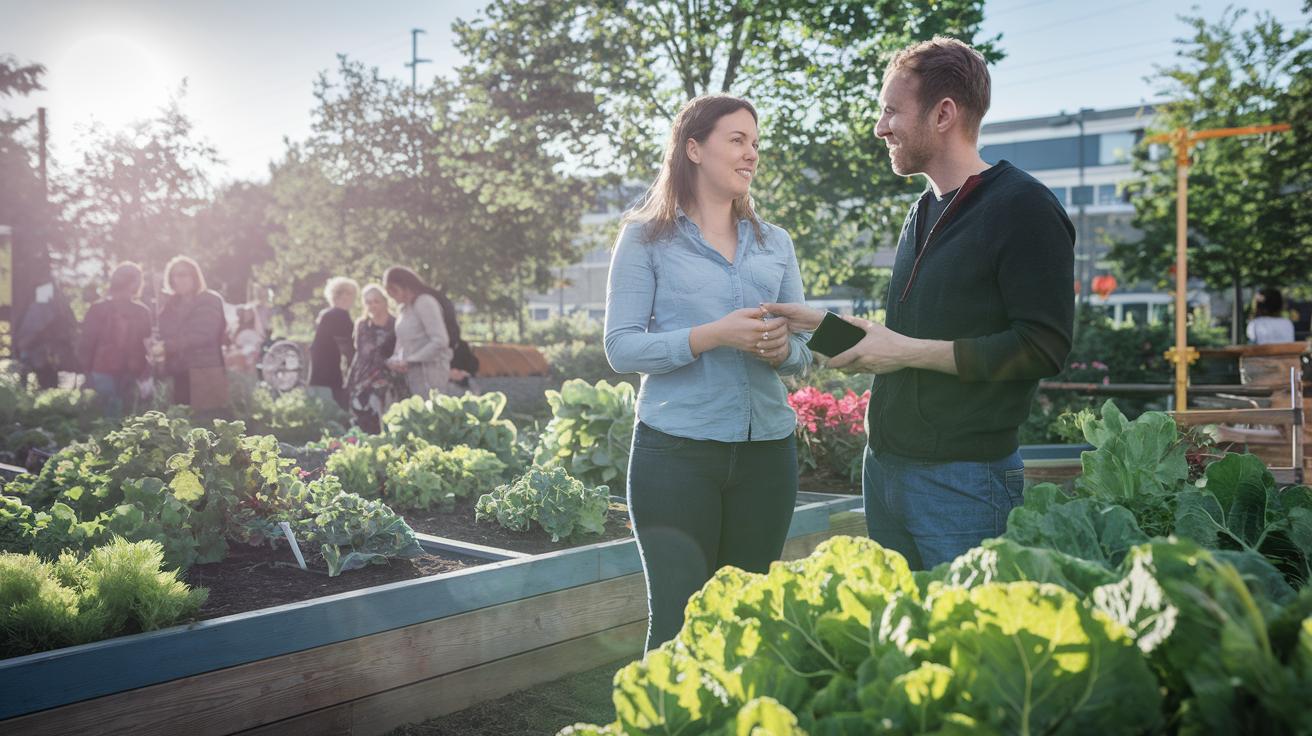
In many small towns, local programs are stepping in to boost health with real, hands-on solutions. Nutrition initiatives often include cooking classes and community gardens where you can learn simple, tasty ways to prepare fresh meals. Imagine joining a cooking class where you whip up a colorful salad that not only delights your taste buds but also helps fight obesity challenges common in your town.
Exercise outreach is just as crucial. Local walking clubs and discount programs at farmer's markets make it easy to add a bit of physical activity to your day. Picture taking a brisk morning walk with friends that sharpens your mind and supports a healthy heart, or picking up fresh produce with a little extra incentive to eat smart.
Support for new and expecting mothers is another bright spot in these communities. Regular prenatal and postnatal workshops offer clear, friendly advice on nutrition, baby care, and wellness checkups. These sessions have even helped cut infant mortality rates by around 15%, giving families a solid, caring start.
Efforts to reduce tobacco use are making a real impact, too. Group counseling has dropped smoking rates from 25% to 18%, empowering many residents to quit smoking and embrace a healthier lifestyle. And with seatbelt awareness events reducing car accident fatality risks by 12% in just five years, it's clear that every small effort counts.
All in all, these varied programs, offered by committed community health workers and volunteers, mix useful education with practical action. They create a supportive network that encourages lasting healthy habits and lifts the overall well-being of rural towns. Have you ever felt how a little community support can truly change lives?
Telehealth & Mobile Clinics Enhancing Rural Preventive Care

Telehealth and mobile clinics are shaking up health care for folks living far from hospitals or clinics. In just two years, the use of virtual check-ups in rural areas jumped by 300%, leading to a 25% increase in follow-up visits. Picture a local resident chatting with a friendly doctor right from their living room instead of taking a long, tiring drive.
Mobile health units are also making a big difference by coming straight to remote communities. They offer important services like breast screenings, quick diabetes foot exams, and immunizations, all without the need to travel far. Imagine a helpful mobile clinic parked at a small-town center, where a caring nurse quickly checks for diabetes-related problems, preventing more serious issues down the road.
Virtual sessions for healthy eating and quitting smoking are now more common, too. These programs have seen a boost of up to 40% in people sticking with them. It’s all about getting tailored advice on nutrition or quitting smoking from the comfort of home. Some local libraries have even teamed up with neighborhood clinics to set up private booths for virtual visits, ensuring everyone can get connected and well.
These tech-driven care models and mobile clinics are built to reach even the most isolated communities. By bringing vital health services right where people live, they’re not only boosting well-being but also making it easier for everyone to take a proactive role in their own health.
Policy Frameworks & Funding for Rural Preventive Strategies
Federal programs are a key boost for rural health. Funds from initiatives like the Rural Health Clinic and Federally Qualified Health Center models help local clinics offer essential preventive care such as regular check-ups and immunizations. Imagine a small-town clinic that can now offer services that might have been too expensive otherwise.
State grants also play an important role. For example, USDA Rural Development allocates over $100 million every year to support mobile clinics. Picture a mobile unit arriving at a community center in a remote area, ready to provide screenings and vaccinations for locals who can’t easily travel.
Telehealth policies are another vital part of the mix. In 38 states, laws ensure that virtual prevention visits are paid the same as in-person ones. This means rural residents can get quality care without a long journey, making it both convenient and affordable.
Local planning is guided by Community Health Needs Assessments, updated every three years. These assessments help leaders decide which prevention efforts are most important for each community, ensuring that funding reaches the areas that need it most.
Together, these coordinated policies and funding programs lay a strong foundation for offering preventive care across rural communities.
Success Stories from Countryside Disease Prevention Efforts

In Iowa, a mobile immunization unit raised childhood vaccination rates by 22% in just one year. Picture a cheerful community gathering around a bright, eye-catching van parked near a local school, while friendly nurses provide life-changing vaccines. This simple act gives children the healthy start they deserve.
Over in the Appalachian region, telehealth services were a game changer for diabetic foot screening. Remote consultations lowered the chance of developing ulcers by 18% over two years. Imagine sitting at a local library and logging into a video call with a caring doctor. You get clear advice that helps prevent serious complications without the need to travel long distances.
In the Midwest, a community health worker program made a noticeable difference in controlling hypertension. By offering personalized support, the initiative boosted control rates from 45% to 60%. Think of a neighborhood event where a dedicated health worker explains how small changes, like cutting down on salt, can help manage blood pressure better and keep you feeling more energetic.
Family Medicine Clerkship students also left their mark. Under the watchful guidance of experienced physicians, these bright students conducted 1,200 preventive visits across four rural counties in 2023. Imagine an eager student learning hands-on skills as they screen and counsel community members, all while building bridges to better health in rural areas.
These real-life examples show how smart, community-driven programs can bring about big improvements. Whether through mobile clinics, telehealth, or personal connections in community programs, these efforts prove that even small, focused actions can lead to better health outcomes one visit at a time.
Best Practices for Implementing Preventive Care in Small Towns
Building better care in small communities starts with trusted community health workers. These local champions bridge cultural and language gaps while often boosting screening rates by 30%. Imagine a friendly community member explaining why a simple blood sugar test could make a big difference.
Another effective approach is teaming up with schools, churches, and community organizations. Together, you can create engaging health seminars tailored to the community's needs. For example, a school might host a doctor who talks about managing high blood pressure in a relaxed, helpful way.
It also helps to follow clear screening protocols based on CDC guidelines. In practice, this means regularly checking for conditions like diabetes, high blood pressure, and even cancers such as breast and cervical. By using these standards consistently, everyone in the community benefits from care that is both systematic and straightforward.
Don't overlook the power of mobile health apps to send appointment reminders. Even a friendly SMS can boost appointment attendance by up to 20 percent. Picture receiving a text that gently reminds you of an upcoming health screening nestled perfectly into your busy day.
Keeping track of progress is just as important. Monitoring key health metrics every three months, like screening and immunization rates, allows local leaders to adjust programs when needed. So if flu vaccinations start to dip, a refreshed, focused campaign can quickly get things back on track.
Here are some key steps you can take:
- Integrate community health workers to boost screening rates by 30%.
- Build partnerships with schools, churches, and civic groups for engaging health seminars.
- Follow standardized screening protocols for conditions like diabetes, high blood pressure, and certain cancers.
- Use mobile health apps to send SMS reminders that improve checkup attendance by 20%.
- Review performance metrics every quarter and adjust your plan as needed.
These evidence-backed strategies offer a clear, step-by-step guide for rural health leaders. For more ideas on sustaining healthy habits, check out our guide on maintaining healthy living at https://nobrainertrends.com?p=255.
Final Words
In the action of promoting preventive care in rural communities, we explored practical strategies to boost everyday health. We looked at community programs, telehealth advantages, and policy support that work to overcome challenges like long travel distances and limited access. Real success stories remind us that simple, research-backed steps lead to better wellness outcomes. These clear examples show that small changes can have a lasting impact on countryside well-being. Let’s move forward with optimism and care for a healthier, more connected rural life.
FAQ
Frequently Asked Questions
How can healthcare in rural areas be improved?
Improving rural healthcare involves boosting telehealth services, mobile clinics, and local community programs, along with recruiting more healthcare professionals to reduce travel distances and fill care gaps.
What are the major barriers to healthcare access in rural communities?
Major barriers include long travel distances, workforce shortages, lower health literacy, and higher uninsured rates, which collectively hinder timely and effective preventive care services.
What examples of preventive care services are offered in rural areas?
Preventive care in rural areas often includes chronic disease screenings, immunizations, health education sessions, and community outreach programs provided by local health workers or mobile health units.
Are rural residents less likely to obtain recommended preventive healthcare services?
Rural residents often face delays in preventive care due to limited access to health professionals, transportation challenges, and lower awareness of available services, which may lead to higher risks of conditions.
What healthcare issues commonly affect rural communities?
Rural communities commonly experience issues like a shortage of healthcare providers, gaps in funding, transportation obstacles, and reduced access to essential and preventive care services.
How can research and policy improve rural healthcare services?
Research and policy can guide rural healthcare improvements by identifying service gaps, influencing funding allocations, and developing tailored community-based programs to boost preventive care and overall health.