
Have you ever thought that your smartwatch might pick up health issues before you even feel any symptoms? Modern gadgets like wearable trackers, remote monitors, and smart apps give you real-time updates about your well-being. They check things like your heart rate, blood pressure, and daily routines, so you get a heads-up if something seems off. This early detection can help you start treatment sooner, saving you both time and money. In fact, new tech in preventive care is making it easier to tackle potential health challenges before they turn into bigger problems.
How Preventive Care Technology Enables Early Disease Detection

Wearable activity trackers like smartwatches and fitness bands give you real-time insights that help spot early signs of health issues. These devices keep an eye on your heart rate, sleep, and daily movements, offering data that might show small changes in your well-being. For instance, a message like "Your resting heart rate has increased significantly" can alert you to check in with your doctor sooner rather than later.
Remote screening is another great tool in preventive care. Devices such as blood pressure cuffs and glucose meters automatically send data to your healthcare team. This steady feed of information can warn you of conditions like high blood pressure (hypertension) or high blood sugar (diabetes) before they develop into bigger problems.
There are also wellness apps that work hand-in-hand with these devices. They provide personal tips and reminders, nudging you toward daily habits like a brisk walk, a quick stretch, or a glass of water. These small prompts can add up to long-term benefits for your health.
Plus, AI-powered imaging looks at medical scans for early signs of illnesses like cancer. If something seems off, you can quickly get remote checkups and advice from a specialist through virtual care platforms. This approach makes patient care faster and more focused on preventing issues before they grow serious.
Early detection with these smart tools not only helps save lives but also cuts down on healthcare costs. Regular monitoring and timely alerts mean you and your doctor can tackle issues before they turn into major health challenges.
Digital Wellness Platforms Driving Proactive Preventive Care

Digital wellness platforms are changing the way you look after your health. These tools bring a fun and friendly approach to preventive care, making it easy to stick to healthy habits every day. Apps like MyFitnessPal and Calm dish out personalized nutrition tips, workout ideas, and even ways to boost your mood, helping you build a balanced routine without any hassle.
Imagine receiving a friendly nudge on your phone saying, "Time for a quick stretch." It might seem small, but that tiny reminder during a hectic day can really keep you on track. These platforms offer bite-sized lessons on everything from healthy eating to stress relief, making sure you get clear, simple advice whenever you need it.
They even include digital health diaries that send you reminders via SMS or email to log your meals, workouts, and moods. This kind of step-by-step tracking turns health management into an interactive, everyday experience, and helps you keep your health goals right in your line of sight.
Online consultation centers take it a step further by bringing virtual appointments right to your fingertips. Whether you're booking a checkup or chatting with a wellness coach, it’s all set up to be quick and simple. At times, you might see a prompt like "Schedule your monthly check-in" that gently encourages you to stick with your routine.
By blending on-the-go apps with interactive education and regular reminders, these digital platforms give you the power to take charge of your well-being. They mix everyday technology with smart health tips, turning preventive care into a daily habit that supports long-term health. Your journey to better wellness starts with those little steps every day.
Remote Monitoring Technologies in Preventive Healthcare

Telemedicine and virtual consultations are bringing care to every corner, even the most remote areas. Imagine a patient in a little town being able to chat in real-time with a doctor, this means small health changes get noticed early before they turn into bigger problems.
Every day, smart gadgets like connected blood pressure cuffs (devices that check your blood pressure from afar) and continuous glucose monitors (tools that track your sugar levels round the clock) keep a friendly eye on your health. Picture getting a quick text saying, "Your blood pressure is a bit higher than usual today." It’s like getting a caring nudge to take a minute for yourself or call your doctor. This kind of daily check is especially handy for folks managing conditions like high blood pressure and diabetes.
Mobile monitoring devices are a game-changer when it comes to diabetes care. They work with connected glucose meters to instantly update your treatment plan if something seems off. In short, this quick feedback can catch issues early, helping to cut down on emergency visits and ensuring you get the right help right away.
Connected care strategies are also changing how doctors and patients work together. Because health data is shared securely through these devices, your doctor can see trends over time and offer tailored advice that fits into your daily routine. It makes lifestyle adjustments feel more natural and gives you the confidence to take control of your health with friendly, consistent insights.
All in all, blending smart technology with personal care not only helps manage health issues today but also builds a safer path to a healthier tomorrow through ongoing monitoring and quick responses.
AI and Predictive Analytics Transforming Preventive Care Technology
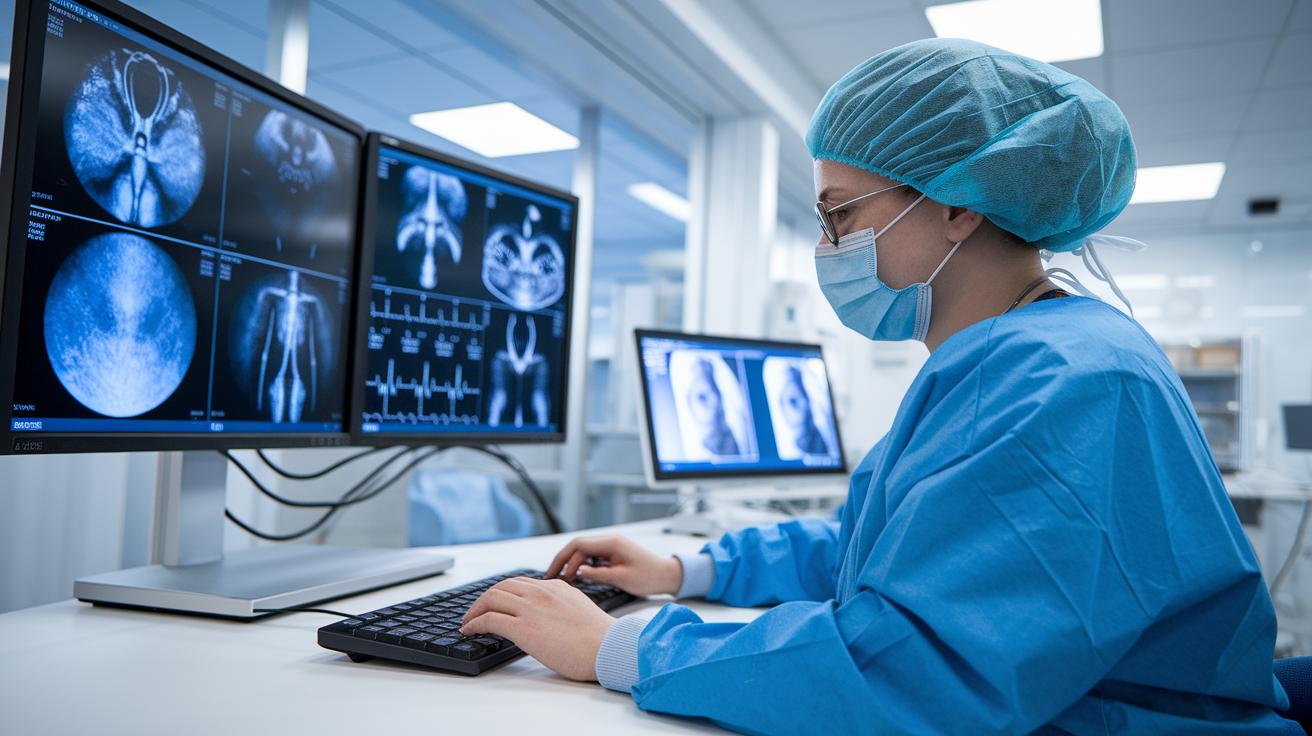
Artificial intelligence is shaking up preventive care by spotting early signs of illness. It goes through medical images and health records to find even the tiniest hints of trouble, hints that might slip by during a regular checkup. Imagine having a smart buddy that picks up on details you might miss.
Machine learning now takes a closer look at your lifestyle, genetics, and past health info to build a plan just for you. Think of it like a friendly coach who watches your habits over time and gives personalized tips. For instance, it might suggest taking an evening walk based on your sleep and activity data, helping you stay on track with your health.
Then there’s predictive analytics, which crunches vast amounts of data to pinpoint risks for each person. This approach means that small tweaks in your daily routine can lead to timely actions, like scheduling an extra screening or tweaking your wellness habits. It’s all about using hard numbers to help doctors decide the very next best step for your care.
Experts say the digital health market is set to leap from USD 240.9 million in 2023 to nearly USD 947,075 million by 2030. This sharp rise shows just how much these smart, data-driven methods are transforming health care, paving the way for more accurate and personalized preventive care.
Integrated Diagnostic Instruments and IoMT in Preventive Care Technology

Integrated diagnostic instruments bring together data from different health devices into one clear picture. They connect tools like glucose meters, ECG monitors, smartwatches, and smart scales, so your readings all share a story. Imagine your smartwatch teaming up with a glucose meter to reveal hidden health trends, that’s the real promise of IoMT, where everyday devices work in unison to catch early signs of health issues.
One smart part about IoMT is how well these devices work together. Instead of doing their own thing, every device adds its own clue to the bigger picture. This team approach can alert healthcare professionals quickly when changes pop up, leading to faster and more accurate care decisions.
By gathering detailed biometric data, doctors can see a broader view of your health. This full snapshot helps them catch signals that might slip past a single device, paving the way for proactive care that stops issues before they grow.
| Feature | IoMT Advantage |
|---|---|
| Data Consolidation | Merges data from various sensors into one view |
| Interoperability | Devices work together to spot health trends |
| Preventive Alerts | Sends targeted warnings based on integrated data patterns |
Ensuring Security and Compliance in Preventive Care Technology

Preventive care systems stick to strong rules like HIPAA, GDPR, and ISO 27001 (which help keep your data private) to safeguard your health details. They use secure data exchange so each part of your medical record is safely sent between devices and doctors. Have you ever seen a reassuring note on your dashboard saying, "Data securely transmitted"? It’s a friendly reminder that your sensitive info is well cared for.
Cloud storage solutions work like a modern vault for your electronic health records. These systems use smart encryption techniques (methods that scramble data so only trusted eyes can see it) to protect your information. Picture a simple reminder on your screen saying, "Your records are safely encrypted on the cloud." It’s like having an extra lock on your door.
Electronic monitoring networks add another layer of safety by keeping an eye on every access to your data. They use access controls and audit trails (logs that record who sees what) to catch any unusual activity right away. Imagine getting an alert that says, "Unauthorized access attempt blocked." It’s a clear sign that thorough checks are always in place.
Altogether, these secure data exchange methods, reliable cloud storage, and careful monitoring come together to make preventive care technology a trustworthy way to manage your personal health information.
Future Trends in Preventive Care Technology

Next-generation preventive care is set to change how we look after our health. With advanced machine learning (computer technology that learns from data) providing clearer risk insights, we can finally get personalized tips that truly match our needs. And as healthcare spreads out to more areas, everyone, from big cities to rural spots, will have the chance to benefit.
Digital innovation hubs are lighting the way for cool new biosensor technologies. These hubs link together experts and lots of useful data, making it easier for smart gadgets to join in remote care programs. Picture this: your wearable sends a friendly alert like "Your heart rate seems off today," and then an automated coaching program suggests taking a quick walk to refresh. It’s a neat mix of technology and personal care that makes staying well easier than ever.
Cloud-based analytics adds another layer of smarts to the mix. This tool processes huge amounts of health data so doctors can spot early signs of issues and adjust care routines in real time. Imagine your daily health information being carefully watched by secure cloud systems that drop you a note: "Let’s optimize your care today." This means better decisions and a care plan that really fits what you need, right then and there.
Bringing together these digital innovation hubs, smart remote care programs, and integrated cloud analytics creates a future where proactive care is a normal part of everyday life. It’s a shift towards a preventive approach that’s easier, smarter, and right at your fingertips.
Final Words
In the action, we explored how smart devices, digital wellness platforms, and remote monitoring tools work together to catch health issues early. Each section revealed how everyday health improvements become more manageable with step-by-step guidance and secure data handling.
Embracing technology in preventive care opens new doors for personalized and proactive health measures. The future looks bright, offering us practical ways to stay ahead and feel our best every day.
FAQ
Frequently Asked Questions
What is preventative technology?
The preventative technology refers to digital tools, connected devices, and remote monitoring systems that detect early signs of disease and prompt timely health interventions.
What are the trends in preventive care?
The trends in preventive care include using AI analytics, digital wellness platforms, and remote monitoring systems that support early diagnosis, personalized health strategies, and better overall patient management.
What are the new technologies for patient safety?
The new technologies for patient safety involve integrated diagnostic instruments, IoMT networks, and secure data exchange systems that quickly alert clinicians to abnormal health readings for prompt action.
How wearable health technology affects preventive care?
The wearable health technology affects preventive care by tracking vital signs like heart rate, sleep, and activity, providing real-time data that helps clinicians and patients make informed, timely health decisions.