
Have you ever thought that a quick check-up might stop a big problem before it even starts? In the United States, many people deal with challenges like heart disease and type 2 diabetes, and often, these conditions can be spotted early with a routine screening.
Think of it as giving your body a little tune-up, a few small steps now can catch issues before they grow into something serious. Preventive care is all about making tiny, consistent changes that add up to a healthier future.
How Preventive Care Reduces Chronic Disease Risks

In the United States, chronic conditions like heart disease and type 2 diabetes affect so many of us, causing about 70% of all deaths and costing nearly $3.7 trillion each year. Those figures really hit home, showing us how stubborn health issues can disrupt lives and strain our healthcare system. I once heard someone mention that a routine check on their cholesterol saved them from a major health setback. Isn't it amazing how catching something early can change everything?
Preventive care is all about taking those little steps before a problem grows. It means going for regular checkups, screenings, and immunizations even when you feel perfectly fine. Think of it as giving your body the benefit of the doubt, spotting small warning signs before they turn into big challenges. It’s like noticing a tiny crack in a dam before it becomes a flood of issues.
By making these proactive moves part of your routine, you're really putting yourself in the best position to keep chronic diseases at bay. Simple, steady care can make a world of difference in staying healthy day by day.
Core Components of Preventive Care Strategies in Disease Management

Preventive care is like setting up a safety net to help keep chronic disease risks low. Regular checkups, screenings, immunizations, and even tailored lifestyle advice create a protective layer for your health. Best of all, these services are customized to your age, history, and unique risk factors, so you can build a strong foundation for a healthier future.
Clinical Preventive Services
Your annual physical isn’t just a routine exam, it's a chance to catch early red flags before they grow into bigger concerns. During these visits, your doctor checks your vital signs and may run simple tests (like basic blood work) to draw a clear map of your health. Plus, standard immunizations help boost your body’s natural defenses. This organized approach gives you a practical shield while keeping surprises at bay.
Immunization and Screening Protocols
Sticking to age-based vaccination schedules and regular screening tests means your care is truly tailored for you. Whether it’s cancer screenings or bone density tests, these checkups offer clear insights into what’s happening inside your body. Early detection lets you take action swiftly, easing worries and helping to avoid more serious complications down the line.
Counseling and Behavioral Interventions
Sometimes the smallest changes in your routine can make a huge difference. Programs aimed at quitting tobacco, managing stress, or boosting mental health show just how impactful small behavior shifts can be. With dedicated counseling, you can tweak daily habits to reduce health risks, building both physical strength and emotional resilience along the way.
Lifestyle Improvement Plans
Imagine your lifestyle improvement plan like assembling a balanced meal. Dietary guidance helps you choose nourishing foods, an exercise plan keeps you active, and weight-management tips round out your strategy, all working together to keep you well. These integrated steps are designed to support your everyday health while actively preventing disease progression.
Early Detection Techniques and Health Screening Practices in Chronic Management
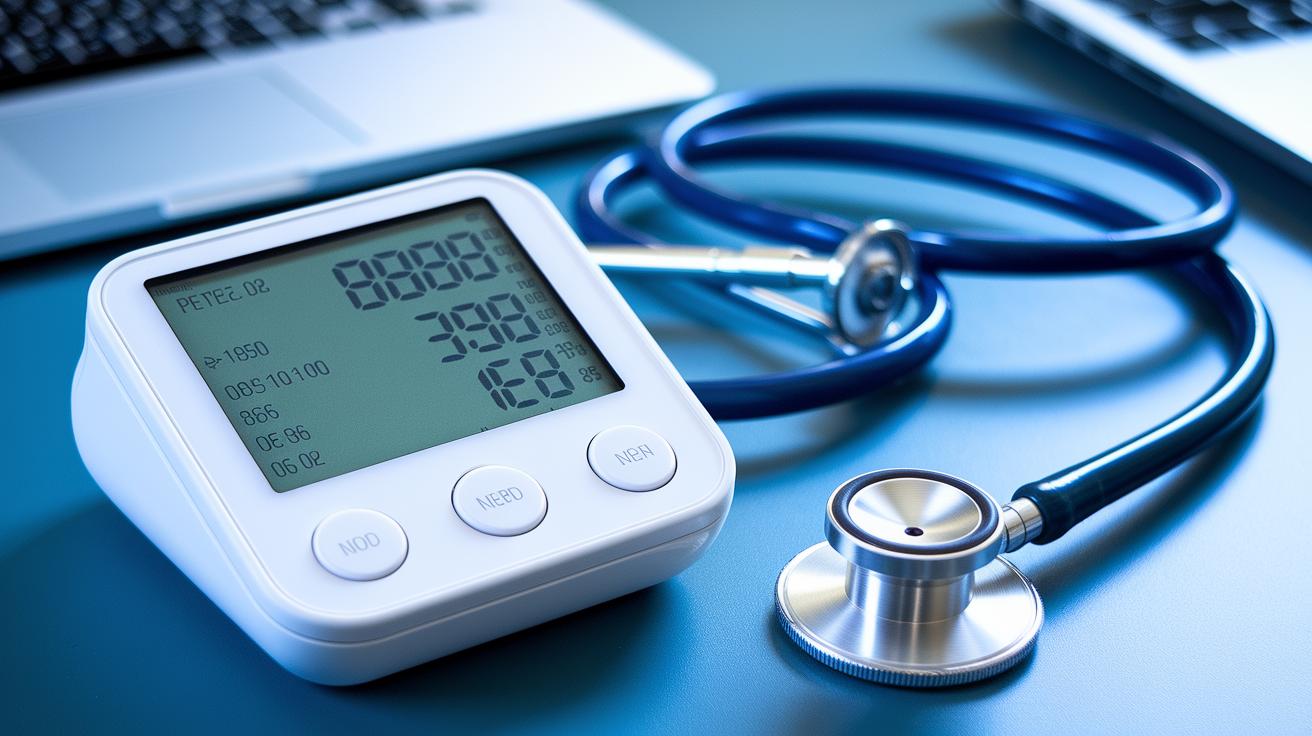
Recent advances in screening technology are making it easier than ever to spot chronic conditions early. New devices like digital blood pressure monitors, which give you real-time readings, and advanced imaging that captures detailed pictures are helping healthcare professionals notice subtle changes before they become serious. For instance, one patient’s smart sensor picked up an unusual heart rhythm, which led to early tests and a quick diagnosis of a treatable issue.
Modern screening methods now offer a much clearer view of our health risks. They provide detailed measurements that go well beyond the basics of a typical checkup. Recent case studies show that these sophisticated tests help doctors tweak treatments sooner, improving outcomes for patients.
- Blood pressure measurement
- Fasting blood glucose
- Lipid profile (cholesterol panel)
- Colon cancer screening (colonoscopy or FIT test)
- Mammography (breast cancer)
- Immunization status review (influenza, pneumococcal)
Regular use of these innovative screening tools not only picks up early warning signs but also helps tailor treatment plans and lower the risk of complications. Research confirms that with advanced screening, doctors can adjust care plans faster, leading to noticeable improvements in health.
How Preventive Care Reduces Chronic Disease Risks
When it comes to keeping healthy, staying ahead of potential problems is key. In the United States, conditions like heart disease and type 2 diabetes lead to about 70% of deaths and cost nearly $3.7 trillion each year. That’s a heavy impact on both lives and our budget.
Preventive care means seeing your doctor for checkups, screenings, and vaccinations even when you feel fine. Think of it like tuning up a car; catching a small imbalance in your blood pressure, blood sugar, or cholesterol early can stop bigger issues from forming later on.
By keeping up with these regular health checks, you help keep risk factors in line and reduce complications, making it much easier to enjoy a steady, healthy life every day.
Core Components of Preventive Care Strategies in Disease Management
Preventive care lays the groundwork for a healthier life by helping you stay on top of regular checkups, screenings, behavior support, and lifestyle tweaks. It’s like a blend of science and everyday wisdom coming together to keep you in tip-top shape.
Clinical Preventive Services
Regular checkups, simple lab tests, and vaccinations work together much like a car’s dashboard, alerting you early if anything seems off. Think of your annual physical as a quick tune-up that gives you a snapshot of your health.
Immunization and Screening Protocols
Vaccinations tailored to your age and risk, along with routine screenings, form a solid plan to keep you feeling your best. For example, a scheduled cancer screening is like receiving a progress report that signals when adjustments might be needed in your care.
Counseling and Behavioral Interventions
Programs that support changes such as quitting tobacco or managing stress are like having a personal coach for your wellbeing. They guide you with small, practical tips that can really add up over time.
Lifestyle Improvement Plans
Healthy eating, regular exercise, and weight management come together as a colorful recipe for strength and balance. Imagine arranging a vibrant plate where every ingredient helps boost your resilience against everyday challenges.
Early Detection Techniques and Health Screening Practices in Chronic Management
Spotting small changes in your health early on can really help you stay on track. Imagine a routine checkup noticing a tiny jump in your blood pressure. That little hint helps you and your doctor make adjustments before things get out of hand.
Keeping an eye on things like cholesterol and blood sugar levels gives you clues about how your body is doing. Research shows that paying attention to these markers can lead to care that fits you perfectly, guiding smart choices along the way.
- Blood pressure measurement
- Fasting blood glucose
- Lipid profile (a test that checks your cholesterol levels)
- Colon cancer screening (using tests like colonoscopy or FIT)
- Mammography (for breast cancer detection)
- Immunization status review (checking flu and pneumonia shots)
Regular screenings with these tests help catch little shifts that might mean a tweak in your diet or exercise plan. Noticing even a small change in your cholesterol can be the cue to fine-tune your lifestyle and keep your health on a steady, positive course.
Lifestyle Intervention Plans and Risk Mitigation Tactics

Your everyday habits are the foundation for a healthier life. Small changes in your routine can lower your risk for conditions like diabetes (a problem with managing blood sugar) and high blood pressure.
Eating smart is a great starting point. Embracing a balanced diet, one that includes plenty of fruits, veggies, and lean proteins, along with watching your portion sizes, sets you up for success. Imagine building a colorful puzzle: each food piece adds its unique taste and benefit to your meal.
Regular movement is also key. Even a brisk 30-minute walk can give you a refreshing burst of energy, much like a splash of cool water on a hot day. This simple activity supports a strong heart and healthy blood pressure.
Quitting smoking is another powerful step. By choosing to stop, you clear the way for improved lung and heart health, just as clearing debris makes a path easier to walk.
Taking time to manage stress can make a world of difference too. A few deep, mindful breaths, much like enjoying a calm sunrise, can help balance the everyday pressures you face. Combining stress relief with sensible weight management is a smart strategy to keep your body and mind in harmony.
By sticking with these lifestyle changes, you're building a solid foundation for lasting well-being and helping to keep chronic conditions at bay.
Personalized Treatment Protocols and Medication Oversight in Preventive Care

Personalized treatment is all about tailoring care to you. By looking at your medical history, the way you live day to day, and any health risks you might face, your doctor can create a plan that truly fits your lifestyle and helps keep chronic problems at bay.
Medication Management Protocols
Good medication management means keeping a close eye on your doses and reviewing all the medicines you take so nothing clashes. Regular checks help spot when doses need tweaking, ensuring your meds work as they should. This careful approach not only cuts down on complications but also keeps you on track to handle chronic conditions before they become bigger issues.
Behavioral and Mental Health Integration
Taking care of your health isn’t just about physical changes, either. Including support for your mind and emotions is crucial. Getting referrals for counseling or joining local support groups can give you that emotional boost. Plus, learning simple stress-relief techniques can make a real difference when health challenges bring on tough feelings. Balancing your physical and emotional care helps you move steadily forward on your health journey.
Condition Monitoring Systems, Digital Tools, and Follow-Up Care

Digital and in-home monitoring gadgets are changing the way we keep an eye on our health every day. Smart devices now capture important signals like blood pressure and glucose levels in real time (meaning you can see your health stats as they happen), so patients and doctors can notice any changes fast. It’s like having a little health helper right at home, making check-ups simple and ongoing.
| Tool | Condition Monitored | Monitoring Frequency |
|---|---|---|
| Smart BP Cuff | Hypertension | Daily |
| Continuous Glucose Monitor | Diabetes | Continuous |
| Wearable ECG Patch | Arrhythmia | Weekly |
| Pulse Oximeter | Respiratory | As Needed |
Regular check-ins make sure these insights lead to timely care. Telehealth appointments let you chat with your provider from home, discussing your results and tweaking your care plan as needed. This connection helps you stick to your health routine, offering a clear schedule for updates and tests. Using these digital tools means doctors can act quickly if something seems off, so small issues don’t grow into big problems. It’s a smart blend of technology and care that keeps you feeling supported every step of the way.
Patient Education Initiatives and Self-Care Empowerment Strategies

Patient education plays a key role in keeping you healthy. It helps you understand risk factors so you can make smart, informed choices. When you join counseling sessions or informative talks, you learn to spot early signs of health issues before they become serious.
Behavioral support shows you simple ways to work healthy changes into your everyday life. With advice that fits your situation, especially when it comes to stress and mood, you gain the confidence to overcome challenges.
Interactive patient workshops let you learn directly from experts about nutrition, exercise, and mental wellness. In these sessions, real-life examples make complex health information easy to grasp, inspiring you to form lasting healthy habits.
Digital self-management apps are like handy health buddies. They let you track important health metrics and give you personalized tips, reminding you to take medications or attend appointments. This way, your daily routine becomes a pathway to better health, keeping you actively involved in your care.
Community and peer-support programs create friendly networks where shared stories and practical strategies uplift you. Whether you join group sessions or online forums, exchanging tips and success stories builds resilience and motivates you to stick with a healthier lifestyle.
Keeping good habits strong means you need ongoing education and support. By revisiting these practical methods, you ensure your wellness practices stay fresh, vibrant, and effective over time.
Final Words
In the action, the blog post explains how regular checkups and early screenings help stop chronic conditions from taking hold. It breaks down practical steps like periodic lab tests, clinical services, and lifestyle changes that contribute to better health outcomes.
These insights integrate preventive care and chronic disease management to give clear guidance for everyday wellness. Keeping a routine of smart health practices can brighten your future and keep you feeling strong and positive.
FAQ
What does preventive care include and what are its guidelines for adults?
The details of preventive care include routine checkups, screenings, immunizations, and labs based on CDC and ACA recommendations. They help spot early signs of issues to keep you healthier.
What preventive labs and health screenings are recommended under these guidelines?
The recommended labs and screenings, like blood tests and cancer screenings, are tailored to age and risk factors. They help catch potential health concerns early and maintain overall wellness.
What is preventive care for chronic conditions?
The concept of preventive care for chronic conditions includes ongoing monitoring, lifestyle coaching, and timely screenings that help protect against the worsening of diseases like diabetes and heart conditions.
What does chronic disease management involve, including its key components (the C’s)?
Chronic disease management involves coordinated care through services that emphasize care coordination, community support, communication, and patient-centered compliance, all designed to reduce complications.