
Have you ever noticed how a little teamwork can boost our health? When local groups join forces to focus on prevention, they mix everyday habits with fun group activities to catch issues before they become big problems. Neighbors come together for enjoyable health workshops, free check-ups, and easy-to-understand events that teach us how to stay active and feel strong. This friendly approach not only helps each person but also builds tighter community bonds. In the end, when we all support one another, everyone wins with a brighter, healthier future.
Core Components of Community-Based Preventive Care Programs

Community-based preventive care programs bring together a mix of individual actions and community changes to help everyone stay healthier. These programs blend personal empowerment with group efforts, making sure that people learn about keeping well, spotting problems early, and staying active. They are run by caring teams, including Boards, staff, and local coalitions, that listen to what the community really needs and understand its unique cultural ways.
For example, many programs invite locals to fun health workshops, free screening events, and early detection campaigns that lower the risk of chronic conditions. They also reach out through newsletters, podcasts, and community events like DEA Takeback programs, sharing wellness tips in many different ways.
Key parts of these programs include:
- Community engagement that lets residents have a say in their own well-being.
- Clear health education with guidance on topics like nutrition (eating food that keeps you strong) and disease prevention.
- Regular screenings and early detection efforts that catch issues before they grow.
- Strong advocacy work that pushes for better local policies and resources.
- A variety of outreach methods, from in-person sessions to digital newsletters.
- Thoughtful governance by Boards, staff, and coalitions to keep everything on track.
- Combining local disease control efforts with broader health programs to build a united, healthier community.
This thoughtful blend of strategies and active community input makes these programs both flexible and strong, leading the way to lasting, positive health changes for everyone.
Real-Life Examples of Community-Based Preventive Care Programs

These programs show just how much a community can achieve when everyone pitches in for better health. For example, one caring nonprofit in Jackson, Michigan connects people without homes to the medical care and safe shelter they need. And just a short drive away, a health fair in Memphis offers free HIV tests, vaccinations, and easy-to-follow advice on tobacco prevention. It’s amazing to see how these hands-on local efforts can really make a difference, helping communities tackle chronic diseases and social hurdles through friendly education and active outreach.
Let’s take a look at four standout programs that have set a high standard for community disease prevention and urban outreach:
| Program Name | Location | Year/Status | Services | Target Population |
|---|---|---|---|---|
| Residents in Action | Jackson, Michigan | 2020 | Medical care and shelter | Unhoused individuals |
| Shelby County Health Fair | Memphis, Tennessee | 2024 | HIV testing, vaccinations, tobacco prevention education | General public |
| Diabetes Association of Atlanta | Atlanta, Georgia | Ongoing | Self-management courses, preventative screenings | Residents with diabetes |
| Wellspring Center for Prevention | Various US locations | Ongoing | Education, outreach, advocacy, policy change | Communities at risk |
Imagine the energy at a health fair where a nurse shared easy nutrition tips with all the warmth of someone revealing a cherished family recipe.
For more details on community health interventions for disease prevention, check out this link: community health interventions for disease prevention
Best Practices for Community-Based Preventive Care Programs
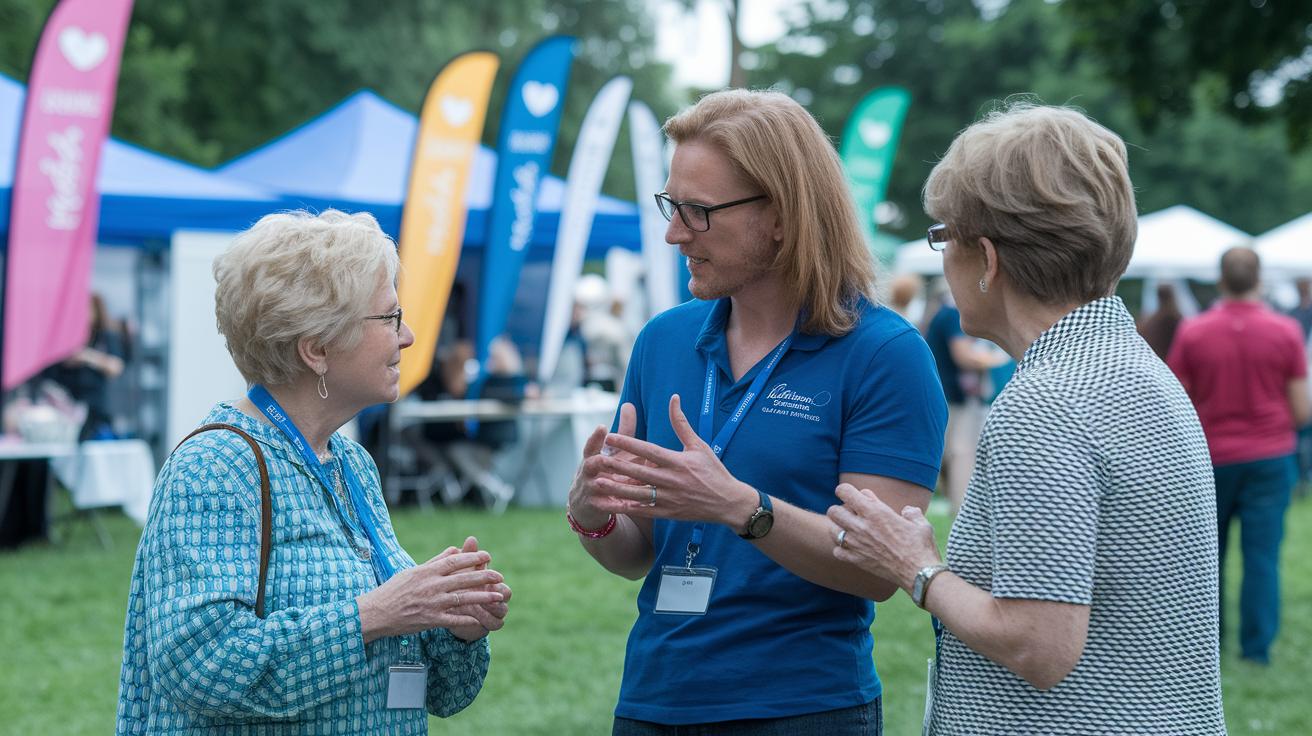
Building a community-based preventive care program means tuning into local values and making health education feel relatable. It’s all about blending hands-on experiences with smart, expert advice to keep things real and sustainable.
- Work closely with community leaders. They share local insights and help build trust. For example, a local figure organizing a health fair can really tailor a program to fit neighborhood needs.
- Invite residents to help shape the program. When people join in on decisions, the ideas naturally match local customs. Think about communities coming together for self-management classes that empower everyone involved.
- Mix up the way you teach. Try hosting both online gatherings and in-person workshops covering topics like quitting tobacco, easy healthy cooking tips, and keeping our air clear. This way, you’re reaching far and wide.
- Keep your team learning with regular training. Ongoing sessions help everyone stay up-to-date with new health strategies and simple, practical ideas.
- Always ask for feedback. Chat with people before and after events so you can fine-tune your plans and see real improvements.
- Borrow ideas from programs that have already worked. For instance, techniques from groups like the Diabetes Association of Atlanta can serve as a handy blueprint for making community programs both effective and lasting.
Overcoming Funding and Sustainability Challenges in Community-Based Preventive Care Programs

• Grants from local and federal sources
• Allocations from local government budgets
• Nonprofit partnerships pooling community support
• Private donations and philanthropic contributions
• In-kind support from local businesses and organizations
Building steady revenue streams means mixing these funding options so community care programs can thrive over time. Local boards, dedicated staff, and active coalitions join forces to chase grants and secure consistent government support. They share clear reports and simple data, like more people getting screened or fewer cases of chronic illness, to win over donors. This ongoing effort covers costs for outreach, staff training, and the essential health resources everyone needs.
Partnering with community leaders is key for long-lasting success. By working together with local nonprofits, private contributors, and community figures, programs can draw on a wide range of funding. These partnerships not only bring in money from different sources but also boost public health projects and refine preventive services. Sharing ideas and expenses helps community care stay flexible and strong even when funding gets tight.
Evaluating Impact of Community-Based Preventive Care Programs

Good evaluations keep community health programs on course by showing us what works and where tweaks are needed. We gather numbers and personal stories alike to build a complete picture of change. Often, we mix honest feedback with clear data so you can see everything from participation rates to shifts in daily habits.
The evaluation process is all about collecting detailed feedback using a few different methods:
-
We run surveys with teenagers before and after program events. These surveys help us notice shifts in health behaviors and attitudes, as when you see a clear jump in fitness levels or a drop in tobacco use.
-
We also chat with parents from substance-misuse workshops in one-on-one interviews. These heart-to-heart talks uncover real-life stories about how programs are changing family routines and support systems, giving context to the numbers.
-
We keep a close eye on event attendance by tracking participation rates. Watching who shows up at health fairs or workshops offers clear evidence of community engagement. Spotting trends over time tells us which outreach methods truly click.
-
Lastly, we dive into health metrics like blood pressure, weight, or overall activity levels. These numbers are prime markers of success. Research from organizations like NIDA and SAMHSA backs up how these improvements can help cut down on risky behaviors.
Mixing personal accounts with straightforward data helps us get a well-rounded view of a program’s impact. This balanced approach makes it easier to fine-tune efforts and build healthier communities.
Scaling and Implementing Community-Based Preventive Care Programs

First, get your community on board. Chat with local leaders, neighbors, and health experts about how they can support and cheer on your project. Their encouragement helps build a strong foundation from the start.
Next, try out a smaller version of your program before taking it big. Running a pilot project lets you gather real feedback and see what works best. This step makes it easier to make improvements later on.
Learn from programs that have worked well already. Look at examples like the REACH Council in Johnson County, Texas. By studying these models, you can adjust the plan to fit local traditions and needs. It’s like taking a good recipe and adding your own special ingredients.
Consider partnering with schools by integrating school-based clinics. Merging health education with everyday care at school helps kids and families pick up healthy habits naturally. This approach makes wellness a part of daily life rather than a separate task.
Team up with local government and community groups to form municipal alliances. Working together boosts efforts in controlling diseases and ensures the smooth sharing of resources. It also means that health becomes a joint community responsibility.
Bring in community coalitions by inviting local nonprofits, volunteer groups, and residents to share their thoughts and help roll out the program. When everyone pitches in, the project grows stronger and more connected to the area.
To copy this success in new districts, clear planning and strong partnerships are key. Start with conversations among key players and use pilot testing as a chance to learn. Every new launch should capture the local spirit and meet real community needs. By adapting models that have already sparked wellness, communities can create partnerships that extend health benefits well beyond the initial program. When schools, city bodies, and local organizations join forces, preventive care becomes more than just a plan, it turns into an essential, everyday part of community life.
Final Words
In the action, the blog explored how community-based preventive care programs mix individual tactics with community engagement. It highlighted core program benefits, real-life examples, best practices, funding challenges, impact evaluations, and steps to scale initiatives. Each section pointed to practical ways to boost wellness and promote healthier living in our neighborhoods. The tips provided empower any community to embrace science-backed, accessible solutions. Moving forward, let’s stay inspired and turn these insights into everyday health wins!
FAQ
What are community-based prevention programs?
Community-based prevention programs are local health initiatives that involve residents in education, screenings, and outreach to prevent health issues before they start.
What are examples of community-based health programs and interventions?
Community-based health programs include projects such as local health fairs offering free screenings and vaccinations, diabetes self-management courses, and mental health education sessions that empower residents.
How do community-based interventions support mental health?
Community-based interventions support mental health by providing accessible mental health screenings, education, and peer support groups that reduce stigma and promote overall emotional well-being.
What might a list of community-based programs include?
A list of community-based programs typically features diverse efforts like prevention initiatives, educational workshops, outreach events, and coalition-led activities that collectively promote community wellness.