
Have you ever noticed that slowing down during your workout might actually help you build stronger muscles over time? Slow strength training means taking your time with each move, letting your muscles stretch and contract in a smooth, safe rhythm. Imagine easing into a squat slowly, feeling each moment as your muscles engage like a gentle, well-paced dance.
This approach helps you work hard without pushing too much too fast, ensuring you keep your form right while you build strength. Next, we'll explore how steady, deliberate motions can create lasting muscle gains and make your workout safer and more effective for everyone.
Slow Strength Training Empowers Timeless Muscle Gains

Slow-motion strength training uses a controlled resistance method that focuses on slow muscle lengthening (that’s when your muscles stretch) and careful contraction (when they shorten). Think about lowering into a squat over 3–5 seconds and then rising in 2–3 seconds. Each smooth, deliberate move gives your muscles a great workout and has been trusted by thousands over more than 20 years.
Compound moves that work several large muscle groups are the core of this training style. They make your workouts more efficient and help protect you by reinforcing proper form. Imagine doing a chest press where you pause for a moment at the bottom before pushing up steadily. When you slow down your reps, your muscles feel more tension, which can boost strength even after you’re done exercising.
This super-slow lifting technique is based on the idea of using just the right amount of exercise for the best results without overloading your body. A typical routine might start with a warm-up, then move into slow squats, controlled chest presses, and deliberate rows, all with a strong focus on maintaining form. This method not only builds muscle strength and endurance but also helps you burn extra calories after your workout.
Picture each move as a rhythmic, focused dance, slow, steady, and powerful. By choosing quality over quantity, you create a safer and more effective workout that improves both muscle tension and joint stability.
Key Benefits of Slow Strength Training for Muscle Growth and Joint Safety
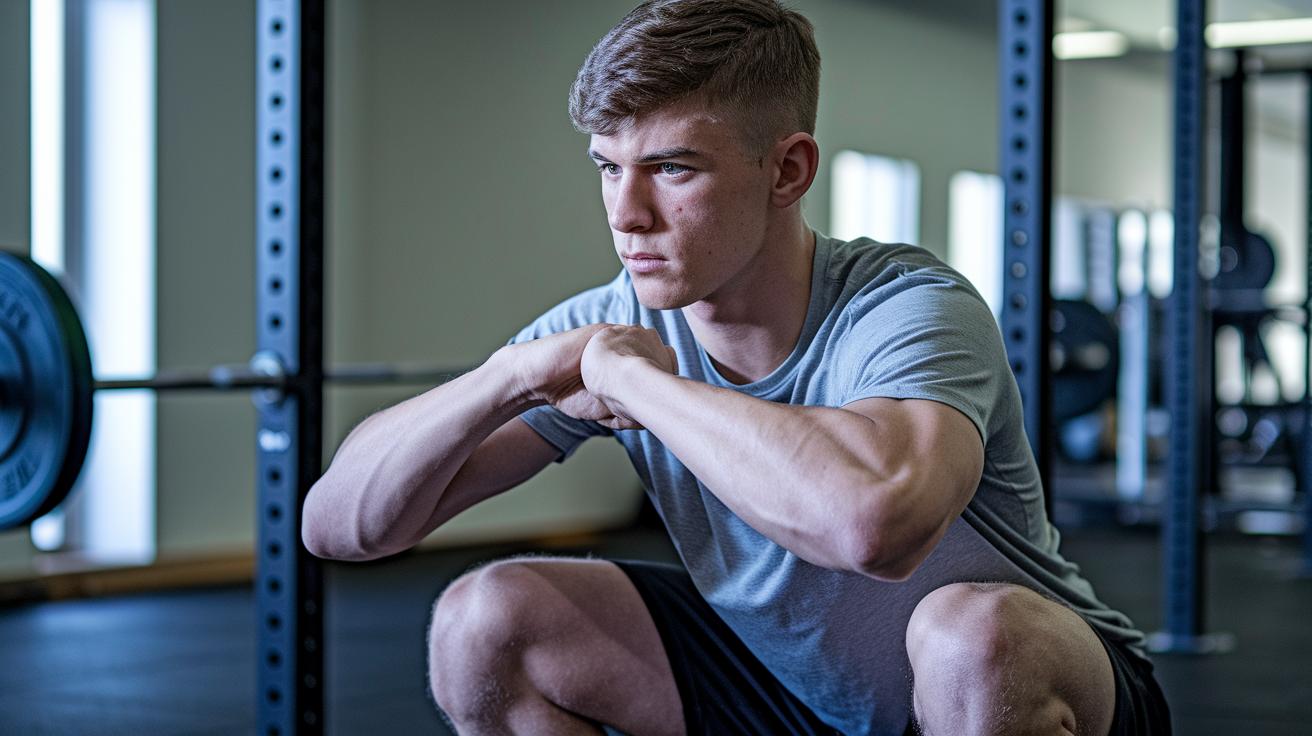
Imagine working out where every movement is intentional and deliberate. When you spend about 1.7–3 seconds on both the lowering and lifting phases, your muscles really feel the burn, and your body keeps burning calories even after you finish. Picture yourself sinking slowly into a squat over three seconds, then rising with control. This careful pace not only challenges your muscles but also takes care of your joints.
Keeping a steady rhythm in exercises like chest presses means you can nail the proper form while engaging several muscle groups at once. It helps cut back on rushed, off-balance moves that might lead to injuries. Plus, this measured tempo can boost your endurance, making your entire workout more efficient compared to quick, one-second motions that mostly spike your heart rate.
- More muscle activation
- Better joint stability
- A boost in calories burnt after exercise
- A more efficient workout experience
Proper Rep Tempo and Technique in Slow Strength Training

Start your workout by focusing on rep routines that make every movement count. If you're new to slow strength training, or getting back into it, begin with a controlled sequence. Picture lowering into a squat over 3 to 5 seconds. That slow phase is when your muscles stretch and build stability. Then, take a quick pause before rising steadily in 2 to 3 seconds. Think of it like carefully placing a delicate vase on a table and then lifting it with the same care.
For athletes looking to boost power, switching up the tempo can really change the game. In explosive exercises, keep the entire rep between 4 and 8 seconds, with the lift taking less than 3 seconds. Imagine a fast, precise burst of energy, a bit like a well-timed dance move that still keeps your muscles engaged the whole time.
If muscle growth is your goal, keep pushing your sets until you truly feel the burn. In these workouts, rep tempos can range from a quick 0.5-second move to a slow 8-second repetition. Here, it's not so much about watching the clock as it is about challenging your muscles to go until they’re completely spent. It’s like asking your body to give its very best in every fiber.
Above all, maintaining proper form is key to preventing injuries. Stay focused on controlling your muscles with every rep, letting deliberate movements guide your workout. This careful approach not only builds strength but also protects your joints, making slow strength training a smart and sustainable choice.
Sample Slow Strength Training Workouts for Home and Gym Settings

Start your workout with a good warm-up. Then, mix together home-friendly exercises with some slow, careful equipment drills. A typical plan might include bodyweight moves and exercises using machines so you can enjoy the benefits of controlled movements whether you're at home or at the gym.
Try slow squats by lowering yourself for 5 seconds and then coming up in 3 seconds. Picture yourself sinking down gradually, feeling every muscle work until you reach your limit. At the gym, you might use the chest press machine with a 4-second slow descent followed by a 2-second lift. This steady pace safely challenges your muscles.
Slow push-ups are another great move for your home routine. Lower your body over 4 seconds and then push back up in 2 seconds. This careful motion builds strength, helps you keep good form, and supports your joints. You can also use resistance bands for slow rows, or try cable machines for controlled lat pulldowns, making sure every move creates muscle tension.
| Exercise | Tempo | Reps/Sets | Settings |
|---|---|---|---|
| Slow Squats | 5 s eccentric / 3 s concentric | 6–8 reps to failure, 1–2 sets | Home or Gym |
| Machine Chest Press | 4 s / 2 s | 8 reps, 1–2 sets | Gym |
| Slow Push-ups | 4 s down / 2 s up | 6–8 reps to failure, 1–2 sets | Home |
| Slow Rows/Lat Pulldowns | Controlled pace | 6–8 reps, 1–2 sets | Gym |
Plan to do a full-body slow strength session twice a week. With each exercise, push your muscles until they feel truly tired. Think of these routines as a balanced mix of careful, slow bodyweight moves and equipment drills that are designed to help you build lasting strength wherever you choose to train.
Progression Strategies, Periodization, and Recovery in Slow Strength Training
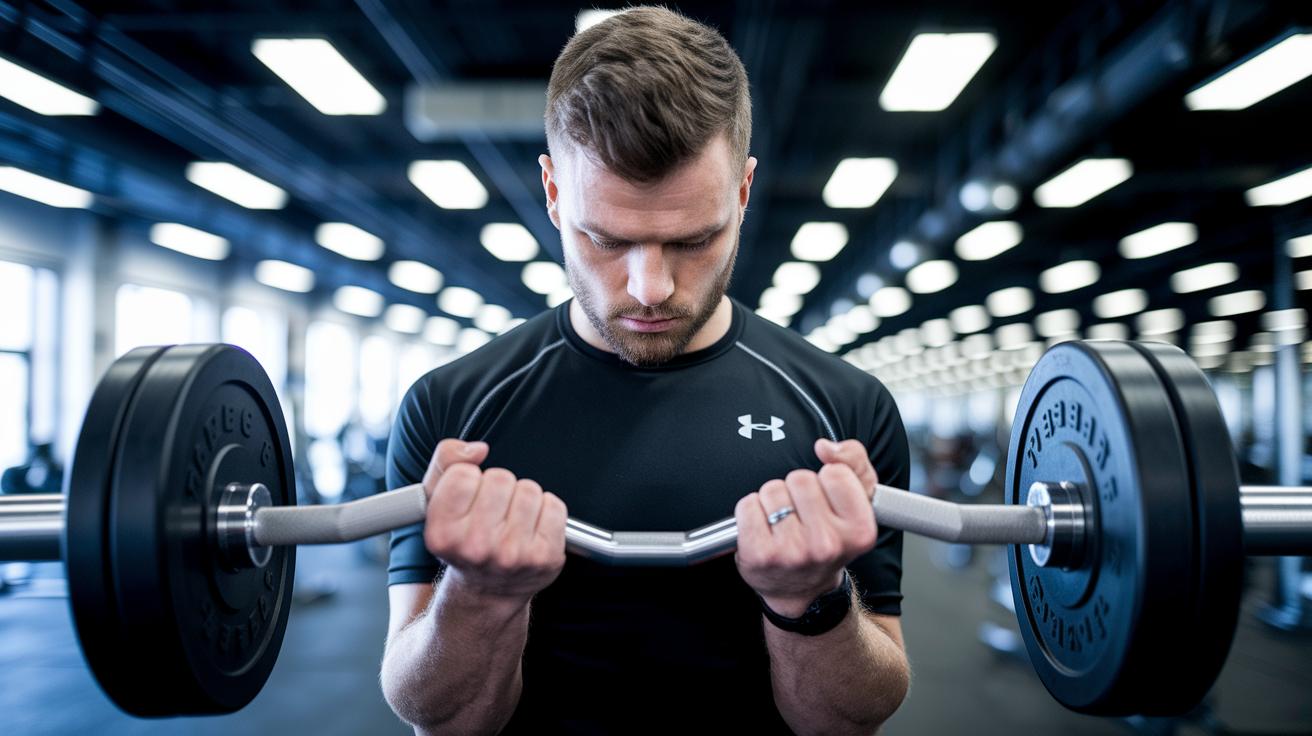
When you’re ready to level up your slow strength training, having a solid plan makes all the difference. Start by adding about 5% more weight once you can comfortably complete 8 controlled reps with the right tempo. This steady increase challenges you without letting your form slip.
Imagine trying a 4-week cycle where one week is dedicated to super-slow, deliberate movements, and the next week brings a more moderate pace. It’s like alternating between a careful, graceful dance and a brisk, rhythmic beat, each style gives your muscles a new twist, keeping things fresh and effective.
Pay close attention to how your body feels. Giving yourself 48 to 72 hours of recovery between sessions lets your muscles repair and build strength, just as they should. Adding some active recovery, like light stretching or a gentle walk, is like giving your body a little breather after an energetic performance.
Remember these key points:
- Increase weight by 5% once you achieve 8 reps with steady control.
- Use a 4-week cycle that mixes super-slow and moderate-tempo workouts.
- Allow 48–72 hours of rest between sessions.
- Include active recovery techniques like stretching and light cardio.
This approach follows the idea of the minimum effective dose, meaning you push your limits just enough to build strength without overdoing it. Keep checking in with how you feel, and adjust your routine as needed to stay safe and effective.
Advanced Slow Strength Training Strategies and Common Pitfalls

Experienced strength trainers often mix slow, medium, and fast rep tempos to boost muscle explosiveness, endurance, and overall balance. Changing up your rep speeds gives each move a fresh twist, keeping your muscles on their toes and ready to adapt. One simple idea: start with a slow, controlled phase while your muscles lengthen, then quickly shift to a faster phase as they contract, like switching between a calm, deliberate step and a quick burst of energy.
But be careful, small mistakes can set you back. For example, pausing too long during the tightening phase can cause you to lose muscle tension. And if your muscles completely relax during stops, it can throw off your form and increase the risk of injury. The key is to keep your transitions smooth and maintain proper alignment to protect your joints.
- Avoid long pauses during the muscle-tightening phase that drop tension
- Keep control during each transition to prevent slips
- Focus on steady form to keep your joints safe
By following these execution-focused tips and ensuring that every movement is done with joint safety in mind, you can keep progressing and build your strength without risking injury. This smart mix of tempos creates a routine that consistently boosts your muscle gains over time.
Final Words
In the action, slow strength training offers a practical way to build strength while keeping joint safety in check. The article walked through key techniques, clear rep tempos, and sample workouts designed for any space. It shared smart progression tips and warned against common pitfalls so you can keep your training efficient and safe. Enjoy putting these science-backed tips into practice and feel confident with every controlled rep you take toward better overall wellness.
FAQ
What do slow strength training PDFs usually cover?
Slow strength training PDFs explain how to perform movements slowly and safely. They typically include techniques, rep timing guides, and routines that help build muscle while lowering injury risks.
How can I practice slow-motion strength training at home, and is it suitable for beginners and seniors?
Slow-motion strength training at home is accessible for beginners and seniors. Simple routines emphasize slow, controlled movements to improve muscle engagement and safety during exercise.
Where can I find slow strength training classes near me?
Search local gyms and community centers for programs focused on slow, controlled resistance exercises. These classes provide expert guidance to help you exercise safely and effectively.
What are the benefits of slow strength training?
Slow strength training boosts muscle tension, improves form, and enhances joint safety. It also increases post-workout calorie burn, making your exercise routine both efficient and injury-resistant.
Does slow weight training work for muscle building?
Slow weight training works by maximizing the time your muscles are under tension. This controlled method effectively builds muscle strength and endurance without stressing your joints.
What is the 3-3-3 rule in gym training?
The 3-3-3 rule involves a 3-second lowering phase, a 3-second pause, and a 3-second lifting phase. It ensures constant muscle engagement, helping you maintain control throughout each rep.
Is it better to strength train fast or slow?
Both fast and slow strength training have merits. Slow training focuses on precision and safety, maximizing controlled muscle engagement, while fast training can boost heart rate and explosive strength.