
Ever wonder if your living room could be your new workout space? With bodyweight training, you use your own strength instead of pricey gym equipment to build muscle and boost endurance. Simple moves like push-ups and squats tap into your natural resistance (that is, using your own body weight) so you can get stronger without battling crowded gyms.
This approach fits easily into even the busiest schedules, allowing you time to recover and steadily improve. So, are you ready to give your routine a refreshing burst and see real progress from the comfort of home?
How to Start Bodyweight Training at Home Today
Bodyweight training uses your own body to build muscle, so you don’t need any costly equipment. It’s a great way to work out at home, even if your space or schedule is tight. Imagine doing a few push-ups or squats in your living room, no gym needed! This type of training helps you develop strength, balance, and endurance through natural resistance.
Try aiming for workouts 2 to 4 times a week. Giving your muscles at least 48 hours of rest between sessions helps them recover and grow stronger. That recovery time is key to avoiding burnout and keeping you ready for more. Even if you’re new to exercise, sticking to this plan keeps your progress safe and steady.
You can also tailor your workout duration to suit your day. On hectic days, a quick 10-minute routine with lively, heart-pumping moves might be perfect. On other days, you might enjoy a longer 20- or 30-minute session that mixes strength and flexibility exercises. Switching between shorter and longer sessions helps create a balanced, flexible routine that fits right into your lifestyle.
Essential Bodyweight Strength Exercises for Home Workouts

These moves are handpicked for their power to help you build strength and improve balance using just your own body. They each work on different muscle areas, boost your stability, and build endurance, ideal for anyone new to bodyweight workouts.
- Push-up: Start in a high plank with your shoulders lined up right over your wrists. Slowly lower yourself down as you feel your chest and arm muscles working.
- Forearm plank: Keep your body straight from head to heels and squeeze your core tight to build rock-solid stability.
- Bodyweight squat: Stand with your feet a bit wider than your hips and your toes pointed out at about 45 degrees. Then lower your hips like you're about to sit in a chair.
- Jumping jack: Spread your arms and legs wide in a controlled way to get your heart pumping and muscles moving.
- Mountain climber: In a plank position, bring your knees quickly toward your chest, one at a time, keeping your core engaged to boost your endurance.
- Burpee (step-back modification): Instead of hopping back, gently step back from your squat. This cuts down on impact while still working your whole body.
- Hip bridge: Lie on your back with your heels about 6–8 inches from your glutes, then lift your hips upward and squeeze at the top.
- Single-leg deadlift: Stand on one leg, hinge forward at the hips, and extend your other leg straight back. This challenge builds balance while strengthening your lower body.
Mix and match these exercises to create routines that really work your whole body. You can even blend high-intensity moves with strength-focused ones, say, following a set of mountain climbers with a few hip bridges, to keep things exciting and effective. Have fun experimenting by grouping two or three exercises into a short circuit that fits your personal fitness journey.
Structuring Bodyweight Circuits and HIIT Routines at Home
Working out at home can be both fun and effective. Bodyweight circuits and HIIT use quick bursts of activity to challenge your muscles, but they each have their own style. In a circuit, you move from one exercise to the next with a short break in between. This method lets you work different muscle groups one after the other. HIIT, which stands for high intensity interval training (short bursts of effort to get your heart pumping), focuses on quick, powerful moves that take your heart rate through the roof. It can even double as an aerobic workout when done as fast cardio intervals. (If you want to know more, check out what is hiit workout or learn about aerobic exercise at home for some extra tips.)
Here are two simple routines you can try:
-
3-Exercise Full-Body Circuit
Try doing push-ups, bodyweight squats, and jumping jacks. Do each exercise for 30 seconds, then take a 15-second break before moving on. Repeat the set three times. This routine helps build strength, balance, and coordination all at once. -
5-Exercise 10-Minute HIIT Sequence
Give mountain climbers, a step-back burpee modification, high knees, plank jacks, and skater hops a try. For each move, work at your maximum effort for 30 seconds and then rest for 15 seconds. Cycle through all five exercises to really boost your heart rate and work your muscles hard.
Remember, timing and rest make all the difference. A beginner might start with three circuits in a 20-minute session, but you can always mix it up. On busy days, even a 10-minute HIIT session can pack a punch, while longer sessions, like 20 or 30 minutes, let you dive deeper into either strength or cardio. Short breaks not only keep you moving but also help you push your body safely.
Progressions and Modifications in At-Home Bodyweight Training
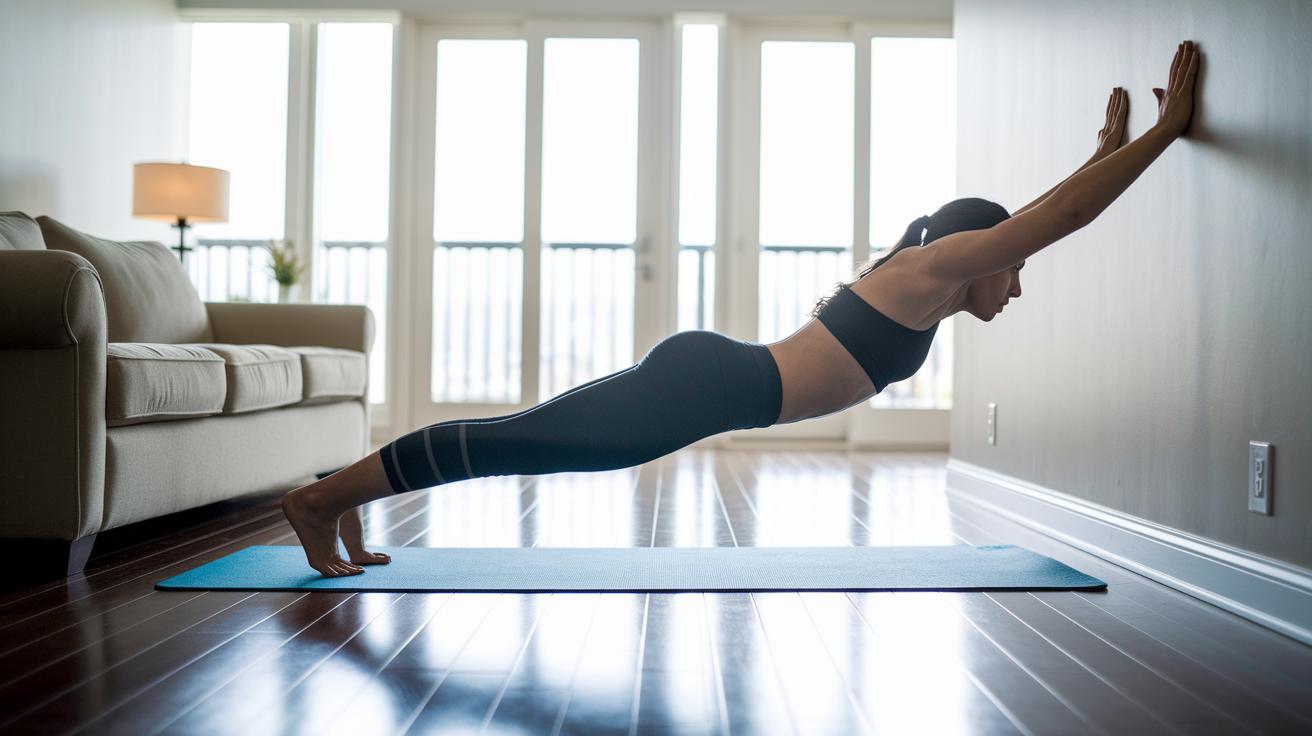
Progressions are key to making your workout both safe and challenging. Everyone starts at a different level, and small modifications allow you to gradually build strength without risking injury. Think of it like tuning an instrument to get that perfect note. For example, you might kick off your routine with a wall push-up to create a solid foundation before advancing to a standard push-up. This steady increase helps you use your own bodyweight to grow stronger over time.
| Modification | Progression |
|---|---|
| Wall push-up | Standard push-up |
| Knee push-up | Incline push-up |
| Assisted squat | Pistol squat |
| Step-back burpee | Full burpee |
Scaling your routine gives you the freedom to choose moves that match how you feel on a given day. Experimenting with these gradual changes not only keeps your workouts fresh but also steadily builds your strength and coordination step-by-step. This flexible approach helps you safely work towards more challenging variations while enjoying every step of the journey.
Programming Reps, Sets, and Weekly Schedules for Bodyweight Training at Home
Mapping out your reps, sets, and weekly routines can turn a simple bodyweight workout into a carefully planned strength builder that fits even the busiest calendar. When you have a set goal for your workout, it's easier to measure progress and steadily push yourself. For example, if you want to build strength, try doing 3 or 4 sets of 8 to 12 reps. This allows your muscles to get a good workout and recover properly. But if you're all about endurance, go for 2 or 3 sets of 15 to 20 reps. This keeps your heart pumping and your body moving throughout.
Taking a short break between sets, usually 30 to 60 seconds, helps your muscles catch their breath so you don’t lose momentum. This clear plan means whether you are focusing on strength, endurance, or even fat loss, you get solid guidance that you can tweak as you improve.
| Goal | Sets | Reps | Rest |
|---|---|---|---|
| Strength | 3–4 | 8–12 | 30–60 sec |
| Endurance | 2–3 | 15–20 | 30–60 sec |
| Fat Loss | 3–4 | 10–15 | 30–60 sec |
A simple way to fit these workouts into your week is to plan full-body sessions on Monday, Wednesday, and Friday. On the other days, take some time for mobility work or active recovery. This keeps your muscles strong and ready for more challenging exercises without feeling overwhelmed.
By following this structured plan, you can enjoy the benefits of a well-rounded routine. It not only builds strength but also helps your body adapt gradually so you stay motivated and see real progress. Enjoy your workout journey and the positive changes that come with it!
Warm-Up, Cool-Down, and Safety Tips for Home Bodyweight Workouts
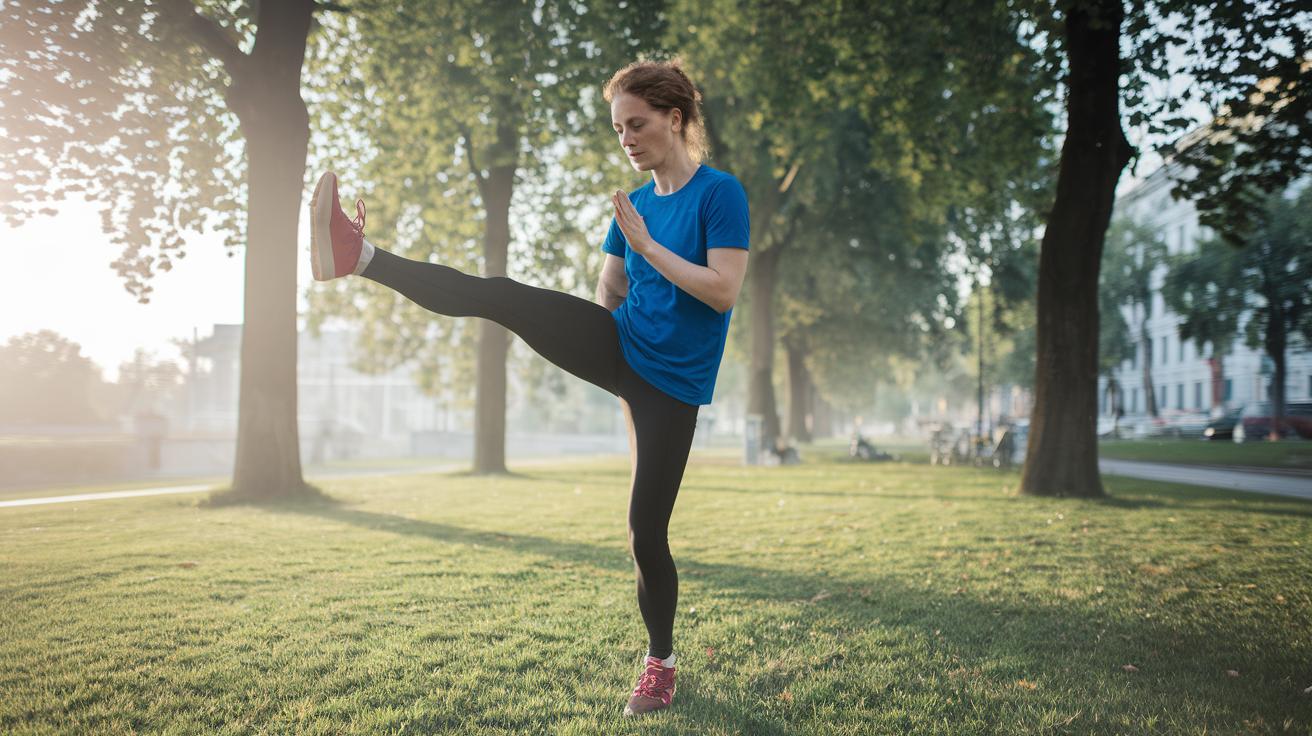
Kicking off your workout with a good warm-up is a smart move. It gently wakes up your body, raises your heart rate, and increases blood flow, all while getting your muscles and joints ready for the action ahead. I always say a thoughtful warm-up sets you up for a solid, injury-free workout.
- High knees – quickly lift your knees as if you're running in place.
- Arm circles – swing your arms in slow, big circles to help loosen your shoulder joints.
- Leg swings – move each leg forward and backward to get your hips warmed up.
- Hip openers – rotate your hips with wide, deliberate motions.
- Shoulder rolls – roll your shoulders forward and backward to ease any tension.
Cooling down after your workout is just as important. It helps your heart rate slowly return to normal and eases muscle stiffness, reducing the chance of soreness later. A few targeted stretches go a long way in calming the muscles that worked hard.
- Quads stretch – gently pull your foot toward your butt to stretch your front thigh muscles.
- Hamstrings stretch – extend your leg and reach for your toes to give your back thigh a good stretch.
- Glutes stretch – cross one ankle over the opposite knee and lean forward to release tension in your butt muscles.
- Chest stretch – open your arms wide and press your palms against a wall to stretch your chest.
- Back stretch – try a gentle forward bend or a seated twist to relax your back.
By keeping your movements controlled and paying attention to your form during both the warm-up and cool-down, you'll keep your muscles engaged and your joints safe throughout every exercise.
Key Benefits of Bodyweight Training at Home
Recent hints from science suggest that quick, intense bodyweight exercises can help boost your endurance and speed up recovery. One study showed that just 15 minutes of high-intensity interval training (HIIT, short bursts of energy with breaks) three times a week improved participants' heart health by almost 20% in just one month. It’s pretty amazing to think that even beginners saw clear gains in stamina after a month of these focused sessions.
Home workouts using your own body weight can match traditional gym routines in burning fat and keeping you consistent. Many folks find that the variety of equipment-free circuits keeps their workouts interesting and fun. One fitness friend even shared, "Switching to a structured home routine not only saved me money but also led to measurable fat loss and boosted my energy levels in just a few weeks." This shows how tweaking your daily routine can pave the way for sustainable progress.
Final Words
In the action, you discovered the ease of bodyweight training at home. You learned how to start with simple, equipment-free moves and designed a plan with varying session lengths, rest days, and safety tips. The guide walked you through essential exercises, circuits, HIIT routines, and scalable modifications. Every tip aimed to help you build strength and boost well-being in a way that fits your lifestyle. Enjoy putting these ideas into practice, and feel good knowing you're setting up a strong, healthy foundation.
FAQ
What does bodyweight training at home without equipment involve?
Bodyweight training at home involves using your own body for resistance. Exercises like push-ups, squats, and lunges help build strength and flexibility without any extra gear.
How can I access a bodyweight workout plan PDF for beginners?
A bodyweight workout plan PDF for beginners provides structured routines and detailed instructions designed to help you safely establish a strength and endurance training program at home.
Is 20 minutes of bodyweight workout enough for a complete session?
Twenty minutes can form a solid workout when exercises are executed at high intensity with proper form, offering benefits like strength building, endurance, and calorie burning.
What does the 3-3-3 rule mean in gym workouts?
The 3-3-3 rule means completing three sets of three different exercises in a circuit. This approach targets various muscle groups efficiently for a concise and effective strength routine.
What does the 6-12-25 rule represent in workouts?
The 6-12-25 rule represents using varied rep ranges to hit different training goals—six reps for strength, twelve for muscle growth, and twenty-five for endurance in your exercise routine.
Can you build muscle at home with bodyweight exercises?
Building muscle at home is achievable with bodyweight exercises like push-ups, planks, and burpees. Increasing difficulty gradually challenges your muscles, promoting growth and strength over time.