
Have you ever noticed that what you eat might be the key to a lasting energy boost? Instead of reaching for processed foods, imagine treating yourself to fresh, natural options that your body truly craves.
Think of biting into a crisp apple or savoring a bowl of whole grains that gives you a refreshing burst during your busy day. These simple, wholesome choices not only fuel your body but also brighten your mood and keep your mind sharp.
This guide is all about making small, easy swaps that add up to big, healthy rewards. With straightforward steps and clear benefits, clean eating transforms your daily meals into moments of nourishment and joy, helping you live a healthier, more energetic life.
Clean Eating Guide: A Fresh Start
Clean eating is all about choosing foods that are as natural as our bodies were made for. You pick fruits, vegetables, lean proteins, whole grains, and healthy fats that nourish you rather than weighing you down with extra additives. It’s a simple plan that builds on what nature gives us.
Imagine walking through a farmers market, bright fruits, crisp vegetables, lean cuts of meat, and real, whole grains, all lined up with aromatic natural spices. Even an apple can pack more fiber than a processed snack, giving you a refreshing burst that feels both energizing and satisfying.
You don’t have to change everything at once. Start small by swapping out one processed item for a whole food alternative. Over time, these little shifts add up. Before long, you’ll find that a clean eating routine fits naturally into your life, helping you feel nourished and energized day after day.
Clean Eating: Key Health and Nutritional Benefits

Choosing clean eating means you’re not just feeding your body, it’s like giving your mind a splash of energy too. When you pick whole, unprocessed foods, you naturally boost your heart health, sharpen your brain, and keep your energy levels steady. It feels great to notice that filling meals made of nutrient-packed foods help you stay full longer, making it easier to manage your weight in a balanced way.
Have you ever thought about what too much salt or added sugars might do? A 2018 study by Siyi Shangguan found that over 40% of American adults struggle with high salt and sugar intakes. This shows us how important it is to cut back on processed foods. Cleaner eating can help steady your blood sugar, strengthen your immune system, and clear your mind. Imagine starting your day with the refreshing burst of a well-balanced meal that keeps you going strong from morning to night.
By mixing in a variety of vegetables, lean proteins, and whole grains, you’re not only treating your taste buds but also creating meals that deliver steady energy. These little changes in your daily choices can add up to big improvements in both your day-to-day function and overall long-term health. It’s all about creating a lifestyle that supports both a happy body and a bright mind.
Starting Your Clean Eating Guide: Practical First Steps
Switching to clean eating isn’t something that happens all at once. Instead of a dramatic overhaul, try making little changes that add up over time. Think of it like building a mosaic, one small, colorful piece at a time. For instance, did you know that before Jamie Oliver became a renowned chef, he opted for fresh fruit instead of processed snacks and felt more energetic throughout the day?
Start by setting clear, personal health goals. Whether you’re aiming to shed a few pounds or simply trim down on processed foods, knowing what you want makes it easier to pick the right options at the grocery store. Ask yourself, "What do I hope to achieve with each meal?" This small reflection can keep your goals in sharp focus.
Next, review what you’re eating right now. Write down the foods you love that might be too processed or full of additives, and decide which ones could be switched for cleaner alternatives. Consider trying this plan:
| Step | Action |
|---|---|
| 1 | Replace one processed food each week |
| 2 | Try making at-home versions of your favorite convenience meals |
| 3 | Keep a food diary to spot eating habits |
If your schedule is busy, planning ahead can be a lifesaver. Preparing simple, healthy options, like chopping veggies in advance or making overnight oats, ensures you always have a clean meal on hand, even on hectic days.
Finally, jot down your progress in a food journal. Tracking what you eat makes the journey personal and helps you stick to your balanced diet plan. Think of every meal as a stepping stone on your path to a more mindful and wholesome way of eating.
Clean Eating Guide: Meal Planning and Portion Control
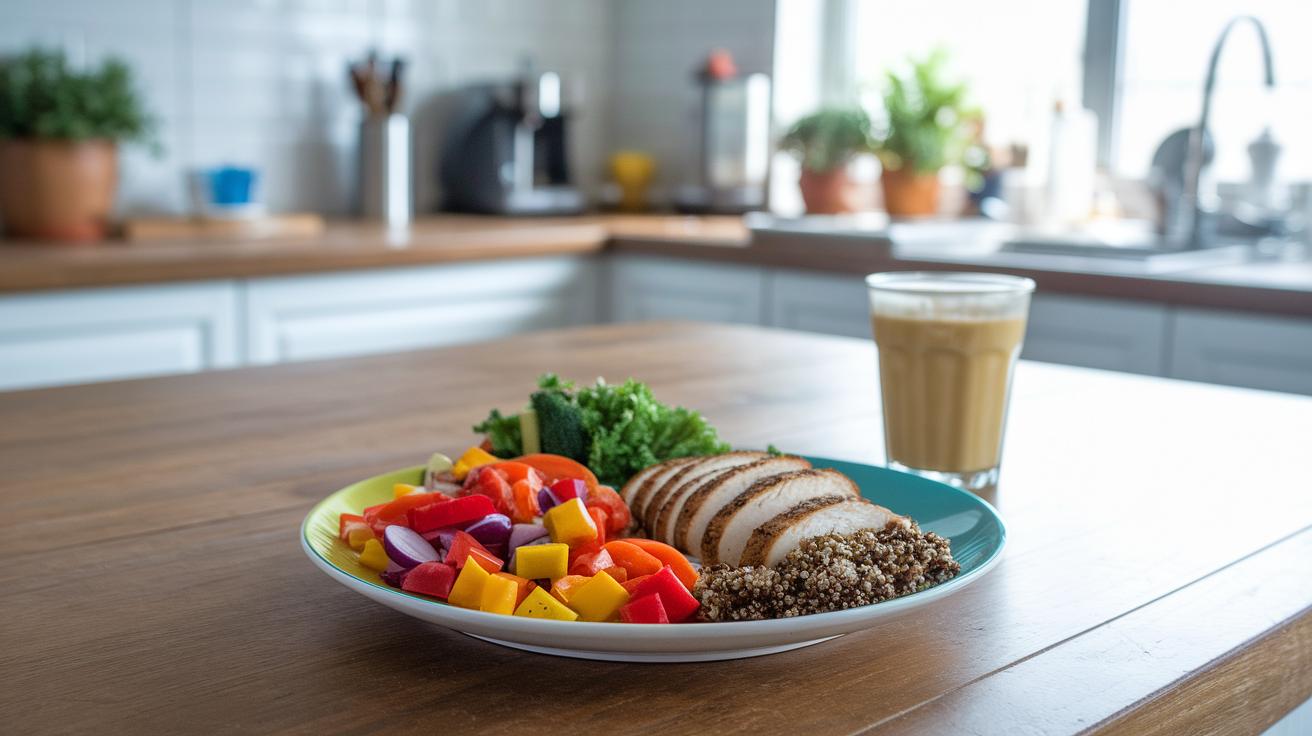
Using a simple plate model can make sticking to clean eating super easy. Fill half of your plate with bright, colorful veggies, a quarter with lean or plant-based proteins, and the last quarter with healthy carbohydrates. This way, you get a mix of vitamins, minerals, and energy to keep you feeling great. It’s like putting together a lively meal where every part has its own role.
Imagine starting your day with a hearty breakfast that includes whole grains, a protein you love, and a side of fresh fruits or vegetables. Meals planned like this help you stay full and powered through your day. For instance, the 50/25/25 plate model (sometimes called the balanced diet plate) is a handy guide that reminds you to give vegetables, proteins, and carbs the focus they deserve.
| Meal Time | Example Foods | Portion Guidelines |
|---|---|---|
| Breakfast | Oatmeal with berries and a spoonful of Greek yogurt | Half fruits/veggies, a quarter protein, a quarter whole grains |
| Lunch | Mixed greens salad with grilled chicken and quinoa | Half vegetables, a quarter lean protein, a quarter healthy carbs |
| Dinner | Stir-fried veggies with tofu and brown rice | Half vegetables, a quarter plant protein, a quarter whole grains |
| Snack | Carrot sticks with hummus | A light, nutrient-packed portion |
This method gives you a clear way to control portions and fill your plate with the essential nutrients your body needs for a vibrant, healthy life.
Clean Eating Guide to Smart Grocery Shopping
When you’re planning a clean eating trip to the grocery store, start by learning what to avoid. Take a good look at every food label, you might be surprised at the hidden additives and preservatives that sneak into everyday meals. Some mass-produced dairy items and non-organic foods can even cause a bit of inflammation in your body, so it's always worth paying extra attention.
Here are five simple tips to help guide your shopping:
- Check the labels on dairy and soy products. Choosing locally sourced or organic options helps you dodge unwanted additives.
- Skip foods made with white flour and gluten. Instead, pick whole grain options for a boost of fiber and extra nutrients.
- Avoid processed oils such as soybean, canola, or vegetable oils. Go for richer choices like extra virgin olive oil, coconut oil, avocado oil, or even ghee.
- Read through the ingredient lists to spot any artificial flavors or preservatives. If a list is long or filled with words you don’t recognize, it might be best to pass.
- If you need convenience foods occasionally, limit how often you use them. Keep them as an occasional treat alongside fresh, whole foods for the best balance.
Imagine walking down the aisles comparing two brands of almond milk. One might have far fewer additives than the other, and that small switch could give you a noticeable boost of energy throughout your day.
For a handy checklist, check out the balanced diet food list at https://nobrainertrends.com?p=389.
Clean Eating Guide: Easy Recipes and Snack Ideas

Ever thought a meal could be both simple and bursting with flavor? Imagine a sheet-pan dinner where juicy tomatoes, crisp bell peppers, and lean protein come together in a vibrant medley that’s as pleasing to the eye as it is to your taste buds.
Picture waking up to a breakfast bowl filled with colorful fruits, crunchy nuts, and a sprinkle of hearty whole grains. It’s a nourishing way to start your day that feels like a refreshing burst of energy with every bite.
Instead of reaching for calorie-packed, processed snacks, swap them for nature’s treats. Try crisp apple slices or a handful of almonds in place of chips. And if you’re in the mood for a little extra crunch, whip up some homemade hummus to enjoy with carrot sticks, it’s a combo that feeds both body and soul.
Get creative with easy recipes like veggie-packed wraps or no-bake energy bites that are as satisfying as they are simple to make. Using organic produce not only amps up the flavor but also cuts back on unwanted chemicals, letting you enjoy every meal with peace of mind.
Take a moment to really taste your food. Chew slowly and savor the natural flavors, as if each bite were part of a mini cooking show right at your table. It’s a gentle reminder that when you choose wholesome ingredients, you’re treating your body to both incredible taste and essential nourishment.
Have you ever noticed how a simple swap can transform mealtime into a moment of pure delight?
Customizing Your Clean Eating Guide for Your Lifestyle
Think of your clean eating plan as your own personal blueprint that adapts to your life. Your body knows what feels right, so trust its signals and tweak your servings and food choices as you go. Whether you lean toward vegan, vegetarian, or gluten-free options, swap in recipes that match your tastes while keeping a healthy balance in mind.
Let your personal goals shape your meals. Maybe you're looking to lose weight, boost your performance for a sport, or manage a health condition. Try out different ingredients, play around with meal timings, and explore new snacks until you discover what really works for you. Tracking your progress can help you perfect your routine over time, turning your clean eating plan into a lasting habit.
This approach encourages a wholesome way to pick meals that fit your everyday life. For more ideas, check out this resource on healthy eating and balanced diets: https://nobrainertrends.com?p=116
Final Words
In the action, we explored the core ideas of clean eating, focusing on whole, natural foods and planning balanced meals using simple strategies. We talked about the health benefits of reducing processed items, smart grocery shopping, and easy recipes that fit your lifestyle. This clean eating guide offers flexible steps to adapt the practices that support energetic days and mindful snacking, all backed by everyday health research. Keep trying new swaps and personal tweaks, and enjoy the positive changes along the way!
FAQ
How do beginners eat clean?
Eating clean for beginners means choosing whole, minimally processed foods every day. It involves gradually swapping out packaged items for fresh fruits, vegetables, lean proteins, and whole grains while adapting to your lifestyle.
What is the 80/20 rule for clean eating?
The 80/20 rule for clean eating means eating nutrient-rich, whole foods 80% of the time and allowing yourself a bit of flexibility with less strict meals 20% of the time. This approach keeps your diet balanced and enjoyable.
What can I eat when practicing clean eating?
Clean eating means opting for fresh fruits, vegetables, lean proteins, whole grains, nuts, and healthy fats. It also means minimizing refined sugars, processed oils, and artificial ingredients to support overall wellness.
What do 10 days of clean eating do to your body?
Ten days of clean eating can boost your energy, improve digestion, and sharpen focus by cutting down on processed foods and empty calories while increasing your intake of fiber and nutrients.
How do I follow a clean eating guide for weight loss?
Following a clean eating guide for weight loss means planning meals around vegetables, lean proteins, whole grains, and healthy fats. This balanced approach naturally limits empty calories and promotes steady, healthy weight loss.
What resources are available for a clean eating meal plan?
Clean eating meal plan resources include downloadable 21-day guides, food lists, and weekly planning charts. These tools provide clear recipes and portion guidelines to help you transition smoothly to a healthier diet.