
Have you ever wondered if you could build muscle without a gym? With bodyweight training, you use your own weight and gravity to work out, it's like having a natural resistance band with you all the time.
Every push-up or squat gives you a refreshing burst of strength that lights up not only your major muscles but also the smaller ones that help you stay balanced. In short, challenging yourself with bodyweight exercises can give your body a whole new energy boost.
Practical Guide to Build Muscle with Bodyweight Training
Bodyweight training lets you use your own weight and gravity to challenge your muscles. It’s a fun and effective way to work out without any fancy equipment. For instance, try doing 10 push-ups followed by 15 bodyweight squats. This simple combo wakes up both your upper and lower body, while also giving a boost to the smaller stabilizer muscles that help with everyday movements.
To keep your muscles growing, you need to push yourself a bit more over time. That’s where progressive overload comes in, gradually increasing the intensity by doing more reps, cutting down rest time, or slowing your movements to keep your muscles under tension longer. Aim for 8 to 20 reps each set and go through 3 to 5 sets. Switching up the exercises and pushing each set close to your limit (safely, of course) can help you steadily build strength and muscle.
This method works well whether you’re just starting out or you’ve been training for years. Try to work out between two to four times a week with at least 48 hours of rest between sessions. This schedule supports muscle repair and helps prevent overexertion. With clear tips on choosing exercises, resting the right amount, and gradually increasing the challenge, bodyweight training offers a practical and flexible way to boost muscle strength and revitalize your body.
Core Principles of Hypertrophy with Bodyweight Exercises
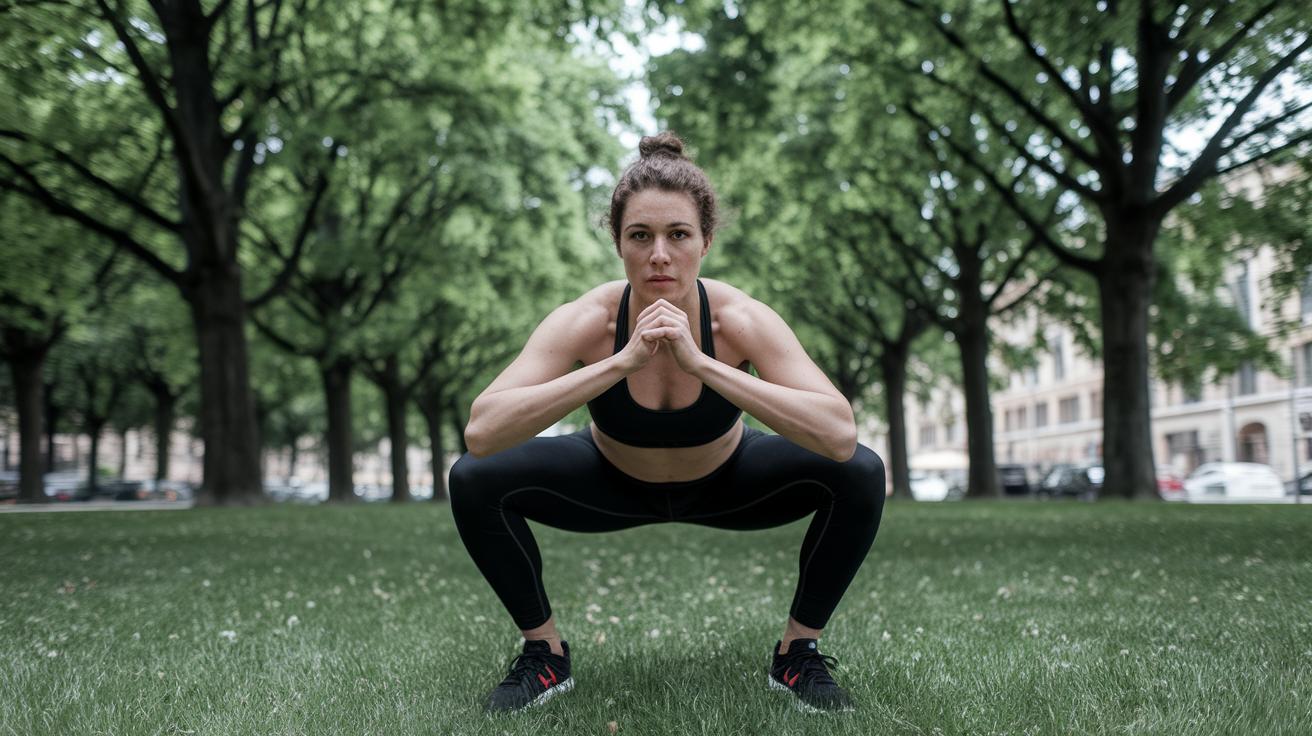
In bodyweight training, gradually increasing your reps (progressive overload) is key to building muscle. Start with a comfortable number, say, eight reps, and add one extra rep over time. This steady approach challenges both your main muscles and those important stabilizers, sending a clear signal to your body that it's time to grow stronger. Every little rep pushes you closer to noticeable gains.
Paying attention to time under tension can really boost your workout. Try slowing down your movements, especially when lowering your body (what experts call the eccentric phase), to keep your muscles engaged longer. For instance, take about three seconds to lower yourself before pushing up quickly. This deliberate pace intensifies muscle contraction and makes every rep count towards lasting strength gains.
Mixing up your exercises and using drop sets can take your training to the next level. When fatigue sets in, switching to a simpler version, like moving from standard push-ups to knee push-ups, helps keep the intensity high while continuously challenging your muscles. This change in movement not only prevents plateaus but also makes your workout feel fresh and dynamic, ensuring your body is always adapting.
Shorter rest intervals and pushing each set until you nearly hit failure can maximize your gains. Limiting rest to around 60 seconds builds endurance while keeping the workout intense. Just be sure to maintain proper form to avoid injury. This balance of effort and recovery gives your muscles the challenge they need to grow stronger over time. Every vigorous rep is a step closer to reaching your goals.
build muscle with bodyweight training: Revitalize Your Physique
Circuit training is a great way to build muscle without needing any fancy equipment. Its time-saving style keeps your workouts fast and intense while working many muscle groups at once. By moving quickly from one exercise to the next with little rest, your body stays active, which may help your muscles grow and get stronger. For example, doing push-ups followed by squats fires up your upper and lower body in no time.
Below is a sample six-exercise circuit designed to work different muscle groups:
| Exercise | Reps/Duration |
|---|---|
| Standard push-ups | 12 reps |
| Inverted rows/pull-ups | 8 reps |
| Bodyweight squats | 15 reps |
| Dips | 10 reps |
| Walking lunges | 12 reps per leg |
| Plank hold | 45 seconds |
Try doing three complete circuits of these exercises. Rest for 60 seconds between each move and take a 2-minute break between circuits to enjoy a solid full-body workout. Start with a quick 5-minute warm-up to get your heart pumping, and finish with a cool-down stretch to loosen up your muscles and boost your flexibility.
Plan to run these circuits two to four times a week with at least 48 hours of rest between sessions. This break helps your muscles repair and grow steadily. Mixing in these bodyweight moves keeps your workout fresh while steadily building strength and improving everyday function.
As you work through the circuit, focus on proper form and keep a steady, controlled pace. A brief pause between your lifting (concentric) and lowering (eccentric) movements can really boost muscle engagement. You might also try small tweaks, like changing your hand or foot positioning, to continually challenge your muscles. Over time, this approach not only builds strength but also improves your balance and coordination, making daily tasks easier. Stick with it, and you'll notice gradual improvements in your physique over the weeks.
Beginner to Advanced Calisthenics Progressions for Muscle Gain

Start with easy moves and gradually increase the challenge to give your muscles a gentle but effective workout. Begin with exercises like push-ups, bodyweight squats, and a knee plank. This simple start helps you build confidence and allows your muscles to adapt nicely before moving on to tougher variations.
For upper body strength, try different push-up styles as a way to progress. You might begin with a wall push-up or an incline push-up, which lightens the load on your arms and shoulders. As your strength grows, move on to standard push-ups and eventually explore decline push-ups to target your chest and triceps even more. I still recall my first wall push-up and how surprised I was at the difference even a small change made, your muscles really start to wake up!
Lower body workouts follow the same step-by-step upgrade. Start with assisted bodyweight squats and then switch to regular squats. With lunges, begin with an assisted version, then try forward lunges, and finally, add jumping lunges for a bit of excitement. Each step not only powers up your legs but also improves your balance and coordination.
Core stability is just as important. Start off with a simple knee plank to build basic strength, and then gradually mix in side-planks to work your oblique muscles (the muscles on the side of your core). Each stage tests a different part of your core and helps improve your overall body control as you continue to grow stronger.
Proper Form and Technique for Effective Bodyweight Muscle Workouts
Getting your form right is the key to a safe and effective workout. When you exercise, keep your spine straight, chest lifted, and your core engaged. This simple approach protects your joints and makes sure every move counts.
Push-Up Technique
For a great push-up, place your hands about shoulder-width apart. As you lower yourself, keep your core tight and let your elbows follow a natural path, not too wide and not too close. This way, you work your chest and triceps while keeping the motion smooth and steady.
Squat and Lunge Alignment
When you do squats or lunges, plant your feet firmly and watch your knees follow the line of your toes. Keep your chest up and your back straight. This alignment makes the weight feel balanced, fully engaging your leg muscles and easing pressure on your joints.
Dip Positioning
During dips, focus on keeping your shoulders lined up with your elbows. Lower yourself slowly with control, ensuring a safe and steady range of motion. This careful technique helps work your chest and triceps while supporting your shoulder stability.
Plank and Core Bracing
For planks, remember to keep your hips level, with your shoulders directly over your wrists. Hold your core tight and breathe evenly. Not only does this strengthen your abs, it also builds overall balance and back strength, setting you up for more dynamic moves ahead.
Nutrition and Recovery Strategies to Support Bodyweight Muscle Growth

Eating enough to fuel your body is the first step toward building stronger muscles. A small boost of 250 to 500 extra calories each day gives your muscles the energy they need to repair and grow after your workouts. Think of it like a construction site, each extra calorie is a brick that helps rebuild and strengthen your frame. Focusing on whole foods like vegetables, fruits, and lean proteins ensures you get the nutrients that support this process. Try tracking your meals for a few days to see if you’re naturally meeting your calorie needs, then adjust as necessary.
Getting enough protein is key for muscle repair and growth. Experts recommend aiming for 1.6 to 2.2 grams of protein for every kilogram of your body weight each day. For instance, if you weigh 70 kilograms, that works out to about 112 to 154 grams of protein. Protein is what your muscles use to mend tiny tears that happen during exercise, building new fibers in the process. Mixing up your protein sources, from dairy to meats to plant-based options, keeps your meals interesting and well-rounded.
Rest is just as important as your workout sessions. Try to get between 7 and 9 hours of sleep each night to give your muscles a chance to rebuild. Keeping well-hydrated by drinking plenty of water throughout the day can also boost muscle function and overall performance. Make sure to schedule at least 48 hours between intense workouts so your body has ample time to recover. And sometimes, adding a supplement like creatine (a natural compound that supports energy in your muscles) or BCAAs (branched-chain amino acids that aid in recovery) can give you a little extra help. This well-rounded approach lays a solid foundation for long-term strength gains.
Final Words
In the action from the guide, practical tips highlighted bodyweight training methods that help you build muscle with bodyweight training. The post broke down effective circuity workouts, progressions, proper technique, and nutrition practices. Each section served up clear strategies, from adjusting rep ranges to balancing rest and recovery. The advice feels accessible yet backed by science, inviting you to try small, impactful shifts that boost both fitness and overall wellbeing. Embrace your newfound insights and face your next workout with excitement and confidence!
FAQ
Where can I find a PDF bodyweight workout plan?
A PDF bodyweight workout plan offers a straightforward guide to building muscle using your body and gravity, complete with exercise circuits, rep ranges, and clear instructions that require no equipment.
What is a bodyweight workout program?
A bodyweight workout program uses exercises like push-ups, lunges, and burpees to challenge your muscles using only your body. It relies on your weight and gravity for resistance and promotes muscle growth through progressive overload.
How does a full-body bodyweight workout without equipment work?
A full-body bodyweight workout engages multiple muscle groups simultaneously through movements such as squats, push-ups, and planks. This method improves strength and endurance without the need for any equipment.
How can I follow a 30-day muscle building workout plan at home?
A 30-day plan at home provides a structured schedule of bodyweight exercises designed to boost muscle growth. With clear daily routines and specific exercises, you can work on hypertrophy effectively without leaving your home.
What are 7 effective exercises to build muscle with bodyweight training?
Seven effective exercises include push-ups, squats, lunges, planks, burpees, inverted rows, and dips. These movements target various muscle groups, promote balanced strength, and can be easily adjusted for progression.
Can I build muscle with just bodyweight exercises and non-weight training?
Building muscle using just bodyweight exercises is possible by applying techniques like progressive overload and controlled tempo, which enhance muscle stress and stimulate growth without traditional weights.
What is the 6-12 25 rule in bodyweight training?
The 6-12 25 rule suggests performing 6 to 12 repetitions per set while keeping about 25 seconds of tension on your muscles. This guideline aims to optimize muscle engagement and spur hypertrophy over time.
How can I get ripped doing bodyweight exercises?
Getting ripped with bodyweight exercises involves consistently challenging your muscles with varied intensity and rep ranges, while also focusing on a balanced diet and adequate recovery to support lean muscle development.
What key bodyweight exercises should I include in my training routine?
Key exercises to include are lunges, burpees, push-ups, inverted rows, and planks. Each exercise targets different muscle groups, enhancing overall strength and stability while providing a balanced workout.