
Have you ever thought that the food you eat today could brighten your tomorrow? When you're expecting, every bite truly matters.
During pregnancy, your plate becomes a vibrant canvas. A mix of whole grains, lean proteins, and juicy fruits supports both your body's needs and your baby's growth. Think of it like assembling a colorful puzzle, where every piece helps to create a complete, healthy picture.
Eating smart not only gives you a fresh burst of energy, but also builds a stronger future for both of you. So next time you sit down for a meal, remember how each nutritious choice makes a difference.
How to Achieve a Balanced Diet for Pregnant Women

When you're expecting, your body needs an extra boost to keep both you and your baby healthy. Aiming for about 2,000 calories daily, with an extra 200 calories in your third trimester, can meet these growing energy needs. It’s a bit like giving your body a little bonus to stay strong through the day.
Imagine your plate as a well-balanced puzzle. You want roughly half of your calories to come from whole grains for steady energy, 20 percent from protein to help build new tissues, and 30 percent from healthy fats for nutrient absorption and overall energy. But it’s never just about the numbers; every food group plays its part:
- Whole grains: They offer long-lasting energy and essential fiber.
- Fruits & vegetables: These colorful delights are packed with vitamins, minerals, and antioxidants that protect your cells.
- Lean proteins: They supply amino acids that help your baby’s tissues grow.
- Dairy or fortified plant milk: These give you the calcium needed to keep bones and teeth strong.
- Healthy fats: They support brain development and help absorb important vitamins.
Staying well hydrated is just as important since your blood volume can increase by nearly 50 percent during pregnancy. Drinking enough water, combined with a mix of nutrient-rich foods like legumes and vibrant fruits, ensures you get not only the macronutrients you need but also essential micronutrients like folate (a vitamin that supports cell growth), iron, and calcium.
Every bite you take now helps fuel a strong, vibrant future for both you and your baby. Have you ever noticed how a small change in your eating habits can make you feel more energetic and ready to take on the day?
Trimester-Specific Balanced Diet Chart for Pregnant Women
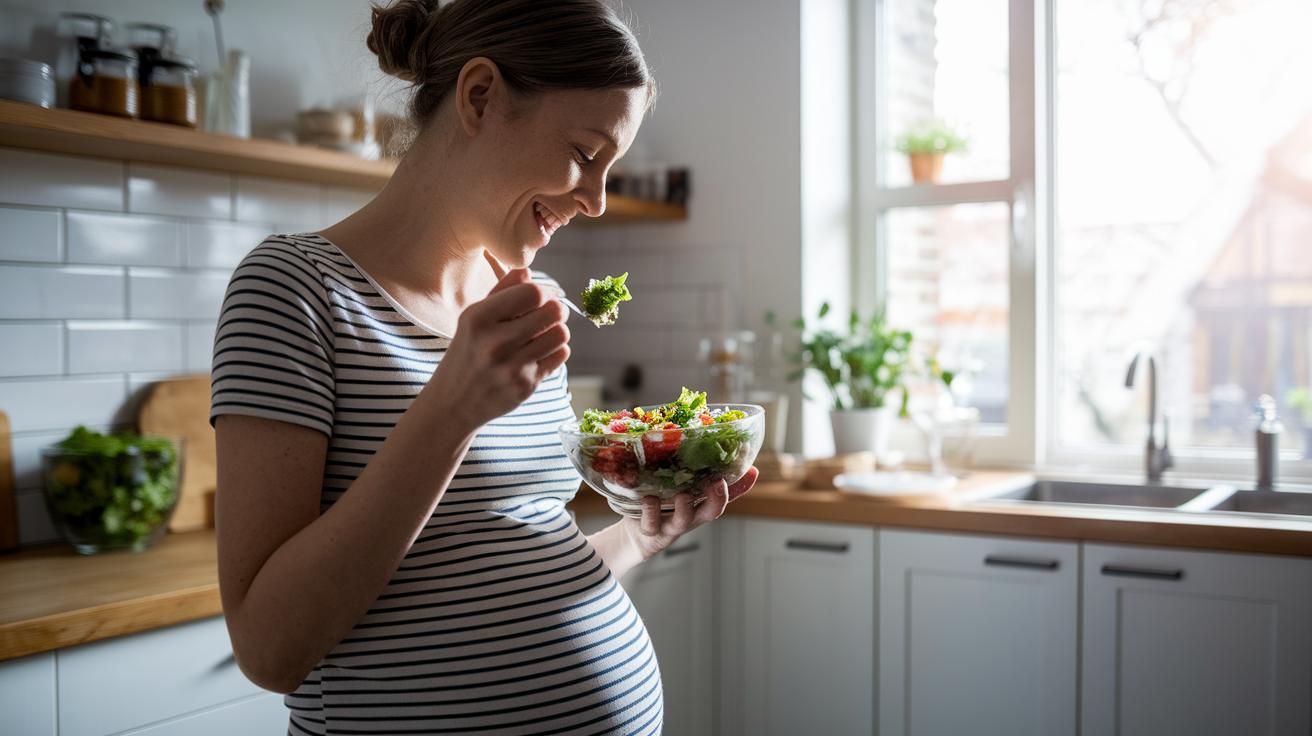
Pregnancy is full of changes, and your body’s needs change too. In the early days, you might not feel like eating much if you’re feeling nauseous. By the second trimester, your body craves more protein to help build new tissue. And in the final trimester, a boost of healthy fats is a real treat as your baby grows fast and your energy needs rise.
Each stage has its own food focus to keep both you and your little one feeling great. The chart below shows you how many calories you might need each day along with some simple food ideas that are perfect for each trimester. For example, in the first trimester, aim for about 1,800 calories with gentle, easy-to-digest foods like ginger tea and fruits to help ease nausea. In the second trimester, bump up to around 2,000 calories and include protein favorites such as lean meats or beans to support tissue growth. Then in the third trimester, think of about 2,200 calories with a special focus on healthy fats like avocado and nuts to keep your energy up and support rapid growth.
| Trimester | Calories/Day | Key Nutritional Focus | Sample Foods |
|---|---|---|---|
| First Trimester | ~1,800 | Nausea management | Ginger tea, fruits, crackers |
| Second Trimester | ~2,000 | Protein for tissue growth | Lean meats, legumes, eggs |
| Third Trimester | ~2,200 | Extra healthy fats | Avocado, nuts, oily fish |
Essential Nutrients in a Balanced Diet for Pregnant Women
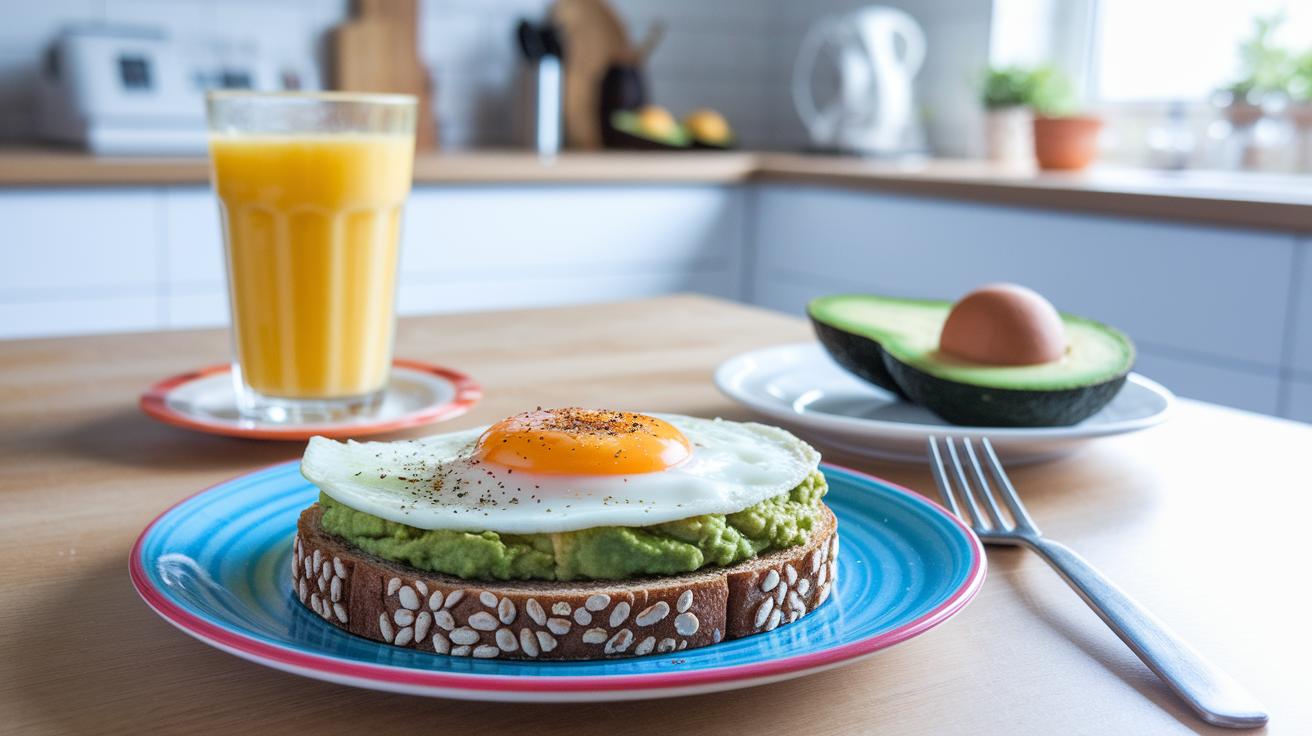
A balanced diet when you're expecting starts with the basics, protein, healthy fats, and complex carbohydrates. Protein from beans, lentils, eggs (a large egg packs about 3.6 grams of protein), lean meats, and a couple of servings of fish like salmon each week helps build and repair tissues for both you and your little one. Carbs from whole grains keep your energy steady, and healthy fats support brain function. Imagine starting your day with whole-grain toast, smashed avocado, and a perfectly cooked egg; it’s a simple, tasty way to combine these nutrients.
Micronutrients are just as important. Iron, which you can get from lean red meat, legumes, or fortified cereals, helps increase your blood production to support your growing baby. Calcium from milk, cheese, yogurt, or fortified plant milks is key for strong bones, while folic acid from dark leafy greens and legumes can lower the risk of neural-tube issues early on in pregnancy. Think of these nutrients as puzzle pieces that fit perfectly together to keep you both healthy.
Omega-3 fatty acids, found in salmon, sardines, or even a spoonful of fish liver oil, are essential for your baby’s brain and eye development. Meanwhile, fiber from fruits, vegetables, and whole grains keeps your digestion regular and helps prevent constipation. Picture a colorful, crisp salad with a handful of seeds for an extra crunch; it’s both nourishing and satisfying.
Staying hydrated is just as key, especially when your blood volume might increase by nearly 50%. Drinking plenty of water helps transport nutrients throughout your body and keeps your cells happy. Keep a water bottle nearby as you enjoy a variety of nutrient-rich foods throughout your day.
Balanced Meal Plan Examples for Pregnant Women
When you're expecting, planning meals that give you balanced nutrition throughout the day is really important. A solid meal plan helps you get the energy you need while filling your body with proteins, healthy fats, and essential vitamins and minerals. Every snack and meal is a chance to boost your wellbeing and support your baby's growth.
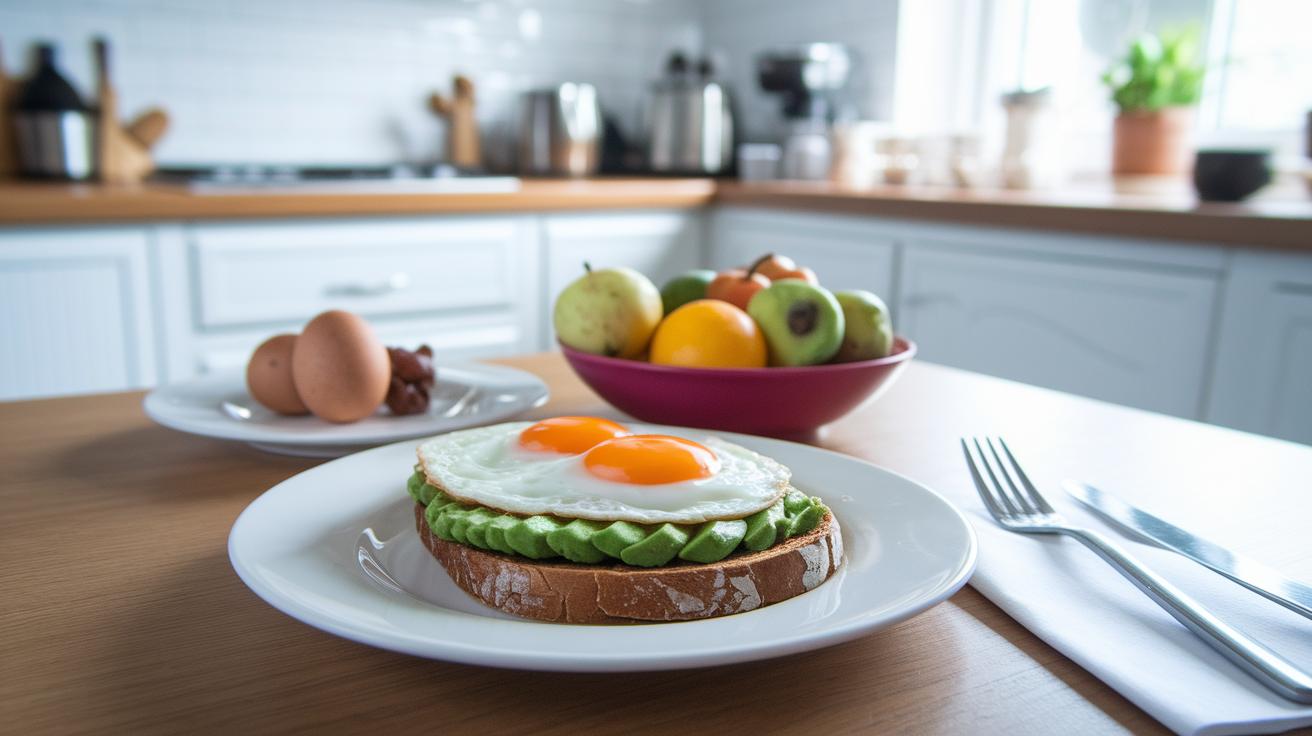
Start your morning with a healthy breakfast. Try whole-grain toast topped with creamy avocado and a perfectly cooked egg, along with a side of fresh fruit. This meal gives you protein for building tissues, healthy fats that support brain health, and natural sugars plus fiber to get your metabolism going. Later in the morning, a small serving of yogurt mixed with berries or a handful of nuts offers up extra calcium and antioxidants (natural substances that help protect your cells), along with a satisfying crunch.
At lunchtime, treat yourself to a bright quinoa salad tossed with lean chicken, a mix of crunchy veggies, and a drizzle of olive oil. This meal provides lean protein for tissue growth, whole grains for lasting energy, and a variety of vegetables that bring vitamins and minerals to the table. Then, an afternoon snack like crisp carrot sticks with some hummus or a simple banana gives you a refreshing boost so you stay energized between meals.
Finish the day with a dinner that feels both filling and flavorful. Think of a plate with grilled salmon, steamed broccoli, and hearty brown rice. Salmon brings in omega-3 fatty acids (healthy fats important for your baby's brain development), while broccoli packs in fiber and vitamins like C and K. Brown rice contributes whole grains that keep your energy levels steady. Each of these meals is carefully picked to balance your daily nutrition and help you have a happy, healthy pregnancy.
Foods to Embrace and Avoid in a Balanced Diet for Pregnant Women
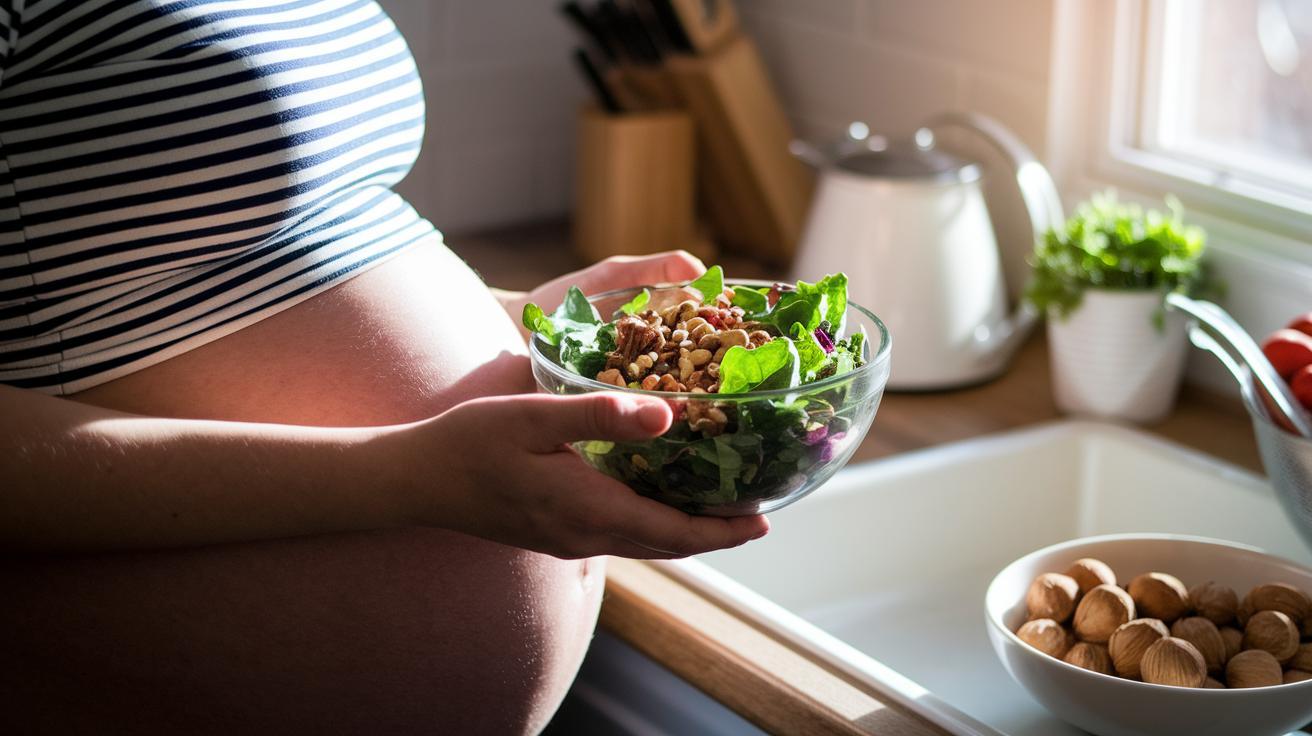
Choosing what to eat while you're expecting is all about safety and enjoying fresh, healthy foods that support both you and your baby. It’s a good idea to pick foods from reliable sources and to handle them carefully to keep any harmful germs away. For example, if you're a fan of fish, try low-mercury options like salmon or sardines, and aim for about 8 to 12 ounces a week. This gives you beneficial nutrients without extra risks. And if you love eggs but prefer them lightly cooked, make sure they have a British Lion stamp to show they’re safe; otherwise, cook them all the way through.
Foods to Embrace:
- Legumes
- Low-mercury fish
- Whole grains
- Leafy greens
- Yogurt
- Nuts
Foods to Avoid:
- High-mercury fish such as shark or swordfish
- Unpasteurized cheese
- Raw eggs (unless they are British Lion-stamped)
- Deli meats unless they are heated thoroughly
- Raw sprouts
- Too much caffeine
Feel free to adjust your diet according to what feels right for you and always check with your healthcare provider for extra guidance. Enjoy your journey to a safe and balanced prenatal diet!
Practical Tips for Maintaining a Balanced Diet for Pregnant Women

Try having 5 or 6 smaller meals or snacks spread out during the day. This way, you keep up with your changing appetite, and it helps you maintain steady energy levels. It’s a friendly, science-backed approach that keeps hunger in check and helps smooth out any blood sugar ups and downs you might feel.
It’s a good idea to keep an eye on your weight gain using guidelines from your healthcare provider. By choosing smaller, more frequent meals that fit your needs and paying attention to portion sizes, you can stay within healthy ranges. And yes, checking in with your provider regularly can give you peace of mind about your progress.
A food journal or a pregnancy tracker can really make a difference. Jotting down what you eat each day makes it easier to spot any missing nutrients or patterns that might need a tweak. Plus, it sets you up for a great conversation with your provider if you ever need to adjust your meal plan or talk about supplements.
Final Words
In the action, the article broke down daily calorie goals and macronutrient ratios, offered trimester-specific guidelines with a clear chart, and explained key nutrients with plain, practical advice. We walked through sample meal plans, highlighted the best foods to embrace and avoid, and shared simple tips for daily meal planning. All these points combine into a solid approach for a balanced diet for pregnant women that helps support a healthy, happy pregnancy. Every small change now brings brighter days ahead.
FAQ
Q: What does a 1 to 3 month pregnancy diet chart provide?
A: A 1 to 3 month pregnancy diet chart offers early pregnancy guidelines that emphasize small, balanced meals with whole grains, fruits, lean proteins, and hydration to support both mom and baby’s needs.
Q: What should be eaten during the first trimester?
A: First trimester eating focuses on combating nausea with easily digestible proteins, whole grains, fruits, and vegetables while maintaining around 1,800 calories if appetite is low.
Q: How can a balanced diet during pregnancy contribute to having a beautiful baby?
A: A balanced diet with lean proteins, leafy greens, fruits, dairy or fortified alternatives, and low-mercury fish supplies key vitamins and minerals essential for the baby’s healthy development and a glowing appearance.
Q: What are the main nutritional requirements during pregnancy?
A: Pregnancy nutritional needs include about 2,000 calories a day balanced with roughly 50% whole grains, 20% lean proteins, 30% healthy fats, and added vitamins and minerals with proper hydration.
Q: Which foods should be avoided during pregnancy?
A: Foods to avoid include high-mercury fish, unpasteurized dairy, raw eggs, and untreated deli meats, which help reduce the risk of foodborne illnesses and potential toxins for mom and baby.
Q: What diet is advised for a pregnant lady?
A: The advised diet for pregnant women includes a range of food groups such as whole grains, fruits, vegetables, lean proteins, dairy or fortified alternatives, and healthy fats, paired with frequent, smaller meals.
Q: What defines a healthy daily routine for a pregnant woman?
A: A healthy daily routine involves spreading balanced meals into 5–6 smaller portions, moderate physical activity, staying hydrated, and engaging in mindful practices to support overall well-being.
Q: What should a 4 to 6 month pregnancy diet chart include?
A: A 4 to 6 month diet chart typically ramps up to around 2,000 calories daily, emphasizing increased protein for tissue growth and a mix of nutrient-dense foods that support both maternal and fetal development.