
Ever wonder if your plate might hold the secret to feeling great? Clean eating isn’t just a buzzword, it’s a practical way to treat your body to real, natural foods. In this guide, we dive into a range of nourishing options that keep you energized and strong every day. Think of crisp fruits, hearty vegetables, lean proteins, and whole grains working together to fuel your body like a well-tuned machine. Let’s take a friendly stroll down the road to better health through the simple act of clean eating.
Clean Eating Guide: Essential Foods to Eat
Clean eating is all about choosing foods in their most natural form. It means cutting back on processed items, added sugars, and refined grains, and instead, enjoying whole fruits, vegetables, lean proteins, whole grains, and healthy fats. Fun fact: back in the day, people ate fresh produce and meats straight from nature, relying on unprocessed foods for strength and vitality.
Whole fruits and vegetables are at the heart of this way of eating. Imagine biting into a crisp apple or savoring a handful of vibrant berries and leafy greens. These foods are packed with vitamins, fiber, and antioxidants (natural substances that help protect your cells), and they add a burst of color and flavor to your meals.
Lean proteins are just as important. Choose options like grass-fed meats, sustainably caught fish such as salmon and sardines, or plant-based proteins like navy beans and chickpeas. These foods help repair and build muscle, supporting your body naturally every step of the way.
Whole grains like brown rice, quinoa, and oats offer complex carbohydrates that provide a steady stream of energy throughout the day. They help maintain balanced blood sugar levels, keeping you fueled for life’s daily activities. And don’t forget healthy fats, foods like avocados, extra-virgin olive oil, nuts, and seeds aid in nutrient absorption and keep your hormones in balance.
At its core, clean eating is about embracing real, unprocessed foods that bolster both your physical well-being and daily energy. When you fill your plate with these natural choices, you give your body the boost it needs to feel its best every day.
Clean Eating Proteins: Lean & Plant-Based Picks
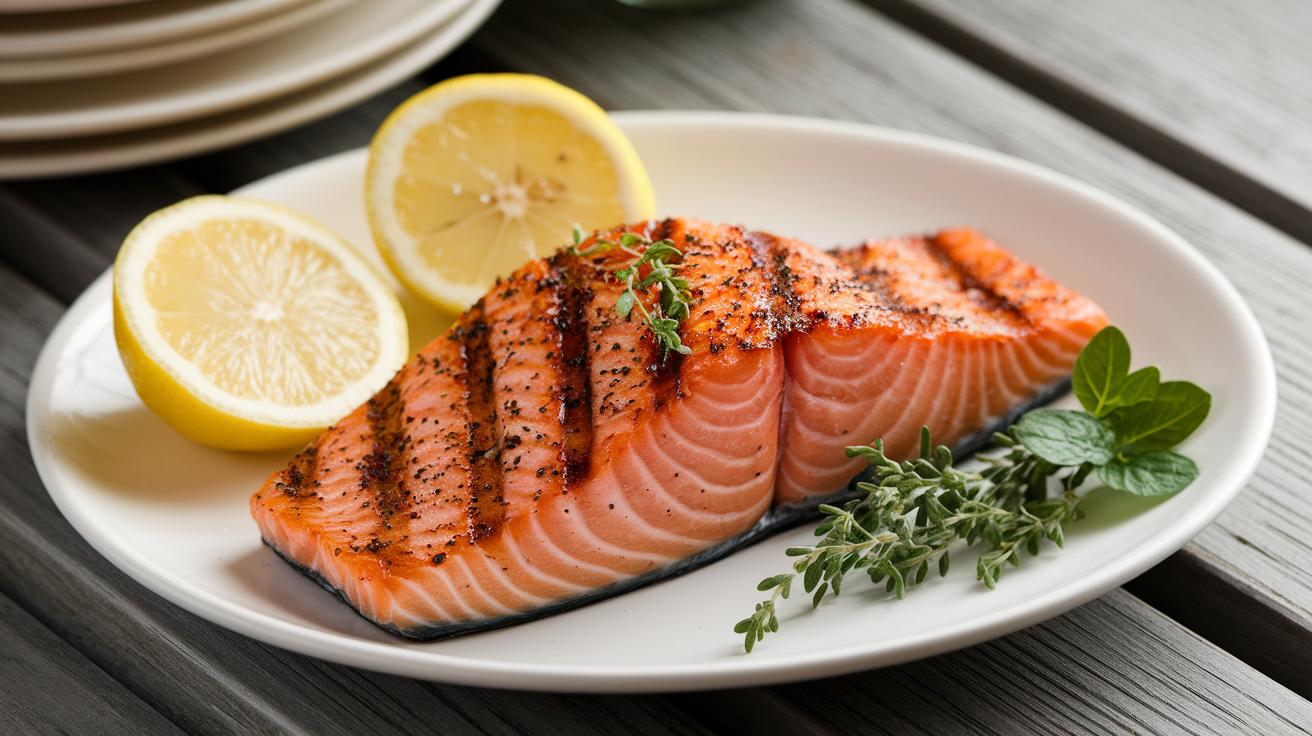
When you choose clean eating, you open up a world of protein options that help fix and strengthen your body naturally. By picking proteins that haven’t been overly processed, you enjoy a great mix of amino acids and vital vitamins, all without unwanted additives.
If animal proteins are your go-to, lean choices like grass-fed meats, reliably sourced fish, and free-range poultry really shine. And don't forget fatty fish like salmon, mackerel, or sardines. These fish bring omega-3 fatty acids (good fats that support your heart and brain) to the table. Imagine a perfectly grilled salmon fillet with a splash of lemon, each bite feels like a fresh burst of nature’s energy.
Plant-based proteins have their own charm too. Foods such as navy beans, pinto beans, and chickpeas deliver a solid protein hit along with extra fiber and key micronutrients. Picture a delightful chickpea salad tossed with fresh greens and a drizzle of olive oil, offering a crisp, flavorful lift.
- Grass-fed meats offer protein along with healthy fats.
- Sustainably caught fish provide natural omega-3s.
- Free-range poultry serves up a lean, nutrient-rich option.
- Legumes like chickpeas add both protein and fiber.
All of these choices come together seamlessly in a balanced clean eating plan that celebrates natural nutrition.
Clean Eating Carbohydrates & Whole Grains
Research today shows that different fibers play unique roles in our health. Soluble fiber, which you can find in oats, soaks up water to form a gel that slows sugar absorption and supports your heart, while insoluble fiber in whole grains adds bulk and helps keep your digestion steady and smooth.
Up your meal game by mixing whole grains with plant proteins and healthy fats. Imagine combining quinoa with black beans and a splash of lime, you get a tasty, energizing bowl that releases energy slowly and keeps you feeling full longer.
Recent findings suggest that using a mix of carbohydrate sources can boost how your body handles sugars. Try experimenting with different fruits, starchy veggies, and whole grains. For instance, a bowl of barley paired with crisp apple slices and a pinch of cinnamon offers a delightful twist that’s as good for your taste buds as it is for steady energy.
Key points to remember:
- Compare the benefits of soluble and insoluble fibers.
- Explore creative ways to combine foods for a slower, steadier digestion.
- Consider mixing various carbohydrate sources for improved energy and metabolic balance.
Clean Eating Healthy Fats: Top Sources
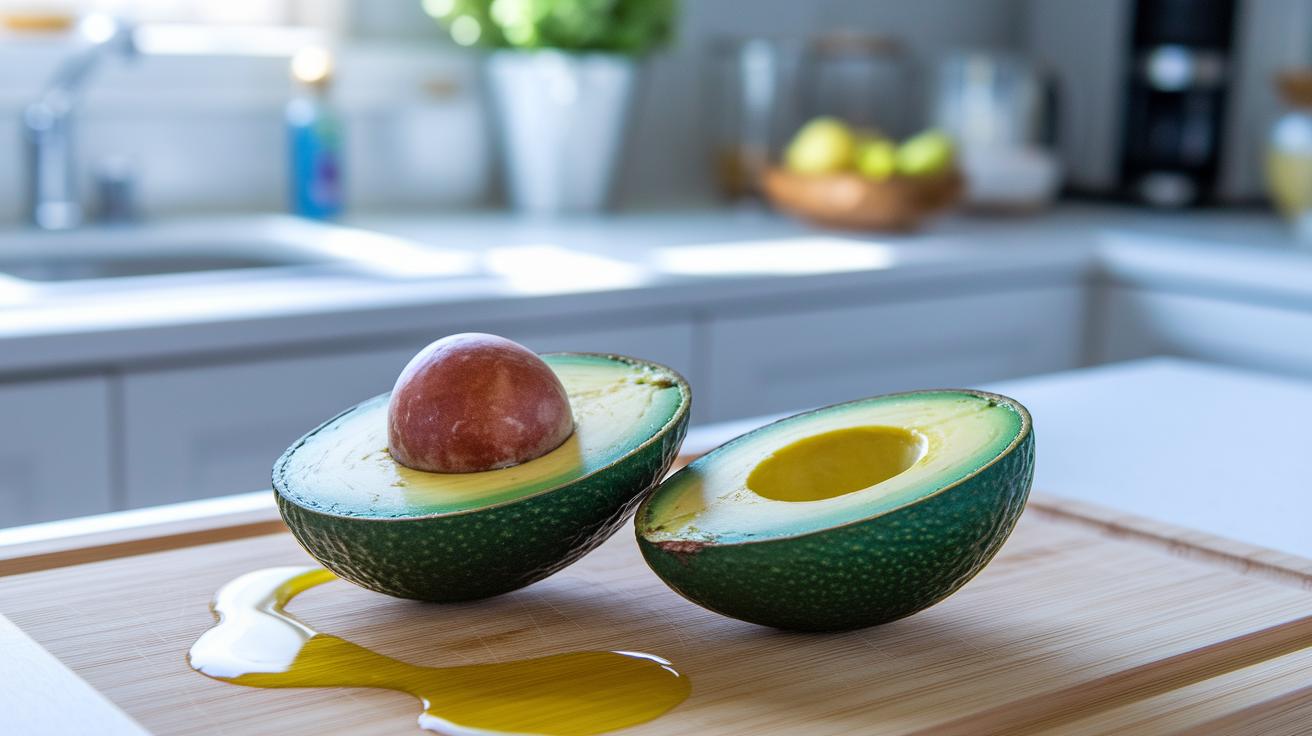
Fats can be your body's best friend. They help your body grab vitamins, balance hormones, and even bring along antioxidants (natural substances that help keep inflammation in check). For instance, extra-virgin olive oil not only makes nutrients easier to absorb but also offers a cleaner pick compared to refined oils. Drizzling it on steamed vegetables or mixing it into dressings adds a nutritious burst to your meals.
Avocados are a delicious way to add creaminess and heart-healthy monounsaturated fats. You can mash them on toast or blend them into your morning smoothie for that extra creamy kick and long-lasting fullness.
Fatty fish like salmon and sardines pack a healthy dose of omega-3 fatty acids (fats that help support your brain and heart). Enjoying these a couple of times a week is an easy and tasty way to keep your omega-3 levels in check.
Crunchy nuts and seeds such as almonds, walnuts, chia, and flaxseeds bring both fiber and micronutrients that many other fats lack. Sprinkling them over oatmeal or stirring them into yogurt not only boosts flavor but also adds a satisfying crunch.
- Drizzle extra-virgin olive oil over vegetables to bump up your antioxidants.
- Blend mashed avocado into your smoothies for that extra creaminess.
- Enjoy fatty fish a few times a week to maintain healthy omega-3 levels.
- Add a handful of nuts or seeds to meals for extra fiber and crunch.
By incorporating these natural fats into your daily dishes, you're not only enhancing the taste but also ensuring a balanced intake of essential nutrients that your body will truly appreciate.
Clean Eating Grocery Guide: Shopping & Pantry Staples
When you're planning meals that highlight the goodness of natural, unprocessed foods, start by heading straight to the produce section. Grab bright fruits, crunchy veggies, and hearty whole grains. Imagine choosing a sun-kissed tomato, a crisp head of lettuce, or a bag of brown rice as your first step toward a meal that's both delicious and nutritious.
While exploring packaged foods, take a moment to check the ingredient lists. Stick with items that feature whole ingredients, and skip those with long, confusing lists of extra sugars, salts, and chemical additives. It’s like solving a little puzzle, pick foods you recognize and feel confident about every time you shop.
Opting for organic or locally sourced options can also make a difference, as these choices help reduce your exposure to unnecessary pesticides. And if fresh produce isn’t always handy or on budget, remember that frozen fruits and vegetables keep most of their nutritional value and are super convenient. Even canned veggies can be a win if you rinse them well to cut down that extra sodium.
Don’t forget to stock up on pantry staples like whole grains, a variety of beans, and natural spices that bring flavor without relying on too much salt. For a bit more inspiration, check out our balanced diet food list to keep your grocery trips both smart and satisfying!
Clean Eating Meal Planning Strategies
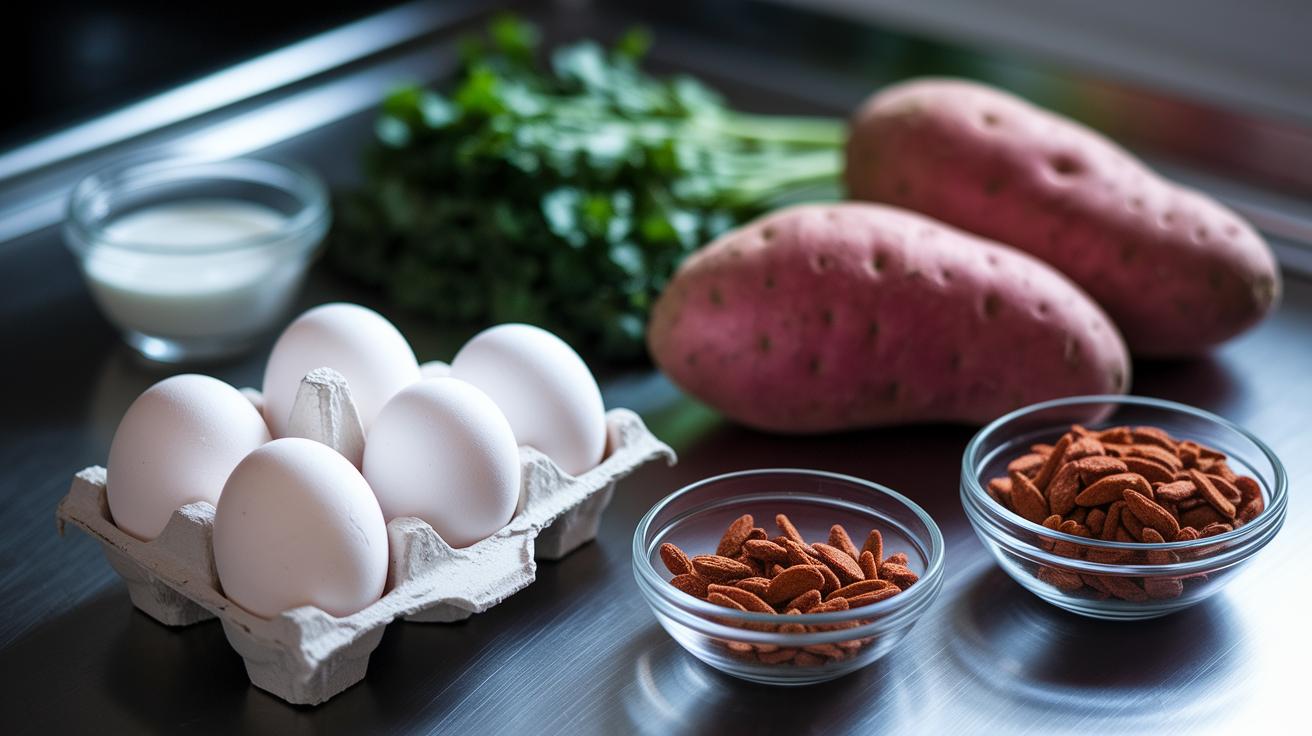
Planning your meals each week around whole, unprocessed foods makes clean eating feel simple and natural. Try centering your menu on ingredients you love, like grass-fed meats, organic egg whites and milk, gluten-free whole grains (think air-popped popcorn), ancient grains, sweet potatoes, goji berries, and even a touch of raw sugar. Imagine spending a few hours on the weekend preparing a big batch of lean protein and roasting a tray of veggies, this kind of batch cooking means you’ve got healthy meals ready to go throughout your busy week. I once made a giant pot of organic egg white frittata paired with sweet potato rounds on a Sunday, and it turned out to be a real lifesaver later on!
It also helps to organize your shopping list by meal. When you sort items for breakfast, lunch, and dinner, you make meal planning less stressful and more enjoyable. And with some simple tools like a food scale or measuring cups, portion control becomes a breeze without any extra hassle.
- Batch cook lean proteins and roasted veggies for quick lunches.
- Create a shopping list sorted by breakfast, lunch, and dinner items.
- Use measuring cups or a food scale to easily control portions.
Planning ahead with bulk buying and seasonal produce not only saves money but also keeps your meals vibrant and fresh. Keep an eye out for sale items, and if sticking to a strict plan feels too rigid, why not designate a few flexible "clean days" instead? This way, you can effortlessly adjust your schedule while still enjoying nutrient-packed, natural meals throughout the week.
Sample Clean Eating Daily Meal Plan
Begin your morning with a meal that fuels your body and lifts your spirits. Try organic egg whites, gently scrambled with a generous handful of fresh spinach and a few bright cherry tomatoes. Imagine the soft egg whites mingling with crisp spinach and tangy tomatoes to give you a protein boost that sets you up for a great day.
Later in the morning, treat yourself to a cup of goji berry yogurt. This snack offers a smooth, creamy texture along with a tangy burst of flavor from the goji berries, refreshing you before lunch.
At lunchtime, dig into a colorful grilled salmon salad. Picture a perfectly grilled salmon fillet served on a bed of mixed greens with a scoop of quinoa. The omega-3 fatty acids (healthy fats that support your heart) from the fish, the fiber from the greens and grains, and a light drizzle of extra-virgin olive oil with a squeeze of lemon work together to create a meal that's both delicious and nourishing.
When afternoon hunger hits, reach for air-popped popcorn. Its natural crunch and light texture help tame cravings without weighing you down.
For dinner, enjoy a hearty serving of grass-fed beef along with roasted sweet potato and steamed broccoli. Savor the tender beef, the natural sweetness of the roasted sweet potato, and the crisp, nutrient-packed broccoli. This meal gives you lean protein, complex carbohydrates, and a boost of essential vitamins.
Remember to sip water or herbal tea between meals. These hydrating drinks are simple yet effective partners to your clean eating routine, helping you stay refreshed all day.
- Breakfast: Organic egg whites with spinach and cherry tomatoes.
- Mid-morning snack: Goji berry yogurt.
- Lunch: Grilled salmon salad with mixed greens and quinoa.
- Afternoon snack: Air-popped popcorn.
- Dinner: Grass-fed beef with roasted sweet potato and steamed broccoli.
- Beverages: Water or herbal tea between meals.
This simple meal plan makes it easy to enjoy clean, balanced eating all day long.
Final Words
In the action of clean eating, we've covered foods loaded with nutrients, from lean proteins and whole grains to healthy fats and natural goodies at the grocery store. We broke down simple meal planning and even offered a sample daily menu to help you see practical ways to fuel your body. This guide clearly illustrates what to eat for clean eating, sharing easy steps to boost your overall wellness. Embrace these practical tips to feel more balanced and energized every day.
FAQ
Q: What does it mean to eat clean for weight loss?
A: Eating clean for weight loss means choosing whole foods like fruits, vegetables, lean proteins, and whole grains while cutting out highly processed items, which helps boost energy and support gradual, sustainable weight loss.
Q: What is the clean eating approach for beginners?
A: The clean eating approach for beginners involves focusing on natural, unprocessed foods. This means enjoying fresh produce, lean proteins, whole grains, and healthy fats while minimizing refined sugars and additives.
Q: What foods should be avoided in a clean eating plan?
A: Avoid highly processed items, refined grains, and foods with added sugars or artificial ingredients. Steering clear of these helps ensure your diet remains full of whole, nutrient-rich foods.
Q: What clean eating food lists or guides are recommended for beginners?
A: Beginners can benefit from clean eating guides that offer lists of fruits, vegetables, lean proteins, whole grains, and healthy fats along with printable meal plans or PDFs to simplify shopping and meal preparation.
Q: What are some examples of clean eating recipes and meal plans?
A: Examples include simple recipes like spinach and egg white omelets, grilled salmon salads with mixed greens, and lean beef paired with sweet potatoes, all arranged within well-balanced daily meal plans.
Q: How can one prepare clean eating meals on a budget?
A: Preparing clean eating meals on a budget involves shopping smart, such as choosing seasonal produce, buying whole grains in bulk, and planning meals ahead to prevent waste while sticking to a natural, whole-food diet.
Q: What constitutes a whole food or unprocessed food diet plan?
A: A whole food diet plan centers on eating fresh fruits, vegetables, lean proteins, and whole grains, steering clear of additives and processed foods to maintain balanced nutrition and steady energy levels.