
Ever wondered if the food you eat really gives you the boost you need or if it just weighs you down? Clean eating is all about choosing fresh, natural ingredients that work like premium fuel for your body. Think of it as giving your engine the best gas available, so you feel energetic and light.
Imagine swapping out those processed snacks for crisp fruits, crunchy vegetables, and lean proteins. This simple change lets you feel stronger and more vibrant every day. It’s like enjoying a refreshing burst after a quick morning walk, a small switch that makes a big difference.
Ready to invite a wave of fresh energy into your life? Enjoy the journey of feeling great from the inside out.
How to Start Eating Clean: Embrace Fresh Energy
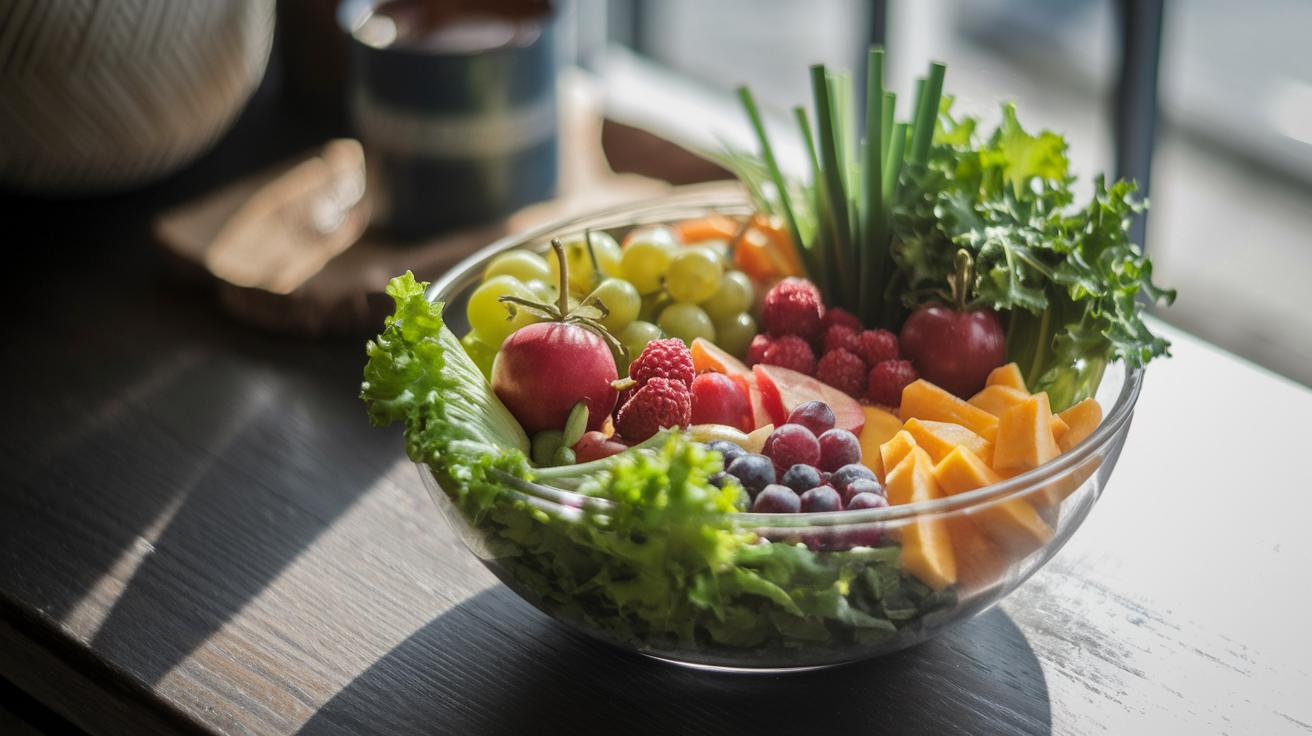
Clean eating is all about choosing foods in their natural state to give your body the fuel it truly needs. By picking fresh fruits, vegetables, lean proteins, and whole grains over processed foods, you let nature do its work and avoid unwanted extras. This way, you keep your meals simple, nourishing, and full of genuine benefits.
When you choose nutrient-packed foods, you help keep your energy steady and your body feeling its best. Imagine biting into a crisp apple or enjoying a lively, colorful salad made from locally picked ingredients, little moments that add up to a healthier you.
- Head straight to the produce section where fresh fruits, vegetables, and whole grains await.
- Check out ingredient labels to dodge extra sugars, unhealthy fats, and artificial extras.
- Cook most of your meals at home so you can control how much salt, sugar, and fat goes in.
- Pick beverages like plain water, unsweetened tea, or water with a splash of fruit instead of drinking sodas.
- Whenever possible, choose organic or locally grown produce; if you're on a budget, low-sodium canned or frozen options work well, too.
Making these habits part of your daily routine can be simple and very satisfying. Try setting aside some time during the week for meal prep and planning your shopping list ahead of time. Doing so turns clean eating into a natural, energizing part of your life that leaves you feeling renewed every day.
Health Benefits of Clean Eating
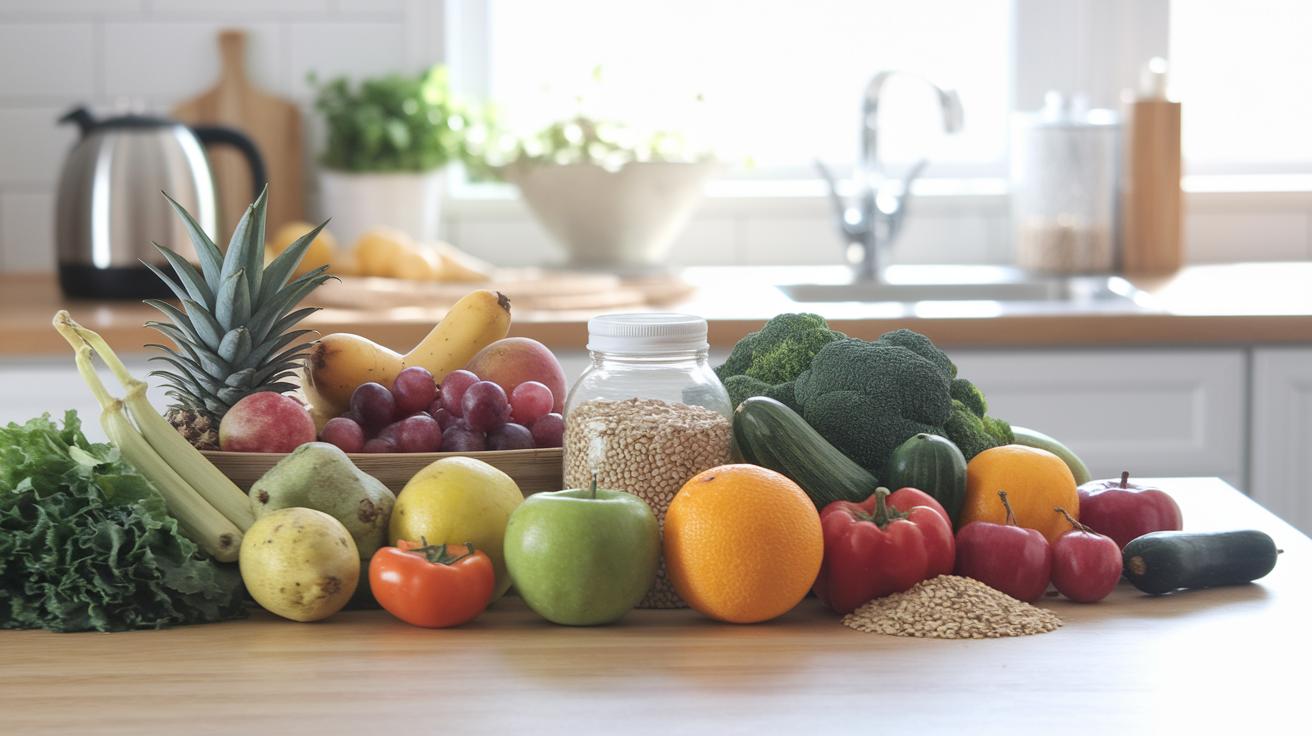
Embracing clean eating means choosing foods in their whole, natural state. Fresh fruits, veggies, lean proteins, and whole grains come loaded with vitamins, minerals, and fiber, think of them as nature’s own fuel that avoids the fillers common in processed foods.
When you pack your meals with these nutrient powerhouses, you not only help keep your weight in check but also enjoy steady energy and a robust immune system. Whole foods can ease inflammation and lower the risk of long-term health problems. By skipping added sugars and artificial ingredients, you're giving your body exactly what it needs to thrive. Curious about how balanced meals boost your overall vitality? Check out this guide on healthy eating and digest how every bite counts: https://nobrainertrends.com?p=116.
Sure, there are a few bumps along the clean eating road. It might take extra time to prepare meals, sometimes cost a bit more at the grocery store, or require adjusting old eating habits. Recognizing these challenges can help you ease into a routine that makes clean eating not just sustainable, but also a fun part of your everyday life.
Essential Pantry and Shopping Guide for Clean Eating

A healthy pantry is the heart of a clean eating habit. Keeping your go-to, nutrient-packed ingredients nearby means you can put together a wholesome meal even on your busiest days.
| Item | Why It’s Essential | Storage Tip |
|---|---|---|
| Beans | Rich in protein and fiber, they help fuel your body | Store in a cool, dry spot |
| Lentils | Loaded with nutrients and great for heart health | Keep in an airtight container |
| Brown Rice | A whole grain source of energy | Seal in a glass jar or container |
| Oats | A versatile, fiber-packed start to your day | Keep in a dry, sealed container |
| Nuts | Offer healthy fats and protein | Store in the fridge or a sealed jar |
| Dried Fruit | Adds natural sweetness along with extra nutrients | Keep in a cool, dry area |
Cutting costs is simple too. Shop seasonal produce, keep an eye out for sales, and buy pantry staples in bulk. And on those days when fresh produce isn’t available, low-sodium canned or frozen fruits and veggies (just give them a quick rinse to reduce extra salt) are a smart, budget-friendly choice.
Meal Planning and Preparation Techniques for Starting Clean Eating
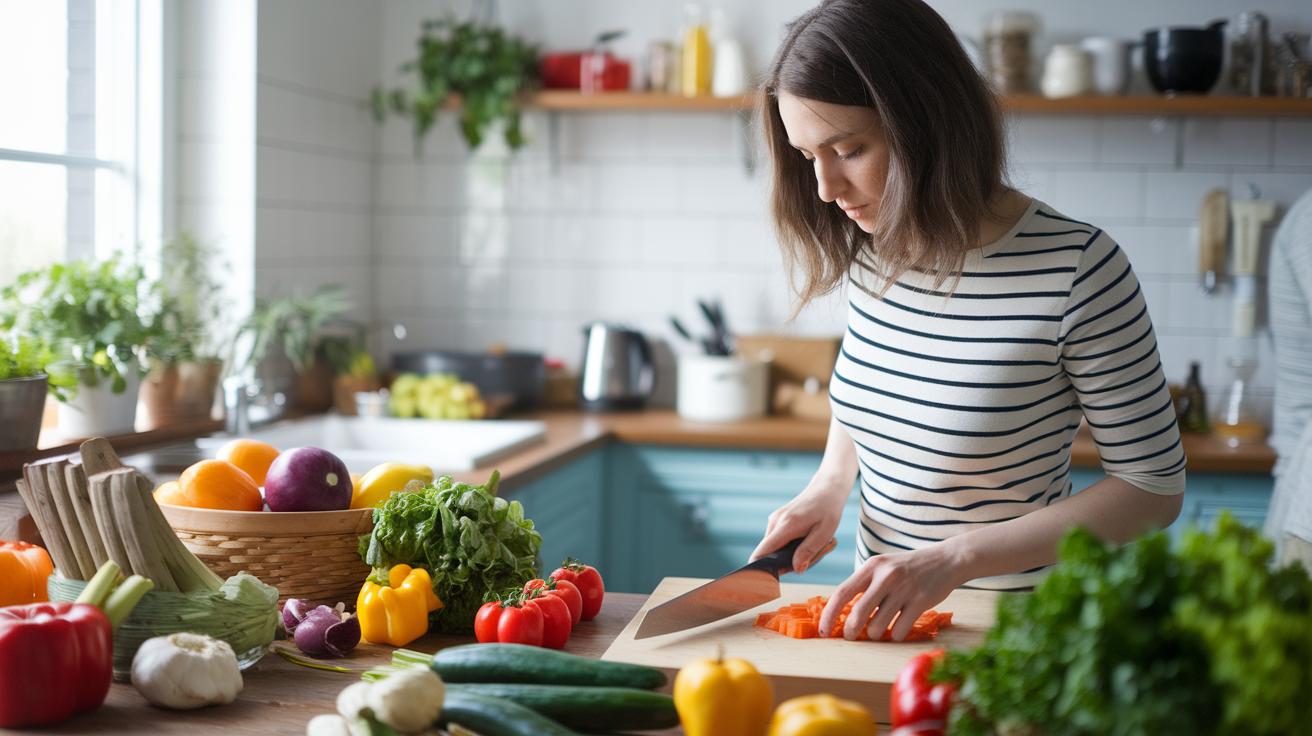
Planning your meals in advance makes clean eating feel effortless and fun. When you cook proteins and grains in larger batches, you save time during the busy workweek and lessen the stress of deciding what to eat each day. Imagine spending a few hours over the weekend grilling chicken or simmering a big pot of quinoa, and then using those tasty ingredients to create a quick, healthy meal later on.
Getting organized in the kitchen can be a game changer. Pre-chopping your favorite veggies or opting for pre-cut produce means you can throw together a vibrant meal in just minutes. Simple ideas like a one-pan dinner or a hearty soup let you enjoy balanced nutrition without hours spent cleaning up afterwards. Have you ever noticed how small kitchen tweaks can lighten your load and boost meal satisfaction?
Smart shopping is a key ingredient, too. Look out for sales or buying in bulk to help keep your budget in check. Stick to seasonal produce for that extra burst of flavor and nutrition, and don’t be shy about choosing frozen or low-sodium items when fresh options aren’t in season. This savvy approach not only makes your meal planning realistic but also turns it into an enjoyable and cost-friendly routine that supports your clean eating goals.
Sample Clean Eating Meal Plan for Beginners
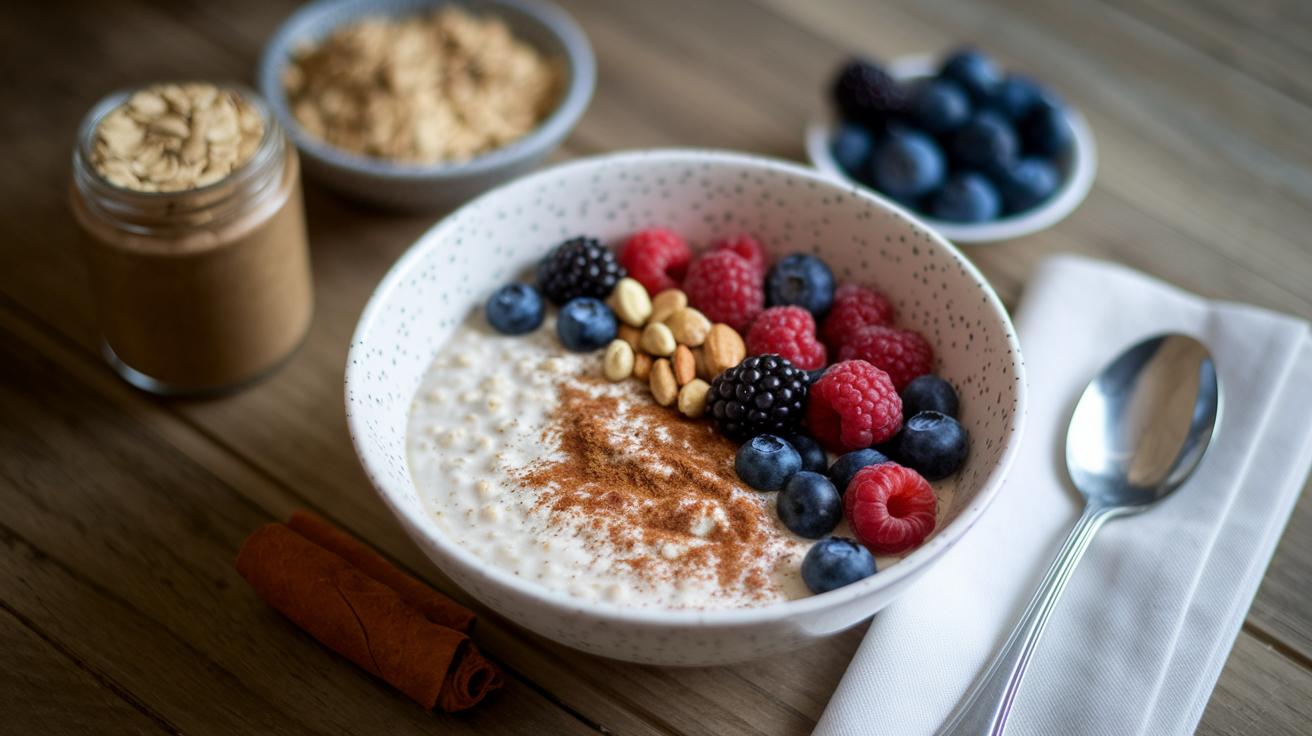
Are you ready to create a day full of tasty, clean meals using your favorite ingredients? This plan is all about flexibility and personalization so you can swap out anything that doesn’t quite hit the spot for you.
Breakfast
Start your day with a warm bowl of rolled oats. One cup of cooked oats makes a hearty, satisfying base. Then, add a generous handful of fresh berries, a sprinkle of your favorite nuts, and a light dash of cinnamon to boost the flavor. It’s a comforting breakfast that fills you up and gives you steady energy for the morning.
Lunch
For lunch, try a balanced plate that mixes lean protein with plenty of greens. Grill a piece of chicken or choose tofu if you’re leaning toward a plant-based option. Pair this with a crisp, colorful salad and a serving of quinoa. A little drizzle of olive oil adds just the right touch without extra calories. This meal offers a great blend of protein, fiber, and healthy fats to keep you satisfied and energized.
Dinner
Dinner is all about cozy, nutrient-packed goodness. You can choose between baked salmon, rich in omega-3 fatty acids (fats that help support heart health), or a hearty lentil stew loaded with plant protein. Serve your main dish with a side of steamed vegetables and brown rice. This combination delivers a mix of vitamins, minerals, and fiber to help you wind down your day feeling full and nourished.
Snacks
Between meals, go for light, energizing snacks. Enjoy a piece of fresh, seasonal fruit or a small handful of raw nuts. Carrot sticks with a scoop of hummus add a fun crunch along with protein. And if you need a drink, why not try water infused with slices of cucumber or citrus? This refreshing twist keeps hydration natural and flavorful.
Strategies to Stay on Track with Clean Eating

When you want to stick to a clean-eating routine, planning is your best friend. Choose certain days or specific meals during the week where you prepare dishes full of nutrients (the building blocks that help your body stay strong). Adjust your recipes to match your energy needs and fit your budget. A little planning, like setting a reminder on your phone or writing out a fun weekly menu, can really make a difference and help you avoid reaching for processed foods.
Taking it slow with your meals can also boost your clean-eating journey. Enjoy every bite, chew slowly, and pay attention to when your body is truly hungry. Small changes like this can turn an everyday meal into a calm, mindful pause in your busy day. You might even try a free seven-day introduction program or use a printable meal planner to help guide you. For more friendly tips on healthy living, check out these ideas: https://nobrainertrends.com?p=151.
Common Missteps When Starting Clean Eating
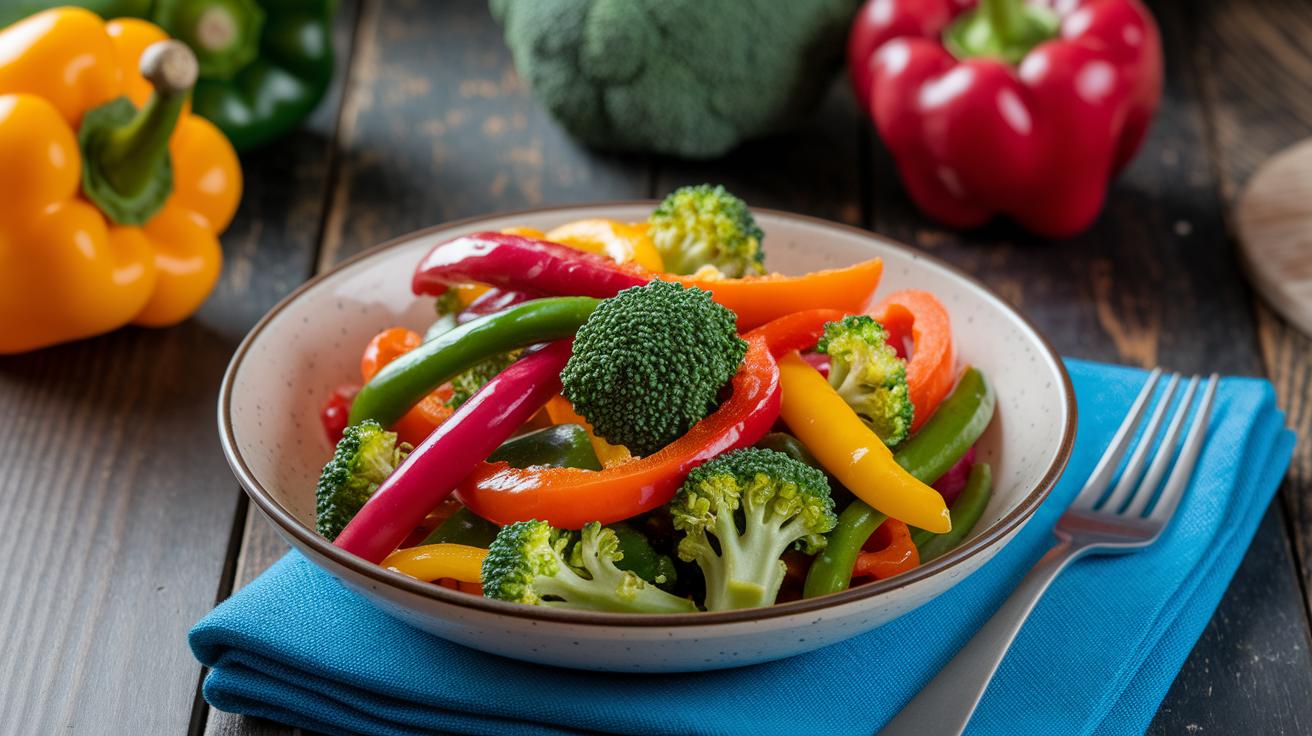
One mistake many of us make is going too hard on ourselves. Trying to cut out entire food groups right away can leave you feeling deprived, and soon enough, you might find yourself turning back to processed foods just for a quick fix.
Another common pitfall is not planning your meals at all. Without a simple plan, you might end up grabbing something on the go that’s loaded with extra sugars, salt, or unhealthy fats. It’s also easy to ignore your budget. If your plan isn’t realistic, the costs can add up and make clean eating feel impossible.
The key is to start out with flexible guidelines that allow you to enjoy a variety of foods while keeping things balanced. Simple recipes like a quick vegetable stir-fry or a hearty bean salad can be lifesavers on busy days, helping you stick with your clean eating routine without feeling overwhelmed.
Final Words
In the action of clean eating, we reviewed simple, effective steps, from picking fresh fruits and veggies to planning easy meals. We touched on the benefits of whole foods, budget-friendly shopping, and practical meal prep techniques.
By following these clear guidelines, you'll learn how to start eating clean while sidestepping common mistakes. Embrace these tips with confidence and enjoy feeling your best every day.
FAQ
How do I start eating clean for weight loss and for beginners?
Starting a clean eating routine for weight loss and beginners means switching to whole, nutrient-packed foods. Focus on fruits, vegetables, lean proteins, and whole grains while preparing meals at home to keep additives and sugars low.
What should be on my clean eating food list?
A clean eating food list includes fresh fruits, vegetables, lean proteins, whole grains, nuts, and seeds. Reading ingredient labels helps you avoid added sugars and artificial ingredients for a wholesome diet.
Can I eat eggs on a clean diet?
Including eggs in a clean diet is acceptable, as they are a natural source of protein and healthy fats. Choose preparation methods that avoid extra fats to keep your meals balanced and nutrient-rich.
What do 10 days of clean eating do to your body?
Ten days of clean eating can improve digestion, boost energy levels, and help reduce inflammation. Your body benefits from nutrient-dense foods that support overall health and well-being.
What is the 80/20 rule for clean eating?
The 80/20 rule for clean eating suggests that 80% of your meals come from whole, unprocessed foods while allowing 20% for flexible, occasional treats, promoting balance without strict restrictions.
Will I lose weight if I start eating clean?
Starting to eat clean may help with weight loss as it emphasizes nutrient-dense foods that naturally control portions and curb cravings. Consistent healthy choices and proper portion control remain key.
What does a 7-day clean eating meal plan include?
A 7-day clean eating meal plan features balanced recipes using whole foods like fruits, vegetables, lean proteins, and whole grains. It offers structured, varied meals that support energy and a nutrient-rich diet.
How can I eat clean on a budget?
Eating clean on a budget involves choosing seasonal produce, buying in bulk, and opting for frozen or low-sodium canned alternatives when needed. Planning meals ahead reduces waste and helps you save money.